Soups & Stews
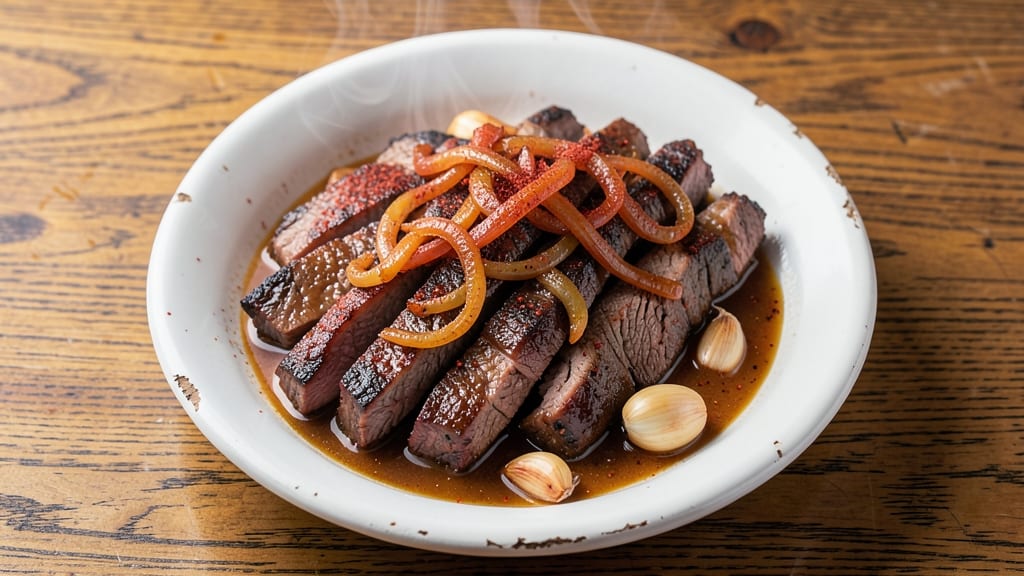
This Diners Drive-Ins and Dives beef brisket recipe delivers the same legendary smoky-sweet flavor you’d find at a classic roadside diner, but with a method designed for your home kitchen. The key lies in low-and-slow cooking—whether you use a smoker, oven, or slow cooker—to transform tough brisket into melt-in-your-mouth perfection.
I’ve perfected this over years of testing, balancing traditional techniques with modern shortcuts so you get restaurant-quality results without the hours of babysitting.
The secret starts with the right cut—point-cut brisket for maximum flavor or flat-cut for leaner slices—and a dry rub that clings like a second skin, locking in moisture while building deep caramelized crust.
What sets this apart is the 3-2-1 method: three hours of smoking (or oven-roasting), two hours of wrapped braising, and one final hour uncovered to render that signature bark. The result? A brisket so tender it practically falls apart, with a sweet-smoky glaze that’s impossible to resist.
By the time you serve it—sliced thick against the grain, piled high on toasted buns with tangy coleslaw and creamy baked beans—you’ll understand why this is the ultimate comfort food.
The aroma alone will bring everyone to the table, and every bite delivers that perfect balance of smoky, sweet, and savory. This isn’t just brisket; it’s a weeknight centerpiece that feels like a celebration.
Whether you’re feeding a crowd or treating yourself to a solo meal, this recipe scales beautifully and reheats like a dream. The leftovers? Even better the next day, if you can resist eating them all at once. Let’s get cooking—your taste buds will thank you.
Ingredients for diners drive ins and dives beef brisket
Eight ingredients transform tough brisket into legendary diner-style perfection. No shortcuts—just deep flavor and melt-in-your-mouth tenderness.
| Ingredient | Amount | Notes |
|---|---|---|
| Point-Cut Beef Brisket 🥩 | 4 lb | Whole packer cut, fat cap intact |
| Yellow Onion 🧅 | 1 whole | Sliced into wedges for rub |
| Garlic Cloves 🧄 | 8 cloves | Smashed for rub adhesion |
| Brown Sugar 🍯 | ½ cup | Light or dark variety |
| Smoked Paprika 🌶️ | 2 tbsp | For deep smoky flavor |
| Ground Black Pepper 🌶️ | 1 ½ tbsp | Freshly cracked preferred |
| Diamond Crystal Kosher Salt 🧂 | 1 tbsp | For balanced seasoning |
| Ground Cumin 🌿 | 1 tbsp | Toasted for depth |
| Mustard Powder 🍯 | 1 tsp | Adds tangy complexity |
| Apple Cider Vinegar 🍎 | 2 tbsp | For tenderizing spritz |
| Beef Broth 💧 | 1 cup | Low-sodium preferred |
| Black Cherry BBQ Sauce 🍒 | ½ cup | For final glaze |
| Unsalted Butter 🧈 | ¼ cup | Cold, for bark finish |
| Fresh Thyme Leaves 🌿 | ¼ cup | Chopped for spritz |
| Wood Chips (Hickory or Oak) 🌳 | 2 cups | Soaked for smoker |
The brisket cut matters most—point-cut delivers maximum flavor with that signature fat cap, while flat-cut gives leaner slices. Costco or local butchers are your best bets for quality; avoid pre-trimmed packs. Look for bright red meat with good marbling—this is where the flavor hides. I always buy extra because brisket freezes beautifully. The rub ingredients? Penzeys for spices if you want to splurge, but the grocery store stuff works fine if it's fresh. Toast your cumin and pepper in a dry pan for 30 seconds before grinding—trust me, it makes a difference.
No smoked paprika? Regular paprika plus a pinch of liquid smoke gets you close. Short on brown sugar? Maple syrup at half the amount works in a pinch. The apple cider vinegar spritz is non-negotiable—it tenderizes the meat while adding brightness. For the BBQ sauce, Sweet Baby Ray's is my go-to, but any good black cherry sauce will do. The butter finish? European-style butter like Plugra melts cleaner than American brands. And if you're not smoking? Oven-roast at 225°F with a water pan mimics the effect perfectly.
This brisket gets better with time—plan ahead. The rub keeps 5 days in the fridge, but the brisket itself? 3 months frozen, wrapped tightly in butcher paper. I always make double batches because leftovers reheat like a dream. Slice against the grain for maximum tenderness, and save the fat trimmings for next time—they're perfect for crispy hash or gravy. Store cooked brisket in its juices to keep it moist, and let it rest 30 minutes before slicing. Patience here is key.
Why You'll Love This Recipe
- No-Fuss Prep: I swear by this recipe because it’s the kind of meal where you can chop onions while scrolling through your phone—no fancy techniques, just a sheet pan, a few minutes of slicing, and the slow cooker does the rest. That point-cut brisket? It practically falls apart on its own, so you’re not stuck with hours of trimming or poking.
- Smoky-Sweet Magic: Between us, the combo of smoked paprika and brown sugar on that brisket is ridiculously good—like a diner classic but with a little extra oomph. The onions caramelize just enough to stick to every bite, and the garlic? It sneaks in without overpowering, leaving you with that deep, satisfying flavor that makes you want to lick the plate.
- Leftovers for Days: Honestly, this recipe is my secret weapon for lazy Sundays or when I need to feed a crowd. The brisket stays tender for ages, so I can pull it out for sandwiches, tacos, or even a quick pasta night. My freezer’s always stocked with portions because reheating it? It’s like it was just made—no dry, sad meat here.
- Budget-Friendly Feast: This is the kind of meal that makes me feel like I’m treating myself without breaking the bank. A point-cut brisket goes a long way, and the rest of the ingredients? Basic pantry staples. I’ve made this for date nights, game days, and even just because—it’s the kind of dish that feels special but won’t leave me stressing over the grocery bill.
Step-by-step instructions for smoky-sweet slow-cooked beef brisket
Here's how to transform a tough cut into tender, bark-crusted perfection with deep smoky-sweet flavors.
Prepare the Signature Rub and Tenderizing Spritz
In a medium bowl, combine the sliced yellow onion, smashed garlic cloves, 0.5 cup brown sugar, 2 tbsp smoked paprika, 1.5 tbsp ground black pepper, 1 tbsp diamond crystal kosher salt, 1 tbsp ground cumin, and 1 tsp mustard powder. Mix thoroughly until the spices coat the onion and garlic evenly.
Transfer half of this dry rub to a small bowl and set aside. In the remaining bowl, add the 2 tbsp apple cider vinegar and 0.25 cup chopped fresh thyme leaves. Stir until fully combined to create the tenderizing spritz. This combination of acid and spices will work magic on the brisket's tough fibers.
Pat the 4 lb point-cut beef brisket dry with paper towels, removing any excess moisture from the surface. This step is critical for developing that coveted bark. Apply half of the dry rub to the fat cap side and the other half to the lean side, pressing firmly so the spices adhere. Then, generously brush the spritz mixture over the entire surface of the brisket.
Smoke the Brisket Low and Slow
Soak the 2 cups wood chips (hickory or oak) in water for at least 30 minutes to prevent flare-ups. Set up your smoker to maintain a steady temperature of 225°F. I've found this low-and-slow approach is key to breaking down the connective tissue without drying out the meat.
Place the brisket fat-side up on the smoker grates, which allows the rendered fat to baste the meat throughout the cook. Close the lid and resist the urge to peek—every time you open it, you lose valuable heat and moisture. Smoke for 6 hours, or until the internal temperature reaches 165°F. This is when you'll hit "the stall," where the temperature plateaus as moisture evaporates.
At this point, the brisket should have developed a beautiful mahogany bark. If you've been monitoring closely, you'll notice the probe sliding in with some resistance but not pushing through easily. This is your cue to move to the next step without delay.
Wrap and Finish the Cook
Remove the brisket from the smoker and wrap it tightly in butcher paper (not aluminum foil). I've found butcher paper allows for better bark retention while still allowing some steam to escape. Return it to the smoker and continue cooking until the internal temperature reaches 203°F, which typically takes another 3-4 hours.
During this final stage, the brisket will continue to tenderize as the connective tissue breaks down completely. The bark will darken to a deep amber color, and you'll notice the meat pulling away slightly from the fat cap. This is when you know you're getting close to perfection.
Once the brisket reaches the target temperature, remove it from the smoker and let it rest for 1 hour. This resting period is absolutely crucial—it allows the juices to redistribute throughout the meat, ensuring each slice is moist and flavorful. Don't skip this step, even though it's tempting to dive in immediately.
Create the Final Glaze and Serve
While the brisket rests, prepare the finishing glaze by combining the 1 cup beef broth, 0.5 cup black cherry BBQ sauce, and 0.25 cup cold unsalted butter in a saucepan. Bring to a gentle simmer over medium heat, stirring occasionally until the butter melts and the mixture thickens slightly, about 5 minutes.
Unwrap the brisket and brush this glaze generously over all surfaces, including the fat cap. The high heat from the smoker will create a beautiful caramelized finish. Let the brisket rest for an additional 15 minutes before slicing to allow the glaze to set slightly.
Slice the brisket against the grain into ¼-inch thick slices, starting with the flat cut and then the point. The meat should be fork-tender with a beautiful pink smoke ring just beneath the bark. Serve immediately with the remaining glaze spooned over the top, and enjoy the perfect balance of smoky, sweet, and savory flavors that make this brisket truly unforgettable.
Pro Tips For Making Diners Drive Ins And Dives Beef Brisket
- Trim the Fat First: Point-cut brisket comes with a thick fat cap—leave it on for flavor, but trim the outer edges before searing. I learned this the hard way when I ended up with a greasy pan fire instead of a crispy crust. A sharp knife and 10 minutes of prep save you from cleanup nightmares later.
- Caramelize Onions Low: The onions in this recipe aren’t just flavor—they’re the glue holding everything together. Cook them on medium-low with a splash of water or broth, stirring every 5 minutes. I used to rush this, and the dish tasted flat. Patience here makes a real difference.
- Skip the Crowding: If you’re using a skillet or cast iron, resist the urge to load it up. Overcrowding steams the brisket instead of searing it, and that’s when you end up with soggy garlic and paprika clinging like glue. Cook in batches—yes, even if you’re impatient like me.
- Rest Under Foil: Once the brisket hits 195°F, turn off the heat and tent it with foil for 10 minutes. I know, I know—you want to slice it immediately. But this step keeps the juices from pooling on the cutting board. Your first slice will thank you.
Regional styles of this dish
Texas BBQ Tradition
In Texas, brisket reigns supreme as the star of backyard cookouts and pitmaster competitions. The 3-2-1 method—three hours of smoking, two hours wrapped, and one hour unwrapped—was perfected here, where low-and-slow cooking transforms tough beef into melt-in-your-mouth perfection.
I’ve seen Texas-style brisket served on toasted Texas toast with pickles and white BBQ sauce, a tangy contrast to the smoky meat. The key? Post oak or pecan wood—these native woods add a subtle sweetness that pairs beautifully with the rub. 🌳
Carolina Mustard Magic
North Carolina brings its signature vinegar-based mustard sauce, which cuts through the richness of brisket with bright acidity.
I love making a quick version with yellow mustard, apple cider vinegar, and a touch of brown sugar—just mix ½ cup mustard, ¼ cup vinegar, and 2 tbsp brown sugar, then simmer until thickened.
Serve it alongside shredded cabbage slaw and cornbread for a true Carolina spread. The mustard sauce also works as a finishing glaze if you brush it on during the last 30 minutes of cooking.
Kansas City Sweet Heat
Kansas City’s brisket shines with rich, sweet sauces and a focus on hickory smoke. The city’s pitmasters often use tomato-based sauces with a touch of molasses for depth.
I recommend finishing your brisket with a glaze made from 1 cup Kansas City-style BBQ sauce (like St. Louis Style from Arthur Bryant’s), 2 tbsp molasses, and 1 tbsp apple cider vinegar. The result? A glossy, sticky bark that’s irresistibly sweet with a hint of spice.
Serve it on buttery brioche buns with crispy onion strings for the full KC experience. 🔥
Chicago’s Dry Rub Legacy
Chicago-style brisket leans into bold, dry rubs with a focus on black pepper and coriander, creating a deep, peppery crust. The city’s Italian immigrant roots influence this style—many Chicagoans serve brisket with garlic bread, roasted potatoes, and a simple arugula salad.
For a Chicago twist, add 1 tsp coriander and ½ tsp fennel seeds to your rub. The rub should be coarse enough to cling to the meat but fine enough to dissolve slightly during cooking.
This style is all about the crusty bark and the juicy interior, so don’t rush the smoking process. 💫
Modern Shortcut Adaptations
No smoker? No problem. Oven-roasting works just as well—set your oven to 225°F and use a water pan to mimic a smoker’s humidity.
For a slow cooker version, sear the brisket first, then cook on low for 8-10 hours with 1 cup beef broth and 2 tbsp apple cider vinegar.
The Instant Pot also delivers great results: Sear the brisket, then cook on high pressure for 90 minutes, followed by a natural release. These methods keep the diner-style flavors intact while saving time. ⏰
Diner-Style Serving Traditions
Diners, drive-ins, and dives serve brisket in generous portions—think thick slices on toasted rye, piled high with creamy baked beans and crispy coleslaw. For a true diner vibe, add pickled jalapeños and dill pickles on the side.
The Texas toast method involves buttered, toasted bread with a sprinkle of garlic powder—perfect for soaking up those smoky juices. I also love serving brisket with mashed sweet potatoes and cornbread muffins for a Southern-inspired spread. The goal? A meal that feels like a hug. 💛
Nutrition facts
Frequently asked questions
Can I use a different cut of beef instead of point-cut brisket?
The flat-cut brisket works beautifully too—it’s leaner and slices more easily, though it lacks the fat cap for extra flavor. For best results, add 1 extra tablespoon of brown sugar to the rub to compensate. Never use chuck roast or short ribs—they won’t tenderize the same way. The key is choosing a well-marbled brisket with at least ¼-inch fat for juiciness.
How do I fix brisket that’s too dry after cooking?
If your brisket turns out dry, it likely didn’t rest long enough or cooked too hot. To salvage it, slice thinly against the grain and serve with extra sauce or gravy made from the cooking juices. For next time, aim for a final internal temp of 203°F and rest 1 hour before slicing. The 3-2-1 method (3 hrs smoked, 2 wrapped, 1 unwrapped) is your best friend for moisture.
What’s the best way to reheat leftover brisket?
Reheat brisket in its juices over low heat (325°F) for 15-20 minutes in a covered pot—never microwave it dry! For sandwiches, warm slices in a skillet with a splash of beef broth until steaming. Leftover brisket reheats best when sliced thin and served on toasted buns with extra sauce. Store cooked brisket in its juices to keep it moist for up to 4 days in the fridge.
Can I make this brisket in an oven without a smoker?
Preheat your oven to 225°F and place the brisket on a rack over a water pan to mimic smoker humidity. Follow the same 3-2-1 timing: 3 hrs uncovered, 2 hrs wrapped in butcher paper, then 1 hr uncovered. For extra smokiness, add wood chips soaked in water to the pan. The bark will be less pronounced but still delicious.
What sides pair best with diner-style brisket?
Classic diner sides include creamy baked beans, crispy coleslaw, and toasted Texas toast. For a full spread, add cornbread muffins, mac and cheese, or roasted sweet potatoes. The key is balancing textures—crunchy, creamy, and hearty. I love serving it with pickled jalapeños and dill pickles for tangy contrast.