
Main Courses
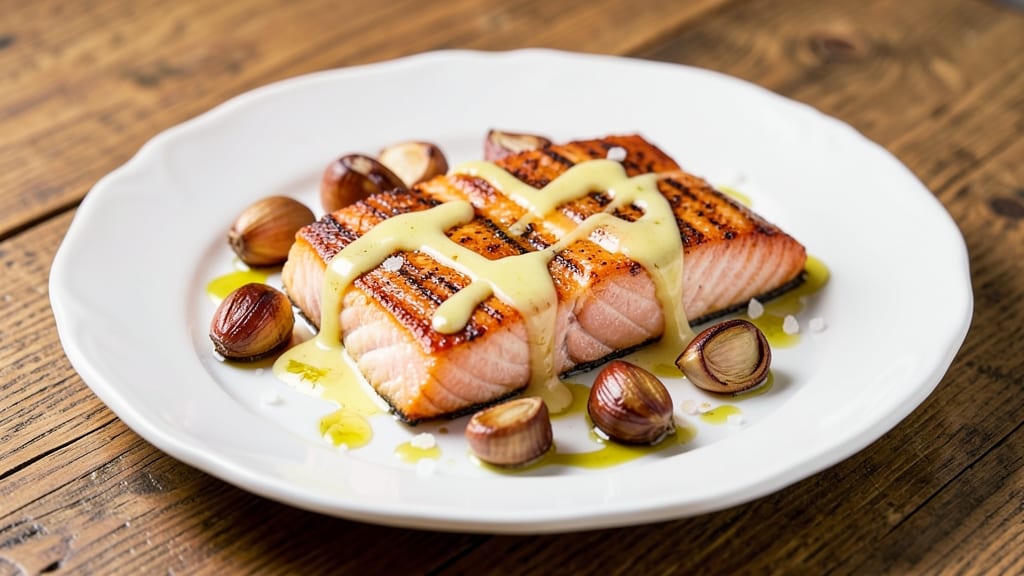
This easy yummy salmon recipe delivers restaurant-quality results with just 15 minutes of hands-on time and simple ingredients you likely already have. The secret lies in crispy skin and tender flesh, achieved through a precise pan-searing technique that transforms basic salmon into something extraordinary.
I developed this method after years of overcooking fish—now it's foolproof for beginners and seasoned cooks alike.
The magic happens when you start with cold salmon skin-side down in the pan, gradually building heat to render fat while keeping the center perfectly tender. A bright lemon-garlic sauce ties everything together, cutting through the richness with zesty acidity that makes every bite sing.
This isn't just another salmon recipe—it's the one that will change how you cook fish forever.
By the time you're done, you'll have salmon with shatteringly crispy skin and flaky, moist flesh that practically melts in your mouth. The lemon-garlic sauce adds a vibrant zing that balances the richness, creating a dish that's elegant enough for dinner parties but simple enough for weeknights.
The best part? Cleanup takes less than 5 minutes.
Serve with roasted asparagus or a fresh salad for a complete meal that feels special without requiring advanced skills. This recipe proves you don't need fancy techniques to create impressive results—just the right method and a little patience. Let's get cooking!
Ingredients for easy yummy salmon
Cold salmon, crispy skin, and zesty lemon-garlic sauce—just 11 ingredients for restaurant-worthy results.
| Ingredient | Amount | Notes |
|---|---|---|
| Center-Cut Salmon Fillets 🐟 | 1 ½ lb | Skin-on, 6-8 oz each fillet |
| Extra-Virgin Olive Oil 🫒 | 2 tbsp | High-quality, fruity variety |
| Unsalted Butter 🧈 | 2 tbsp | Cold, cut into small pieces |
| Garlic Cloves 🧄 | 4 cloves | Minced, fresh preferred |
| Fresh Lemon Juice 🍋 | 3 tbsp | From 1 medium lemon |
| Diamond Crystal Kosher Salt 🧂 | 1 ½ tsp | Fine grain preferred |
| Freshly Ground Black Pepper 🌶️ | ½ tsp | Coarsely ground |
| Fresh Parsley 🌿 | ¼ cup | Chopped, for garnish |
| Lemon Zest 🍋 | 1 tbsp | From 1 medium lemon |
| Dried Thyme 🌿 | ½ tsp | Or 1 tsp fresh thyme |
| Cold Water 💧 | ½ cup | For ice bath |
The salmon makes or breaks this dish. Center-cut fillets with skin are non-negotiable—the skin crisps perfectly and stays intact. Trader Joe's and Whole Foods sell the best pre-portioned fillets, but any grocery store's seafood counter will have them. Look for fillets with a vibrant pink color and minimal bruising. If you're buying whole salmon, ask for it to be filleted with the skin left on. The skin should be intact with no tears—this ensures crispiness. I always buy a pound and portion it myself for even cooking. Store any extra fillets in the fridge for up to 2 days or freeze for 2 months.
No fresh parsley? Fresh cilantro or chives work in a pinch, though parsley's bright flavor is ideal. Short on lemon juice? Lime juice at the same amount gives a similar tang. The butter is crucial—cold, cubed butter renders beautifully for crispy skin. No extra-virgin olive oil? Light olive oil works, but you'll lose some fruity depth. The thyme can be swapped for fresh thyme at double the amount, but dried is more convenient. For the garlic, garlic powder at half the amount is fine if fresh isn't available, though it lacks that fresh punch. Always zest your lemon fresh—bottled zest tastes like sawdust.
Prep the salmon just before cooking—cold fillets crisp better than room-temperature ones. The lemon zest and juice can be prepped ahead and stored in the fridge for 3 days. For extra crispiness, pat the salmon completely dry with paper towels before searing. The finished dish keeps well for 2 days in the fridge, though the skin loses crispiness after the first day. Reheat gently in a skillet with a splash of water to revive the texture. This reheats beautifully for lunches—just add a squeeze of fresh lemon when serving.
Why You'll Love This Recipe
- I swear by this combo: just five things—salmon, olive oil, butter, garlic, and lemon. No fancy pantry raids, no last-minute grocery runs. Honestly, I keep these staples stocked just for nights when I want flavor without the hassle.
- No-Fuss Ingredients: I swear by this combo: just five things—salmon, olive oil, butter, garlic, and lemon. No fancy pantry raids, no last-minute grocery runs. Honestly, I keep these staples stocked just for nights when I want flavor without the hassle.
- Crispy-Creamy Magic: That butter-garlic oil sear on the skin? Pure satisfaction. The outside gets golden and crunchy while the inside stays so tender it flakes with a fork. (Yes, even on a Tuesday night.)
- Leftover Reinvention: Cook once, enjoy twice. Pan-seared salmon reheats beautifully—toss it in a salad, mash it into toast, or wrap it in a tortilla. My kids beg for it the next day, and I don’t even have to pretend it’s “new.”
Step-by-step instructions for pan-seared lemon-garlic salmon
Here's how to get perfectly crispy salmon with a bright, zesty finish—no fancy skills required.
Prep the Salmon for Maximum Crispiness
Pat the center-cut salmon fillets completely dry with paper towels—this step is non-negotiable for crispy skin. I like to press firmly all over, even in the crevices, to remove any moisture that would steam the skin instead of crisping it. Season both sides generously with the 1.5 teaspoons diamond crystal kosher salt and 0.5 teaspoon freshly ground black pepper, pressing the seasoning into the flesh so it adheres evenly.
Let the seasoned fillets sit at room temperature for 15 minutes while you prep everything else. This short rest ensures even cooking from edge to center. I always use a timer for this so I don't forget—room temperature fish cooks more evenly than cold fish straight from the fridge.
Create the Perfect Searing Pan
Heat a large skillet over medium-high heat until it's properly preheated—you should see a slight shimmer when you sprinkle a drop of water that evaporates instantly. Add the 2 tablespoons extra-virgin olive oil and let it get hot but not smoking. Then add the 2 tablespoons cold unsalted butter cut into small pieces. The butter should foam and sizzle—this tells me the pan is ready for the salmon.
While the butter melts, add the 4 minced garlic cloves and 0.5 teaspoon dried thyme to the pan. Cook for 30 seconds until the garlic is fragrant but not browned—this prevents bitterness in your final dish. Remove the pan from heat and let the garlic butter cool slightly for 30 seconds before adding the salmon. This prevents potential burning when the cold fish hits the hot pan.
Sear the Salmon to Golden Perfection
Carefully place the salmon fillets in the skillet, skin-side down. Press down gently on each fillet with a metal spatula for 10 seconds to ensure full contact with the pan. Cook undisturbed for 4-5 minutes until the skin is deep golden brown and crispy—this is your visual cue that it's ready to flip. I know it's tempting to check early, but resist the urge. The skin needs that full contact time to develop proper crispiness.
Once the skin is beautifully browned, carefully flip each fillet and cook for another 3-4 minutes until the salmon reaches an internal temperature of 145°F. You'll see the flesh turn opaque and pull away from the bone slightly at the thickest part. Remove the salmon to a plate and tent loosely with aluminum foil to keep warm while you finish the sauce.
Finish with Bright Lemon-Garlic Zing
Return the skillet to medium heat and add the 3 tablespoons fresh lemon juice and 1 tablespoon lemon zest. Stir vigorously for 30 seconds to scrape up any browned bits from the bottom of the pan—these contain concentrated flavor. Let the mixture simmer for 1 minute until slightly reduced and fragrant.
Carefully pour this vibrant lemon-garlic sauce over the salmon fillets. Sprinkle with the 0.25 cup chopped fresh parsley and serve immediately. The skin should be beautifully crispy, the flesh tender and flaky, and each bite should burst with bright lemon and aromatic garlic flavors. This dish comes together in under 20 minutes but feels like a restaurant-quality meal.
Pro Tips For Making Easy Yummy Salmon
- Dry the Skin First: Pat those salmon fillets thoroughly with paper towels—especially the skin side—before hitting the pan. I learned this the hard way after my first batch slid around like a greased pig. A dry skin = crispy crust, not sad, soggy flakes. (Yes, even if you're impatient like me.)
- Melt Butter Slowly: Heat that unsalted butter over medium-low until it foams but doesn’t brown—about 2 minutes. After burning three batches, I finally figured out: rush it, and you’ll get bitter butter instead of golden, garlicky goodness. Let it melt gently, then add the salmon.
- Press with a Spoon: As the salmon cooks, press down gently with a fish spatula or spoon for the last 20 seconds. This flattens the fillet slightly, ensuring even cooking and that perfect medium doneness. (Your future self will thank you—trust me.)
- Zest Before Juicing: Grate the lemon zest first, then juice—toss it straight into the pan with the garlic. The zest adds bright, aromatic layers that disappear if you wait. I was skeptical until I tried it: the flavor pops in a way that just squeezing juice never does. (And yes, it’s worth the extra 30 seconds.)
Best sauces and condiments for these flavors
Classic Lemon-Garlic Sauce
The bright, zesty lemon-garlic sauce is the star of this dish, balancing the richness of the salmon with its tangy acidity. I use 3 tablespoons fresh lemon juice and 1 tablespoon lemon zest to create a vibrant finish that brightens every bite.
For extra depth, I scrape up all the browned bits from the pan—these contain concentrated flavor that transforms a simple sauce into something extraordinary. 🌟
Creamy Dill Sauce
For a creamy alternative, blend ½ cup sour cream, 2 tablespoons chopped fresh dill, 1 tablespoon lemon juice, and a pinch of salt until smooth. This sauce adds a cool, herby contrast to the crispy salmon and pairs beautifully with roasted potatoes.
I like to drizzle it over the finished dish just before serving to maintain its freshness.
Spicy Sriracha Mayo
Mix ¼ cup mayonnaise with 1 teaspoon Sriracha and ½ teaspoon lime juice for a bold, spicy kick. This sauce adds a fiery contrast to the delicate salmon, especially if you prefer a bit of heat.
I recommend using Duke's Sriracha for its balanced spice level—it won't overpower the dish but adds a nice zing. 🌶️
Honey-Mustard Glaze
Whisk together 2 tablespoons Dijon mustard, 1 tablespoon honey, and 1 tablespoon olive oil to create a sweet and tangy glaze. This sauce adds a sophisticated touch and works especially well with grilled salmon.
I drizzle it over the fillets just before serving to let the flavors meld. For extra shine, add a splash of apple cider vinegar.
Garlic-Herb Butter
Instead of a sauce, melt 2 tablespoons butter with 1 minced garlic clove, 1 teaspoon chopped parsley, and a pinch of salt. Spoon this fragrant butter over the finished salmon for a rich, aromatic finish.
I love this option for its simplicity and how it enhances the natural flavors of the fish without overpowering them.
Miso-Ginger Sauce
For an umami-rich twist, combine 1 tablespoon white miso paste, 1 tablespoon soy sauce, 1 teaspoon grated ginger, and 1 teaspoon honey. Thin with 1 tablespoon water and simmer for 2 minutes to blend the flavors.
This sauce adds depth and pairs wonderfully with the crispy salmon, especially if you enjoy Asian-inspired flavors. 💫
Nutrition facts
Frequently asked questions
Can I use frozen salmon for this recipe?
Thaw frozen salmon in the refrigerator overnight for best results. Place the fillet in a sealed bag and submerge it in cold water, changing the water every 30 minutes for faster thawing. Never thaw salmon at room temperature—this creates dangerous bacteria growth. Once thawed, pat it completely dry before seasoning to ensure crispy skin.
What if my salmon skin doesn't get crispy?
This usually happens when the pan isn't hot enough or the salmon isn't dry. First, make sure your skillet is properly preheated—it should shimmer when you sprinkle water. Second, pat the salmon completely dry with paper towels, even pressing between the folds. For extra insurance, let the salmon sit at room temperature for 15 minutes before cooking. If it still doesn't crisp, try using a nonstick skillet with a little more oil.
How do I know when salmon is fully cooked?
Salmon is done when it reaches an internal temperature of 145°F and the flesh turns opaque, pulling away from the bone slightly. For skin-on fillets, the skin should be deep golden brown and crispy. A good rule of thumb is to cook it for 4-5 minutes per side for 6-8 oz fillets. Using a meat thermometer is the most reliable method—insert it into the thickest part of the fillet.
Can I make this recipe ahead of time?
The crispy skin is best enjoyed immediately, but you can prep components ahead. Season and refrigerate the salmon for up to 4 hours before cooking. For the sauce, mix the lemon juice, zest, and garlic butter ahead and store in the fridge for 2 days. Reheat gently in a skillet with a splash of water to revive the texture. The sauce can be made 1 day in advance and stored separately.
What are the best sides to serve with this salmon?
This crispy salmon pairs beautifully with light, fresh sides that complement its rich flavors. Try roasted asparagus with lemon zest, a simple arugula salad with balsamic glaze, or garlic mashed potatoes. For something quick, serve with quinoa or a vibrant Mediterranean couscous. The bright acidity in the sauce also works wonderfully with steamed green beans or roasted Brussels sprouts.