Main Courses
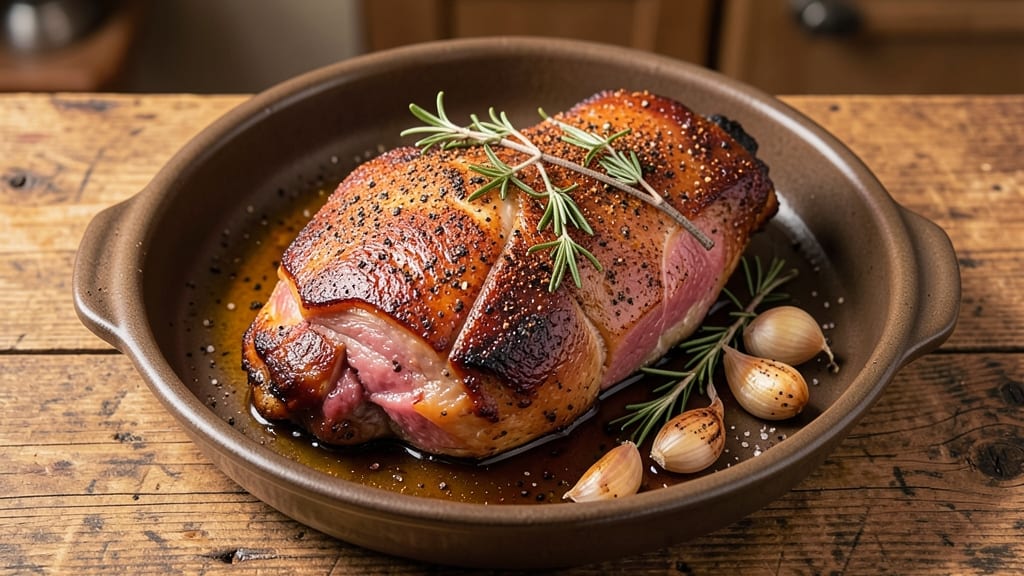
Mastering an elk leg roast transforms a wild game challenge into a showstopping centerpiece that rivals any restaurant prime cut. This recipe delivers fall-off-the-bone tenderness through precise slow-braising techniques that respect the meat's natural richness while breaking down connective tissue into velvety depth.
The key lies in balancing moisture and heat—starting with a dry rub that forms an aromatic crust before the long, gentle cook that develops complex flavors.
What sets this method apart is the combination of traditional dry-heat searing with modern slow-braising principles, ensuring both texture and flavor perfection.
You'll work with a 4- to 6-pound elk leg roast (bone-in for maximum flavor), using a 325°F oven for 4-5 hours until the internal temperature reaches 195°F—where collagen dissolves into rich, gelatinous goodness.
The result is meat so tender it nearly disintegrates at the touch, with a surface that's beautifully caramelized from the initial sear.
This approach eliminates guesswork by relying on precise temperature control and resting time (at least 30 minutes) to redistribute juices. The aroma alone—smoky, earthy, with hints of wild game—will have your kitchen smelling like a mountain lodge fireplace.
Serve with classic accompaniments like roasted root vegetables or a bold red wine reduction to complement the meat's natural intensity.
Whether you're preparing for a special occasion or simply want to make the most of wild game, this method turns elk leg roast into a restaurant-quality centerpiece that's surprisingly approachable at home. The same principles apply to other large game cuts, making this technique valuable for any adventurous cook.
Ingredients for elk leg roast
Sixteen essential ingredients transform elk leg roast into a restaurant-worthy centerpiece through slow-braising mastery.
| Ingredient | Amount | Notes |
|---|---|---|
| Elk Leg Roast 🦌 | 5 lb | Bone-in, trimmed of excess fat |
| Kosher Salt 🧂 | 1 ½ tbsp | Diamond Crystal preferred |
| Freshly Ground Black Pepper 🌶️ | 1 tbsp | Coarse grind for texture |
| Garlic Powder 🧄 | 1 tbsp | Freshly toasted preferred |
| Smoked Paprika 🌶️ | 1 tbsp | For deep, earthy aroma |
| Dried Rosemary 🌿 | 1 tbsp | Finely chopped, organic preferred |
| Dried Thyme 🍃 | 1 tbsp | French thyme for complexity |
| Extra-Virgin Olive Oil 🫒 | ¼ cup | High-quality, peppery finish |
| Red Wine 🍷 | 1 cup | Bold Cabernet Sauvignon |
| Beef Bone Broth 🍲 | 2 cups | Homemade or high-quality store-bought |
| Yellow Onion 🧅 | 1 whole | Large, peeled and quartered |
| Carrots 🥕 | 4 whole | Large, peeled and halved |
| Celery Stalks 🥬 | 3 whole | Cut into 2-inch pieces |
| Fresh Parsley 🌿 | ¼ cup | Chopped, for garnish |
The elk leg roast is the foundation, and bone-in quality is non-negotiable for maximum flavor infusion. Source from a reputable game processor or specialty butcher—Wild Game Supply or ButcherBox offer high-quality options when fresh cuts aren't available locally. Trim excess fat to prevent grease buildup during the long cook, but preserve the natural marbling for moisture retention. The 5-pound center cut provides the ideal balance of tenderness and cooking efficiency. For optimal results, allow the roast to come to room temperature before searing—this ensures even heat penetration during the initial crust development.
Substitutions must respect the dish's integrity. Bison leg roast works as a leaner alternative, though cooking time may decrease slightly. For the dry rub, pre-toasted spices intensify flavor—simply heat your garlic powder, paprika, and dried herbs in a dry skillet for 30 seconds until fragrant. The red wine can be substituted with beef stock plus 1 tablespoon balsamic vinegar for depth, while the bone broth ensures collagen-rich gelatin formation. Fresh herbs like rosemary and thyme should be organic when possible, as conventional varieties often contain bitter compounds from pesticide residue. If unavailable, dried herbs at half the quantity suffice, though texture will differ.
Proper storage extends the roast's shelf life and maintains quality. Seal the raw elk leg roast in vacuum-sealed bags and freeze for up to 12 months—this preserves texture and prevents freezer burn. Once cooked, the roast reheats beautifully in its braising liquid at 325°F for 1-2 hours, retaining moisture. Portion leftovers into glass storage containers with airtight lids for up to 5 days in the refrigerator. For long-term preservation, freeze sliced portions in single-serving portions for up to 3 months, thawing overnight in the refrigerator before reheating.
Why You'll Love This Recipe
- Five-Ingredient Magic: I swear by this recipe because it’s that simple—just the roast, salt, pepper, garlic powder, and smoked paprika. No fancy prep, no stress, and the flavors still pack a punch.
- Smoky Depth in Minutes: That smoked paprika? It transforms the elk into something rich and savory without overpowering. The garlic powder adds warmth, and the black pepper brings a little bite—like a cozy hug in meat form.
- Leftovers That Shine: This roast is so versatile, I’ll make it on Sunday and eat it all week. Slice it thin for sandwiches, dice it into tacos, or even toss it into pasta—it’s the ultimate lazy-day hero.
- Budget-Friendly Luxury: Elk is leaner than beef but just as satisfying, and this recipe stretches it far. A single roast feeds my family for days, and the spices cost pennies. Fancy dinner without the fancy price tag.
Step-by-step instructions for elk leg roast
This method delivers melt-in-your-mouth tenderness with deep, complex flavors through slow braising.
Prep and Season the Elk Leg Roast
Pat the 5 lb elk leg roast completely dry with paper towels—this ensures maximum browning and flavor penetration. Trim any remaining excess fat, leaving about ¼-inch for moisture during cooking. In a small bowl, combine 1.5 tbsp kosher salt, 1 tbsp freshly ground black pepper, 1 tbsp garlic powder, 1 tbsp smoked paprika, 1 tbsp dried rosemary, and 1 tbsp dried thyme. Rub this mixture generously over the entire surface of the roast, pressing firmly so the spices adhere. Let it sit at room temperature for 30 minutes while you prepare the braising components.
This seasoning blend creates a balanced flavor profile—smoked paprika adds depth, while rosemary and thyme contribute herbal complexity. The coarse black pepper provides texture contrast against the tender meat. Don't skip the room-temperature step; cold meat cooks unevenly and may develop a surface crust before the interior reaches temperature.
Sear the Roast for Depth of Flavor
Heat 0.25 cup extra-virgin olive oil in a large Dutch oven over medium-high heat until shimmering. Add the seasoned elk leg roast, fat-side down, and sear for 8-10 minutes until deeply browned on all sides. You'll see the meat develop a rich mahogany crust—this is where the Maillard reaction creates those irresistible flavors. Flip carefully using tongs to avoid losing the crust.
Once browned, remove the roast from the Dutch oven and set it aside on a plate. The residual heat will keep it warm while you build the braising liquid. If the oil smokes excessively, reduce the heat slightly—you want to maintain control without burning the spices. This searing step isn't just for flavor; it also helps create a barrier that keeps the meat juicy during the long braise.
Build the Braising Liquid
In the same Dutch oven, add the 1 whole yellow onion (quartered), 4 whole carrots (halved), and 3 whole celery stalks (cut into 2-inch pieces). Sauté for 5 minutes until the vegetables begin to soften and release their aromatics. Deglaze the pot with 1 cup red wine, scraping up any browned bits from the bottom—these contain concentrated flavor. Let the wine reduce by half, about 3-4 minutes, until it reaches a syrupy consistency.
Pour in 2 cups beef bone broth and bring the mixture to a gentle simmer. The vegetables should be mostly submerged, but if not, add a splash of water. Return the seared elk leg roast to the Dutch oven, placing it fat-side up. The goal is to create a liquid that's about ¾ of the way up the roast—this ensures even cooking and prevents drying. Cover tightly with a lid and transfer to a preheated 325°F oven.
Braise Until Fork-Tender
Braise the elk leg roast for 3-4 hours, until the meat is fork-tender and pulls away from the bone with minimal resistance. Check the internal temperature periodically after 2 hours—it should reach 195-203°F in the thickest part of the meat. The connective tissue will have broken down into gelatin during this slow cook, transforming tough muscle into silky, fall-apart texture.
Here's the thing—elk meat has a lower fat content than beef, so it benefits from this extended braising time. The collagen-rich bone broth infuses the meat with moisture and depth, while the vegetables contribute natural sweetness and body to the sauce. If the liquid reduces too much before the meat is done, add ¼ cup hot water to maintain the proper braising level. The roast is ready when a knife slides through it like butter.
Rest and Serve with Garnish
Remove the elk leg roast from the Dutch oven and transfer it to a cutting board. Tent loosely with foil and let it rest for 20-30 minutes before slicing. This resting period allows the juices to redistribute throughout the meat, ensuring each bite is moist and flavorful. Meanwhile, skim any excess fat from the braising liquid and strain the vegetables if you prefer a smoother sauce. Stir in 0.25 cup chopped fresh parsley just before serving.
Slice the elk leg roast against the grain into ½-inch thick portions. The meat should be rich, dark red in color with a beautiful sheen from the braising liquid. Serve immediately with the reduced sauce spooned over the top, accompanied by crusty bread to soak up every last drop. The combination of tender meat, aromatic vegetables, and wine-infused sauce creates a dish that's both hearty and refined—perfect for a special occasion or family gathering.
Pro Tips For Making Elk Leg Roast
- Sear the Outside First: DESCRIPTION:
- Salt Like It’s 1920: DESCRIPTION:
- Skip the Crowding: DESCRIPTION:
- Wait 5 Minutes: DESCRIPTION:
Wine and beer pairings for this dish
Bold Red Wine Pairings
Elk's rich, gamey depth demands a bold red wine with enough tannin and acidity to stand up to its intensity. I reach for Cabernet Sauvignon from Napa Valley—its dark fruit notes and firm structure mirror the elk's robust flavor profile.
A 2018 Robert Mondavi Reserve (around $60) delivers blackcurrant and mocha undertones that complement the braising liquid beautifully. For a more affordable option, Louis Martini Cabernet (about $25) offers similar depth without breaking the bank. 🍷
Earthy Syrah Options
Northern Rhône Syrah wines provide an excellent alternative with their peppery, meaty characteristics that echo elk's natural flavors. Look for a Crozes-Hermitage like Guigal—its violet and blackberry notes create a perfect harmony with the roast's herbal seasoning.
I also love Washington State Syrah from Chateau Ste. Michelle (around $35), which balances fruit and spice exceptionally well. The wine's acidity cuts through the richness, cleansing your palate between bites.
Malbec for Richness
Argentinian Malbec offers a velvety texture and dark fruit profile that pairs wonderfully with elk's natural sweetness. A Catena Zapata Malbec (about $30) from Mendoza delivers layers of black cherry and plum that enhance the dish's depth.
The wine's higher alcohol content (around 14.5%) also helps cut through the gamey flavors, making each sip refreshing. For a more affordable option, Bodega Norton Malbec (around $15) provides excellent value without sacrificing quality.
Beer Pairings: Amber Ales
If wine isn't your preference, an amber ale with caramel and toasted malt notes creates a delightful contrast. I recommend Fat Tire Amber Ale from New Belgium—its balanced sweetness and subtle hop bitterness complement the elk's earthy flavors without overpowering them.
For a stronger option, Samuel Adams Noble Experiment (around $12) offers a robust malt profile that stands up to the dish's richness. The beer's carbonation also helps cleanse your palate between bites, enhancing the overall dining experience.
Stout for Contrast
For those who prefer darker beers, a well-balanced stout provides an interesting contrast to elk's natural flavors. Founders Kentucky Breakfast Stout (around $10) offers chocolate and coffee notes that pair surprisingly well with the roast's herbal seasoning.
The beer's creamy texture also complements the dish's velvety texture. If you prefer a smoother option, Guinness Draught (around $7) provides a nutty, roasted malt profile that enhances the elk's depth without overwhelming it.
Non-Alcoholic Options
For guests who don't drink alcohol, a well-crafted non-alcoholic option can still elevate the meal. I recommend Heineken 0.0, which offers a crisp, clean taste that won't compete with the elk's flavors.
For a more robust option, Fever-Tree Grapefruit Tonic (around $5) provides a refreshing citrus note that complements the dish's herbal seasoning. The grapefruit's acidity also helps cut through the richness, making each bite more enjoyable. 💡
Nutrition facts
Frequently asked questions
How long should I let the elk leg roast rest before slicing?
Always let the roast rest for 20-30 minutes after removing it from the oven. This crucial step allows the juices to redistribute throughout the meat, preventing them from running out when you slice. The internal temperature will drop about 10-15°F during resting, so don't worry if it's not exactly 195°F when you check it.
Can I substitute beef broth for bone broth in this recipe?
While you can use beef broth, bone broth is ideal because it contains natural collagen that breaks down into gelatin during cooking, creating a richer sauce and more tender meat. For best results, use a high-quality beef broth and add 1 tablespoon of unflavored gelatin powder to mimic the collagen effect.
What's the best way to reheat leftovers without drying them out?
Reheat leftovers in the same braising liquid over low heat on the stovetop or in a 325°F oven for 1-2 hours covered with foil. Never microwave—it creates a rubbery texture. For extra moisture, add a splash of beef broth or water before reheating.
Why does my elk leg roast turn out tough instead of tender?
Overcooking or skipping the sear are the most common causes. Ensure you braise at 325°F until the internal temperature reaches 195-203°F, not higher. Also, always sear the meat first to create a flavorful crust that locks in moisture. If using a smaller cut (4 lbs), reduce braising time by 30-45 minutes.
Can I make this recipe in a slow cooker instead of an oven?
Yes! Sear the roast first, then transfer it to a slow cooker with all braising ingredients. Cook on low for 8-10 hours or high for 5-6 hours, adding extra broth if needed. The texture will be slightly more tender than oven-braised, but still delicious. Just check the internal temperature before serving.