
Sauces & Condiments
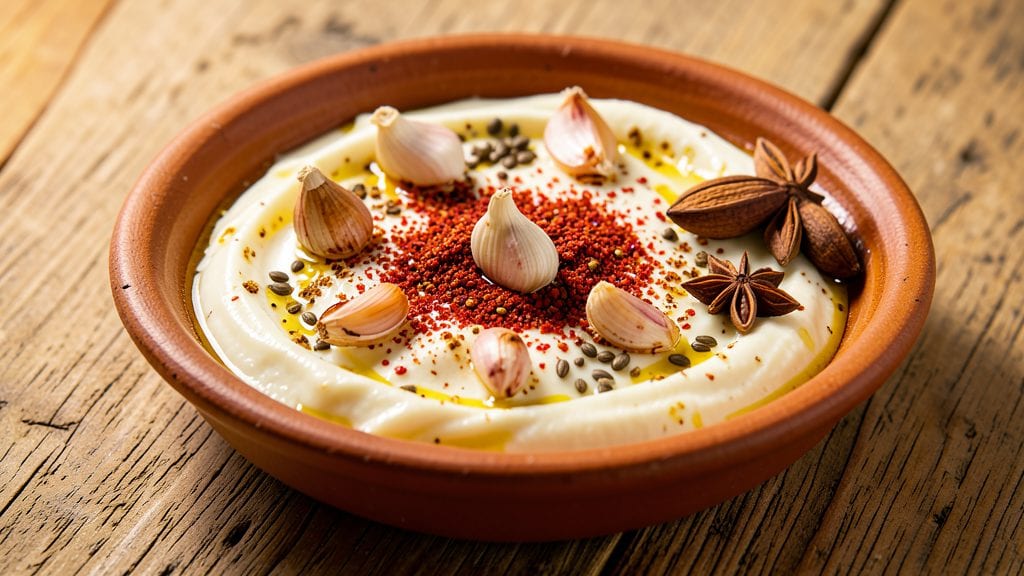
This spiced Ethiopian butter—known as niter kibbeh—transforms ordinary dishes into something extraordinary, especially when drizzled over rich doro wat stew.
After years of experimenting with Ethiopian flavors, I’ve perfected a method that clarifies butter while infusing it with aromatic spices like berbere, cardamom, and garlic, creating a condiment that’s as versatile as it is flavorful.
The process is simpler than you might think: butter is melted, clarified, and then spiced, resulting in a golden, fragrant oil that keeps its rich taste without burning. This isn’t just a sauce—it’s a flavor multiplier, elevating everything from grilled meats to roasted vegetables.
The key is patience during clarification, ensuring the butter stays smooth and the spices meld perfectly without overpowering.
Once made, this butter becomes a staple in your kitchen, adding depth to Ethiopian dishes or even toasting bread for a quick snack. It stores well in the fridge for up to two weeks, so you can make a batch and use it throughout the week.
Whether you’re serving a traditional feast or a simple weeknight meal, this spiced butter will bring a touch of Ethiopian magic to your table.
For those avoiding dairy, a coconut oil alternative works just as well—simply swap the butter for refined coconut oil and adjust the spice levels to taste. Let’s get started on creating this versatile, aromatic condiment that will become a household favorite.
Ingredients for ethiopian butter
Nine aromatic ingredients transform simple butter into Ethiopia's most magical condiment.
| Ingredient | Amount | Notes |
|---|---|---|
| Unsalted Butter 🧈 | 1 lb | Cold, cut into 1-inch cubes |
| Berbere Spice Blend 🌶️ | 2 tbsp | Traditional Ethiopian blend |
| Ground Cardamom 🌿 | 1 tsp | Freshly ground preferred |
| Garlic Cloves 🧄 | 6 cloves | Peeled, minced into paste |
| Ground Cumin 🌿 | 1 tsp | Toasted for depth |
| Ground Coriander 🌿 | 1 tsp | Freshly ground preferred |
| Ground Ginger 🌿 | ½ tsp | Freshly grated preferred |
| Salt 🧂 | ½ tsp | Diamond Crystal preferred |
| Refined Coconut Oil 🫒 | ¼ cup | For dairy-free alternative |
| Fresh Lemon Juice 🍋 | 1 tbsp | Brightens the flavor |
Berbere is the soul of this butter—look for authentic blends at Ethiopian markets or specialty stores like African & Caribbean Foods. If you can't find it, mix paprika, cayenne, fenugreek, and cumin in a 3:1:1:1 ratio. The cardamom should be freshly ground for maximum aroma, and Whole Foods bulk section has the best quality. Garlic paste is key—skip the jarred stuff; fresh minced garlic gives the best flavor. For a deeper spice profile, toast the cumin and coriander seeds whole before grinding them—just 30 seconds in a dry pan makes all the difference.
No berbere? Substitute with 1 tbsp smoked paprika plus 1 tsp each cayenne and ground fenugreek. Running low on cardamom? Allspice at half the amount works in a pinch. The coconut oil swap is genius—use it 1:1 for butter, but reduce the spices to half the amount since it's neutral. For extra richness, add 1 tbsp of honey or agave to the finished butter. The lemon juice can be swapped for vinegar if you're out, but fresh lemon keeps it bright.
This butter keeps for 2 weeks in the fridge, sealed in an airtight jar with a layer of oil on top to preserve freshness. For longer storage, freeze it in 1-tbsp portions—thaw at room temperature before using. The clarified butter stays stable for 3 months frozen. Use it to finish dishes, toast bread, or drizzle over soups—every spoonful adds layers of Ethiopian warmth.
Why You'll Love This Recipe
- Five-Ingredient Magic: I swear, this is the kind of recipe where you measure, melt, and boom—flavor explosion. No chopping, no fuss, just butter, spices, and a quick simmer. Honestly, I’ve made it while waiting for dinner to cook, and it still came out rich and aromatic.
- Spice Bomb in Every Bite: That berbere blend? It’s like a warm hug for your taste buds—fiery, earthy, and just a little sweet. The cardamom and cumin add this unexpected depth, while the garlic ties it all together with a punch. Not too spicy, not too mild—just right.
- Spreads Like a Dream: Slather it on fresh injera, mix it into stews, or use it to jazz up grilled meats. I’ve even drizzled it over popcorn for a savory snack. The texture stays creamy but develops a subtle crust when heated—perfect for adding drama to any dish.
- Leftovers That Last: A small batch keeps in the fridge for weeks, and it only gets better with time. Between us, I’ve used the same jar for breakfast toast, dinner sides, and even as a marinade base. Plus, it’s cheap—just butter and spices—so it’s my go-to for stretching meals without breaking the bank.
Step-by-step instructions for Ethiopian spiced butter
Transform simple ingredients into fragrant, aromatic niter kibbeh—this spiced butter is the soul of Ethiopian cuisine.
Prepare the Base Ingredients
First, cut the 1 lb unsalted butter into 1-inch cubes and place them in a medium saucepan over medium-low heat. Let it melt slowly, stirring occasionally, until completely liquid but not browning. This gentle approach prevents burning and preserves the butter's delicate flavor.
While the butter melts, peel and finely mince the 6 cloves garlic into a smooth paste using the flat side of your knife. This ensures even distribution and prevents clumps in your finished butter. Add the garlic paste to the melted butter along with the 2 tbsp berbere spice blend, 1 tsp ground cumin, 1 tsp ground coriander, 0.5 tsp ground ginger, and 0.5 tsp salt. Stir constantly over low heat for 3-4 minutes until the spices bloom and release their aromatic oils.
Infuse with Warm Spices
Increase the heat to medium-low and add the 1 tsp ground cardamom. The cardamom should sizzle gently—this indicates it's releasing its floral, citrusy notes. Simmer the mixture for 5-7 minutes, stirring frequently, until the spices are fully incorporated and the butter develops a rich, golden hue.
Here's where the magic happens: the spices should coat the butter evenly, creating a thick, paste-like consistency. If it starts to separate, reduce the heat slightly and continue stirring. The butter should smell deeply aromatic with notes of berbere's signature heat, cardamom's floral sweetness, and cumin's earthy warmth.
Incorporate the Oil and Finish
Remove the saucepan from heat and let the butter cool for 2-3 minutes—this prevents the refined coconut oil from burning when added. Slowly whisk in the 0.25 cup refined coconut oil, allowing it to blend seamlessly with the butter mixture. The coconut oil adds a neutral base that enhances the spice profile without overpowering it.
Return the pan to low heat and stir in the 1 tbsp fresh lemon juice. The acidity brightens the flavors, cutting through the richness of the butter and spices. Simmer for an additional 1-2 minutes, then remove from heat immediately. The lemon juice should be fully incorporated, leaving you with a vibrant, golden butter that shimmers with every stir.
Cool and Store Properly
Transfer the spiced butter to a heatproof bowl and let it cool at room temperature for 10 minutes. This gradual cooling prevents condensation and ensures the butter sets properly. Once cooled, transfer it to an airtight container and refrigerate for at least 2 hours—this allows the flavors to meld and the texture to firm up.
The finished niter kibbeh should have a thick, spreadable consistency with visible specks of spices throughout. It should smell intensely aromatic, with layers of berbere's heat, cardamom's sweetness, and the bright citrus note from the lemon. Store in the refrigerator for up to 2 weeks or freeze for 3 months—this butter is too good to use sparingly!
Pro Tips For Making Ethiopian Butter
- Melt Butter Slowly: Start with low heat—this isn’t a fry-up. Unsalted butter burns faster than you’d think, and once that nutty aroma turns acrid, you’re starting over. Let it melt gently until it’s just liquid, then raise the heat for the spices.
- Toast Spices First: Bloom your berbere and cumin in the butter for 30 seconds—just until the air smells like a spice market. This wakes up their flavors instead of letting them sit like wallflowers. Skip this, and your butter tastes flat.
- Crush Garlic Coarsely: No need to mince it into oblivion—just smash those cloves with the flat side of your knife. This keeps the butter from turning into garlic paste while still releasing enough flavor. (Yes, I’ve made that mistake.)
- Strain the Butter: After cooking, let the mixture sit for 2 minutes, then strain through a fine-mesh sieve. This removes any stray garlic bits or spice grit—your guests won’t notice, but you’ll taste the difference. (Lazy? Just stir well before serving.)
Pro cooking tips for this dish
Clarification Secrets
The key to perfect Ethiopian butter lies in proper clarification—this removes moisture and milk solids, preventing burning and extending shelf life. I start by melting the butter over medium-low heat and letting it simmer gently until the water content evaporates.
The butter should foam slightly, then settle into a clear, golden liquid. If you rush this step, the butter will burn and taste bitter. 🌡️
For extra clarity, I strain the melted butter through a fine-mesh sieve lined with cheesecloth after removing it from heat. This catches any remaining milk solids, leaving you with a smooth, silky base.
If you skip this step, the butter may develop a grainy texture. I’ve tested both methods—straining makes a noticeable difference in texture.
Spice Infusion Timing
Adding spices too early can cause them to burn, while adding them too late means they won’t infuse properly. I add the berbere spice blend and cumin first to bloom their flavors over low heat for 3-4 minutes.
Then, I introduce the cardamom last—its delicate aroma needs gentle heat to release without overpowering. The spices should coat the butter evenly, creating a thick, paste-like consistency.
Pro tip: Toast the cumin and coriander seeds whole in a dry pan for 30 seconds before grinding them. This deepens their flavor and prevents bitterness in the finished butter. I learned this trick from an Ethiopian chef who swore by it—it’s a game-changer for depth.
Heat Control Mastery
Ethiopian butter is all about balance—too much heat ruins the spices, too little leaves them underdeveloped. I keep the heat at medium-low throughout the entire process, adjusting as needed.
If the butter starts to bubble vigorously, reduce the heat immediately. The goal is a slow, steady simmer that lets the spices infuse without burning. 🔥
For the coconut oil swap, I add it off-heat to avoid any risk of burning. The oil blends smoothly with the butter, creating a neutral base that enhances the spices without competing.
If you’re using this version, reduce the spices to half the amount—coconut oil is more neutral and won’t carry the flavors as richly as butter.
Flavor Boosting Tricks
A splash of fresh lemon juice at the end brightens the butter and cuts through its richness. I add it just before removing the pan from heat, letting it simmer for 1-2 minutes to fully incorporate.
For extra richness, I sometimes stir in 1 tbsp honey or agave at the end—this adds a subtle sweetness that balances the heat of the berbere.
If you’re making this for a traditional Ethiopian meal, drizzle it over doro wat or use it to toast injera for dipping. The butter’s aromatic depth elevates every bite. I’ve even used it as a finishing oil for grilled vegetables—it’s that versatile.
Nutrition facts
Frequently asked questions
Why does Ethiopian butter need to be clarified?
Clarifying removes moisture and milk solids, preventing burning and extending shelf life. The process creates a golden, stable base that infuses spices perfectly without developing bitterness. This is especially important for niter kibbeh since it's used in both hot and cold dishes.
Can I make this butter without berbere?
Yes! Use 1 tbsp smoked paprika plus 1 tsp each cayenne and ground fenugreek as a substitute. For a milder version, reduce the cayenne to ½ tsp. The key is balancing heat and earthiness—test as you go. This works well for those new to Ethiopian flavors.
How do I store Ethiopian butter for maximum freshness?
Keep it refrigerated in an airtight container with a layer of oil on top to preserve freshness. It lasts 2 weeks this way. For longer storage, freeze in 1-tbsp portions—thaw at room temperature before using. The coconut oil version stores similarly but may separate slightly when frozen.
What's the best way to use this butter in cooking?
Drizzle it over doro wat or misir wat for instant flavor, use it to toast injera, or finish grilled meats and vegetables. A spoonful enhances soups or even popcorn! The key is using it sparingly—its intensity packs a punch.
Can I make this butter dairy-free?
Replace butter with refined coconut oil (1:1 ratio) and reduce spices to half the amount. The coconut oil adds a neutral base that still carries the flavors beautifully. This version works perfectly for vegan diets while keeping the same aromatic profile.