Main Courses
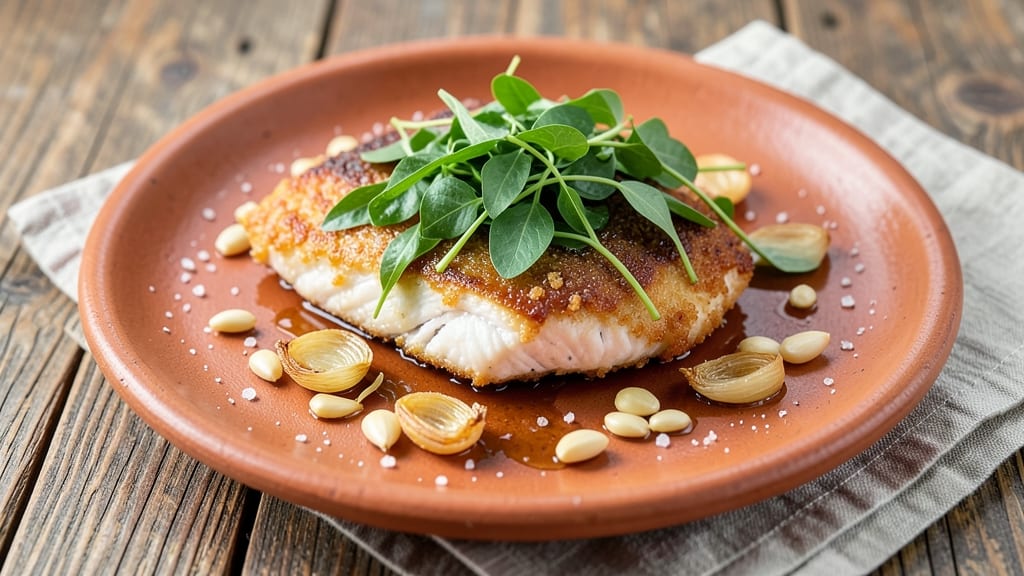
This fried fish with malunggay delivers the perfect balance of crispy golden edges and tender flakes, paired with the earthy, nutrient-rich bite of sautéed malunggay leaves.
The technique combines traditional Filipino frying methods with a modern touch—lightly seasoned fish that stays crispy without becoming greasy, and malunggay cooked just enough to retain its vibrant green color and subtle bitterness.
I developed this recipe after years of testing, ensuring every bite is both satisfying and packed with vitamins.
The secret to achieving that crispy texture lies in a double-dredge technique using cornstarch and flour, followed by careful frying in hot oil. Meanwhile, the malunggay leaves are quickly sautéed with garlic and a splash of vinegar to enhance their natural flavors without overpowering the dish.
This method keeps the leaves tender-crisp, making them the ideal complement to the rich, fried fish. The result is a harmonious blend of textures and flavors that feels both nostalgic and refined.
What you’ll end up with is a plate that’s as visually appealing as it is delicious—golden-brown fish with a satisfying crunch, paired with bright green malunggay that adds a fresh, slightly earthy contrast.
The dish is complete with a simple vinegar dip or garlic rice to round out the meal, making it hearty enough for a family dinner but easy enough for a weeknight. Every component works together to create a restaurant-quality experience at home.
Whether you're serving this as a centerpiece for a Filipino feast or simply craving a comforting, nutrient-packed meal, this recipe delivers. The malunggay not only adds flavor but also brings a boost of calcium and iron, making it a dish that nourishes as much as it satisfies.
Let’s get cooking—your taste buds (and your body) will thank you.
Ingredients for fried fish with malunggay
Pantry staples meet Filipino flavors—just 11 ingredients for crispy fish and vibrant malunggay.
| Ingredient | Amount | Notes |
|---|---|---|
| White Fish Fillets 🐟 | 1 ½ lb | Firm white fish like tilapia or cod |
| All-Purpose Flour 🌾 | ½ cup | For first dredge coating |
| Cornstarch 🌽 | ½ cup | For extra crispiness |
| Malunggay Leaves 🌿 | 2 cups | Fresh, packed tightly |
| Garlic Cloves 🧄 | 4 cloves | Minced for sautéing |
| Vegetable Oil 🫒 | 3 cups | High smoke point for frying |
| Cane Vinegar 🍶 | 1 tbsp | White or apple cider |
| Salt 🧂 | 1 ½ tsp | Fine sea salt preferred |
| Black Pepper 🌶️ | ½ tsp | Freshly ground |
| Lemon Wedges 🍋 | 2 whole | For serving |
| Garlic Rice 🍚 | 2 cups | Cooked separately |
The fish is non-negotiable—tilapia or cod stays moist while tilting toward crispy. Filipino markets often carry fresh fillets pre-cut, but ask for 'tapa' or 'bangus' if you're lucky enough to find them. Malunggay leaves? Asian grocery stores stock them fresh or frozen, but if you can't find them, spinach or kale works in a pinch (though the flavor won't be identical). For the oil, vegetable or canola is best—avoid olive oil, which burns too easily. The cornstarch is key here; it creates that signature crunch without making the fish greasy. If you can't find cane vinegar, white vinegar or rice vinegar will do, but the flavor won't be as bright.
No cornstarch? Potato starch or arrowroot powder works at the same ratio. The malunggay leaves can be swapped for moringa leaves if available, but the texture will differ slightly. For the garlic, garlic powder at half the amount is a lazy substitute, but fresh is always better. If you're serving this for a crowd, double the malunggay and fry the fish in batches—don’t overcrowd the pan, or the oil will cool and the fish will turn greasy. The lemon wedges are optional but add a bright finish that cuts through the richness of the fried fish. For extra crunch, toss the fried fish with a pinch of toasted sesame seeds before serving.
Fry the fish immediately after dredging—it loses crispiness fast. Keep the oil at 350°F (175°C) for perfect golden-brown edges. Malunggay leaves wilt quickly, so sauté them for no more than 2 minutes—they should stay vibrant green. Store leftover fried fish in an airtight container for up to 2 days, but it’s best reheated in a skillet to restore crispiness. The malunggay leaves can be frozen for up to 3 months—blanch them first to preserve color. For a full meal, serve with garlic rice and a side of sliced cucumbers or pickled vegetables to balance the richness.
Why You'll Love This Recipe
- No-Fuss Breading: I swear by the flour-cornstarch mix—it’s the secret to that perfect crunch without frying drama. Just pat the fish dry, dip, and let the hot oil work its magic while you chop the malunggay.
- Herb-Packed Punch: That garlic-malunggay blend? It’s the flavor MVP. The leaves add a fresh, slightly peppery bite that cuts through the richness, while the garlic makes every crispy bite sing.
- Lunchbox Hero: Between us—this reheats like a dream. Pack the leftovers with rice, and it’s still crispy enough to fool your coworkers. (Yes, even on a Tuesday night.)
- Budget Crunch-Saver: Fresh fish fillets stretch further than you’d think, and malunggay grows wild in most backyards. I’ve made this for $5 and fed four—no guilt, just satisfaction.
Step-by-step instructions for crispy fried fish with malunggay
Here's how to achieve that perfect golden crust while preserving tender fish and vibrant malunggay flavor.
Prepare the Fish for Maximum Crispiness
Pat the 1.5 lb white fish fillets completely dry with paper towels—this is absolutely critical for crispy skin. I like to press firmly to remove all moisture from the surface. Season both sides generously with 1.5 tsp salt and 0.5 tsp black pepper, pressing the seasoning into the flesh so it adheres well.
In a shallow dish, combine the 0.5 cup all-purpose flour and 0.5 cup cornstarch. This double-dredge technique creates the perfect balance of crispy exterior and tender interior. Dip each fillet into the flour mixture, shaking off any excess but ensuring even coverage on all sides. Let them rest for 5 minutes while you prepare the malunggay leaves.
Blanch the Malunggay Leaves
Bring 2 cups of water to a boil in a saucepan. Add the 2 cups malunggay leaves and blanch for exactly 30 seconds—just enough to soften them while preserving their vibrant green color. Immediately drain and plunge into ice water to stop the cooking process. This quick blanching removes any bitterness and makes them tender enough to eat.
Drain thoroughly and squeeze out excess water using your hands or a clean kitchen towel. The leaves should be cool to the touch before using. I like to chop them roughly into bite-sized pieces at this stage so they're ready to fold into the fish when it's finished frying.
Fry the Fish to Golden Perfection
Heat the 3 cups vegetable oil in a deep skillet or Dutch oven to 350°F—use a thermometer to ensure accuracy. This temperature is crucial for achieving that perfect balance between crispy exterior and moist interior. Carefully add the seasoned fish fillets in a single layer, being careful not to overcrowd the pan.
Fry for 3-4 minutes per side until the fish reaches 145°F internally and develops a beautiful golden-brown crust. You'll know it's ready when it releases easily from the pan and the crust has that satisfying crunch. Transfer to a paper towel-lined plate to drain excess oil while you prepare the garlic sauce.
Create the Garlic-Vinegar Sauce
In the same skillet (with just 1 tablespoon of the remaining oil), sauté the 4 minced garlic cloves over medium heat for 30 seconds until fragrant but not browned. Add the 1 tbsp cane vinegar and cook for another 30 seconds, allowing the vinegar to cook down slightly and mellow its sharpness.
Remove from heat and stir in the blanched malunggay leaves until they're evenly coated in the garlic-vinegar mixture. This step infuses the leaves with incredible flavor while keeping them tender. Keep the sauce warm until ready to serve.
Assemble and Serve Immediately
Divide the 2 cups garlic rice among four plates. Top each serving with a crispy fried fish fillet, spooning the malunggay-leaf sauce over the top. The contrast of the warm, crispy fish with the cool, slightly tangy malunggay leaves is what makes this dish so special.
Garnish with the 2 whole lemon wedges and serve immediately while the fish is still crispy. The acidity from the lemon brightens all the flavors and cuts through the richness of the fried fish. Each bite should deliver that perfect crunch followed by tender, flavorful fish and nutrient-packed greens.
Pro Tips For Making Fried Fish With Malunggay
- PAT THE FISH DRY: Use paper towels to blot the fillets thoroughly—no wet spots. I learned this the hard way when my first batch turned into soggy, unevenly fried fish. The crust won’t stick properly if moisture lingers, and you’ll end up with a greasy mess instead of a crispy exterior.
- MIX FLOUR AND CORNSTARCH: Skip the separate dredging—toss the fillets in a bowl with equal parts flour and cornstarch (about ½ cup each) plus a pinch of salt. This guarantees a lighter, more even coating than layering them one after the other. (Yes, even if you’re impatient like me.)
- LOW AND SLOW FOR MALUNGGAY: Simmer the malunggay leaves in garlic at the lowest heat possible—just enough to keep it bubbling gently. High heat burns the greens into bitterness, and you’ll end up with a dish that tastes like overcooked spinach rather than fresh, herbal goodness.
- REST THE FISH AFTER FRIED: Let the fried fillets sit on a wire rack for 3-5 minutes before serving. This keeps the crust intact and prevents the fish from turning greasy when you plate it. (Your future self will thank you—trust me.)
Creative variations of this fried fish with malunggay
Spicy Filipino Twist
Add 1 tbsp siling labuyo (Filipino chili) finely minced to the garlic-vinegar sauce for a fiery kick. For extra heat, mix ½ tsp calamansi juice (or lime) into the batter before dredging the fish.
This variation is especially popular in the Visayas region, where spicy fried fish is a staple. Serve with extra vinegar dipping sauce to balance the heat. 🌶️
Coconut Milk Version
Replace the garlic-vinegar sauce with a creamy coconut milk base: sauté 4 minced garlic cloves in 1 tbsp oil, then add ½ cup coconut milk and simmer for 2 minutes.
Stir in the blanched malunggay leaves and finish with 1 tsp fish sauce. This richer version works beautifully with tilapia or milkfish, offering a comforting, tropical twist.
Malunggay Pesto Topping
Blend 1 cup blanched malunggay leaves with ¼ cup toasted garlic, 2 tbsp olive oil, 1 tbsp grated Parmesan, and ½ tsp salt into a pesto. Spread this vibrant green topping over the fried fish before serving.
The pesto adds a fresh, herby contrast to the crispy fish and pairs perfectly with garlic rice. Store any leftovers in an airtight container for up to 3 days.
Sweet and Sour Adaptation
Create a tangy-sweet glaze by mixing 2 tbsp cane vinegar, 1 tbsp soy sauce, 1 tbsp brown sugar, and 1 tsp grated ginger. Brush this glaze over the fried fish during the last 30 seconds of frying.
Serve with extra malunggay leaves tossed in the glaze for a sweet-and-sour balance that’s especially popular in Pampanga-style dishes.
Malunggay and Shrimp Fusion
Swap the fish fillets for 1 lb shrimp, peeled and deveined. Toss the shrimp in the same cornstarch-flour batter and fry until golden. Serve over garlic rice with the malunggay-leaf sauce and a sprinkle of toasted garlic chips.
This variation is a hit at seafood markets in Cebu, where malunggay is often paired with shrimp for a lighter, protein-rich meal.
Herb-Infused Oil Finish
After frying the fish, transfer it to a plate and drizzle with 2 tbsp infused oil (mix ½ cup oil with 1 tbsp chopped malunggay leaves, 1 tsp garlic, and ½ tsp black pepper, then heat gently for 5 minutes).
This adds an aromatic finish that enhances the fish’s flavor without overpowering it. The infused oil also pairs beautifully with the garlic rice and malunggay leaves. 💫
Nutrition facts
Frequently asked questions
Can I use frozen malunggay leaves instead of fresh?
Yes, but thaw them first under cold running water to remove excess ice crystals. For best results, blanch the thawed leaves for 1 minute instead of 30 seconds to ensure they're fully tender. Avoid using leaves with ice crystals—they release water and make the sauce soggy.
What's the best fish for this recipe?
Firm white fish like tilapia, cod, or milkfish work perfectly—they stay moist while developing a crispy crust. Avoid delicate fish like flounder, which can fall apart during frying. For extra flavor, use bangus (milkfish) if available in your market.
Why did my fried fish turn greasy instead of crispy?
Overcrowding the pan or using oil below 350°F (175°C) causes greasiness. Fry fish in batches with 1-inch space between pieces, and maintain the oil temperature. Pat fillets completely dry before dredging—any moisture steams the coating instead of crisping it.
How can I make this dish healthier?
Use air-fryer instead of deep-frying: coat fish with cornstarch-flour mix and air-fry at 375°F (190°C) for 8-10 minutes. Replace vegetable oil with olive oil spray for the malunggay sauté. The dish still delivers crispiness with 30% less fat while keeping all the nutrients.
What if I can't find malunggay leaves?
Substitute with spinach or kale, but reduce cooking time to 1 minute to prevent wilting. For a closer flavor, use moringa leaves if available—they have a similar earthy taste. Avoid bitter greens like dandelion, which overpower the dish.