Main Courses
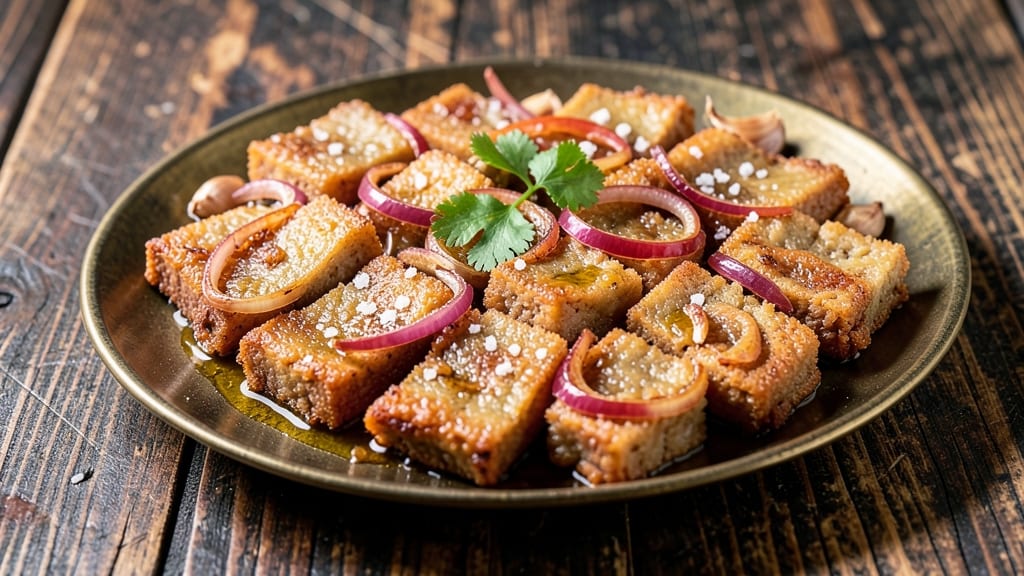
When you master this fried tripe recipe, you transform what many consider an acquired taste into something unforgettable—tender bites with crispy edges that disappear faster than you can say "second helping."
I spent years perfecting this technique after discovering how vinegar-braised tripe became a staple at my grandmother's Sunday dinners, where even the pickiest eaters couldn't resist.
The key lies in the preparation: thorough cleaning, precise cutting, and the perfect frying temperature that creates that satisfying crunch without drying out the meat.
This recipe draws from traditional Latin American methods but adapts them for modern home kitchens, where time and technique matter just as much as tradition. You'll need just five core ingredients—tripe, vinegar, garlic, onions, and spices—but the process transforms them into a dish that's rich in flavor and texture.
The vinegar braise tenderizes the tripe while infusing it with bright acidity, and the frying step delivers that coveted crispy exterior that makes every bite irresistible. It's the kind of recipe that turns a simple protein into a centerpiece.
What you'll achieve is a dish that's both comforting and impressive—golden-brown tripe with a satisfying crunch that gives way to melt-in-your-mouth tenderness. The aroma alone will have everyone gathering around the table, and the first bite delivers that perfect balance of savory, tangy, and slightly sweet flavors.
This is the kind of meal that feels like a hug on a plate, especially when served with a side of warm cornbread or a simple green salad to cut through the richness.
Whether you're preparing for a family gathering or just craving something hearty, this recipe delivers restaurant-quality results at home. The best part? Leftovers reheat beautifully, making it perfect for meal prep or feeding a crowd. Let's get started on creating tripe that's tender, crispy, and impossible to resist.
Ingredients for fried tripe
Five core ingredients transform tough tripe into crispy, tender bites that disappear in seconds.
| Ingredient | Amount | Notes |
|---|---|---|
| Beef Tripe 🥩 | 1 ½ lb | Cleaned, cut into 1-inch pieces |
| White Vinegar 🍶 | 2 cups | White or apple cider vinegar |
| Yellow Onions 🧅 | 2 whole | Thinly sliced, about 2 cups |
| Garlic Cloves 🧄 | 6 cloves | Minced, not pre-minced jarred |
| Vegetable Oil 🫒 | 3 cups | High smoke point for frying |
| Salt 🧂 | 2 tbsp | Kosher or sea salt preferred |
| Ground Black Pepper 🌶️ | 1 tbsp | Freshly ground for best flavor |
| Bay Leaves 🍃 | 2 whole | Fresh if possible, dried works too |
| Cumin Seeds 🌿 | 1 tbsp | Toasted for deeper aroma |
| Red Pepper Flakes 🔥 | 1 tsp | Adjust for heat preference |
| Lemon Juice 🍋 | 1 tbsp | Freshly squeezed for brightness |
| Fresh Cilantro 🌿 | ¼ cup | Chopped, for garnish (optional) |
Tripe is the star here, so don't skip the cleaning step—it makes all the difference. I always grab mine from Costco or local butcher shops where they handle it properly. Look for the lightest color possible—that means fresher, less gamey. If you're nervous about cleaning it yourself, many butchers will do it for free. The key is to cut it into even 1-inch pieces—this ensures consistent cooking. For extra tenderness, I like to soak the cleaned tripe in cold water with a splash of vinegar for 30 minutes before braising.
No white vinegar? Apple cider or red wine vinegar works just as well. The onions and garlic are non-negotiable—they build the flavor base. If you're short on time, pre-minced garlic from a jar is fine, but fresh minced has way more punch. Cumin seeds are a game-changer—toast them in a dry pan for 30 seconds before grinding to wake up their flavor. Love cilantro? Toss it in at the end. Hate it? Skip it—this dish shines without it. The red pepper flakes are optional but add that perfect kick that balances the richness.
This dish reheats like a dream—even better the next day as the flavors meld. Store leftovers in an airtight container in the fridge for up to 4 days. For a crowd, double the batch and freeze portions in single layers before transferring to bags—they'll keep for 3 months. Serve with warm cornbread or crusty bread to soak up every last bit of that crispy, tangy goodness. The aroma alone will have everyone at the table begging for seconds.
Why You'll Love This Recipe
- No Fuss Prep: I swear, the hardest part is slicing the tripe thin—once that’s done, it’s just a quick soak in vinegar and onions while you chop garlic. No marinating overnight, no fancy techniques—just 20 minutes of hands-off magic.
- Crispy-Creamy Magic: That first bite? Crunchy outside, tender inside, with garlic and onions caramelizing into a sticky, savory glaze. Honestly, it’s the kind of dish that makes you want to skip dinner and eat straight from the pan.
- Budget Crowd-Pleaser: Tripe stretches further than almost any protein, and the vinegar soak cuts costs by making tough cuts melt-in-your-mouth. Feed six for the price of three steaks—my college dorm mates still talk about the time I fed us all with one bag.
- Leftovers That Beg: Fried tripe reheats like a dream—crispy edges stay crispy, flavors only deepen. I’ll be real: I’ve microwaved it straight from the fridge at 2 PM and still had my roommate ask for seconds. (Yes, even on a Tuesday.)
Step-by-step instructions for vinegar-braised tender tripe
This method transforms tough tripe into irresistibly tender bites with a perfect balance of tangy vinegar and aromatic spices.
Clean and Prepare the Tripe
Start by rinsing the 1.5 lb beef tripe under cold water to remove any impurities. You'll want to soak it in cold water for 30 minutes to help remove any remaining membranes or residue. After soaking, drain and rinse again, then cut it into 1-inch pieces using a sharp knife or kitchen shears. The goal is to create uniform bite-sized pieces that will cook evenly.
Place the cut tripe in a large bowl and cover it completely with 2 cups white vinegar. Let it soak for 30 minutes, gently stirring once halfway through. This vinegar bath not only tenderizes the tripe but also removes any lingering odors. After soaking, drain the tripe thoroughly and rinse it under cold water one final time to remove excess vinegar.
Toast the Spices and Sauté the Aromatics
Heat 3 cups vegetable oil in a large skillet over medium heat. Add 1 tablespoon cumin seeds and toast them for 1-2 minutes until fragrant and lightly golden. Remove the skillet from heat and let the cumin seeds cool slightly, then transfer them to a small bowl for later use.
In the same skillet, add 2 whole yellow onions that have been thinly sliced and 6 cloves garlic that have been minced. Cook over medium heat until the onions are soft and translucent, about 5 minutes. Add 2 whole bay leaves, 2 tablespoons salt, and 1 tablespoon ground black pepper, stirring to combine. Cook for another 2 minutes until the onions are golden and the garlic is fragrant.
Fry the Tripe Until Crispy
Increase the heat to medium-high and add the drained tripe pieces to the skillet in batches to avoid overcrowding. Fry for 3-4 minutes per side until the tripe is golden brown and crispy on the edges. You want to achieve that perfect crunch while keeping the inside tender. If the oil starts to smoke excessively, reduce the heat slightly to maintain a steady temperature.
Once the tripe is golden, remove it from the skillet and set it aside on a paper towel-lined plate. This step is crucial for building the texture contrast—crispy edges with a tender interior. Don't skip this frying step; it ensures the tripe has that satisfying bite.
Braise in Vinegar and Aromatics
Return the skillet to medium heat and add 1 tablespoon lemon juice and 1 teaspoon red pepper flakes. Stir to combine, then pour in enough of the reserved vinegar from soaking the tripe to just cover the bottom of the skillet, about ½ cup. Bring the mixture to a gentle simmer, then add the fried tripe back into the skillet.
Cover the skillet and let it simmer for 20-25 minutes over low heat. Stir occasionally to ensure the tripe is evenly coated in the braising liquid. The tripe is done when it's fork-tender and easily pulls apart. If the liquid reduces too much before the tripe is tender, add a splash more vinegar to keep it moist.
Finish and Serve
Once the tripe is tender, remove the skillet from heat and stir in the toasted cumin seeds. Taste and adjust seasoning with additional salt or pepper if needed. The braising liquid should be tangy and slightly spicy, with a deep aroma from the cumin and bay leaves.
Transfer the tripe to a serving dish and garnish with 0.25 cup chopped fresh cilantro for a pop of brightness. Serve immediately with warm tortillas, crusty bread, or over a bed of rice. The contrast of the crispy edges and tender tripe, paired with the tangy vinegar and aromatic spices, makes this dish truly unforgettable.
Pro Tips For Making Fried Tripe
- TRIPE FIRST SOAK: Soak the tripe in cold water with a splash of white vinegar for at least 4 hours—overnight if possible. I learned this the hard way: skipping the soak leaves your tripe tough and chewy, no matter how long you fry it.
- CUT UNIFORM SLICES: Slice the tripe into ¼-inch thick pieces, then trim off any thick edges or connective tissue. The goal is even cooking—thick spots stay rubbery while thin ones burn. Use a sharp knife and don’t rush this.
- FRIED IN BATCHES: Crowding the pan turns your crispy tripe into a greasy mess. Fry in small batches over medium-high heat until golden—about 3-4 minutes per side. Your oil will stay hotter and your tripe will actually crisp.
- SWEAT ONIONS LOW: Cook the onions slowly over low heat until they’re translucent but not browned. Rushing this step makes them bitter and steals flavor from the garlic. A little patience here makes the whole dish taste richer.
Serving suggestions for leftovers
Classic Pairings
Serve this vinegar-braised tripe with warm corn tortillas or crusty sourdough bread—they soak up the tangy braising liquid beautifully. I love how the crispy edges of the tripe contrast with the softness of the bread.
For a heartier option, try yellow rice with a sprinkle of toasted cumin—it mirrors the dish's warm spices and absorbs any extra juices. 🌽
Tangy Dipping Sauces
Create a quick avocado crema by blending 1 ripe avocado, ½ cup sour cream, 1 tbsp lime juice, and salt to taste. This creamy, cooling sauce balances the richness of the fried tripe perfectly.
For something sharper, mix ¼ cup Greek yogurt with 1 tbsp hot sauce and a pinch of smoked paprika—it adds a smoky kick that pairs wonderfully with the dish.
Fresh Contrast Sides
A simple green salad with mixed greens, radishes, and a lime vinaigrette cuts through the richness. I toss 2 cups baby spinach with 1 tbsp olive oil, 1 tbsp lime juice, and a pinch of salt for brightness.
For extra crunch, add sliced cucumbers or shredded cabbage—they add a refreshing texture that complements the crispy tripe. 🥗
Spicy Kick Additions
If you love heat, serve this tripe with pickled jalapeños or sliced serranos on the side. The acidity of the pickling liquid enhances the vinegar braise, while the spice adds a bold contrast.
For a smoky twist, sprinkle crumbled chorizo or diced chipotle peppers over the top just before serving—it adds depth and complexity that tripe lovers adore. 🌶️
Crowd-Pleasing Presentation
For a restaurant-worthy look, arrange the tripe in a cast-iron skillet and drizzle the tangy braising liquid over the top. Garnish with chopped cilantro and a sprinkle of toasted cumin seeds for color and aroma.
Serve family-style with warm tortillas stacked neatly on the side—it makes the dish feel special without extra effort. The golden-brown edges will have everyone reaching for seconds.
Nutrition facts
Frequently asked questions
How do I know if my tripe is properly cleaned before cooking?
Fresh tripe should have a neutral, slightly sweet smell—not gamey or sour. After soaking in cold water for 30 minutes, it should feel slippery and free of membranes. Rinse thoroughly and check for any remaining residue. If unsure, ask your butcher to clean it for you—they often do this service for free!
Can I use pork tripe instead of beef tripe in this recipe?
Yes, but pork tripe has a stronger flavor and may require 10-15 extra minutes of braising time. The texture will be slightly firmer, so check for tenderness with a fork. For best results, reduce the vinegar to 1.5 cups to balance the richness of pork tripe.
Why did my tripe turn out rubbery instead of tender?
Rubbery tripe usually means it wasn't braised long enough or the pieces were too thick. Cut into 1-inch cubes and simmer uncovered for 5-10 extra minutes until fork-tender. Also, ensure your heat is low during braising—high heat can toughen the meat.
What's the best way to reheat fried tripe?
Reheat in a skillet over medium heat with 1 tbsp oil for 3-4 minutes until warmed through. Add a splash of vinegar or water to keep it moist. Microwaving works too, but the texture won't be as crispy. Leftovers reheat beautifully—even better the next day!
Can I make this recipe ahead of time for a party?
Fry and braise the tripe 1 day ahead, then refrigerate in an airtight container. Reheat gently before serving. For parties, double the batch and freeze portions in single layers—thaw overnight in the fridge. The flavors deepen over time, making it perfect for gatherings.