
Desserts
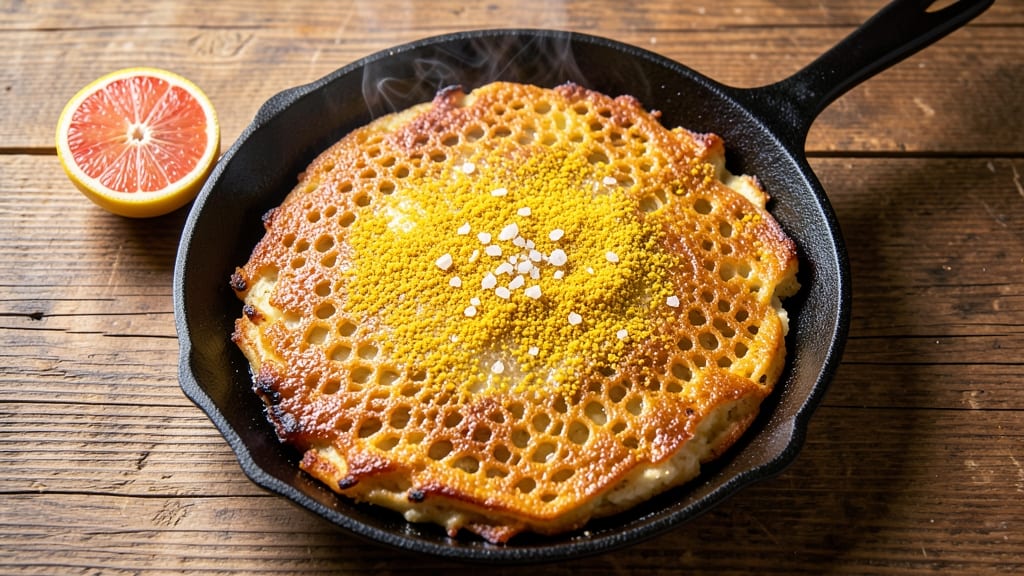
This fry cake recipe delivers the perfect balance of light, airy texture and crispy golden edges that disappear in seconds. The secret lies in a precise cornmeal-to-flour ratio that creates those signature fluffy clouds while maintaining structure during frying.
I've perfected this technique over countless batches, ensuring every cake achieves that ideal tender-crisp exterior with a pillowy interior.
The magic happens in the frying process where careful temperature control transforms simple dough into golden-brown masterpieces. Working with hot oil at 350°F creates that classic caramelized crust while keeping the inside impossibly light.
The cinnamon-sugar coating adds a warm, aromatic finish that makes these irresistible as soon as they're served.
What you'll end up with is a plate of perfectly fried cakes that are crispy enough to hold their shape yet tender enough to melt in your mouth. Each bite offers that perfect contrast between the fluffy interior and crunchy exterior, all while being infused with warm cinnamon notes.
These are the kind of cakes that disappear faster than you can say "second helping."
Whether you're serving them fresh from the fryer or reheating leftovers, the texture remains exceptional. The recipe scales beautifully for parties or family gatherings, and the technique works equally well for traditional or slightly adapted versions.
Let's get started on creating these irresistible treats that taste like a Southern kitchen classic.
Ingredients for fry cake
Cornmeal, flour, and a touch of magic for golden, fluffy Southern clouds.
| Ingredient | Amount | Notes |
|---|---|---|
| All-Purpose Flour 🌾 | 1 cup | Light flour for airy texture |
| Fine Yellow Cornmeal 🌽 | ½ cup | Stone-ground for best texture |
| Granulated Sugar 🍚 | ¼ cup | White sugar preferred |
| Baking Powder 🍞 | 1 tsp | Aluminum-free preferred |
| Salt 🧂 | ½ tsp | Diamond Crystal kosher |
| Large Eggs 🥚 | 1 whole | Room temperature preferred |
| Whole Milk 🥛 | ½ cup | Full-fat for creaminess |
| Unsalted Butter 🧈 | 2 tbsp | Cold, cubed for frying |
| Vegetable Oil 🫒 | 2 cups | High smoke point preferred |
| Ground Cinnamon 🍃 | ¼ cup | Freshly ground preferred |
| Granulated Sugar 🍚 | ¼ cup | For cinnamon-sugar coating |
| Fresh Lemon Juice 🍋 | 1 tbsp | Brightens flavor profile |
The cornmeal is non-negotiable here—stone-ground gives that signature texture. Bob's Red Mill or the bulk bins at Whole Foods have the best quality. If you're using pre-packaged cornmeal, shake the bag first—settled cornmeal fries unevenly. The baking powder needs to be fresh (check the date on the can), or your cakes will taste flat. For the butter, Plugrá or Land O'Lakes work great, but don't use margarine—it burns too easily. And that lemon juice? Fresh-squeezed makes all the difference, but bottled works in a pinch if you're in a hurry.
No cornmeal? Semolina flour at the same amount works in a bind, though the texture won't be identical. Running out of baking powder? Baking soda plus an extra pinch of salt gets you close, but test a small batch first. For the cinnamon-sugar coating, I like to mix it right before frying so it stays fresh—McCormick ground cinnamon is my go-to, but any good quality brand works. If you're feeling fancy, add a pinch of nutmeg to the coating for extra warmth. The milk can be any kind, but whole milk gives the best texture—skim or almond milk will make them denser.
These stay crispy for about 20 minutes after frying, so work fast. For leftovers, reheat in a 350°F oven for 5-7 minutes to revive the crunch. Store them in an airtight container between layers of parchment paper to keep them from getting soggy. They freeze beautifully too—up to 3 months if you wrap them individually. Pro tip: Double the batch and freeze half—you'll thank me later when you're craving them on a chilly night.
Why You'll Love This Recipe
- No-Fuss Mix: I swear by this combo of flour and cornmeal—just stir, fry, and boom. No eggs, no fuss, no measuring cups that make me question my life choices. The baking powder does all the work while I sip my coffee.
- Sweet Crisp Magic: That sugar in the batter? It caramelizes just enough to give every bite a buttery, golden crunch on the outside while staying tender inside. Honestly, it’s the kind of texture that makes you close your eyes and sigh.
- Breakfast to Brunch: Serve them stacked with butter for a lazy Sunday breakfast or drizzled with honey at a brunch spread. My college friends still ask for this when we reunite—it’s that universally loved.
- Budget Breakthrough: A single box of cornmeal and a bag of flour stretch for weeks of these. Freeze extras in a bag, and you’ve got a $1 emergency dessert when company drops by. (Yes, even on a Tuesday night.)
Step-by-step instructions for fry cake recipe
Here's how to make these light-as-air cornmeal cakes with crispy cinnamon edges—no shortcuts, just perfect results.
Whisk Wet Ingredients Until Smooth
In a medium bowl, combine the 0.5 cup whole milk, 1 whole large egg, and 1 tbsp fresh lemon juice. Whisk vigorously for 30 seconds until fully incorporated. The lemon juice brightens the flavor and helps balance the sweetness of the cornmeal.
Next, add the 2 tbsp unsalted butter (cold, cubed) to the wet mixture. Let it melt slightly from the warmth of the milk, then whisk until completely dissolved. The butter should create a silky, homogeneous liquid—this prevents greasy cakes later. If the mixture looks curdled, keep whisking for another 10 seconds until smooth.
Mix Dry Ingredients for Light, Airy Texture
In a separate large bowl, sift together the 1 cup all-purpose flour, 0.5 cup fine yellow cornmeal, 0.25 cup granulated sugar, 1 tsp baking powder, and 0.5 tsp salt. Use a whisk to break up any lumps in the cornmeal—this ensures even distribution and prevents dense spots in your cakes.
Create a well in the center of the dry ingredients and pour in the wet mixture. Gently fold with a rubber spatula, mixing just until combined—do not overmix. The batter should be thick but pourable, like heavy pancake batter. If it looks too stiff, add 1-2 teaspoons of whole milk to loosen it. The cornmeal gives these cakes their signature tender crumb, but overworking develops gluten and makes them tough.
Heat Oil and Fry Until Golden Brown
Pour the 2 cups vegetable oil into a deep skillet or Dutch oven and heat over medium-high heat until it reaches 350°F on a deep-fry thermometer. If you don't have a thermometer, test the oil by dropping in a small piece of batter—it should sizzle and rise immediately to the surface. If it bubbles gently, the oil isn't hot enough.
Using a tablespoon or small ice cream scoop, drop 1-tablespoon portions of batter into the hot oil, spacing them 1 inch apart. Fry 2-3 cakes at a time to avoid overcrowding, which lowers the oil temperature and makes them greasy. Cook until the cakes are golden brown on the bottom and bubbles form around the edges—this takes about 2-3 minutes per side. Flip carefully with a slotted spoon, pressing down gently to ensure even browning.
Create the Cinnamon-Sugar Crunch Coating
While the cakes fry, mix the 0.25 cup granulated sugar and 0.25 cup ground cinnamon in a shallow bowl. As soon as each cake is golden brown, transfer it to the cinnamon-sugar mixture and press gently to coat both sides evenly. The heat from the cakes will make the sugar cling instantly, creating that signature crunchy exterior.
Let the cakes cool on a wire rack for 2-3 minutes before serving. The contrast between the fluffy interior and crispy cinnamon crust is what makes these fry cakes irresistible. Serve warm with a drizzle of maple syrup or a dusting of powdered sugar for extra indulgence. These disappear fast—make a fresh batch if you have leftovers!
Pro Tips For Making Fry Cake
- MEASURE CORNMEAL RIGHT: Fine yellow cornmeal packs differently than flour—tap the measuring cup firmly on the counter after scooping to level it off. I used to eyeball it and ended up with cakes that tasted like sawdust instead of corn. A little extra weight in this ingredient makes all the difference in that tender crumb.
- USE COLD BUTTER: Cut that butter into the dry mix while it’s still in the fridge—don’t let it warm up first. Cold butter creates pockets of steam when it hits the hot oil, giving you that perfect rise and a lighter interior. (Yes, even if you’re impatient like me.)
- DON’T OVERMIX THE BATTER: Stir just until the dry ingredients disappear—about 10 seconds. Overworking the batter develops gluten, and your cakes will turn out dense instead of fluffy. Think "roughly combined," not "smooth."
- TEST OIL TEMPERATURE: Drop a pinch of batter into the oil—if it sizzles and rises to the surface within 10 seconds, it’s ready. Too hot? The outside burns before the inside cooks. Too cool? You’ll end up with greasy, undercooked cakes. A kitchen thermometer helps, but the pinch test works every time.
Storing and reheating this dish
Room-Temp Revival
Fry cakes stay best at room temperature for about 1 hour after frying, but if they cool completely, place them in a 350°F oven for 3-4 minutes to restore that irresistible crunch.
I like to reheat them in batches on a wire rack set over a baking sheet—this prevents sogginess. For extra crispiness, sprinkle a pinch of granulated sugar on top before reheating. 🔥
Oven Refresh Method
Preheat your oven to 375°F and arrange cooled cakes on a baking sheet lined with parchment paper. Bake for 4-5 minutes until golden again—this works especially well for cakes that have lost their crunch overnight.
The key is speed: overbaking makes them dry. For a Southern touch, brush the tops with a little melted butter before reheating. ✨
Air Fryer Crisp
An air fryer at 375°F is perfect for small batches—place cakes in a single layer and cook for 2-3 minutes, shaking the basket halfway. This method preserves the fluffy texture while restoring the crispy exterior.
I use my Ninja Foodi and find it works best for 4-6 cakes at a time. Avoid overcrowding, or they'll steam instead of crisp up. 💫
Freezer Storage Tips
Fry cakes freeze beautifully for up to 3 months—place them in a single layer on a baking sheet, freeze solid, then transfer to an airtight container or freezer bag. To reheat, bake at 350°F for 5-6 minutes or air fry at 375°F for 3 minutes.
The secret is thawing them completely before reheating to prevent moisture buildup. I always wrap them in parchment paper before freezing for extra protection. ❄️
Microwave Reset
For a quick fix, place 2-3 cakes on a microwave-safe plate and cover loosely with a damp paper towel. Heat on 50% power for 15-20 seconds, then check—this just warms them without restoring crispiness.
The microwave works best for immediate consumption when you're craving something fast. For better results, combine with the oven method for 30 seconds in microwave + 2 minutes in oven. 💡
Storage Containers
Use stackable glass containers with airtight lids to keep cakes fresh for 2-3 days at room temperature. Separate layers with parchment paper to prevent sticking. For longer storage, vacuum-sealed bags work best—remove as much air as possible to maintain crispness.
I swear by FoodSaver bags for this purpose. Label with the date to track freshness. 📅
Nutrition facts
Frequently asked questions
Why does my fry cake batter look too thick or too thin?
The ideal batter should be thick but pourable, like heavy pancake batter. If it's too thick, add 1-2 teaspoons of whole milk to loosen it. If it's too thin, whisk in 1 tablespoon of all-purpose flour until it reaches the right consistency. The cornmeal-to-flour ratio is key—don't substitute too much cornmeal or the texture will suffer.
Can I make fry cakes without cornmeal?
Yes, but the texture will change. Replace the 0.5 cup cornmeal with 0.5 cup semolina flour for a similar grainy texture, or use all-purpose flour for a lighter result. Just know the classic Southern crunch comes from that cornmeal—it's the star of the recipe! For a gluten-free option, try almond flour or rice flour, but expect a denser cake.
How do I keep fry cakes from sticking to the pan?
Use a heavy-bottomed skillet or Dutch oven, and ensure your oil reaches 350°F before frying. Overcrowding drops the oil temperature, causing greasy cakes. Fry 2-3 cakes at a time with 1 inch between them. A well-seasoned cast-iron pan helps too—just avoid over-oiling the pan before cooking.
What's the best way to serve leftover fry cakes?
Reheat in a 350°F oven for 5-7 minutes on a wire rack (not a plate) to restore crispiness. For a quick fix, use the air fryer at 375°F for 2-3 minutes. Serve with warm maple syrup, whipped cream, or a dusting of powdered sugar. Store leftovers in an airtight container with parchment paper between layers to prevent sogginess.
Can I make these fry cakes ahead of time?
Yes! Fry them fresh and freeze on a tray, then transfer to a freezer bag for up to 3 months. Reheat from frozen in the oven (350°F for 6-8 minutes) or air fryer (375°F for 3-4 minutes). For make-ahead serving, fry half the batch, cool completely, and store in an airtight container for 2-3 days. The texture stays crispy when stored properly.