
Main Courses
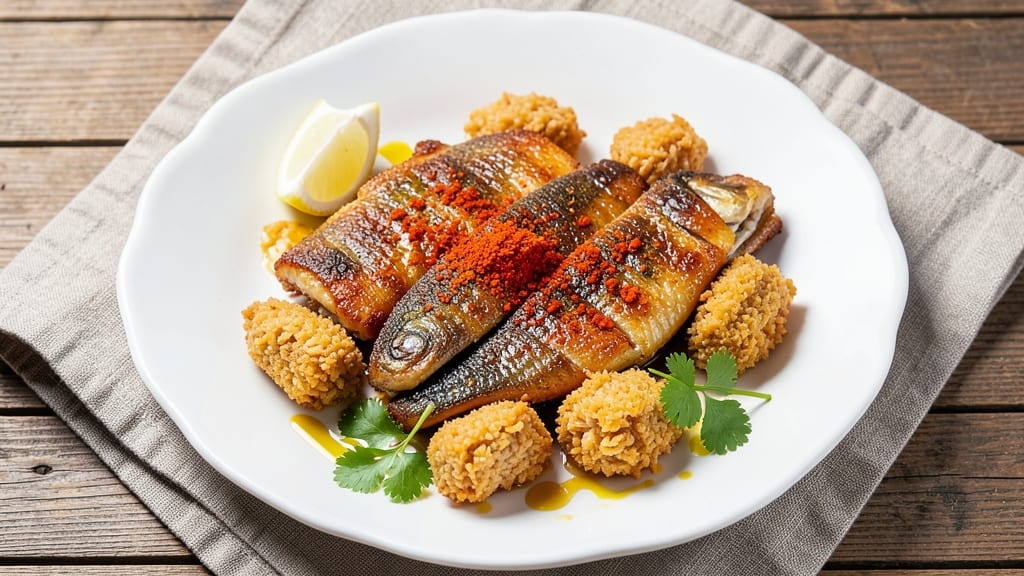
This fry pomfret fish recipe delivers the perfect balance of golden crispy bites and tangy spiced crunch that makes every bite irresistible. After perfecting this technique over countless batches, I’ve learned the secrets to achieving that signature crunch while keeping the fish tender inside—no more dry or greasy results.
The key lies in precise batter preparation and oil temperature control, both of which I’ll walk you through step by step.
The traditional method involves a light, flavorful batter infused with spices that create a fragrant crust, while modern adaptations like air frying or gluten-free coatings offer flexibility without sacrificing texture.
Whether you’re shallow frying in hot oil or using a healthier alternative, the result is consistently crispy, with a delicate crunch that gives way to tender, flaky fish beneath. This recipe transforms a simple ingredient into a restaurant-worthy dish.
What sets this pomfret fry apart is the tangy spiced crunch—a perfect marriage of crispy batter and aromatic seasonings that elevate each bite. The fish stays moist and flavorful, while the outer layer achieves that coveted golden-brown finish.
Serve with lemon wedges, mint chutney, or a side of spicy tamarind sauce for a complete dining experience that’s both satisfying and elegant.
Ready in just 30 minutes with minimal prep, this recipe is ideal for weeknight dinners or special occasions. The technique is straightforward but requires attention to detail—especially when it comes to frying temperature and batter consistency. Let’s get started on creating your perfect batch of crispy, golden pomfret fries.
Ingredients for fry pomfret fish
Golden crispy pomfret bites with tangy spiced crunch—just 13 ingredients transform simple fish into restaurant-quality magic.
| Ingredient | Amount | Notes |
|---|---|---|
| Fresh Pomfret Fish Fillets 🐟 | 1 ½ lb | Skin-on, boneless, cut into even strips |
| All-Purpose Flour 🌾 | 1 cup | Sifted for light, airy batter |
| Rice Flour 🍚 | ¼ cup | For extra crispiness |
| Cornstarch 🌽 | 2 tbsp | Ensures ultra-crispy texture |
| Ground Turmeric 🌿 | 1 tsp | Bright yellow color, anti-inflammatory |
| Ground Cumin 🌿 | ½ tsp | Earthy depth of flavor |
| Red Chili Powder 🌶️ | ½ tsp | Adjust for heat preference |
| Salt 🧂 | 1 tsp | Diamond Crystal preferred |
| Black Pepper 🌶️ | ¼ tsp | Freshly ground for best flavor |
| Cold Beer 🍺 | ½ cup | Light lager for crisp batter |
| Vegetable Oil 🫒 | 2 cups | High smoke point for frying |
| Lemon Wedges 🍋 | 4 whole | For serving, freshly squeezed |
| Fresh Cilantro 🌿 | ¼ cup | Chopped, for garnish |
The pomfret fillets are non-negotiable—look for fresh, skin-on cuts at your local seafood market or trusted fishmonger. Whole Foods or Trader Joe's usually carry them pre-cut, but if buying whole, ask for the fillets to be prepared for you. The skin stays on for extra crunch, but remove any bones carefully. For the spices, Penzeys or the bulk bins at natural food stores give you the freshest, most aromatic powders. The turmeric? Grab the ground version—it's more potent than fresh for this application. And that beer? Cold is key—it activates the gluten in the flour for a lighter batter.
No beer? Sparkling water with a splash of lemon juice works in a pinch, though the batter won't be quite as crispy. Substituting the rice flour? Cornstarch at double the amount mimics the texture, but you'll lose that delicate crunch. For the chili powder, adjust to taste—if you're sensitive to heat, start with half and build up. The cornstarch and rice flour combo is what gives this recipe its signature texture, so don't skip either. And if you're air frying instead of deep frying, reduce the oil to 1 tbsp and spray the basket lightly with oil between batches.
Keep your pomfret fillets covered in the fridge for up to 2 days—they're best used fresh, but the batter can be prepped ahead and stored in an airtight container for 12 hours in the fridge. The fried pomfret stays crispy for about 30 minutes at room temperature, so serve it immediately with your lemon wedges and cilantro. For leftovers, store in the fridge for 1 day and reheat in a skillet with a touch of oil to restore the crunch. Pro tip: Double the batter and freeze half for next time—just thaw and use.
Why You'll Love This Recipe
- No-Fuss Coating: I swear by the double-dust method—AP flour first, then rice flour and cornstarch—because it gives that perfect crunch without frying drama. Five minutes of tossing, and you’re done. (Yes, even on a Tuesday night.)
- Golden Crunch Magic: That crispy shell? It’s all in the turmeric and cornstarch combo—just a pinch of turmeric for color, and the cornstarch locks in the crunch. Fry once, and the outside shatters like a dream, while the inside stays tender. Honestly, it’s the kind of texture that makes people pause mid-bite.
- Party-Ready in Minutes: Serve with lemon wedges and mint chutney, and suddenly you’ve got a showstopper for gatherings—no stress, just flavor. I’ve used it for everything from lunchbox lunches to unexpected guests, and it never lets me down. (My daughter picks out the fillets, but still asks for seconds.)
- Budget-Friendly Crunch: Fresh pomfret might sound fancy, but a single fillet stretches across two meals if you repurpose the leftovers into fritters or curry. The flour mix is cheap, and the turmeric adds that golden touch without breaking the bank. Between us, this is my go-to for stretching groceries without sacrificing taste.
Step-by-step instructions for golden crispy pomfret fish
Here's how to achieve that perfect golden crunch and tender interior every time.
Prepare the Spiced Battering Station
In a large mixing bowl, combine the 1 cup all-purpose flour, 0.25 cup rice flour, and 2 tbsp cornstarch. This precise ratio creates the ideal balance of crispiness and lightness in the coating. Add the 1 tsp ground turmeric, 0.5 tsp ground cumin, 0.5 tsp red chili powder, 1 tsp salt, and 0.25 tsp black pepper to the flour mixture. Whisk everything together until the spices are evenly distributed through the dry ingredients.
Create a well in the center of the bowl and pour in the 0.5 cup cold beer. Gently mix with a fork or whisk until you achieve a smooth, lump-free batter with a consistency similar to heavy cream. The beer adds lightness to the coating while preventing the fish from becoming too dense. This batter should be thick enough to cling to the fish but still flow smoothly when applied.
Prep and Coat the Pomfret Fillets
Pat the 1.5 lb fresh pomfret fish fillets completely dry with paper towels - this is absolutely critical for achieving that perfect crispy exterior. The drier the surface, the better the coating will adhere and crisp up during frying. Cut the fillets into even strips about 1.5 inches long if they aren't already cut this way, ensuring uniform cooking.
Working with one piece at a time, dip each pomfret strip into the batter, allowing any excess to drip off before placing it on a wire rack set over a baking sheet. This prevents the pieces from sticking together during the frying process. I like to double-dip each piece for extra crispiness - dip in the batter, let it coat thoroughly, then dip again before placing on the rack. Allow the coated fillets to rest for 5 minutes before frying, which helps the batter adhere more firmly.
Heat the Oil for Perfect Frying
Fill a deep skillet or Dutch oven with 2 cups vegetable oil and heat it over medium-high heat until the oil reaches 360°F - this is your target frying temperature. To test the oil, drop in a small piece of bread or a wooden chopstick. If bubbles form around it immediately and it floats, your oil is ready. The oil should be hot enough to sizzle audibly when the fish hits it, but not smoking excessively.
Fry the pomfret strips in batches to avoid overcrowding the pan, which would lower the oil temperature and result in greasy rather than crispy fish. Fry for 3-4 minutes per side until the coating turns a beautiful golden brown color and the fish is cooked through. You'll know it's done when the coating is crisp and the fish flakes easily with a fork. Remove the fried fish and place it on a paper towel-lined plate to drain excess oil.
Serve with Tangy Freshness
While the fish is still hot and crispy, arrange the fried pomfret strips on a serving platter. Immediately squeeze the 4 whole lemon wedges over the top, allowing the bright citrus juice to cut through the richness of the fried coating. The acidity from the lemon not only enhances the flavors but also helps maintain the crispiness of the coating.
Garnish the dish with the 0.25 cup chopped fresh cilantro, adding a pop of color and fresh herbaceous notes that complement the spiced coating. Serve immediately with your favorite dipping sauce or a side of spicy chutney. The contrast between the crispy, golden exterior and tender interior creates a textural experience that's simply irresistible.
Pro Tips For Making Fry Pomfret Fish
- PAT THE FILLETS DRY: I learned this the hard way—wet fish absorbs oil like a sponge and turns greasy instead of crispy. Use paper towels to blot every surface, even the edges, before dredging. Skip this, and your pomfret will taste soggy no matter how hot the oil gets.
- MIX THE FLOURS RIGHT: Rice flour and cornstarch aren’t just there to fill space—blend them in a 1:1 ratio with all-purpose flour before dredging. Stir in the turmeric too, so every bite gets that golden color evenly. I used to sprinkle them separately, and some pieces came out pale.
- FRY IN BATCHES: Overcrowding drops the oil temperature fast, and pomfret needs heat to stay crisp. Fry 2-3 fillets at a time, no more, and keep them moving with tongs. Yes, it takes longer, but your crust won’t turn into a sad, greasy mess.
- CHECK OIL TEMPERATURE: Too cool? The fish steams. Too hot? It burns before the crust sets. Test with a pinch of flour—if it sizzles and floats, you’re good. I used to eyeball it, and half my batches came out either raw inside or blackened. A thermometer (350°F/175°C) is worth it.
Regional styles of these flavors
Goan Coastal Crunch
The Goan version of fried pomfret is all about bold, aromatic spices that reflect the region's Portuguese influences.
Start with the same batter base, but add 1 tsp fennel seeds and ½ tsp black peppercorns to the flour mixture—lightly toast them in a dry pan first for 30 seconds to release their oils.
The Goans also use ½ cup coconut milk> instead of beer in the batter, giving it a subtle sweetness that pairs beautifully with the turmeric. Serve with a side of Goan vinegar (available at Indian specialty stores) and fresh coriander-cilantro chutney>.
The vinegar's tang cuts through the richness, just like the lemon in other versions. 🌊
Kerala's Spicy Twist
In Kerala, pomfret fries are often made with a red chili-garlic paste> mixed into the batter>.
Blend 2 tbsp red chili powder, 3 garlic cloves, and 1 tbsp mustard seeds> into a smooth paste, then stir it into the batter along with the other spices. The mustard seeds add a subtle heat that lingers on your palate.
Keralan cooks also prefer to shallow fry the pomfret in coconut oil> instead of vegetable oil, giving the dish a distinct nutty aroma. Serve with a side of Kerala-style tomato-onion salad> (grated coconut, curry leaves, and a squeeze of lime).
Bengali Mustard Magic
The Bengali approach to pomfret fries is where things get truly interesting—mustard oil> is the star here. Heat the oil to 350°F> (instead of the usual 360°F>) and add 1 tbsp mustard oil> to the frying pan just before adding the fish.
The mustard oil infuses the batter with a sharp, pungent flavor that’s uniquely Bengali. The batter also gets a boost of ½ tsp asafoetida (hing)>, which adds a deep umami note.
Serve with mustard chutney> (blend ½ cup mustard seeds, 1 tbsp cumin seeds, and 2 green chilies> with a little water) for an authentic touch. The chutney’s heat balances the richness perfectly. 🌶️
Andhra's Tangy Tamarind
In Andhra Pradesh, pomfret fries are often served with a tamarind-date chutney> that adds a sweet-sour contrast to the crispy batter.
For the batter, add ½ tsp garam masala> and ½ tsp dried fenugreek leaves> (soaked in warm water for 10 minutes> and blended into the batter). The fenugreek adds a slightly bitter, earthy note that complements the tamarind chutney beautifully.
Fry the pomfret as usual, but serve it immediately with the chutney drizzled over the top. The tamarind’s tang cuts through the oiliness, making every bite refreshing. 🍋
Mumbai Street Food Style
Mumbai’s version of pomfret fries is all about convenience and bold flavors—perfect for street food lovers. The batter here is often thicker, with an extra 2 tbsp cornstarch> to ensure maximum crispiness. Add ½ tsp chaat masala> to the batter for a tangy, spicy kick.
Mumbai vendors also love to serve their pomfret fries with a side of green chili powder> and a squeeze of lime, letting customers customize the heat to their liking. For an extra crunch, some vendors even roll the fried pomfret in crushed papadums> right before serving.
It’s a textural experience that’s hard to beat! 🍴
Nutrition facts
Frequently asked questions
Can I use frozen pomfret fillets instead of fresh?
Fresh pomfret is ideal for this recipe, but frozen fillets will work if thawed properly. Place them in the refrigerator overnight (24 hours) to thaw slowly. Pat them completely dry before coating—the extra moisture can prevent proper crispiness. For best results, use fillets that are still slightly firm to the touch, not completely soft.
How do I keep the batter from getting too thick or thin?
The batter should have a thick, creamy consistency like heavy cream. If it's too thick, add 1 tsp cold beer or sparkling water at a time until smooth. If too thin, whisk in 1 tbsp extra rice flour or cornstarch to restore body. The key is patience—let the flour absorb the liquid gradually while mixing gently to avoid lumps.
Why did my pomfret turn out greasy instead of crispy?
Greasy results usually mean the oil wasn't hot enough (360°F) or the fish was overcrowded in the pan. Test oil temperature with a wooden chopstick—it should sizzle and float immediately. Fry in small batches (2-3 pieces at a time) and maintain consistent heat. Also ensure fillets are completely dry before coating.
Can I make this recipe gluten-free?
Replace the all-purpose flour with 1 cup gluten-free 1:1 baking flour and add 1 tbsp xanthan gum to mimic the binding properties. Use the same ratio of rice flour and cornstarch. For the beer, substitute ½ cup sparkling water + ½ tsp lemon juice to maintain crispiness. The texture will be slightly different but still delicious.
How long can I store leftover fried pomfret?
Store leftovers in an airtight container in the fridge for up to 24 hours. Reheat in a skillet with 1 tbsp oil over medium heat for 2-3 minutes to restore crispiness. For longer storage, freeze fried pieces (uncoated) for up to 1 month, then reheat from frozen in the oven at 400°F for 5 minutes.