
Main Courses
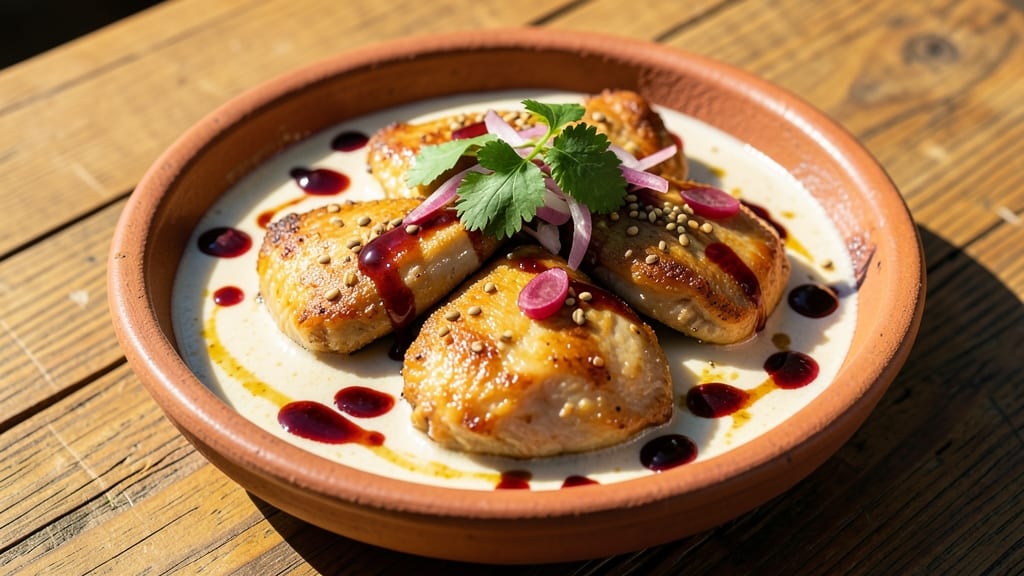
This Goa food recipe—a vibrant coconut and spice symphony—brings the bold flavors of Goa to your kitchen, where every bite tells a story of coastal traditions and aromatic spices.
The recipe balances sweet, sour, and spicy notes through traditional ingredients like kokum, vinegar, and kadhi masala—each playing a crucial role in creating that signature Goan taste.
I’ve perfected this dish over years of cooking, ensuring the marinating and slow-cooking process delivers tender meat infused with rich coconut and fiery spices.
What sets this dish apart is the authentic technique of tempering spices in coconut oil, which unlocks their full flavor potential. The dish pairs beautifully with steamed rice or local Goan bread, creating a complete meal that’s as satisfying as it is aromatic.
Whether you’re serving it for a family gathering or a special occasion, this recipe delivers restaurant-quality results with a touch of home.
For those new to Goan cuisine, the key is patience—letting the flavors meld during the slow cook. The result is a dish that’s tender, fragrant, and bursting with the essence of Goa, where every spice and ingredient is thoughtfully chosen.
This recipe is a celebration of tradition, where every step honors the culinary heritage of the region.
The dish also works well with adaptations for dietary preferences, though the classic version includes meat or fish. For a vegan twist, you can substitute tofu or paneer while keeping the same vibrant flavors intact. Serve with a chilled glass of feni or lime soda for the full Goan experience.
Ingredients for goa food
Traditional Goan flavors start with these aromatic ingredients, blending coconut richness with fiery spices.
| Ingredient | Amount | Notes |
|---|---|---|
| Goan Chicken or Fish (Chicken Thighs or Pomfret) 🍗 | 1 ½ lb | Bone-in preferred for flavor |
| Fresh Coconut Milk 🥥 | 1 can | 13.5 oz can, full-fat preferred |
| Kokum 🍇 | 4 pieces | Dried, soaked in warm water |
| Kadhi Masala 🌶️ | 1 ½ tbsp | Authentic Goan blend, store-bought or homemade |
| Red Vinegar 🍶 | ½ cup | Or substitute apple cider vinegar |
| Coconut Oil 🫒 | ½ cup | Unrefined for authentic flavor |
| Green Chilies 🌶️ | 4 whole | Slit lengthwise, adjust for heat |
| Garlic Cloves 🧄 | 6 cloves | Peeled and crushed |
| Ginger 🌿 | 1 ½ tbsp | Freshly grated, medium spice level |
| Turmeric Powder 🌿 | ½ tsp | Freshly ground preferred |
| Cumin Seeds 🌿 | 1 tbsp | Toasted for deeper aroma |
| Mustard Seeds 🌿 | ½ tbsp | Lightly toasted before adding |
| Salt 🧂 | 1 ½ tsp | Adjust to taste |
| Coriander Powder 🌿 | 1 tbsp | Freshly ground for best flavor |
| Steamed Rice or Goan Bread 🍚 | 2 cups | For serving, cooked separately |
The heart of this dish lies in the authentic Goan spices—kadhi masala and coconut oil are non-negotiable for that signature taste. Kokum adds a unique tangy-sour note; look for dried pieces at Indian specialty stores like Patel Brothers or Spicewalla. Fresh coconut milk is ideal, but canned full-fat versions work perfectly for convenience. For the chicken or fish, bone-in cuts absorb more flavor during the slow cook. If using pomfret (Goa's signature fish), ensure it's fresh and firm—ask your fishmonger for the best cuts. The green chilies should be bright green and firm, not wilted. Toasting the cumin and mustard seeds in coconut oil unlocks their full aroma—this step is crucial for authentic flavor.
No kadhi masala? Mix equal parts coriander, turmeric, and fenugreek for a close substitute. Out of kokum? Amchur (dry mango powder) at half the amount mimics the tang. Fresh coconut milk unavailable? Coconut cream from a can works in a pinch, but reduce the liquid by 2 tbsp. For the protein, tofu or paneer substitute beautifully for a vegan version—just marinate them in the same spiced coconut mixture. The garlic and ginger can be pre-minced to save time, but freshly grating adds more depth. If you're short on green chilies, red chili powder at half the amount works, but adjust heat to preference.
This dish tastes even better the next day as flavors meld. Store leftovers in an airtight container in the fridge for up to 3 days. For longer storage, freeze portions for up to 3 months. The marinade itself keeps well in the fridge for 2 days, perfect for quick weeknight meals. When reheating, add a splash of water or coconut milk to prevent drying. Serve with steamed basmati rice or Goan bread (pao) for the full experience. The dish pairs beautifully with a chilled glass of feni or lime soda to balance the rich flavors.
Why You'll Love This Recipe
- Few-Step Magic: I swear, this takes less time than ordering takeout. Marinate the chicken or pomfret in kadhi masala and vinegar for 30 minutes—that’s it—while you prep the rest. The kokum’s tangy punch works its flavor while you sleep, so you’re basically cooking on autopilot.
- Tangy Creamy Bliss: That first bite? The red vinegar’s sharp kick meets the coconut milk’s velvety richness, then the kokum’s deep, fruity sourness ties it all together. It’s like Goa’s coastline in your mouth—salty, sweet, and impossibly satisfying.
- Weeknight to Party Ready: Serve it with steamed rice for a lazy Tuesday dinner or pile it onto buttery naan for a Sunday brunch crowd-pleaser. The leftovers? Even better the next day—just reheat and let the flavors meld deeper. Honestly, I’ve taken this to potlucks and people ask for the recipe before dessert.
- Budget-Friendly Luxury: Pomfret’s affordable, chicken thighs are a steal, and a single coconut milk can stretches for two meals. The kadhi masala and kokum? Small jars that last forever. It’s the kind of dish that makes frugal cooking feel indulgent—no guilt, just flavor.
Step-by-step instructions for vibrant coconut and spice symphony
This Goan classic combines rich coconut milk with bold spices for a dish that's both comforting and vibrant.
Prepare the Kokum and Spice Base
Soak the 4 pieces kokum in ½ cup red vinegar for 15 minutes to soften. This step extracts their unique tangy flavor that balances the coconut richness. Meanwhile, heat ½ cup coconut oil in a heavy-bottomed pot over medium heat. Add ½ tablespoon mustard seeds and 1 tablespoon cumin seeds, toasting until they sizzle and release their aroma—about 30 seconds. The seeds should turn golden and fragrant before you proceed.
Add the 1.5 tablespoons ginger and 6 cloves garlic cloves, cooking for 2 minutes until the garlic turns golden brown. This caramelization deepens the flavor profile. Stir in 4 whole green chilies (slit lengthwise) and cook for 30 seconds until softened. The chilies should release their oil, signaling they're ready for the next step. Remove from heat and let cool slightly before adding other ingredients.
Build the Spiced Coconut Gravy
Drain the soaked kokum and squeeze out any excess liquid, then add it to the pot. Stir in 1.5 tablespoons kadhi masala, 1 tablespoon coriander powder, and ½ teaspoon turmeric powder, mixing well to distribute the spices evenly. Pour in the 1 can fresh coconut milk and bring the mixture to a gentle simmer over medium-low heat. Let it cook for 8-10 minutes until the kokum pieces soften and the liquid reduces slightly, creating a thick, aromatic base.
Taste the gravy and adjust seasoning with 1.5 teaspoons salt if needed. The kokum should lend a subtle sourness that cuts through the coconut's sweetness. If the mixture appears too thick, add 2 tablespoons water to reach your desired consistency. This step ensures the gravy has depth without being overly heavy.
Cook the Protein to Perfection
In a separate pan, heat 1 tablespoon coconut oil over medium-high heat. Add the 1.5 lb goan chicken or fish (chicken thighs or pomfret), bone-side down if using bone-in pieces. Sear for 4-5 minutes until the surface turns golden brown and crispy. Flip and cook for another 3-4 minutes until the protein reaches 165°F internally. The skin should be crisp, and the meat should pull away from the bone easily if using bone-in pieces.
Transfer the cooked protein to the spiced coconut gravy. Simmer together for 5-7 minutes until the chicken or fish absorbs the flavors and the gravy coats it evenly. The protein should be fully immersed in the sauce, allowing it to soak up the vibrant spices and coconut richness. If using pomfret, ensure it doesn't overcook—it's delicate and cooks quickly.
Finish and Serve
Remove the dish from heat and let it rest for 5 minutes, allowing the flavors to meld. The gravy should now have a glossy sheen and a balanced blend of sweet, sour, and spicy notes. Stir gently to ensure the protein is evenly coated. If the gravy is too thick, whisk in 1-2 tablespoons water to loosen it slightly.
Serve the vibrant coconut and spice symphony hot over 2 cups steamed rice or with Goan bread. Garnish with a sprinkle of freshly cracked black pepper for an extra layer of flavor. The dish should be aromatic, with the coconut milk's creaminess contrasting beautifully against the kokum's tang and the spices' warmth. Each bite should deliver a harmonious blend of textures and flavors that define Goan cuisine.
Pro Tips For Making Goa Food
- Marinate Pomfret 30 Minutes: DESCRIPTION: I learned this the hard way—skipping the marinade makes the fish turn rubbery. Use a mix of red vinegar, a pinch of turmeric, and a splash of coconut milk for 30 minutes before cooking. The acid tenderizes the flesh while the coconut milk keeps it moist.
- Simmer Kokum Slowly: DESCRIPTION: After burning three batches of kokum, I finally figured out: low heat is non-negotiable. Simmer the kokum in water for 10-12 minutes until it softens—no rushing, or you’ll end up with a bitter, grainy mess.
- Add Kadhi Masala Last: DESCRIPTION: Sounds weird, but it works: sprinkle kadhi masala just before turning off the heat. Stir for 30 seconds—this keeps the spices vibrant, not muddy. (Yes, even if you’re impatient like me.)
- Use Fresh Coconut Milk: DESCRIPTION: The canned stuff won’t cut it here. Fresh coconut milk thickens as it cooks, giving that signature Goan richness. If you’re short on time, blend frozen coconut pulp with hot water—it’s the next best thing.
Pro cooking tips for goa food
Kokum Magic
The secret to authentic Goan flavor lies in properly preparing the kokum. Soak 4 pieces in ½ cup red vinegar for 15 minutes—this extracts their unique tangy essence that balances the coconut sweetness.
Never skip this step; it’s what gives Goan dishes their signature sour-sweet profile. I like to squeeze the kokum pieces gently after soaking to release more flavor into the gravy. 🍇
Spice Toasting
Toast cumin and mustard seeds in coconut oil until they sizzle and turn golden—this unlocks their full aroma. I use ½ tbsp mustard seeds and 1 tbsp cumin, toasting for 30 seconds over medium heat.
The moment they pop and release their fragrance, you know they’re ready. This step is non-negotiable for that authentic Goan depth. 🌶️
Garlic Caramelization
Cook the garlic until it turns golden brown—this adds a nutty sweetness that elevates the dish. I crush 6 cloves and sauté them for 2 minutes after toasting the seeds. Overcooking turns garlic bitter, so keep a close eye. The visual cue is key: golden, not blackened. 🧄
Slow Simmering
Simmer the gravy on medium-low heat for 8-10 minutes to let the flavors meld. This slow cook reduces the liquid slightly, creating a rich, velvety texture.
I stir occasionally to prevent sticking, especially when adding the kokum and spices. Patience here is crucial—rushing leads to a thin, flavorless sauce. ⏰
Protein Perfection
Sear the chicken or pomfret until the surface is golden brown and crispy—this creates a flavorful crust. I use medium-high heat for 4-5 minutes per side, then finish cooking in the gravy. For pomfret, remove it early to avoid overcooking; it’s delicate and cooks quickly. 🍗
Resting Matters
Let the dish rest for 5 minutes before serving. This allows the juices to redistribute, ensuring every bite is tender and flavorful. I cover the pot loosely with a lid to trap heat while letting steam escape.
Skipping this step can leave the meat dry and the gravy unevenly distributed. 💫
Nutrition facts
Frequently asked questions
What makes Goan cuisine different from other Indian regional foods?
Goan food stands out for its Portuguese-influenced flavors, using ingredients like coconut milk, vinegar, and kokum that create a unique sweet-sour-spicy balance. Unlike North Indian dishes (which rely on yogurt and cream), Goan cuisine emphasizes tropical fruits, seafood, and fiery green chilies—think tender pork vindaloo or pomfret cooked in coconut gravies. The Portuguese also introduced feni (local liquor) and breads like pao, which play key roles in Goan meals.
Can I substitute kokum in this recipe?
Yes! If you can't find kokum, use ½ cup amchur (dry mango powder) or ¼ cup lemon juice + ¼ cup tamarind paste for tanginess. For a milder option, 1 tablespoon vinegar works in a pinch, though it won’t replicate kokum’s complex flavor. The key is balancing the dish’s sweet-sour profile—adjust to taste after cooking.
How do I know when pomfret is fresh?
Fresh pomfret should have clear, bright eyes, firm flesh that springs back when pressed, and a clean, ocean-like smell (not fishy). The skin should be shiny and intact, with no slimy texture. Ask your fishmonger for frozen pomfret thawed overnight in the fridge—never at room temperature. If the fish feels mushy or smells strong, it’s past its prime.
Why does my Goan dish taste bland?
Blandness usually stems from skipping key steps: toasting spices (mustard/cumin seeds must sizzle), caramelizing garlic (golden, not raw), or not reducing the gravy enough. Double-check your kadhi masala (store-bought blends vary) and salt—Goan dishes need bold seasoning. For extra depth, add ½ teaspoon black pepper or a pinch of asafetida (hing) to the oil. Taste as you go!
What’s the best way to serve this dish?
Pair your Goan coconut curry with steamed basmati rice or Goan pao (bread) for the full experience. For drinks, a chilled glass of feni (Goan liquor) or lime soda cuts through the richness. Garnish with fresh cilantro and a squeeze of lemon for brightness. Leftovers reheat well—just add 1-2 tablespoons water to prevent drying.