
Sauces & Condiments
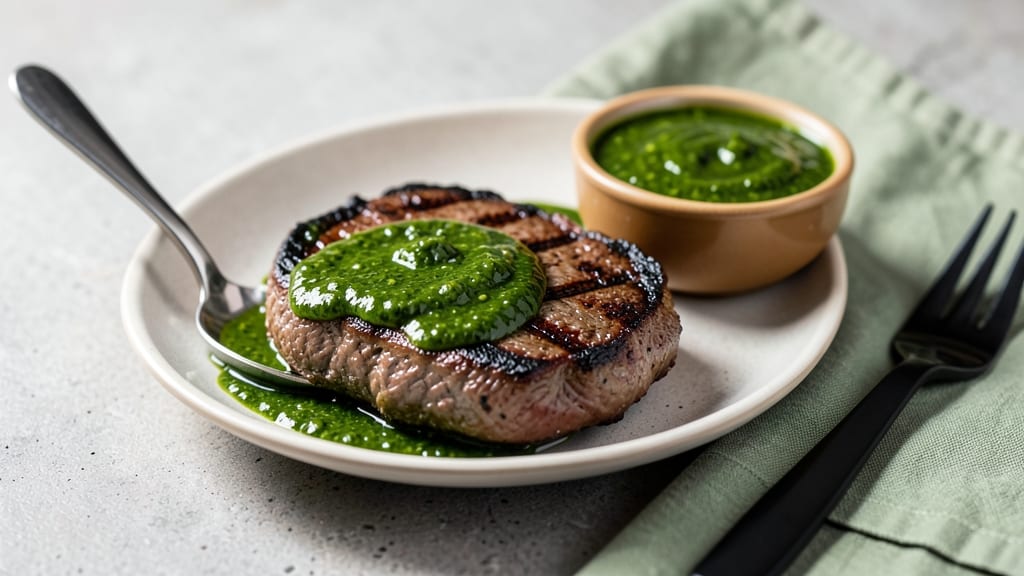
Gordon Ramsay's chimichurri recipe delivers that signature herb-intense brightness that transforms grilled meats into restaurant-quality masterpieces. This vibrant green sauce, packed with parsley, garlic, and a tangy vinegar base, is the secret weapon behind Ramsay's perfect steaks and grilled vegetables.
I've perfected this version to balance bold flavors without overpowering the dish—just like his professional kitchen techniques.
The beauty of this chimichurri lies in its simplicity: five core ingredients that come together in minutes for a sauce that's fresh, aromatic, and impossible to resist. Unlike store-bought versions, this recipe uses fresh herbs and precise measurements to ensure maximum flavor impact.
The key is blending everything just before serving—this prevents the parsley from wilting and keeps the garlic's sharpness intact.
What makes this sauce truly special is its versatility—it elevates everything from grilled steaks to roasted vegetables, fish, or even eggs. The bright acidity cuts through rich meats, while the fresh herbs add a lively freshness that keeps every bite exciting.
Once you try this chimichurri, you'll never go back to bottled versions again.
Store it in an airtight container in the refrigerator for up to 5 days, though I recommend making it fresh whenever possible. The flavors develop beautifully overnight, making it perfect for meal prep. Let's get started on this game-changing sauce that will take your grilling to the next level.
Ingredients for gordon ramsay chimichurri
Five vibrant ingredients transform into Ramsay's signature sauce—simple yet restaurant-worthy.
| Ingredient | Amount | Notes |
|---|---|---|
| Fresh Flat-Leaf Parsley 🌿 | 1 ½ cups | Stems removed for vibrant color |
| Garlic Cloves 🧄 | 6 cloves | Peeled, rough chopped for bold flavor |
| Extra-Virgin Olive Oil 🫒 | ½ cup | High-quality, fruity variety preferred |
| Red Wine Vinegar 🍷 | ¼ cup | Bold, dry vinegar essential |
| Kosher Salt 🧂 | 1 tsp | Diamond Crystal preferred for flavor |
| Ground Black Pepper 🌶️ | ½ tsp | Freshly ground for maximum impact |
| Red Chili Flakes 🔥 | ½ tsp | Optional for subtle heat |
| Lemon Zest 🍋 | 1 tsp | Brightens the entire sauce |
The parsley is non-negotiable—bright green, fresh leaves from the market beat anything in plastic containers. Whole Foods or local farmers markets have the best quality, but even your grocery store's parsley works if it's crisp. Garlic should be freshly peeled—pre-minced cloves lose their punch. The olive oil matters too: California extra-virgin brands like Corto or Omori add fruity depth. Red wine vinegar? Don't skimp—cheap vinegar makes cheap chimichurri. I always grab a small bottle of Bartles & Jaymes or a good Italian import when I'm making this.
No fresh parsley? Cilantro works in a pinch, but it changes the flavor profile dramatically. Short on garlic? Garlic powder at half the amount gets you close, but fresh is ideal. Olive oil substitutes? Avocado oil works similarly, but the flavor won't be identical. Vinegar swap? Lemon juice at 1:1 ratio, but it'll be less complex. The chili flakes are optional—if you're sensitive to heat, skip them entirely. And that lemon zest? Freshly zested makes all the difference—bottled zest tastes like sawdust. If you're prepping ahead, store the garlic and parsley separately until blending day.
This sauce is best made fresh, but if you're prepping ahead, keep everything in separate containers and blend just before serving. The parsley wilts fast, so store it wrapped in a damp paper towel in the fridge. The blended sauce keeps for 3-4 days in an airtight container, but it's truly best within the first 24 hours. For longer storage, freeze in ice cube trays—thaw and blend with a splash of water to restore texture. The flavors actually improve overnight, so if you're grilling tomorrow, make it tonight.
Why You'll Love This Recipe
- No-Fuss Blender Magic: I swear, this chimichurri comes together in seconds—just pulse fresh parsley, garlic, olive oil, and vinegar until it’s bright green and glossy. No straining, no fuss, and honestly? It’s the kind of recipe that makes me want to cook more often just because it’s this easy.
- Garlic-Kissed Brightness: That first bite of seared steak with this chimichurri? The garlic hits like a punch, but the parsley softens it into something ridiculously good—herby, tangy, and just salty enough to make your taste buds dance. It’s the kind of flavor that turns a simple grilled chicken into something restaurant-worthy.
- Weeknight to Weekend: This stuff doesn’t just belong on steak—slather it on grilled veggies, toss it with pasta, or drizzle it over eggs. I’ve even used it as a marinade for shrimp (game-changer). It’s my go-to for when I’m too tired to think but still want something that tastes like I put in effort.
- Makes Leftovers Worth It: A big batch keeps in the fridge for weeks—the flavors actually deepen over time. Between us, I’ve had this chimichurri turn a sad-looking roast chicken into a hero at a last-minute dinner. Plus, it’s cheap: a handful of herbs and a few cloves of garlic go a long way.
Step-by-step instructions for gordon Ramsay's chimichurri recipe
Here's how to make this vibrant, herb-packed sauce that brings bold flavor to grilled meats.
Rough Chop the Fresh Flat-Leaf Parsley
Start by removing any tough stems from the 1.5 cups of fresh flat-leaf parsley. I like to stack the leaves and give them a few sharp chops with a chef's knife—this keeps the leaves intact while creating enough surface area for maximum flavor infusion. You're aiming for pieces about the size of large grains of rice, not finely minced. The rough texture gives chimichurri its signature rustic character and prevents the sauce from becoming too smooth.
Work in batches if needed to avoid overcrowding your cutting board. As you chop, take a sniff—you should notice that fresh parsley aroma intensifying. This is your first taste of the vibrant flavor profile you're building. Once chopped, transfer the parsley to a large mixing bowl and set aside. Don't skip this rough chopping step; it's what gives authentic chimichurri its distinct texture and prevents the sauce from becoming watery when mixed with other ingredients.
Rough Chop and Toast the Garlic Cloves
Take the 6 cloves of peeled garlic and give them a rough chop—similar in size to the parsley. I prefer to leave them slightly larger than minced garlic to avoid overpowering the delicate parsley flavor. Here's the thing—you want the garlic to add depth without dominating. Transfer the chopped garlic to a dry skillet over medium heat and toast for about 1-2 minutes until fragrant and just beginning to turn golden around the edges. This toasting step develops the garlic's natural sweetness and mellows its sharpness.
Watch closely—garlic burns quickly. You're looking for that moment when the kitchen fills with an irresistible aroma, but before any brown spots appear. As soon as you smell that toasty garlic scent, remove the skillet from heat and let the garlic cool for 30 seconds. Then transfer it to the mixing bowl with the chopped parsley. The residual heat will help infuse the flavors when you combine everything next.
Combine Wet Ingredients and Season
In a separate small bowl, whisk together the 0.5 cup of extra-virgin olive oil, 0.25 cup of red wine vinegar, 1 tsp of kosher salt, 0.5 tsp of ground black pepper, 0.5 tsp of red chili flakes, and 1 tsp of lemon zest. The vinegar should cut through the richness of the olive oil, creating a balanced foundation. Give this mixture a good stir—you want everything completely dissolved and well incorporated before adding it to the herbs. The lemon zest will brighten the entire sauce, preventing it from becoming too heavy.
I like to taste this mixture before combining with the herbs. It should be tangy, slightly spicy, and well-seasoned. If it needs more salt, add a pinch now. This is your flavor base, so don't be shy about adjusting it to your taste. The herbs will mellow this slightly when combined, but you want a strong foundation. Pour this wet mixture over the chopped parsley and garlic in your mixing bowl.
Mix and Rest for Maximum Flavor
Using a wooden spoon or silicone spatula, vigorously stir the mixture in the bowl until everything is thoroughly combined and the parsley starts to release its vibrant green juices. You should see the color deepen as the herbs begin to macerate. Stir for about 2-3 minutes—this helps break down the parsley fibers and releases more flavor. The sauce should be thick but pourable, with a consistency somewhere between a coarse paste and a loose dressing.
Here's the crucial part: let the chimichurri rest for at least 30 minutes before using it. I prefer to make it 1-2 hours ahead if possible. This resting period allows all the flavors to meld together and the herbs to fully infuse the oil. The longer it sits, the more vibrant and complex the flavors become. Cover the bowl and store it in the refrigerator until ready to use. The cold helps set the flavors even further, making each spoonful more intense and balanced.
Adjust Consistency and Serve
Before serving, give the chimichurri one final taste. If it needs more acidity, add a splash of additional red wine vinegar. If it's too thick, thin it with 1-2 tsp of water or a bit more olive oil. The sauce should coat the back of a spoon but still be vibrant in color. Remember, chimichurri is meant to be bold and herb-forward, not watered down. Spread it generously over grilled meats, use it as a marinade, or serve it alongside as a dipping sauce.
The real magic happens when you drizzle this vibrant green sauce over perfectly grilled steaks, chicken, or even fish. The acidity cuts through rich meats, the herbs add freshness, and the garlic provides that essential depth. Make sure to use it within 3-4 days for best flavor, or store it in an airtight container in the refrigerator. This chimichurri is the secret weapon that transforms simple grilled meats into restaurant-quality dishes.
Pro Tips For Making Gordon Ramsay Chimichurri
- STACK THE GARLIC: DESCRIPTION:
- CHOP THE PARSLEY COARSELY: DESCRIPTION:
- SALT THE PARSLEY FIRST: DESCRIPTION:
- LET IT REST 10 MINUTES: DESCRIPTION:
Troubleshooting perfect results
Parsley Wilting
If your chimichurri looks dull or watery after blending, the parsley has likely wilted from sitting too long before mixing. To prevent this, store chopped parsley in an airtight container with a damp paper towel—this keeps it crisp for up to 24 hours.
For best results, blend everything right before serving, especially if using pre-chopped parsley from the store. I always make mine fresh when grilling—it makes all the difference! 🌿
Garlic Overpowering
Too much garlic can dominate the delicate parsley flavor. If your chimichurri tastes harsh, reduce the garlic to 4 cloves next time or skip the toasting step entirely. For a milder profile, use garlic powder (½ tsp) instead of fresh.
I’ve found that lightly toasting just 3 cloves gives enough depth without overpowering. Always taste the wet ingredients first—they’re your flavor foundation. 🧄
Sauce Too Thin
A runny chimichurri usually means too much vinegar or insufficient herbs. Let the sauce sit 10-15 minutes uncovered in the fridge—this helps thicken it naturally. If it’s still too thin, stir in 1 tbsp chopped parsley or 1 tsp extra olive oil to bind it.
Avoid adding flour or cornstarch; chimichurri should stay herb-forward and rustic. I’ve had this happen when using bottled lemon juice instead of fresh zest—stick to the recipe’s measurements for balance. 💧
Flavor Too Mellow
If your chimichurri lacks brightness, the vinegar or lemon zest might be weak. Boost acidity by adding 1 extra tsp red wine vinegar or ½ tsp citric acid. For heat, increase red chili flakes to 1 tsp or add ½ tsp cayenne.
Fresh herbs are key—if using dried parsley, double the amount (but fresh is always better). I once made a batch with store-bought parsley and it tasted flat—market-fresh makes a world of difference. 🌶️
Separation Issues
If oil and vinegar separate, your sauce needs more emulsification. Stir in 1 tsp Dijon mustard or 1 tsp honey to help bind the ingredients. Pulse the mixture briefly in a food processor (just 5 seconds) if you prefer a smoother texture.
For a quick fix, whisk vigorously for 2 minutes—the parsley acts as a natural emulsifier. I’ve found that resting the sauce for 30+ minutes before using prevents separation in the first place. 🌀
Storage Gone Wrong
Chimichurri stored too long develops a slimy texture or off smells. To maximize freshness, keep it in a glass jar (not plastic) and refrigerate for no more than 4 days. For longer storage, freeze in ice cube trays—thaw and blend with 1 tsp water to restore consistency.
Never store blended chimichurri with metal utensils (they oxidize the herbs). I keep a small batch in my fridge at all times—it’s worth the effort! ❄️
Nutrition facts
Frequently asked questions
What makes Gordon Ramsay's chimichurri different from traditional versions?
Ramsay's version emphasizes a brighter, more vibrant flavor profile with extra lemon zest and a careful balance of acidity. The key difference is the toasted garlic technique, which adds depth without overpowering, and the precise herb-to-oil ratio that keeps it fresh-tasting. Traditional recipes often use more vinegar, but Ramsay's approach creates a more refined sauce perfect for high-end grilling.
Can I use dried herbs instead of fresh parsley?
While fresh parsley is ideal, you can substitute with 1 tbsp dried parsley (but expect a less vibrant color and flavor). For best results, use ½ tsp dried oregano or thyme along with 1 tbsp dried parsley to mimic the fresh herb complexity. Remember, dried herbs lose about 75% of their volume when used fresh, so adjust measurements accordingly. The texture will be less rustic but still flavorful.
How long should I marinate meat in chimichurri?
For maximum flavor without overpowering, marinate thin cuts like chicken breasts or fish for 15-30 minutes. For thicker cuts like steak or lamb chops, 1-2 hours works best. Never marinate longer than 4 hours—the acidity in vinegar can start breaking down the meat fibers. I recommend using chimichurri as a post-grill sauce for the brightest results.
Can I make chimichurri ahead of time?
Yes! Store all ingredients separately in the fridge for up to 3 days (parsley in a damp paper towel, garlic raw). Blend just before serving to preserve freshness. The blended sauce keeps for 3-4 days in an airtight container, but flavors peak within 24 hours. For longer storage, freeze in ice cube trays—thaw and blend with 1 tsp water to restore texture.
What's the best way to serve chimichurri?
Drizzle generously over grilled meats, roasted vegetables, or even scrambled eggs for maximum impact. Try it with seared scallops, grilled shrimp, or even as a sandwich spread on ciabatta. For a restaurant-style presentation, spoon it alongside your dish rather than pouring it directly on top. The sauce works equally well as a dipping sauce for fries or mozzarella sticks.