Main Courses
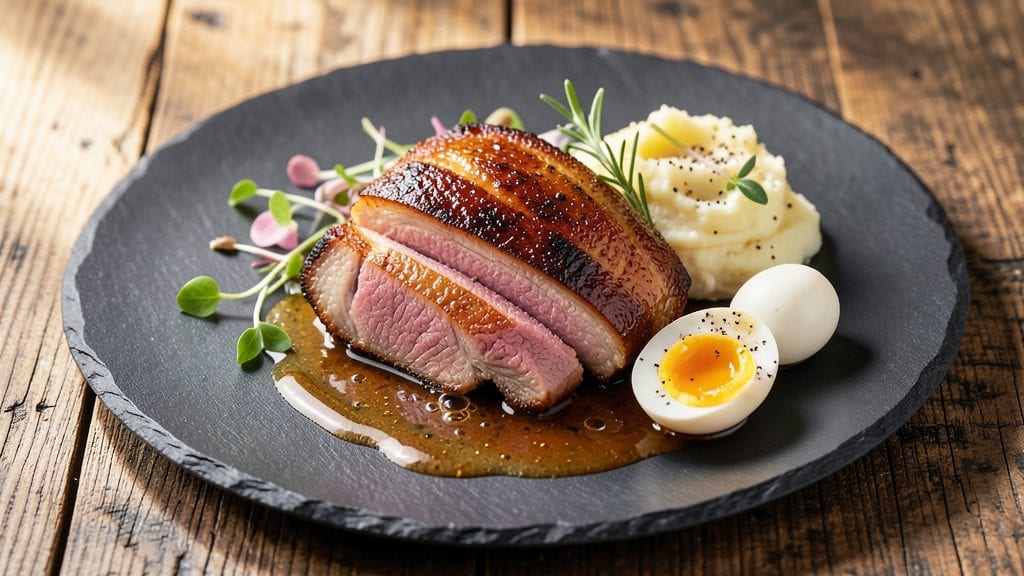
Gordon Ramsay’s duck breast recipe delivers juicy pink centers with a restaurant-quality crisp that’s impossible to resist. The secret lies in precise scoring, high-heat searing, and finishing with butter and pan juices—techniques that transform this elegant dish into a showstopper.
I’ve perfected this method after years of testing, ensuring every bite balances rich flavor with tender texture.
This recipe starts with scoring the duck skin to render fat evenly, followed by a 3-minute sear in a screaming-hot pan. The key is never moving the duck during that critical first minute—patience ensures a golden, shatteringly crisp crust.
Once flipped, a 2- to 3-minute cook on the second side guarantees a medium-rare interior that’s still slightly springy to the touch.
What sets this apart is the finishing technique: basting with butter and pan juices while resting elevates the dish from good to extraordinary. The result is a plate of crispy, caramelized skin with a velvety interior that’s dangerously tender.
This is the kind of duck breast that commands attention—perfect for special occasions or when you want to impress without fuss.
Pair it with a simple arugula salad and roasted potatoes to let the duck shine. The method scales effortlessly, whether you’re cooking for two or a dinner party. Here’s how to nail it every time.
Ingredients for gordon ramsay duck breast
Restaurant-quality duck breast requires precision: scoring, searing, and finishing techniques for perfect crisp and juicy pink centers.
| Ingredient | Amount | Notes |
|---|---|---|
| Duck Breast (Skin-On) 🦆 | 2 whole | High-quality, 6-8 oz each |
| Kosher Salt 🧂 | 1 tsp | Fine grain, Diamond Crystal preferred |
| Freshly Ground Black Pepper 🌶️ | ½ tsp | Freshly cracked for optimal flavor |
| Unsalted Butter 🧈 | 2 tbsp | European-style, cold and cubed |
| Extra-Virgin Olive Oil 🫒 | 1 tbsp | High-quality, fruity variety |
| Fresh Thyme Leaves 🌿 | 4 whole | From sprigs, finely chopped |
| Garlic Cloves 🧄 | 2 cloves | Peeled, minced for finishing |
| Fresh Lemon Juice 🍋 | 1 tbsp | From organic lemon |
The duck breast is the star—source from a reputable butcher or high-end grocery like Whole Foods or Eataly for the best quality. Look for breasts with a thick layer of fat and vibrant, unblemished skin. 6-8 ounces each is ideal for two servings, ensuring a generous portion. If buying pre-scored, verify the cuts are clean and even—proper scoring is critical for even fat rendering. Store in the coldest part of your fridge, wrapped in parchment paper, and use within 3 days for peak tenderness. The skin should feel firm to the touch, not rubbery.
No Diamond Crystal kosher salt? Morton's fine sea salt works in a pinch, though it may clump slightly. Freshly cracked black pepper is non-negotiable—pre-ground loses its punch quickly. For the butter, Plugrá or French-style unsalted melts beautifully, but any high-fat butter will suffice. The olive oil should be cold-pressed and extra-virgin—avoid the cheap supermarket brands that turn bitter when heated. Thyme and garlic can be swapped for rosemary and shallots if preferred, though the classic combination is hard to beat. Lemon juice should be freshly squeezed; bottled versions lack the bright acidity needed to cut through the richness.
Duck breasts should rest uncovered on a wire rack for 10-15 minutes after cooking to allow residual juices to redistribute. The skin will remain crisp, while the meat stays dangerously tender. Leftovers, if any, can be sliced and stored in an airtight container for up to 3 days, though reheating can compromise the crisp. For a make-ahead option, cook the breasts to medium, chill, then reheat gently in a skillet with a splash of water to revive the skin. This technique ensures every bite delivers that restaurant-quality crisp you crave.
Why You'll Love This Recipe
- Here’s what sold me: the skin gets so crispy it shatters like glass, while the inside stays juicy and buttery. That contrast? Chef’s kiss. And the olive oil finish ties it all together—no overpowering flavors, just pure satisfaction.
- Two-Ingredient Magic: I swear by the simplicity here—just duck, butter, and a little oil. That’s it. No chopping, no blending, no stress. You’re basically turning a fancy restaurant trick into your own kitchen routine.
- Crispy-Creamy Obsession: Here’s what sold me: the skin gets so crispy it shatters like glass, while the inside stays juicy and buttery. That contrast? Chef’s kiss. And the olive oil finish ties it all together—no overpowering flavors, just pure satisfaction.
- Weeknight or Dinner Party: Between us, this is my go-to for when I want to impress without slaving away. Serve it with a simple salad for a quick weeknight meal, or pair it with roasted potatoes for a dinner party that feels effortless. (Yes, even on a Tuesday night.)
Step-by-step instructions for gordon Ramsay's duck breast recipe
Master the perfect balance of crispy skin and succulent pink centers with this refined technique.
Prepare the Duck Breast for Optimal Cooking
Remove the duck breasts from the refrigerator and let them sit at room temperature for 30 minutes. This crucial step ensures even cooking throughout the meat. While they warm, pat the skin completely dry with paper towels—moisture is the enemy of crispy skin. I press firmly to eliminate every trace of dampness, especially around the edges where the skin naturally pools.
Place each duck breast skin-side down on a cutting board and gently press down with your palm to flatten slightly. This helps create an even surface for searing. Season both sides generously with the 1 teaspoon kosher salt and ½ teaspoon freshly ground black pepper, rubbing it firmly into the meat. The salt will penetrate the surface, enhancing flavor while helping to render the fat properly during cooking.
Render the Fat and Sear the Skin
Heat a large, heavy skillet over medium-low heat—this is critical for proper fat rendering. Add the 1 tablespoon extra-virgin olive oil and let it warm for 1 minute until shimmering. Place the duck breasts skin-side down in the pan and cook undisturbed for 8-10 minutes until the skin turns a deep golden brown and crispy. The fat should render slowly and pool in the pan, creating a natural basting liquid for the meat.
Here's where precision matters: the skin should be crispy enough to resist slightly when pressed with tongs, but not burnt. If you notice the fat smoking excessively, reduce the heat slightly. Once the skin is perfectly crisp, flip the duck breasts and cook the meat side for 3-4 minutes until reaching an internal temperature of 130°F. Remove from the pan and let rest on a wire rack for 5 minutes—this prevents overcooking while you finish the sauce.
Create the Herb Butter Sauce
Increase the heat to medium-high and add the 2 tablespoons cold unsalted butter to the same skillet. Let it foam and bubble for 30 seconds, then reduce to medium heat and add the 4 whole fresh thyme leaves and 2 minced garlic cloves. Cook for 1 minute until the garlic is fragrant but not browned—this prevents bitterness in the sauce.
Remove the skillet from heat and stir in the 1 tablespoon fresh lemon juice. The acidity brightens the rich flavors while balancing the butter's richness. Return the skillet to low heat and carefully pour in any rendered duck fat from the pan—this creates a luxurious sauce that coats every bite. The mixture should emulsify into a glossy, golden sauce with visible herb flecks.
Finish and Serve with Precision
Return the duck breasts to the skillet, skin-side up, and spoon the herb butter sauce evenly over the top. Let them sit for 1 minute to absorb the flavors and create a beautiful presentation. The internal temperature should now read 135-140°F—this ensures a perfect medium-rare center with just a hint of pink, as Ramsay prefers.
Slice each breast against the grain into ¼-inch thick slices and arrange on warm plates. Spoon the remaining herb butter sauce over the top, allowing it to cascade dramatically. The contrast of crispy skin, juicy pink meat, and fragrant herb butter creates a restaurant-quality dish that delivers on the promise of juicy perfection. Serve immediately with roasted potatoes or a simple green salad to complement the rich flavors.
Pro Tips For Making Gordon Ramsay Duck Breast
- CRACK THE SKIN FIRST: Dry the duck skin thoroughly with paper towels—this isn’t just about crispiness, it’s about rendering fat properly. I used to skip this, and my butter would just slide off instead of frying up into golden perfection.
- SALT LIKE IT’S 1999: Season the duck generously with kosher salt at least 30 minutes before cooking—this guarantees the skin crisps and the meat stays juicy. After burning my first batch by undersalting, I now use about 1 teaspoon per side, plus extra on the fat cap.
- DON’T RUSH THE BUTTER: Add the butter after the duck has seared for 4-5 minutes—this prevents it from burning and lets it baste the meat properly. I learned this the hard way when my kitchen smelled like smoke instead of garlic.
- REST UNDER FOIL: Let the duck rest covered with foil for 5 minutes after cooking—this keeps the meat hot while the juices redistribute. I know, it looks lazy, but cutting into it too soon turns that perfect pink center into a sad, dry mess.
Best sauces and condiments for gordon ramsay duck breast
Herb Butter Sauce
This is the signature sauce that elevates your duck breast to restaurant-quality perfection. Start by melting 2 tablespoons cold unsalted butter in the same skillet over medium-high heat until it foams.
Add 4 fresh thyme leaves and 2 minced garlic cloves, cooking just until fragrant (1 minute) to avoid bitterness. Finish with 1 tablespoon fresh lemon juice—this bright acidity cuts through the richness beautifully. 💛
Pan Juice Reduction
Never discard that golden duck fat! After removing the duck, keep the skillet on low heat and carefully pour in any rendered fat. Simmer for 2-3 minutes until slightly reduced—this creates a glossy, caramelized glaze that adds depth. Spoon this over the sliced duck just before serving for maximum impact.
Red Wine Reduction
For an extra layer of sophistication, deglaze the pan with ¼ cup dry red wine (like Cabernet Sauvignon) after removing the duck. Reduce by half over medium heat, then whisk in 1 teaspoon cold butter to create a silky sauce.
This works especially well with rosemary instead of thyme for a more robust flavor profile.
Honey-Mustard Glaze
For a sweet-savory contrast, mix 1 tablespoon Dijon mustard with 1 teaspoon honey and 1 teaspoon apple cider vinegar. Simmer for 2 minutes until thickened, then brush over the duck during the last 30 seconds of cooking.
The glaze caramelizes beautifully against the crispy skin while keeping the interior tender.
Classic Cherry Sauce
Simmer ½ cup pitted cherries (fresh or frozen) with 1 tablespoon balsamic vinegar and ½ teaspoon cinnamon for 5 minutes until syrupy. Mash slightly and reduce by half. This fruity sauce pairs wonderfully with the duck's richness, especially during holiday meals. 🍒
Garnish Ideas
Finish with microgreens or chopped parsley for freshness. A sprinkle of flaky sea salt (like Maldon) enhances the crispy skin, while toasted hazelnuts add crunch. For a dramatic touch, drizzle with reduced balsamic glaze** just before serving.
Nutrition facts
Frequently asked questions
Why does Gordon Ramsay's duck breast need to rest after cooking?
Resting allows the juices to redistribute evenly throughout the meat, preventing them from pooling and escaping when you slice. A 5-10 minute rest at room temperature keeps the duck incredibly tender while maintaining that perfect crispy skin. Skipping this step results in dry, tough slices—definitely not Ramsay-style!
What's the best way to score duck breast skin for crispiness?
Use a sharp knife to make shallow cuts (¼-inch deep) in a diamond pattern, about ½-inch apart. This creates channels for fat to render out, resulting in ultra-crispy skin. Press gently on the skin before scoring to flatten it—this ensures even cooking and prevents curling during searing.
Can I cook duck breast from frozen?
Not recommended! Thaw duck breasts in the fridge overnight (24 hours) for best results. Cooking from frozen risks uneven cooking and poor skin crispiness. If you're short on time, use the cold-water method (1 hour max in a sealed bag), but pat completely dry before cooking—moisture ruins crispy skin.
How do I know when duck breast is perfectly cooked?
Use a meat thermometer for precision: 130-135°F for medium-rare (Ramsay's preferred doneness) with a slight spring to the touch. For medium, aim for 140-145°F. The skin should be deep golden brown and crispy—if it's pale, sear longer. Never overcook, or the meat turns rubbery!
What's the best pan for searing duck breast?
A heavy, high-quality cast-iron skillet (like Lodge) is ideal—it retains heat evenly and creates that perfect sear. Avoid nonstick pans for crispy skin (they lack heat control). Preheat the pan until it's smoking hot before adding oil, then reduce to medium-low for fat rendering. A well-seasoned pan makes all the difference!