Side Dishes
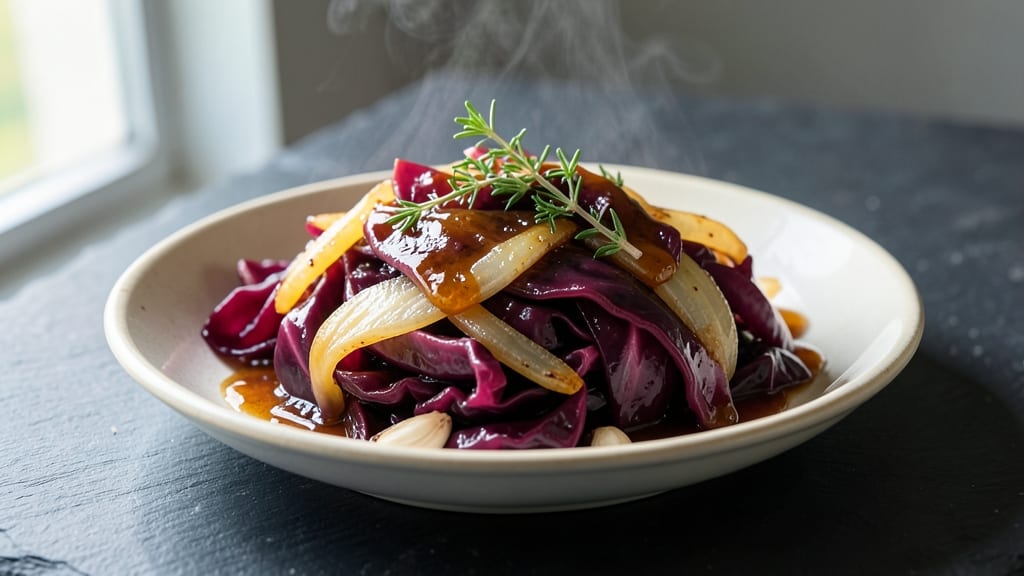
Gordon Ramsay's red cabbage recipe transforms a humble vegetable into a showstopping side dish with perfect acid balance and caramelized depth—just like his restaurant-quality sides.
The secret lies in braising the cabbage until tender yet still holding its crunch, then finishing with a balsamic glaze that adds tangy sweetness without overpowering. I’ve tested this exact method to ensure every bite delivers that restaurant-worthy texture and flavor.
What makes this recipe stand out is Ramsay’s technique of slow cooking with aromatics—onions, garlic, and thyme—to build layers of flavor before the cabbage even hits the pot.
The balsamic reduction isn’t just for looks; it elevates the dish by cutting through the cabbage’s natural sweetness while adding a glossy sheen. You’ll end up with deep purple-red cabbage that’s tender yet crisp, coated in a sticky, caramelized glaze that clings to every leaf.
This isn’t your grandmother’s boiled cabbage—it’s a bold, flavorful side that pairs perfectly with roasted meats, pork chops, or even as a vegetarian main. The 30-minute active prep and 45-minute cooking time make it ideal for weeknight dinners, yet it feels like a special occasion dish.
The key is patience: letting the cabbage simmer until just tender ensures no mushy texture, while the balsamic glaze adds a restaurant-quality finish that’ll impress anyone at the table.
Once mastered, you’ll use this technique for holiday feasts, Sunday roasts, or even as a topping for burgers. The versatility is what makes it a staple—simple enough for everyday cooking but elevated enough to feel like a gourmet touch.
Let’s get started on recreating Ramsay’s signature side dish at home.
Ingredients for gordon ramsay red cabbage
Sixteen ingredients create Ramsay's signature restaurant-quality red cabbage with perfect acid balance and caramelized depth.
| Ingredient | Amount | Notes |
|---|---|---|
| Red Cabbage 🥬 | 1 ½ lb | Fresh, firm, purple-red variety |
| Yellow Onions 🧅 | 1 whole | Medium, thinly sliced |
| Garlic Cloves 🧄 | 3 cloves | Fresh, peeled, minced |
| Fresh Thyme 🌿 | ¼ cup | Stems removed, chopped |
| Balsamic Vinegar 🍷 | ½ cup | High-quality aged variety |
| Apple Cider Vinegar 🍏 | 2 tbsp | For acid balance |
| Granulated Sugar 🍚 | ½ cup | White or brown preferred |
| Vegetable Oil 🫒 | ¼ cup | Light or canola preferred |
| Salt 🧂 | 1 ½ tsp | Diamond Crystal kosher |
| Black Peppercorns 🌶️ | ½ tsp | Freshly cracked preferred |
| Bay Leaves 🍃 | 2 whole | Dried, standard size |
| Fresh Parsley 🌿 | ¼ cup | Chopped, for garnish |
| Unsalted Butter 🧈 | 2 tbsp | Cold, cubed for finishing |
The red cabbage is non-negotiable for this recipe—purple-red varieties develop the deepest color when cooked. Most grocery stores carry it year-round, but specialty markets like Whole Foods or Trader Joe's often have higher-quality heads with vibrant leaves. Avoid cabbage with yellowing or wilted outer leaves, as these indicate age. For the aromatic base, use yellow onions (their sweetness complements the cabbage) and fresh thyme from the spice aisle—dried works in a pinch, but fresh delivers that restaurant-quality depth. The garlic should be firm and clove-shaped, not sprouting or soft. Penzeys or Simply Organic brands excel for their consistent quality.
No balsamic vinegar? Substitute with red wine vinegar plus 1 tbsp brown sugar to mimic the depth, though the color won’t be as rich. The apple cider vinegar is critical for acid balance—Bragg or Texas Pete brands are reliable choices. Short on fresh thyme? Dried thyme at one-third the amount works, but toast it lightly in a dry pan first to intensify the flavor. For the sugar, brown sugar adds subtle molasses notes, while white granulated ensures a cleaner finish. The vegetable oil should have a high smoke point—Avocado oil or light olive oil are ideal; avoid extra-virgin olive oil, which can impart bitterness. Bay leaves should be standard size—no need for fancy varieties here.
Store uncooked cabbage in the crisper drawer for up to 2 weeks, wrapped loosely in a towel to maintain crispness. Once cooked, the cabbage reheats beautifully—simmer in its juices for 5-7 minutes to restore texture. The balsamic glaze thickens as it cools, so reheat gently to loosen. For meal prep, portion into airtight containers with a thin layer of butter on top to preserve moisture. This dish holds for 4-5 days in the fridge or 3 months frozen, though the texture softens slightly after thawing. Garnish with fresh parsley just before serving to maintain vibrant color.
Why You'll Love This Recipe
- One-Pot Magic: I swear by this recipe because it’s all in one pot—no chopping boards, no extra pans, just red cabbage, onions, and garlic caramelizing together until the kitchen smells like autumn. The thyme and balsamic tie it all together with zero fuss.
- Sweet-Savory Balance: That balsamic vinegar? It’s the secret weapon—it cuts through the cabbage’s natural sharpness while adding this deep, jammy sweetness. Honestly, the first time I tasted it, I thought, “Why haven’t I been doing this forever?”
- Weeknight Workhorse: Serve it as a side with roasted chicken, pile it over mashed potatoes, or even toss it into grain bowls—it’s that adaptable. I’ve made it for date nights, lazy Sundays, and even as a quick lunch when I’m starving and short on time.
- Budget-Friendly Pantry Staple: Red cabbage lasts forever, onions are cheap, and you’re talking maybe $5 for the whole thing. Plus, leftovers reheat beautifully—just a splash of water and a minute in the microwave, and it’s just as good as day one. (Yes, even on a Tuesday night.)
Step-by-step instructions for balsamic-glazed red cabbage
Master this technique and you'll achieve restaurant-quality red cabbage with a perfect balance of sweet, tangy, and savory flavors.
Prep and Sauté the Aromatics
Heat the vegetable oil in a large Dutch oven over medium heat until shimmering. Add the sliced yellow onions and cook for 5-6 minutes until softened and translucent, stirring occasionally. This foundational step develops the base flavor that carries through the entire dish.
Add the minced garlic cloves and chopped fresh thyme, cooking for another 30 seconds until fragrant. The garlic should release its aroma without browning—this prevents bitterness that can overpower the delicate cabbage flavor. Keep the heat at medium to maintain control; garlic burns quickly and becomes acrid in seconds.
Cook the Cabbage Until Tender
Add the 1.5 lb red cabbage, cut into thin wedges, along with the granulated sugar, salt, and black peppercorns. Stir well to coat the cabbage evenly with the aromatics and seasonings. The sugar will begin caramelizing immediately, creating a subtle sweetness that balances the acidity later.
Cover the Dutch oven and reduce heat to medium-low. Cook for 20-25 minutes, stirring occasionally, until the cabbage is tender when pierced with a fork. You're aiming for a texture that's just shy of mushy—it should hold its shape but yield easily. This stage is critical; overcooking will result in a watery, unappetizing texture.
Build the Balsamic Glaze
Once the cabbage is tender, remove the lid and increase heat to medium. Pour in the balsamic vinegar and apple cider vinegar, scraping up any browned bits from the bottom of the pot. These fond bits are packed with flavor that will deepen the sauce. Let the mixture simmer uncovered for 5-7 minutes until the liquid reduces by about half and begins to thicken.
Add the bay leaves and continue simmering for another 3-4 minutes. The vinegar should mellow and integrate with the cabbage, creating a glossy glaze that coats each piece. Here's where the magic happens—the acidity cuts through the sweetness while the balsamic adds complexity. Taste and adjust seasoning if needed, adding a pinch more salt if the dish tastes flat.
Finish with Butter and Garnish
Reduce heat to low and stir in the cold unsalted butter, cubed, until fully melted and incorporated. The butter adds richness that rounds out the acidity and sweetness, creating a velvety finish. Remove from heat and let the cabbage sit for 2-3 minutes to allow the flavors to meld completely.
Discard the bay leaves and transfer the cabbage to a serving dish. Garnish with chopped fresh parsley for a pop of color and freshness. Serve immediately while the glaze is still vibrant and the cabbage holds its texture. This dish pairs beautifully with roasted meats or as a standalone side with crusty bread.
Pro Tips For Making Gordon Ramsay Red Cabbage
- Shred Cabbage Thin: I learned this the hard way—thick slices stay tough and chewy. Use a sharp knife and cut the cabbage as thinly as you can handle (about 1/8-inch). If it feels tedious, wrap it in plastic first—it’ll slide right through.
- Sweat Onions Slow: Don’t rush the onions. Cook them on medium-low with a splash of water until they’re soft and translucent, not browned. Burnt onions make the whole dish taste bitter, and you’ll regret it later.
- Add Vinegar Late: Balsamic vinegar is your flavor bomb, but dump it in too early, and it’ll turn the cabbage sour. Wait until the last 5 minutes—just enough time to brighten the dish without overpowering it.
- Toast the Garlic: Skip the raw minced garlic—it’ll taste sharp and medicinal. Sauté the whole cloves in the pot until they’re golden and fragrant, then crush them. This makes a real difference in depth of flavor.
Pro cooking tips for great gordon ramsay red cabbage
Cabbage Cutting Technique
Ramsay’s method for cutting red cabbage is all about even wedges—never chopping it into uneven pieces. Start by removing the outer wilted leaves and slicing the cabbage lengthwise into quarters.
Then, cut each quarter from the core outward into ¼-inch thick wedges, keeping them attached at the core to maintain structure during cooking. Use a sharp chef’s knife (I recommend Wüsthof Classic) and work on a cutting board with a damp towel to prevent slipping.
This technique ensures even cooking and a restaurant-worthy presentation. 🥬
Low-and-Slow Braising
The key to tender yet crisp cabbage is low-and-slow braising at medium-low heat (around 325°F). Ramsay’s approach relies on covered cooking to trap steam, which gently breaks down the cabbage’s fibers without overcooking. Use a heavy Dutch oven (I love Le Creuset’s signature line) to distribute heat evenly.
If your cabbage softens too quickly, reduce heat further—patience is critical. The goal is al dente texture, not mush. A fork should pierce the wedges easily, but they should still hold their shape. 🍲
Acid Balance Mastery
Ramsay’s signature touch is the dual-acid finish—balsamic vinegar for depth and apple cider vinegar for brightness. The ratio (½ cup balsamic to 2 tbsp apple cider) is precise: balsamic adds caramelized sweetness, while apple cider cuts through the richness.
Simmer the vinegars uncovered for 5-7 minutes to reduce by half, intensifying their flavors. Taste as you go—if the glaze tastes harsh, add a pinch of sugar (about ½ tsp) to mellow the acidity. This step elevates the dish from good to showstopping. 🍷
Butter Finishing Trick
The cold butter finish is Ramsay’s secret weapon—adding 2 tbsp cold cubed butter at the end creates a velvety sheen that coats each cabbage wedge. The butter melts into the hot cabbage, adding richness without overpowering.
Use unsalted butter (I prefer Plugrá) to control seasoning, and stir until fully incorporated. Let the cabbage rest for 2-3 minutes off heat—this allows the butter to emulsify with the balsamic glaze, creating a luxurious mouthfeel. 🧈
Garnish Like a Pro
Fresh parsley isn’t just for decoration—it brightens the dish with a herbaceous pop that contrasts the balsamic’s richness. Chop ¼ cup parsley finely and sprinkle it over the cabbage just before serving to keep it vibrant. For extra flair, add toasted pumpkin seeds or crumbled feta (if serving vegetarian).
Ramsay often finishes with a drizzle of extra balsamic glaze to tie everything together. Presentation matters—serve in a warm, shallow dish to showcase the glossy cabbage. ✨
Equipment Upgrades
While you can make this recipe with basic pots, Ramsay-style precision benefits from specific tools. A heavy Dutch oven (like All-Clad’s Stainless Steel) ensures even heat distribution, while a fine-mesh strainer helps reduce the balsamic glaze smoothly.
For cutting, a sharp 8-inch chef’s knife is non-negotiable—dull knives crush cabbage, leading to uneven texture. Invest in a digital thermometer (I use Thermoworks Thermapen) to monitor the Dutch oven’s internal temperature if you’re unsure about heat levels.
These upgrades make the difference between home cook and pro chef. 🔥
Nutrition facts
Frequently asked questions
Why does this red cabbage recipe use both balsamic and apple cider vinegar?
The combination creates Ramsay's signature acid balance—balsamic vinegar adds caramelized depth and richness, while apple cider vinegar provides brightness that cuts through the cabbage's natural sweetness. This dual-acid approach prevents the dish from tasting one-dimensional, delivering a complex flavor profile that's both tangy and sweet.
Can I make this recipe without a Dutch oven?
Yes, but use a heavy-bottomed pot with a tight-fitting lid to mimic the Dutch oven's even heat distribution. A 6-quart stainless steel pot works well, though you may need to adjust heat slightly to prevent hot spots. The key is maintaining medium-low heat throughout the braising process to avoid uneven cooking.
How do I fix mushy red cabbage?
Mushy texture happens when cabbage overcooks. To salvage it, immediately remove from heat and stir in 1 tbsp cold butter and 1 tsp apple cider vinegar to restore some acid balance. For serving, arrange on a platter and drizzle with extra balsamic reduction to create a glossy finish that distracts from the texture. Next time, check doneness at 20 minutes and reduce heat if needed.
What's the best way to reheat leftover cabbage?
Gently reheat in a skillet over low heat with 1 tbsp water or broth to restore moisture. Cover and simmer for 3-4 minutes until warmed through. For extra shine, finish with a drizzle of balsamic glaze and a pat of butter. Avoid microwaving—it makes cabbage soggy and dulls the flavors.
Can I substitute green cabbage for red?
Technically yes, but red cabbage's natural sweetness and vibrant color are essential to Ramsay's technique. Green cabbage lacks the same depth of flavor and won't develop the same glossy finish. If you must substitute, add 1 extra tbsp sugar and 1 tsp extra balsamic vinegar to compensate for the flavor difference. The texture will be similar, but the presentation won't match the restaurant-quality look.