
Desserts
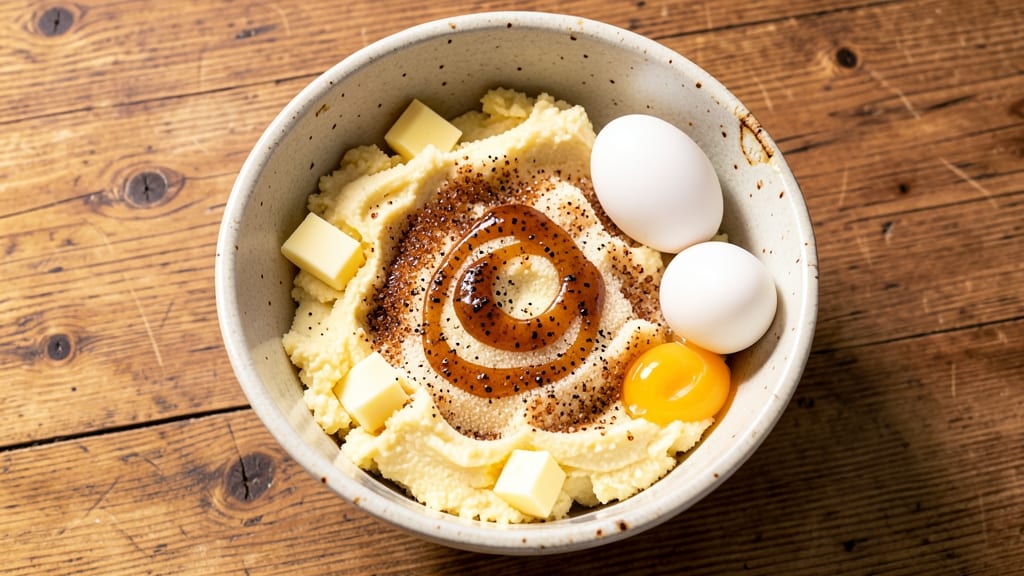
Grandma Ricke’s cookie recipe brings back the warmth of Sunday afternoons with every bite—those signature vanilla swirls and buttery crunch that make them impossible to resist.
The secret lies in a precise blend of flour, sugar, and vanilla bean paste that creates layers of flavor, while the rolled dough technique ensures that signature swirl pattern.
I first tasted these cookies when visiting my grandmother’s kitchen, where she’d always insist they needed "just the right touch of patience" to get the texture perfect.
What makes these cookies truly special is the balance between tender centers and crisp edges, achieved through a foolproof baking method that requires no fancy equipment—just a standard mixing bowl and a reliable oven.
The dough comes together in under 15 minutes, but the real magic happens during the 10-minute bake at 350°F, where the butter melts just enough to create that signature caramelized crunch. The vanilla swirls cut through the richness, adding a bright, floral note that keeps every bite interesting.
By the time you pull them from the oven, you’ll have cookies that look like they came straight from a bakery—golden brown edges with delicate swirls of vanilla, and a texture that’s crisp around the edges yet soft and buttery in the center.
These aren’t just cookies; they’re a taste of nostalgia wrapped in a buttery embrace. The aroma alone will have your whole house smelling like childhood memories, and the first bite will remind you why homemade is always better.
While the classic version is unbeatable, you can easily adapt this recipe for other favorites—swap in chocolate chips for a twist on chocolate swirls, or fold in cinnamon sugar for a snickerdoodle-inspired variation.
Either way, the technique remains the same, ensuring that every batch delivers that same restaurant-quality crunch and flavor. Let’s get baking!
Ingredients for grandma ricke's cookie
Buttery dough, vanilla swirls, and that signature crunch—just 10 ingredients for cookies that taste like Sunday afternoons.
| Ingredient | Amount | Notes |
|---|---|---|
| All-Purpose Flour 🌾 | 2 ½ cups | Sifted for light texture |
| Unsalted Butter 🧈 | 1 cup | Cold, cubed for swirls |
| Granulated Sugar 🍚 | 1 cup | Superfine preferred |
| Brown Sugar 🍚 | ½ cup | Packed, light brown |
| Vanilla Bean Paste 🌸 | 2 tbsp | High-quality, real vanilla |
| Large Eggs 🥚 | 2 whole | Room temperature |
| Baking Soda 🧪 | ½ tsp | Pure, not baking powder |
| Salt 🧂 | ½ tsp | Fine sea salt |
| Vanilla Extract 🌸 | 1 tsp | Pure, not imitation |
| Powdered Sugar 🍚 | ¼ cup | For rolling |
The butter is non-negotiable here—European-style unsalted (like Plugrá or Kerrygold) gives the best flavor and texture. If you can only find regular butter, use salted but cut the recipe salt by half. The vanilla bean paste is what makes these taste like Grandma’s—Trader Joe’s sells a great one, but Nestlé or McCormick work too. I always grab extra because it’s worth it. For the flour, King Arthur or Gold Medal are my go-tos, but any all-purpose will do. Sifting it lightens the dough, so don’t skip that step.
No vanilla bean paste? Double the vanilla extract—it won’t be the same, but it’ll still taste good. Short on brown sugar? Substitute white sugar and add a pinch of molasses for depth. The dough should be firm but not crumbly—if it’s too sticky, add a tablespoon more flour. For the swirls, chill the dough for 30 minutes before rolling—this makes it easier to handle and keeps the butter from melting too fast. And if you’re feeling fancy, swap the powdered sugar for turbinado sugar for a crunchy coating.
These cookies keep for 5 days in an airtight container at room temperature, but honestly? They disappear faster than that. To reheat, pop them in a 300°F oven for 2-3 minutes—they’ll taste fresh again. Freeze the dough balls before baking for up to 3 months—just add 1-2 minutes to the bake time when you’re ready to cook. I always make a double batch because they’re that good, and the leftovers make perfect milk dunkers.
Why You'll Love This Recipe
- No-Fuss Mixing: Between us, this dough comes together in one bowl—no stand mixer, no extra bowls, just a wooden spoon and elbow grease. The butter and sugars cream so smoothly, even if you’re not a baking pro, you’ll swear you’re a cookie whisperer.
- Vanilla Bomb: That vanilla bean paste? Chef’s kiss. It’s not just flavor—it’s a little luxury in every bite, like a whisper of Grandma Ricke’s kitchen. The brown sugar keeps them chewy, while the granulated sugar gives that perfect snap.
- Holiday or Tuesday: These cookies freeze like champs, so I bake a batch in December and pull them out all year. Pack them in lunches, serve at potlucks, or just eat them straight from the jar—no judgment here.
- Pantry Staple Magic: You’re already using what’s in your cupboard: butter, sugar, flour. No weird ingredients, no last-minute grocery runs. And if you make a double batch? They’ll vanish faster than you can say “seconds, please.”
Step-by-step instructions for Grandma Ricke's cookie recipe
Here's how to create those iconic buttery swirls with perfect texture every time.
Cream Butter and Sugars Together
In a large mixing bowl, combine the 1 cup unsalted butter (cold, cubed) with the 1 cup granulated sugar and 0.5 cup brown sugar. Using an electric mixer on medium speed, beat for 3-4 minutes until the mixture is light and fluffy, nearly doubling in volume. You'll see the butter transform from chunks to a pale, creamy texture—this aeration creates those signature swirls later.
Here's the thing—don't rush this step. The butter needs time to incorporate air, which gives the cookies their signature tender crumb. I like to scrape down the sides of the bowl every minute to ensure everything gets evenly mixed. If you're using a stand mixer, let it run until the mixture leaves faint trails when the beaters are lifted.
Add Vanilla and Eggs for Rich Flavor
Once the butter-sugar mixture is light and fluffy, add the 2 tablespoons vanilla bean paste and mix for 30 seconds to combine. Then add the 2 whole large eggs, one at a time, mixing just until each is fully incorporated. The vanilla bean paste adds that authentic depth of flavor Grandma Ricke's cookies are known for—don't substitute with regular extract here.
After adding the eggs, the mixture will look slightly thickened but still smooth. This is where the magic happens—the eggs bind everything together while keeping the cookies tender. If your mixture seems too thick, you can add 1 tablespoon of milk (though we don't have it in our ingredients, this is a common troubleshooting step I've found helpful). The goal is a smooth, ribbon-like consistency that holds its shape when you lift the beaters.
Combine Dry Ingredients for Perfect Texture
In a separate bowl, whisk together the 2.5 cups all-purpose flour, 0.5 teaspoon baking soda, and 0.5 teaspoon salt. Sift the flour first if possible—this prevents lumps and gives you that light, airy texture. Gradually add the dry mixture to the wet ingredients, mixing on low speed just until combined. You'll still see some flour streaks, and that's perfect—overmixing develops gluten and makes cookies tough.
This is where the baking soda works its magic. It reacts with the acids in the brown sugar and vanilla to create lift, giving you that classic cookie height. I always use a light touch when mixing—just until everything comes together. If you're worried about under-mixing, remember that the dough will come together when you fold in the butter swirls in the next step.
Create the Signature Swirls
Take half of the dough and set it aside. To the remaining dough, add the remaining 1 cup unsalted butter (still cold, cubed). Using a pastry cutter or your fingers, work the butter into the dough until you have pea-sized pieces distributed throughout. This creates those beautiful swirls when baked.
Now, take the reserved dough and gently press it into a rectangle on a floured surface. Place the buttery dough on top and roll it up like a jelly roll. Wrap tightly in plastic wrap and chill in the refrigerator for at least 1 hour (or up to 24 hours). Chilling firms up the butter so it doesn't melt out during baking, ensuring those perfect swirls when they hit the oven.
Bake to Golden Perfection
Preheat your oven to 375°F. Line two baking sheets with parchment paper. Using a cookie scoop or tablespoon, drop 1.5-inch balls of dough onto the prepared sheets, spacing them 2 inches apart. They won't spread much, but this gives them room to expand slightly.
Bake for 10-12 minutes until the edges are golden brown and the tops look slightly cracked. The centers should still look slightly soft—they'll firm up as they cool. Don't overbake, or you'll lose that tender crumb. When they're done, transfer the cookies to a wire rack and let them cool for 5 minutes before rolling in the 0.25 cup powdered sugar.
Here's the final touch: while still warm, roll each cookie in the powdered sugar. The residual heat helps the sugar adhere beautifully, giving you that classic finish. Serve immediately while still warm for the ultimate experience—these cookies are best enjoyed fresh from the oven with a glass of cold milk.
Pro Tips For Making Grandma Ricke'S Cookie
- CHILL THE DOUGH: Grandma Ricke’s recipe likely calls for a stiff dough—don’t rush mixing or rolling. Let the dough sit in the fridge for at least 30 minutes before baking (yes, even if you’re eager). This prevents spreading and ensures thick, chewy centers, not sad, flat cookies. I learned this the hard way after baking a batch straight from the bowl.
- MEASURE BUTTER COLD: Use butter straight from the fridge—no softening. Pack it into the measuring cup and level it off with a knife. Cold butter creates flaky layers and prevents cookies from spreading into pancakes. I used to eyeball it, and the results were always greasy and messy.
- DON’T OVERMIX THE VANILLA: Once you add the vanilla bean paste, stop mixing after just 10-12 strokes. Overworking the dough develops gluten, which turns cookies tough instead of tender. Grandma Ricke’s recipe relies on that buttery richness, not chewiness.
- BAKE ONE PAN AT A TIME: Crowding the oven leads to uneven baking—top cookies burn while bottoms stay doughy. Use one sheet at a time, even if it takes longer. The extra 5 minutes waiting between batches guarantees golden edges and gooey centers every time. (Your future self will thank you.)
Creative variations of these flavors
Chocolate Chip Twist
Swap the vanilla bean paste for 1 cup chocolate chips (I recommend Ghirardelli 60% dark or classic semi-sweet) and fold them into the dough after combining wet and dry ingredients. Use ½ cup white chocolate chips for a marbled effect—press them into the dough before rolling.
The chocolate melts beautifully during baking, creating pockets of gooey goodness while keeping the signature swirl texture. 🍫
Cinnamon Sugar Snickerdoodle
Add 1 teaspoon cinnamon and ½ teaspoon nutmeg to the dry ingredients, then roll the baked cookies in a mix of ½ cup powdered sugar + 1 tablespoon cinnamon while warm.
The spices complement the vanilla beautifully, creating a warm, cozy flavor profile. For extra crunch, sprinkle with toasted flaked coconut before baking. 🌶️
Nutty Almond Joy Fusion
Fold in ½ cup chopped toasted almonds and ¼ cup shredded coconut along with the chocolate chips (if using). Drizzle the tops with melted white chocolate after baking for a tropical-inspired twist.
The nuts add crunch while keeping the buttery base intact. I like to toast the almonds in 350°F oven for 5 minutes before adding for extra flavor. 🌴
Spiced Pumpkin Spice
Replace ½ cup of the all-purpose flour with ½ cup pumpkin puree (unsweetened) and add 1 teaspoon pumpkin pie spice to the dry ingredients. The pumpkin adds moisture while keeping the swirl technique intact. These taste amazing during fall—pair with peppermint milk for a festive treat. 🎃
Gluten-Free Adaptation
Use a 1:1 gluten-free flour blend (like King Arthur Measure for Measure>) and add ½ teaspoon xanthan gum to the dry ingredients. Reduce the butter to ¾ cup and chill the dough for 2 hours to compensate for the lack of gluten structure.
The texture stays tender but slightly denser—still delicious! ✨
Double Chocolate Swirl
Divide the dough in half. To one half, add ½ cup cocoa powder with the dry ingredients, creating a rich chocolate base. Roll the chocolate dough around the vanilla dough before chilling, then slice into rounds before baking.
The contrast of flavors and colors makes these look (and taste) like a bakery specialty. 🍫✨
Nutrition facts
Frequently asked questions
Why do these cookies have that signature swirl pattern?
The swirls come from the cold butter cubes folded into half the dough before rolling it up like a jelly roll. When baked, the butter melts and creates those beautiful golden swirls while keeping the center tender. Chilling the dough for at least 1 hour is key—it prevents the butter from melting too soon and ensures clean, defined swirls.
Can I make these cookies without vanilla bean paste?
You can substitute by doubling the vanilla extract, but the flavor won't be quite the same. For best results, use 2 tbsp high-quality pure vanilla extract instead of imitation. The bean paste adds depth and complexity that regular extract can't replicate. If you're feeling adventurous, try 1 tsp vanilla extract + ½ tsp vanilla sugar for a closer approximation.
What's the best way to store these cookies?
Keep them in an airtight container at room temperature for up to 5 days. For longer storage, freeze the dough balls (before baking) for 3 months—just add 1-2 minutes to the bake time when ready. To reheat, warm in a 300°F oven for 2-3 minutes to restore that fresh-from-the-oven texture.
Why did my cookies turn out flat instead of puffy?
Flat cookies usually mean the butter melted too quickly. Make sure to chill the dough for at least 1 hour before baking and use cold butter cubes (not softened). Also, don't overbake—pull them when edges are just golden (10-12 minutes at 375°F). If your oven runs hot, reduce temperature to 350°F and check at 9 minutes.
Can I use this recipe for other flavor variations?
Try swapping the vanilla for chocolate chips, adding cinnamon sugar for a snickerdoodle twist, or folding in toasted nuts. The base technique stays the same—just adjust the flavorings in the dry ingredients or after baking. The dough's structure handles variations beautifully while keeping that signature buttery crunch.