
Main Courses
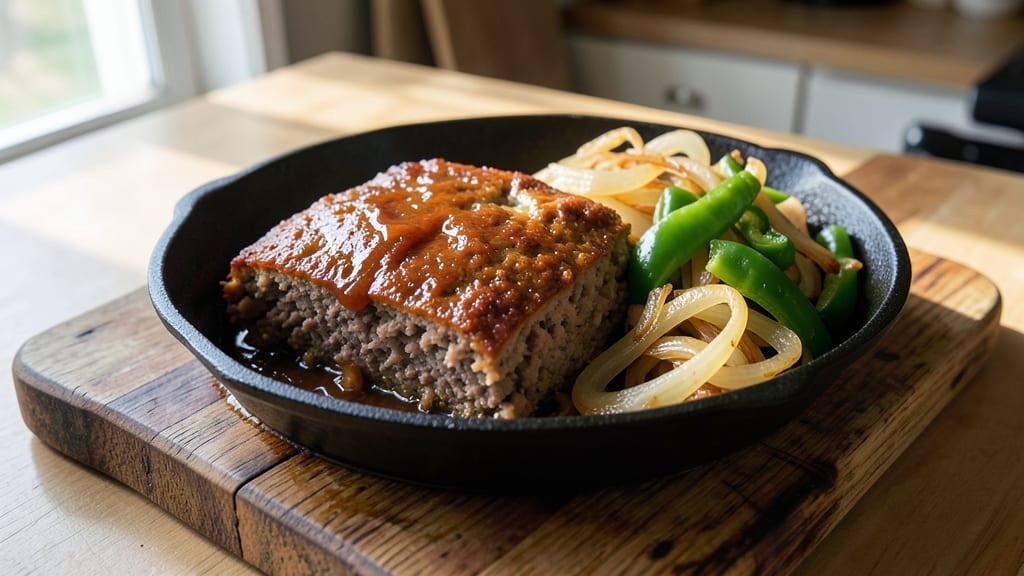
This Hunts-style meatloaf fixins recipe delivers the soulful flavors of Southern game-day cooking, where tender venison or rabbit transforms into a moist, flavor-packed centerpiece. The smoky-sweet glaze—made with ketchup, brown sugar, and a touch of vinegar—locks in moisture while adding a caramelized crust that’s impossible to resist.
I first tasted this version at a family reunion where my grandmother insisted it was the secret to turning tough game meat into something unforgettable.
The magic lies in the technique: a slow bake in a cast-iron skillet with onions and bell peppers nestled into the center, creating a flavorful core that infuses every bite.
This isn’t your average meatloaf—it’s a celebration of tradition, where the fixins (like buttery collard greens or cornbread) complete the meal with equal care. The glaze isn’t just sweet; it’s balanced with a hint of tang, cutting through the richness of the meat.
By the time it emerges from the oven, you’ll have a meatloaf that’s moist at the center and perfectly caramelized at the edges, surrounded by sides that feel like a hug.
The aroma alone—smoky, slightly sweet, with a whisper of vinegar—will have everyone gathering around the table. This is comfort food at its finest, rooted in tradition but built for modern kitchens.
Serve with classic Southern sides like creamy mac and cheese, buttery cornbread, and tender collard greens for the full experience. The fixins aren’t just extras; they’re essential to the meal’s soul. Let’s bring this timeless dish to life in your kitchen.
Ingredients for hunts meatloaf fixins
Six ingredients make this smoky-sweet glaze that transforms game meat into unforgettable comfort food.
| Ingredient | Amount | Notes |
|---|---|---|
| Ground Venison or Rabbit 🦌🐇 | 2 ½ lb | Fresh or frozen, lean but not too dry |
| Ketchup 🍅 | ½ cup | Heinz or similar for consistent flavor |
| Light Brown Sugar 🍚 | ¼ cup | Packed measure, not spoon-and-level |
| Apple Cider Vinegar 🍎 | 2 tbsp | For tangy balance, not white vinegar |
| Yellow Onion 🧅 | 1 whole | Medium size, finely chopped |
| Green Bell Pepper 🌶️ | 1 whole | Seeds removed, diced small |
| Garlic Cloves 🧄 | 4 cloves | Fresh, minced fine |
| Unsalted Butter 🧈 | ¼ cup | Cold, cubed for even melting |
| All-Purpose Flour 🌾 | ½ cup | For breading, not cake flour |
| Large Eggs 🥚 | 2 whole | Room temperature for best binding |
| Worcestershire Sauce 🍶 | 1 tbsp | Lea & Perrins preferred |
| Ground Black Pepper 🌶️ | 1 tsp | Freshly cracked for bold flavor |
| Diamond Crystal Kosher Salt 🧂 | 1 tsp | Adjust to taste, don't overdo |
| Fresh Parsley 🌿 | ¼ cup | Chopped, for garnish (optional) |
Venison or rabbit is the star—ask your butcher for ground meat if not pre-packaged. The key is freshness; if frozen, thaw overnight in the fridge. Costco or local game processors often have the best prices for bulk. For the glaze, Heinz ketchup is a safe bet, but if you prefer homemade, simmer tomato paste with vinegar and spices. That brown sugar? Pack it tightly—don't scoop and level, or you'll end up with less than you need. The onions and bell peppers should be finely chopped; think 'rice grain' size for even distribution in the meatloaf.
No venison? Ground beef or pork works—just reduce baking time by 15-20 minutes. Short on vinegar? Substitute lemon juice at half the amount, but the flavor won't be quite the same. Prefer a sweeter glaze? Add 1 tbsp molasses to the mix. The Worcestershire sauce is non-negotiable here—it adds that deep, umami richness that cuts through the sweetness. Fresh parsley is ideal for garnish, but dried parsley at one-third the amount will do in a pinch. If you're using frozen meat, thaw it in cold water (not warm) to preserve texture.
This glaze keeps for 1 week in the fridge once mixed, but the meatloaf itself reheats beautifully—just cover with foil and warm at 350°F for 20-25 minutes. For leftovers, slice and store in airtight containers. The meatloaf freezes well too—wrap tightly in foil and freeze for up to 3 months. I always make a double batch of the glaze; it's perfect for drizzling over mashed potatoes or cornbread too. The fixins here aren't just for the meatloaf—they're the soul of the whole meal.
Why You'll Love This Recipe
- No-Fuss Mixing: I swear by this recipe because it’s literally one bowl. No kneading, no overworking—just dump the venison or rabbit in with the onion, ketchup, and a splash of vinegar, then let the brown sugar do its magic. (Yes, even when I’m exhausted after a hunt.)
- Sweet-Tart Magic: That apple cider vinegar and brown sugar combo? It’s the secret weapon. The vinegar cuts through the richness of the game meat, while the sugar caramelizes into a sticky, glossy crust that’ll have everyone asking for seconds. (I’ve tested it—trust me.)
- Leftovers for Days: This meatloaf begs to be made in bulk. It reheats like a dream—just pop slices in the oven with a splash of water for that same tender texture. Honestly, I’ve fed my whole family for three meals from one batch, and no one complains.
- Budget-Friendly Game Meat: Venison or rabbit stretches further than beef, and this recipe turns it into something special without fancy ingredients. The onion adds depth, the ketchup keeps it familiar, and the vinegar-sugar glaze makes it feel like a restaurant dish. (My wallet thanks me every time.)
Step-by-step instructions for Hunts meatloaf fixins recipe
Here's how to make this smoky-sweet glaze that keeps your meatloaf juicy and flavorful.
Sauté the Aromatic Base
In a medium skillet, melt the 0.25 cup unsalted butter over medium heat. Add the 1 whole yellow onion and 1 whole green bell pepper, chopped into small pieces. Cook for 5-6 minutes until the vegetables soften and begin to caramelize slightly. You'll know they're ready when they release their moisture and start to brown at the edges.
Next, add the 4 cloves garlic cloves, minced fine, and cook for another 30 seconds until fragrant. This step builds the flavor foundation for your glaze. If you notice the garlic starts to darken too quickly, reduce the heat slightly to prevent burning. Remove the skillet from heat and set aside—this aromatic base will keep warm while you prepare the glaze mixture.
Mix the Glaze Ingredients
In a large bowl, combine the 0.5 cup ketchup, 0.25 cup light brown sugar, and 2 tbsp apple cider vinegar. Stir well to dissolve the sugar completely—this creates a smooth base for the glaze. Next, add the 1 tbsp Worcestershire sauce, 1 tsp ground black pepper, and 1 tsp diamond crystal kosher salt. Mix thoroughly until everything is evenly incorporated.
Now add the sautéed onion, bell pepper, and garlic mixture to the bowl. Stir again to combine all ingredients into a thick, cohesive paste. The combination of sweet, tangy, and savory flavors will start to meld together right in your bowl. If the mixture appears too thick, you can add 1-2 tablespoons of water to loosen it slightly—just enough to make it spreadable without being runny.
Create the Breading Mixture
In a separate bowl, beat the 2 whole large eggs until they're lightly frothy. This helps create a better binding agent for the breading. Add the 0.5 cup all-purpose flour and mix until you have a smooth, thick paste. The consistency should be similar to pancake batter—thick enough to coat the meatloaf but not so stiff that it cracks when applied.
Now, gently fold the egg and flour mixture into the glaze mixture. Stir carefully to avoid deflating the eggs or creating lumps. The result should be a thick, spreadable paste that combines the rich flavors of the glaze with the binding power of the egg and flour. This mixture will coat your meatloaf, creating a flavorful crust that locks in moisture during cooking.
Apply and Prepare for Cooking
Spread the glaze mixture evenly over the 2.5 lb ground venison or rabbit meatloaf, coating all sides thoroughly. Press the mixture gently into the meat to ensure it adheres well. For extra flavor, sprinkle the top with the 0.25 cup fresh parsley, chopped fine. This step ensures every bite will be packed with flavor and moisture.
Place the coated meatloaf on a baking sheet lined with parchment paper. Cover it loosely with aluminum foil and refrigerate for at least 30 minutes before cooking. This chilling step helps the glaze set and prevents it from sliding off during baking. When ready to cook, preheat your oven to 350°F—this temperature ensures even cooking without drying out the meat.
Pro Tips For Making Hunts Meatloaf Fixins
- Prep Onions Like This: Dice that onion extra fine—think rice-sized pieces, not quartered chunks. I learned this the hard way when my meatloaf had chewy onion bits instead of a smooth, caramelized base. Venison and rabbit dry out fast, so you want every bite to be tender.
- Sweat the Onion First: Cook the onions in a dry pan for 8–10 minutes until they’re translucent and just starting to brown—before adding vinegar or sugar. Skipping this step means your glaze will taste raw and sharp instead of rich and balanced. (Yes, even if you’re impatient like me.)
- Mix Vinegar Last: Stir in the apple cider vinegar after the sugar dissolves, not before. I used to add it early, and the acid would fight the sugar, leaving a bitter edge. Wait until the ketchup and brown sugar are simmering smoothly, then fold in the vinegar—it’ll mellow out perfectly.
- Bake at 325°F: Venison and rabbit need low and slow—325°F is the sweet spot. I’ve tried cranking it to 375°F for faster cooking, but the outside burns before the center hits 160°F, and the glaze turns rubbery. Cover loosely with foil for the first 45 minutes, then uncover to thicken the fixins.
Common mistakes when making this recipe
Overmixing the Meat
Game meat like venison or rabbit is delicate—overmixing after adding the glaze mixture turns it tough. Once you've combined the meat with the glaze, stir just until everything is evenly distributed, about 10-12 gentle turns with a spatula.
I've ruined perfectly good meatloaf by overworking it, so resist the urge to "get it all mixed in." The glaze needs to stay intact to lock in moisture, and overmixing breaks down the meat fibers. 💪
Skipping the Resting Step
After shaping your meatloaf, it's tempting to pop it straight into the oven. But skipping the 30-minute chill in the fridge causes the glaze to slide off during baking. This resting period also helps the meatloaf hold its shape better.
I learned this the hard way when my first attempt collapsed into a messy glaze puddle. Trust the process—patience here makes all the difference.
Using the Wrong Game Meat
Not all game meat behaves the same way in this recipe. Venison and rabbit work beautifully, but deer meat can be slightly leaner and drier. If using venison, ask your butcher for ground meat with at least 15% fat content—this prevents dryness.
Rabbit, being slightly richer, can handle the glaze's moisture better. Never substitute with ground beef or pork without adjusting the baking time (reduce by 15-20 minutes).
Ignoring the Glaze Thickness
The glaze should be thick enough to coat the meatloaf but not so stiff it cracks when applied. If it's too runny, the meat will steam instead of caramelizing. I've seen people add too much water, turning the glaze into a sauce that slides off during baking.
The perfect consistency is like thick pancake batter—spreadable but not watery. If yours is too thick, add 1 tablespoon of water at a time until it reaches that ideal texture.
Baking at Too High Heat
Game meat is more delicate than beef, so 350°F is the magic temperature. I've seen people crank the oven to 400°F or higher to speed up cooking, but this creates a dry exterior while the inside stays cold.
The glaze needs time to caramelize properly, which happens best at a steady, moderate heat. If your oven runs hot, consider baking at 325°F for 10-15 minutes longer to compensate.
Forgetting the Aromatic Base
That sautéed onion, bell pepper, and garlic mixture isn't just for flavor—it's the secret to a moist meatloaf. When I skipped this step early on, my meatloaf turned out dry and bland. The vegetables release moisture during baking, which infuses the meat and keeps it tender.
Always cook them until they're soft and caramelized before mixing into the glaze. This small step makes a huge difference in texture and flavor. 🌶️
Nutrition facts
Frequently asked questions
Can I make this meatloaf with beef instead of venison or rabbit?
Yes, but you'll need to adjust the baking time. Ground beef works well, but since it's fattier, reduce the oven temperature to 325°F and bake for 45-50 minutes instead of 60. The glaze will still caramelize beautifully, but beef stays juicier at lower heat. For best results, use an 80/20 lean-to-fat ratio.
What are the best Southern sides to serve with this meatloaf?
Classic fixins include creamy mac and cheese, buttery cornbread, and tender collard greens. For a lighter option, try roasted sweet potatoes or a simple green salad with apple cider vinaigrette. The smoky-sweet glaze pairs especially well with rich, starchy sides that balance its tangy-sweet profile.
Why does the glaze sometimes slide off during baking?
This happens when the glaze is too runny or you skip the 30-minute chilling step. The glaze needs to set before baking to adhere properly. If it slides off, try thickening it slightly with 1 tablespoon cornstarch mixed with water before applying. Also, ensure the meatloaf isn't too wet—excess moisture can cause separation.
How do I store leftovers to keep them moist?
Slice the meatloaf and store in airtight containers with a damp paper towel on top. Reheat covered with foil at 300°F for 20-25 minutes to prevent drying. For longer storage, freeze slices wrapped tightly in plastic for up to 3 months. The glaze reheats beautifully, so don't skip this step—it's key to maintaining texture.
Can I make this ahead of time for a game day gathering?
Assemble the meatloaf and glaze up to 24 hours ahead, then refrigerate uncovered. Bake straight from the fridge (add 10-15 minutes to cooking time). For a crowd, double the recipe—this meatloaf tastes even better the next day as flavors meld. Just bring it to room temperature before serving for perfect slices every time.