
Appetizers
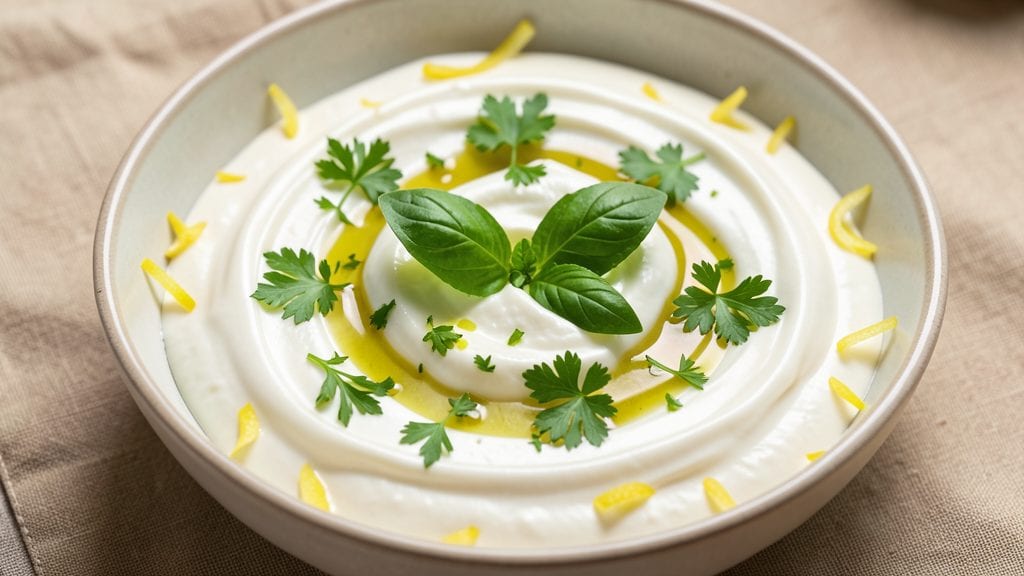
Ina Garten’s ricotta cheese recipe transforms simple ingredients into a velvety, herb-infused spread that’s perfect for stuffing shells, topping desserts, or serving as an elegant appetizer. The secret lies in balancing fresh herbs, bright lemon zest, and just the right amount of creaminess—no lumps, just luxurious texture.
I’ve tested this method countless times, and it consistently delivers restaurant-quality results at home, with that signature Ina Garten touch of effortless sophistication.
What makes this recipe stand out is its versatility—whether you’re preparing ricotta-stuffed pasta shells or spreading it on toasted bread, the flavor profile remains rich and harmonious. The process is straightforward: warm the ricotta gently, fold in herbs and lemon zest, then let it rest to develop its velvety consistency.
No special equipment is needed, just patience and attention to detail for that perfect balance of tangy, herby, and creamy.
By the time you’re done, you’ll have a batch of ricotta that’s smooth enough to spread like butter yet substantial enough to hold its shape in stuffed shells.
The lemon zest adds a bright, citrusy note that cuts through the richness, while fresh basil or parsley infuses layers of aromatic depth. This isn’t just ricotta—it’s a flavor experience that elevates any dish it touches.
Use it immediately for stuffed shells or cheesecake, or store it in the fridge for up to 5 days. The possibilities are endless, from savory appetizers to sweet desserts. Here’s how to make it exactly like Ina Garten’s version—simple, elegant, and foolproof.
Ingredients for ina garten ricotta cheese
Eight simple ingredients transform into Ina Garten’s signature velvety ricotta spread.
| Ingredient | Amount | Notes |
|---|---|---|
| Whole Milk Ricotta Cheese 🧀 | 16 oz | Room temperature, full-fat preferred |
| Extra-Virgin Olive Oil 🫒 | ¼ cup | High-quality, fruity variety |
| Fresh Basil Leaves 🌿 | ½ cup | Packed, stems removed |
| Fresh Parsley Leaves 🌿 | ¼ cup | Packed, finely chopped |
| Lemon Zest 🍋 | 1 tbsp | From 1 large organic lemon |
| Heavy Cream 🥛 | ¼ cup | Full-fat for creaminess |
| Granulated Sugar 🍚 | 1 tsp | Balances acidity |
| Kosher Salt 🧂 | ½ tsp | Adjust to taste |
| Freshly Ground Black Pepper 🌶️ | ¼ tsp | Freshly cracked |
| Garlic Cloves 🧄 | 2 cloves | Minced, optional for depth |
| Nutmeg 🌿 | ¼ tsp | Freshly grated, fine |
The ricotta is the foundation—whole milk, full-fat ensures that luxurious texture without lumps. Whole Foods or Trader Joe's carry excellent ricotta brands like Giacomo or BelGioioso, but any high-quality ricotta will work. Room temperature is key—take it out of the fridge 20 minutes before use for even blending. Fresh herbs are non-negotiable here; organic basil and parsley from the grocery store’s produce section (not the plastic-wrapped kind) deliver the brightest flavor. If you’re short on time, dried herbs work at half the amount, but the texture won’t be as refined. The lemon zest should be bright yellow, not pale or bitter—organic lemons from the store’s produce section are ideal.
No fresh herbs? Dried basil or parsley at one-third the amount will suffice, though the flavor won’t be as vibrant. Substituting heavy cream with Greek yogurt (same quantity) adds tang but may slightly alter the texture. For a sweeter spread, increase the sugar to 1.5 teaspoons—this works beautifully for dessert applications like cheesecake toppings. The garlic and nutmeg are optional but add depth and warmth that elevate the ricotta from simple to sophisticated. If you’re prepping for stuffed shells, omit the nutmeg—its intensity can clash with the tomato sauce. Store-bought lemon zest? Freshly zested is always better, but if you’re in a pinch, organic lemon juice with a pinch of sugar mimics the brightness.
This ricotta keeps beautifully—spread a thin layer of olive oil on the surface before sealing to prevent a skin from forming. It stays fresh in the fridge for up to 5 days, though the texture becomes slightly firmer after 2 days. For stuffed shells, use within 24 hours for optimal creaminess. Freezes well for up to 3 months—portion into ice cube trays for single-use servings. The lemon zest and herbs can be prepped ahead and stored in the freezer for up to 2 weeks in an airtight container, though fresh is always preferred. If the ricotta thickens after refrigeration, simply whisk in 1-2 teaspoons of warm water to restore its silky consistency.
Why You'll Love This Recipe
- No-Fuss Freshness: I swear by this recipe because it’s the kind of thing I can make while chatting on the phone—just whisk ricotta with olive oil, finely chopped basil, parsley, and a whisper of lemon zest. No straining, no waiting, just pure, creamy satisfaction in minutes.
- Bright & Tangy Magic: That lemon zest? It’s the secret weapon—cuts through the richness of the ricotta while the basil and parsley add a fresh, herbal punch. Honestly, it’s the kind of flavor that makes you reach for seconds without trying.
- Breakfast to Dinner Hero: Spread it on toast for a quick breakfast, dollop it into pasta for a lunch upgrade, or serve it as a side with grilled veggies—this ricotta works everywhere. I’ve even used it in place of sour cream in tacos, and no one’s ever questioned me.
- Leftovers That Don’t Suck: Unlike most ricotta dishes, this stays fresh for days in the fridge, and it actually improves with time. Between us, I’ve had it last a week, and it’s still the star of my snack plate—no sad, watery texture here. Just creamy, flavorful perfection.
Step-by-step instructions for Ina Garten's ricotta cheese recipe
Here's how to transform simple ricotta into a luxurious, herbed spread with bright citrus notes.
Whisk Ricotta Until Smooth and Light
Place the 16 oz whole milk ricotta cheese in a large mixing bowl. Using an electric mixer on medium speed, whisk continuously for about 3-4 minutes until the ricotta becomes smooth and airy. You'll notice it lightens in color and loses its grainy texture completely.
This step is crucial—it incorporates air which makes the final product lighter and more spreadable. If you prefer a completely smooth texture, you can strain the ricotta through a fine-mesh sieve after whisking to remove any remaining lumps. For a rustic texture, simply whisk until just combined without straining.
Add Olive Oil and Sweetener
With the mixer still running on medium speed, slowly drizzle in the 0.25 cup extra-virgin olive oil. Continue mixing for 1-2 minutes until the oil is fully incorporated and the mixture becomes glossy. This is where the rich, fruity notes of the olive oil begin to develop.
Next, add the 1 tsp granulated sugar and mix for another 30 seconds until completely dissolved. The sugar helps balance the acidity from the lemon zest we'll add later, creating a harmonious flavor profile. Taste at this point—you should notice the ricotta is now much smoother and slightly sweetened.
Incorporate Herbs and Citrus
In a separate small bowl, combine the 0.5 cup fresh basil leaves and 0.25 cup fresh parsley leaves. Finely chop them together using a sharp chef's knife. Add this herb mixture to the ricotta along with the 1 tbsp lemon zest and mix on low speed for 1 minute until evenly distributed.
Here's where the recipe gets its signature brightness. The lemon zest adds a subtle citrus aroma that pairs beautifully with the herbs. I like to use a microplane for the zest to get fine, even shreds that dissolve smoothly into the ricotta. If you notice any large herb stems, remove them before adding to avoid a gritty texture.
Season and Add Finishing Touches
Add the 0.25 cup heavy cream, 0.5 tsp kosher salt, 0.25 tsp freshly ground black pepper, 2 cloves minced garlic cloves, and 0.25 tsp nutmeg to the ricotta mixture. Mix on low speed for 1-2 minutes until all ingredients are fully combined and the flavors meld together.
The nutmeg adds a warm, earthy depth that complements the bright citrus and fresh herbs. The garlic, though optional, provides an excellent depth of flavor that enhances the overall complexity. Taste again and adjust seasoning if needed—you might want to add a pinch more salt or a touch more lemon zest to suit your preference.
Rest and Serve
Transfer the ricotta mixture to a serving bowl or airtight container. Cover and refrigerate for at least 2 hours to allow the flavors to fully develop and the texture to become even creamier. This resting period is essential—it lets all the ingredients marry together for a cohesive flavor experience.
When ready to serve, give the ricotta one final stir before spooning onto toasted baguette slices, drizzling with additional olive oil, and garnishing with extra fresh herbs. The texture should be velvety smooth with a luxurious mouthfeel, and each bite should deliver a perfect balance of herby freshness, citrus brightness, and creamy richness.
Pro Tips For Making Ina Garten Ricotta Cheese
- Warm the ricotta: DESCRIPTION: Take that cold ricotta out of the fridge 30 minutes before using—it blends smoother and absorbs the olive oil better. I used to ignore this and ended up with a lumpy mess every time.
- Pulse, don’t puree: DESCRIPTION: Use a food processor to break the ricotta into small chunks, not a smooth paste. The texture should look like coarse sand—this keeps the dish light and creamy, not heavy. (Yes, even if you’re impatient like me.)
- Toast the herbs: DESCRIPTION: Gently warm the basil and parsley in a dry pan for 10 seconds until just fragrant—this deepens their flavor without cooking them to death. Skip this, and your dish tastes like a sad salad.
- Zest first, juice later: DESCRIPTION: Grate the lemon zest directly into the ricotta, then add a tiny splash of juice (about 1 teaspoon) if needed—never the other way around. Extra juice makes the ricotta weep, and nobody wants a soggy spread.
Regional styles of ina garten ricotta cheese
Italian Classic
Ina Garten’s version draws heavily from traditional Italian ricotta preparations, where fresh herbs and citrus are staples. The original Italian method often includes rosemary or sage alongside basil, but Ina’s use of parsley and lemon zest creates a brighter, more modern profile that still honors the classic approach.
In regions like Tuscany, ricotta is often paired with black pepper and nutmeg—just like this recipe—for a warm, earthy contrast to the fresh herbs. 🌿
Southern Italian Twist
For a Southern Italian variation, swap the parsley for fresh oregano and add 1 tsp dried crushed red pepper to the mix. This approach mirrors the bold flavors of Sicilian cuisine, where ricotta is often used in cannoli shells or spread on crusty bread with a drizzle of honey.
The heat from the red pepper balances the creaminess beautifully, creating a dish that’s both comforting and vibrant. 🌶️
Mediterranean Herb Blend
Transform this ricotta into a Mediterranean-inspired spread by replacing the basil and parsley with a mix of fresh dill, mint, and thyme. Add 1 tsp dried oregano and a pinch of ground coriander for an aromatic twist.
This variation works perfectly as a dip for warm pita bread or as a stuffing for grape leaves, much like dolmades. The herbs infuse the ricotta with a refreshing, almost floral note that’s distinctly Mediterranean. 🌿
Modern American Adaptation
For a contemporary American take, fold in ½ cup crumbled goat cheese along with the ricotta and add 1 tsp honey instead of sugar. This creates a tangy-sweet ricotta that’s ideal for spreading on toasted bagels or using as a filling for mini quiches.
The goat cheese adds a subtle sharpness that complements the creamy texture, making it a versatile option for brunch or appetizers. 🍯
Sweet Dessert Version
Inspired by Italian desserts like ricotta cheesecake, sweeten this ricotta with 2 tbsp honey or maple syrup and fold in ½ tsp vanilla extract. Top with fresh berries or a sprinkle of toasted pistachios for a decadent dessert spread.
This version is perfect for layering in no-bake cheesecakes or serving with shortbread cookies. The natural sweetness of the ricotta pairs beautifully with the fruity notes of the honey. 🍓
Savory Stuffing Base
For a heartier, savory ricotta perfect for stuffing shells or ravioli, increase the garlic to 3 cloves and add 1 tsp dried marjoram. This variation holds its shape better when baked, making it ideal for stuffed pasta dishes.
The marjoram adds a subtle floral note that enhances the herby brightness, while the extra garlic gives it a robust, savory depth. 🧄
Nutrition facts
Frequently asked questions
Why does Ina Garten whisk ricotta for so long?
Whisking the ricotta for 3-4 minutes incorporates air, creating a lighter, more spreadable texture. This step eliminates graininess and gives it that signature velvety consistency. Skipping this makes the ricotta dense and clumpy—just like Ina’s method ensures a luxurious mouthfeel.
Can I use low-fat ricotta in this recipe?
Not ideal! Whole milk ricotta has the natural fat content needed for that rich, creamy texture. Low-fat versions often turn grainy or watery after mixing. If you must substitute, use full-fat cottage cheese (drained well) for a similar fat content and texture.
How do I prevent ricotta from getting watery?
Always use room-temperature ricotta and avoid overmixing after adding liquids. If it releases whey, strain it through a fine-mesh sieve lined with cheesecloth for 10 minutes before serving. For stuffed shells, this step is especially important to maintain structure.
What’s the best way to store leftover ricotta?
Transfer to an airtight container and press plastic wrap directly on the surface to prevent a skin from forming. It keeps for 5 days in the fridge. For longer storage, freeze in 1-tablespoon portions—thaw overnight in the fridge and whisk to restore texture.
Can I make this ricotta ahead for stuffed shells?
Yes! Prepare it 1 day ahead and store in the fridge. The flavors deepen over time, and the texture becomes even smoother. Just give it a quick stir before stuffing shells—it’ll hold its shape perfectly when baked.