Side Dishes
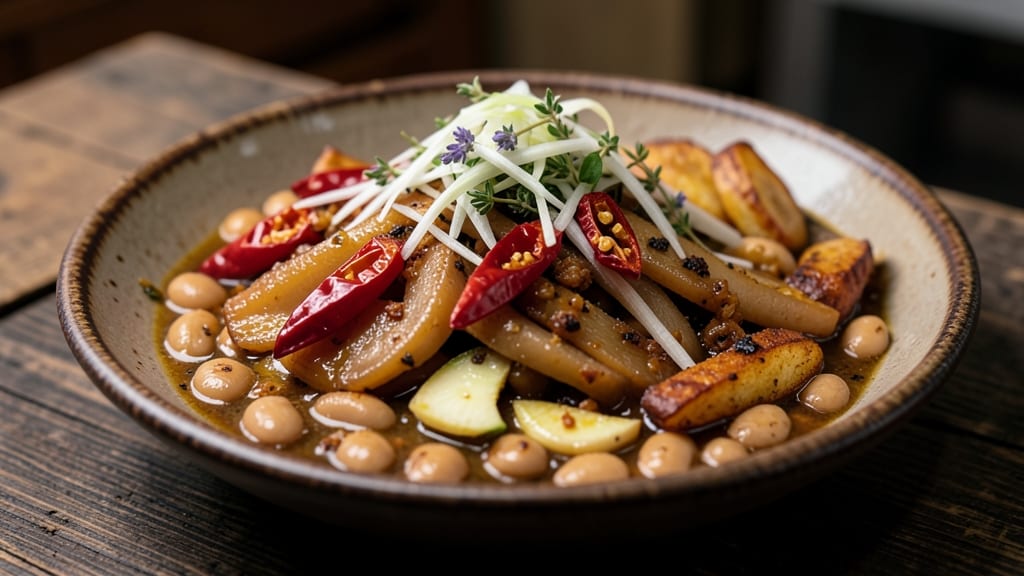
Jamaican tripe and beans is a dish that carries the soul of Caribbean home cooking, where tender tripe simmers for hours with kidney beans until it becomes impossibly flavorful.
This recipe honors tradition by balancing rich spices with earthy beans, creating a hearty dish that pairs perfectly with rice or crusty bread. The slow cooking transforms tough tripe into melt-in-your-mouth texture, while the aromatic blend of thyme, scallions, and Scotch bonnet peppers builds layers of warmth and complexity.
The beauty of this dish lies in its patience—no shortcuts, just time and attention. You'll start with a deep-fried tripe that crisps into golden perfection before being simmered in a spiced broth with kidney beans until everything softens just enough to absorb the flavors.
The result is a dish that smells like home, with each bite delivering a perfect balance of savory, spicy, and slightly sweet notes that Jamaican cuisine is famous for.
What makes this recipe special is how it transforms humble ingredients into something extraordinary. The tripe develops a tender yet firm texture, while the beans break down into a creamy, flavorful base that clings to every bite.
This dish isn’t just food—it’s a celebration of Jamaican heritage, where every spoonful tells a story of family, tradition, and the kind of comfort that comes from slow-simmered love.
Serve it alongside steamed rice or warm bread to soak up every last drop of that rich, spiced broth. The flavors only deepen as it sits, making it perfect for meal prep or sharing with guests who’ll want seconds.
Let’s bring this classic dish to your table with a method that stays true to its roots while making it accessible for home cooks.
Ingredients for jamaican tripe and beans
Traditional Jamaican flavors meet hearty texture in this slow-cooked dish of tender tripe and kidney beans.
| Ingredient | Amount | Notes |
|---|---|---|
| Beef Tripe 🥩 | 1 ½ lb | Honeycomb or flat cut preferred |
| Kidney Beans 🌽 | 1 ½ cups | Dried, soaked overnight |
| Scotch Bonnet Peppers 🌶️ | 2 whole | Seeds removed for mild heat |
| Fresh Ginger 🌿 | 1 inch | Peeled, sliced thinly |
| Scallions 🧅 | 1 bunch | White and green parts chopped |
| Fresh Thyme 🌿 | ½ oz | Stems removed, leaves only |
| Garlic Cloves 🧄 | 6 cloves | Minced finely |
| Vegetable Oil 🫒 | ½ cup | For deep frying tripe |
| Onions 🧅 | 2 medium | Diced into small pieces |
| Tomato Paste 🍅 | 2 tbsp | Smooth, not chunky |
| Salt 🧂 | 2 tsp | Kosher or sea salt |
| Black Peppercorns 🌶️ | 1 tsp | Freshly cracked |
| Allspice Berries 🌿 | ½ tsp | Crushed lightly |
| Bay Leaves 🍃 | 2 whole | Fresh preferred |
The tripe is the star here—honeycomb or flat cut works best, available at specialty butchers or Caribbean markets. If your grocery store doesn't carry it, Costco or Whole Foods often stock it in the meat section. Soak the dried kidney beans overnight (or use canned for convenience), and don't skip the deep-frying step—it creates that signature crispy texture. For the Scotch bonnet peppers, Caribbean grocery stores like those in Miami or New York have the freshest, but any hot pepper will do in a pinch. The ginger should be firm and aromatic—no woody stems or soft spots. Fresh thyme is ideal, but if you're using dried, reduce to one-third the amount.
No Scotch bonnet? Habanero or jalapeño will add heat, but adjust to taste. The allspice berries are essential for authentic flavor—if you can't find them, ground allspice at half the amount works. For the beans, canned are fine but soaked dried beans give better texture. The tomato paste can be thick or smooth, but avoid the watery kind. If you're short on time, pre-cooked beans cut prep by an hour. The tripe will take patience—don't rush the simmering, or it'll stay tough. For extra richness, add a splash of beef stock or a pat of butter at the end.
This dish tastes even better the next day as flavors meld. Store in an airtight container in the fridge for up to 5 days, or freeze portions for 3 months. The tripe reheats beautifully—just add a splash of water or broth. For meal prep, double the recipe and freeze half. The beans will soften further when reheated, so they'll be even creamier. Serve with steamed rice to soak up every last bit of that spiced broth—it's worth the effort.
Why You'll Love This Recipe
- One-Pot Magic: I swear by this recipe when I’m too tired to wash extra pots. The tripe and beans simmer together—no separate pans, no fuss—just one deep pot where the ginger and Scotch bonnet work their flavor spell while you stir. Honestly, the cleanup is half the battle won.
- Heat That Stays: That Scotch bonnet pepper doesn’t just add heat—it lingers. The tripe soaks up the smoky-spicy kick while the beans soften into a creamy, slightly tangy base. Between us, the first bite always makes me reach for seconds before I even finish the first bowl.
- Leftovers That Shine: This dish tastes better the next day. The flavors meld deeper, the tripe gets even more tender, and I’ve sent it to work lunches with zero complaints. Pack it cold or reheat it—either way, it’s a crowd-pleaser that won’t flop.
- Budget Meal, Big Impact: Tripe is cheap, beans are cheap, and a single Scotch bonnet stretches across multiple servings. I feed four people for under $15, and somehow, it still feels like a special meal. My wallet and my taste buds both win.
Step-by-step instructions for Jamaican tripe and beans
Master this hearty dish with rich flavors and tender textures through precise technique.
Prepare the Beef Tripe for Cooking
Begin by rinsing the 1.5 lb beef tripe thoroughly under cold water to remove any impurities. This is crucial for eliminating any off-flavors that can develop during cooking. After rinsing, place the tripe in a large pot and cover it completely with cold water. Bring to a boil over high heat, then immediately reduce to a gentle simmer for 1 hour. This initial boiling process helps tenderize the tripe by breaking down connective tissues.
After 1 hour, drain the water and repeat the process with fresh cold water. Bring to a boil again, then simmer for another 1 hour. The tripe should now be pliable and significantly more tender. Drain once more and set aside. This thorough preparation ensures the tripe will become fork-tender rather than chewy, which is essential for the final dish's texture.
Deep-Fry the Tripe for Crispy Texture
Heat 0.5 cup vegetable oil in a deep skillet over medium-high heat until it shimmers but does not smoke. Carefully add the prepared tripe in a single layer, ensuring it doesn't overcrowd the pan. Fry for 3-4 minutes per side until the tripe develops a golden-brown crust. This step is critical for achieving the signature crispy exterior that contrasts with the tender interior.
Once browned, remove the tripe from the oil and set it aside on a paper towel-lined plate to drain excess oil. The crispy texture from frying will add depth to the dish, balancing the softness of the beans and the richness of the spices. If the oil smokes excessively, reduce the heat slightly to maintain control without burning the tripe.
Sauté Aromatics and Build the Flavor Base
In the same skillet used for frying, reduce the heat to medium and add 2 medium onions, diced into small pieces. Sauté for 5-6 minutes until the onions soften and begin to caramelize, developing a deep golden color. Add the 6 cloves garlic cloves, minced finely, and cook for an additional 1-2 minutes until fragrant. This step forms the aromatic foundation of the dish, ensuring every bite is infused with savory depth.
Next, stir in the 2 whole Scotch Bonnet peppers (seeds removed), 1 inch fresh ginger (sliced thinly), and 0.5 oz fresh thyme (leaves only). Cook for 2-3 minutes until the peppers soften slightly and release their vibrant heat. The combination of these aromatics creates the complex, spicy-sweet profile that defines Jamaican tripe and beans. Be cautious with the Scotch Bonnet—its heat can be intense, so adjust to your preference.
Simmer the Beans with Spices and Tripe
In a large pot, combine the 1.5 cups kidney beans (previously soaked overnight), 2 tbsp tomato paste, 2 tsp salt, 1 tsp black peppercorns (freshly cracked), 0.5 tsp allspice berries (crushed lightly), and 2 whole bay leaves. Add enough water to cover the beans by 2 inches and bring to a boil over high heat. Once boiling, reduce the heat to low and simmer for 1 hour, skimming off any foam that rises to the surface. This ensures the beans cook evenly and develop a rich, flavorful broth.
After 1 hour, add the fried tripe to the pot along with the sautéed aromatics. Stir gently to combine, ensuring the tripe is fully submerged in the bean mixture. Cover the pot and continue simmering on low heat for another 1-1.5 hours, or until the beans are tender and the tripe is fork-tender. The slow simmering allows the flavors to meld deeply, creating a cohesive and hearty dish. Stir occasionally to prevent sticking and ensure even cooking.
Finish and Serve with Fresh Scallions
Once the tripe and beans are fully tender, taste the mixture and adjust the seasoning if needed. The dish should be well-balanced with a harmonious blend of spice, saltiness, and umami. Remove the 2 whole bay leaves before serving, as they can impart a bitter taste if left in the dish. Stir in the 1 bunch scallions (chopped), which add a fresh, bright contrast to the rich, spicy flavors of the tripe and beans.
Serve the Jamaican tripe and beans hot, accompanied by rice or flatbread to soak up the flavorful sauce. The dish should have a thick, hearty consistency with tender tripe and beans that are infused with the aromatic spices. Each bite should deliver a satisfying combination of textures and flavors, making this a truly comforting and authentic Jamaican meal. Enjoy immediately while the spices are at their peak intensity.
Pro Tips For Making Jamaican Tripe And Beans
- Parboil Tripe Twice: First blanch the tripe in boiling water for 3-4 minutes to loosen the membrane, then rinse and repeat with fresh water for another 3 minutes. I learned this the hard way—skipping the second boil means tough, chewy tripe that’ll have you questioning your life choices.
- Soak Beans Overnight: Drain and rinse the kidney beans, then soak them in cold water for at least 8 hours (or overnight). This cuts cooking time by half and prevents that sad, split-open mess when they overcook in the stew. Yes, even if you’re impatient like me.
- Char the Scotch Bonnets: Hold the Scotch bonnet peppers over an open flame or under a broiler for 30 seconds per side until blackened. The char adds smoky depth that no raw pepper can match—this isn’t the prettiest method, but it’s the tastiest. Just scrape off the skin afterward.
- Deglaze with Ginger Beer: After browning the tripe, deglaze the pot with ¼ cup ginger beer instead of water. The acidity tenderizes the tripe faster and balances the heat from the Scotch bonnet, while the ginger beer’s fizz lifts the flavors. Sounds weird, but it works.
Creative variations of this recipe
Spicy Caribbean Fusion
Transform this classic by adding jerk seasoning—mix 1 tbsp jerk spice blend (like Epices du Monde) with the allspice and Scotch bonnet peppers before simmering. For extra heat, toss in 1 chopped habanero pepper when frying the tripe.
Serve with mango salsa to balance the richness—the sweetness cuts through the spice beautifully. 🌶️
Coconut Milk Creaminess
Replace half the water in the bean simmer with 1 cup full-fat coconut milk for a luxurious twist. The creaminess enhances the tripe’s texture while keeping the dish authentically Jamaican.
Garnish with toasted coconut flakes before serving for a tropical touch. This version pairs perfectly with coconut rice for a full island-inspired meal.
Smoky Grilled Tripe
Skip the deep-frying and grill the tripe instead—brush with olive oil and smoke with green wood chips (like hickory) for 10-12 minutes per side on a grill or grill pan.
The smoky char adds depth, while the beans absorb the flavors during simmering. Finish with a sprinkle of smoked paprika for an extra layer of complexity. 🔥
Vegetarian Adaptation
Swap the tripe for extra-firm tofu or mushrooms (like portobello or king oyster). Press the tofu to remove excess water, then cube and pan-fry until crispy. Simmer with the beans using vegetable broth instead of water, and add 1 tbsp soy sauce for umami.
This version keeps the hearty texture while making it plant-based.
Slow Cooker Shortcut
For a hands-off approach, brown the tripe in a skillet first, then transfer everything—including the fried tripe and sautéed aromatics—to a 6-quart slow cooker. Add the beans, spices, and enough water to cover.
Cook on LOW for 6-8 hours or HIGH for 4 hours, stirring occasionally. The slow cooker deepens the flavors without constant monitoring—ideal for weeknight dinners.
Sweet and Tangy Glaze
Add a homemade glaze by simmering ½ cup pineapple juice, 2 tbsp brown sugar, and 1 tsp apple cider vinegar until reduced by half. Drizzle over the finished dish for a sweet-tangy contrast.
The acidity brightens the rich, spicy flavors, making each bite more dynamic. This variation works especially well with the coconut milk version.
Nutrition facts
Frequently asked questions
Can I use canned beans instead of dried for this recipe?
Yes, you can! Use 2 (15 oz) cans of kidney beans drained and rinsed, which saves about 8 hours of soaking time. Just reduce the simmering time by 30-45 minutes since canned beans are pre-cooked. The texture will be slightly softer but still delicious. For best results, add the beans to the pot after the initial 1-hour simmer with the tripe.
How do I make this dish less spicy?
Remove the seeds and membranes from the Scotch bonnet peppers before chopping to reduce heat, or swap them for jalapeños or bell peppers. You can also add 1 extra cup of water to dilute the spice during simmering. For a milder finish, stir in 1 tbsp honey or brown sugar at the end to balance the heat.
Why does my tripe turn out chewy instead of tender?
Chewy tripe usually means it wasn’t tenderized enough before cooking. Always boil the tripe twice for 1 hour each to break down connective tissues. After frying, simmer it in the bean broth for at least 1.5 hours—don’t rush this step! If it’s still tough, try adding 1 tsp baking soda to the boiling water (rinse well afterward) to help soften it faster.
What’s the best way to store leftovers?
Store in an airtight container in the fridge for up to 5 days. The flavors actually deepen over time! Reheat gently on the stove with a splash of water or broth to restore moisture. For longer storage, freeze portions for up to 3 months. Thaw overnight in the fridge before reheating—never microwave directly from frozen.
Can I make this dish in a Dutch oven?
A Dutch oven is perfect for this recipe. After frying the tripe, transfer everything to the Dutch oven with the beans and spices. The thick walls help distribute heat evenly, ensuring the tripe cooks through without drying out. Cover and simmer on low heat for 1.5-2 hours, stirring occasionally to prevent sticking.