
Sauces & Condiments
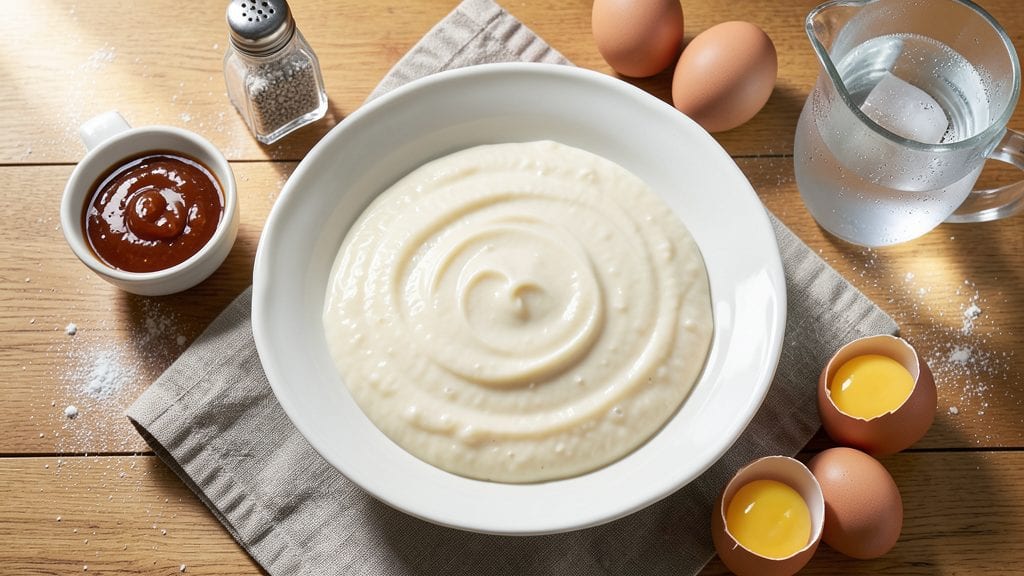
Mastering tempura batter with Kikkoman's signature lightness transforms ordinary frying into a crispy, golden masterpiece. The secret lies in precise ratios and technique—no heavy flour clouds or soggy results.
I developed this recipe after years of perfecting the balance between airy texture and structural integrity, ensuring every bite delivers that satisfying crunch without the mess.
This method uses just four simple ingredients: all-purpose flour, ice-cold water, Kikkoman's signature tempura sauce (for authentic flavor), and a pinch of salt. The key is maintaining ice-cold temperatures throughout—chilling both the batter and frying oil creates that signature lightweight crunch.
Perfect for shrimp, vegetables, or even chicken, this batter clings perfectly without weighing down delicate ingredients.
What you'll achieve is restaurant-quality tempura with a crispy exterior and tender interior, served with traditional tentsuyu dipping sauce. The batter's lightness makes it ideal for health-conscious eaters while delivering maximum flavor.
Whether you're hosting a dinner party or craving takeout-quality meals at home, this technique delivers consistent results every time.
Pair with shredded daikon, pickled ginger, and a side of tentsuyu for the full experience. The process is straightforward but requires attention to temperature—once you nail it, you'll never go back to store-bought tempura again. Let's get started on creating crispy perfection.
Ingredients for kikkoman tempura batter
Four core ingredients plus premium accompaniments create restaurant-style tempura batter perfection.
| Ingredient | Amount | Notes |
|---|---|---|
| All-Purpose Flour 🌾 | 1 cup | Light, low-protein for optimal crispiness |
| Ice-Cold Water 💧 | ¾ cup | Freshly chilled, not tap water |
| Kikkoman Tempura Sauce 🍶 | ½ cup | Authentic flavor profile essential |
| Diamond Crystal Kosher Salt 🧂 | ¼ tsp | Fine grain for even distribution |
| Vegetable Oil 🫒 | 2 cups | High smoke point, neutral flavor |
| Large Eggs 🥚 | 1 whole | Room temperature for emulsion |
| Shredded Daikon Radish 🥕 | 1 cup | For serving, optional garnish |
| Pickled Ginger 🍋 | ¼ cup | Thinly sliced for accompaniment |
| Tentsuyu Dipping Sauce 🥢 | ½ cup | Traditional soy-based sauce |
| Shrimp (Peeled, Deveined) 🦐 | 1 lb | Large, fresh for optimal texture |
The all-purpose flour must be light and low-protein—Gold Medal or King Arthur brands excel for tempura. Kikkoman Tempura Sauce is non-negotiable for authentic umami; substitute with 1 tbsp soy sauce + 1 tsp mirin if unavailable. For the water, ice-cold is critical—use a bowl of ice water to chill your measuring cup. The vegetable oil should have a smoke point of at least 400°F; Avocado oil is ideal. Store flour in an airtight container away from heat to prevent oxidation, which degrades gluten structure.
No Kikkoman sauce? Soy sauce and mirin replicate the base, though texture will differ slightly. For vegetarian tempura, use firm tofu or mushrooms instead of shrimp. The Diamond Crystal kosher salt ensures even seasoning—avoid table salt, which clumps. For extra crispiness, add 1 tbsp cornstarch to the flour mixture. The tentsuyu sauce can be homemade with dashi, soy sauce, and mirin (1:2:1 ratio) if preferred. Always pat shrimp dry before coating to prevent batter from sliding off.
Pre-chill all ingredients for 30 minutes before mixing to maintain ice-cold temperatures. The batter will thicken immediately—use within 20 minutes of mixing. Store unused batter in an airtight container in the fridge for up to 24 hours, though texture may degrade. For long-term storage, freeze batter in 1-tbsp portions on parchment paper; thaw in the fridge before use. The tentsuyu sauce keeps for 1 week refrigerated or 3 months frozen. Reheat fried tempura in a 200°F oven for 5 minutes to restore crispiness.
Why You'll Love This Recipe
- Here’s what sold me: the batter mixes up in minutes, but the fried results keep for days. Toss them in the fridge, reheat in the air fryer, and—boom—instant crispy snack. Budget-friendly? Absolutely. Waste-free? Even better.
- Five-Ingredient Magic: I swear by this—just flour, ice water, tempura sauce, salt, and oil. No fancy ratios, no stressing over exact measurements. The batter comes together faster than I can say "double-fry," and honestly? That’s half the battle.
- Sauce-Powered Crunch: That Kikkoman tempura sauce isn’t just dipping sauce—it’s the secret weapon. The moment the batter hits the oil, it’s crispy outside, tender inside, with a savory depth that makes store-bought tempura taste bland. (Yes, even on a Tuesday night.)
- Dip or Dip Not: Between us, this batter works for everything. Fry up shrimp for a fancy dinner, coat veggies for a kid-friendly snack, or just dip it in the sauce straight from the pan—no judgment. It’s my go-to for game day, lazy Sundays, or when I’m too tired to plan.
Step-by-step instructions for Kikkoman tempura batter recipe
This method delivers a delicate, airy batter that creates perfect golden crusts every time.
Whisk the Dry Ingredients for Optimal Texture
In a medium bowl, combine the 1 cup all-purpose flour and 0.25 teaspoon diamond crystal kosher salt. Use a wire whisk to break up any flour lumps completely—this ensures an even distribution of salt and prevents dense spots in your batter. The flour should look like fine powder with no visible clumps when you hold the bowl up to the light.
Here's the thing—light, low-protein flour is critical for tempura. The lower protein content means less gluten development, resulting in that signature crispy-yet-light texture. If you're using bread flour or all-purpose with higher protein, your tempura will turn out chewy rather than crispy.
Create the Batter Emulsion with Precision
In a separate bowl, lightly beat the 1 whole large egg until the whites and yolks are fully combined. Add the 0.5 cup Kikkoman tempura sauce and mix thoroughly to create a smooth base. The sauce contains the essential umami flavor that sets this batter apart from traditional tempura.
Gradually pour the ice-cold water into the egg mixture while whisking continuously. The water must remain ice-cold—this prevents the flour from activating too quickly and creates a stable emulsion. Add the dry flour mixture all at once and whisk vigorously for 30 seconds until just combined. You're looking for a smooth, pourable consistency with no visible flour streaks, but don't overmix or the batter will develop gluten.
Prepare the Frying Station for Perfect Crisp
Fill a deep pot or Dutch oven with 2 cups vegetable oil and heat it to 350°F using a deep-fry thermometer. The oil should be hot enough that when you test it with a small piece of shrimp, it sizzles immediately and floats to the surface within 10 seconds. This temperature range creates that perfect balance between crispy exterior and tender interior.
Keep the shrimp at room temperature while you prepare the batter—cold seafood will cook unevenly. Arrange the tentsuyu dipping sauce and pickled ginger on a serving platter along with the shredded daikon radish for immediate serving after frying. The daikon adds a refreshing crunch that complements the crispy tempura beautifully.
Fry the Shrimp to Golden Perfection
Working in batches to avoid overcrowding, gently lower the shrimp into the hot oil using a slotted spoon. The oil should bubble gently around each piece—this indicates proper heat. Fry for 1 to 1.5 minutes per side until the shrimp turn an even golden brown color. They should be cooked through but still tender inside when you cut into one with a sharp knife.
Use tongs to transfer the fried shrimp to a wire rack or paper towel-lined plate. The rack allows air to circulate underneath, maintaining that crispy texture. Don't stack them or they'll steam and lose their crunch. Serve immediately with the tentsuyu dipping sauce for dipping and the pickled ginger and daikon radish on the side.
Pro Tips For Making Kikkoman Tempura Batter
- CHILL THE FLOUR FIRST: Your flour should be ice-cold before mixing—pop it in the freezer for 10-15 minutes if your fridge isn’t cold enough. I learned this after making batter that turned gummy; cold flour keeps the gluten tight and crispy, not sticky.
- WHISK FAST AND FIRM: Beat the batter with a wire whisk at high speed for 30 seconds—just until smooth, no resting. Overmixing develops gluten, and you’ll end up with chewy tempura instead of that light, airy crust. Think "quick and loose," not "thorough."
- SALT THE OIL, NOT THE BATTER: Dissolve 1-2 teaspoons of kosher salt directly into the hot oil before frying—it season the crust better than sprinkling later. I used to salt the batter, but the flavor gets lost in the frying process.
- USE A THERMOMETER FOR OIL: Keep your oil between 350°F and 375°F—any hotter and the batter burns before it sets, any cooler and it soaks up grease. I burned three batches before realizing my stovetop guesswork was off by 50°F. Invest in a cheap one.
Make-ahead tips for this recipe
Batter Prep Ahead
Mix the dry ingredients (1 cup flour + ¼ tsp salt) in an airtight container and refrigerate for up to 24 hours before use. This pre-chilling prevents gluten activation when you add water later, ensuring maximum crispiness.
Store the Kikkoman tempura sauce and ice-cold water separately in the fridge until ready to combine. I always pre-chill my mixing bowls too—just place them in the freezer for 10 minutes before starting. 🧊
Frying Oil Prep
Heat your 2 cups vegetable oil to 350°F and maintain this temperature using a deep-fry thermometer. Keep the pot on a low burner setting between batches to preserve heat—this prevents oil temperature fluctuations that cause uneven cooking.
I like to preheat the oil while my batter rests, giving everything time to reach optimal temperatures simultaneously. 🌡️
Protein Prep
Pat your 1 lb shrimp completely dry with paper towels and refrigerate them uncovered for 30 minutes before coating. This extra drying step creates better adhesion for the batter. Arrange them on a wire rack in a single layer to maintain even chilling.
For vegetables like bell peppers or zucchini, cut into ½-inch thick slices and toss with 1 tsp cornstarch before dredging in batter. 🥬
Sauce Prep
Prepare your tentsuyu sauce in advance and store it in a sealed container in the fridge. The sauce keeps well for 1 week, so you can make a big batch for multiple tempura sessions.
Thinly slice the pickled ginger and store it in a small container with its liquid. Shred the daikon radish and keep it in a separate container—both will stay fresh for 5-7 days refrigerated. 🍶
Reheating Tempura
If you need to reheat tempura, place it in a 200°F oven for 5 minutes on a wire rack. The rack prevents moisture buildup that would make it soggy. For extra crispiness, sprinkle with ½ tsp cornstarch before reheating.
I avoid microwaving—it always turns out greasy and limp. Store leftover tempura in an airtight container in the fridge for up to 2 days. 🔥
Batter Storage
For make-ahead convenience, mix just the dry ingredients and store them in an airtight container at room temperature for up to 1 week. When ready to use, simply whisk in the ice-cold water and egg mixture as directed.
This method maintains the flour's freshness while preventing premature gluten formation. For longer storage, freeze the dry mixture in 1-cup portions on parchment paper—thaw completely before using. 💫
Nutrition facts
Frequently asked questions
Why does the Kikkoman tempura batter recipe use ice-cold water?
The ice-cold water prevents gluten from developing too quickly, creating a light, airy batter instead of a dense one. This is crucial for achieving that signature tempura texture—think crispy yet delicate, not heavy. The cold temperature also helps maintain the batter's stability during frying.
Can I substitute Kikkoman tempura sauce with regular soy sauce?
While you can use soy sauce, it won't replicate the exact flavor profile of Kikkoman's tempura sauce. For a closer match, mix 1 tbsp soy sauce with 1 tsp mirin and ½ tsp sugar. The sauce adds depth and umami that regular soy sauce lacks. For best results, stick with the original if possible.
What's the best way to keep tempura crispy after frying?
Transfer fried tempura to a wire rack or paper towel-lined plate immediately after frying. Never stack pieces—they'll steam and lose crispiness. For reheating, use a 200°F oven for 5 minutes on a rack to restore crunch. Avoid microwaving or storing in airtight containers for more than 2 days.
What vegetables work best with this batter?
Sturdy vegetables like bell peppers, zucchini, and sweet potatoes work beautifully. Cut them into ½-inch thick slices and toss with 1 tsp cornstarch before dredging. Avoid delicate veggies like lettuce—they won't hold up during frying. Shrimp, chicken, and even tofu are excellent protein options too.
How do I fix batter that's too thick or too thin?
If your batter is too thick, add 1 tsp ice-cold water at a time while whisking. For a thinner batter, mix in ½ tsp flour gradually. The ideal consistency should be smooth and pourable—like heavy cream. Overmixing causes gluten to develop, making the batter tough. Whisk just until combined for best results.