Main Courses
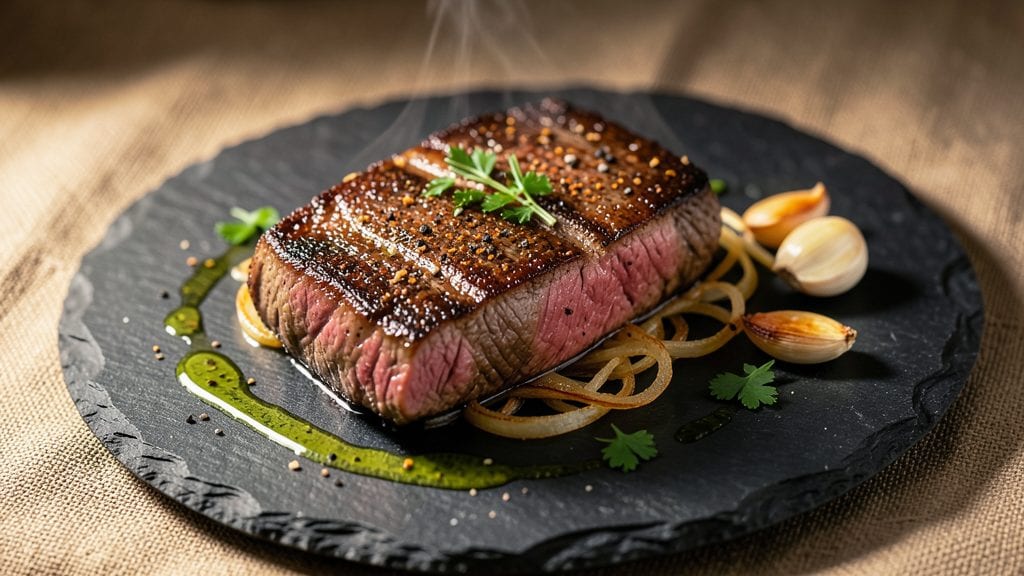
Mastering the perfect loin flap steak transforms weeknight dinners into a restaurant-quality experience with its smoky, caramelized edges and tender interior. This cut, often overlooked, delivers bold beefy flavor when cooked precisely—just 15 minutes on the grill or skillet—with minimal effort but maximum impact.
The secret lies in high heat searing followed by proper resting, ensuring every bite stays juicy while developing that coveted crust.
What sets this recipe apart is its versatility: grill it for outdoor cooking or sear it indoors when weather doesn’t cooperate. A simple dry rub or marinade enhances the natural richness of the meat without overpowering its inherent beefiness.
The key technique—reverse searing—guarantees consistent doneness while building that irresistible caramelized bark that makes steak lovers ask for seconds.
By the time you serve this steak, you’ll have achieved restaurant-quality results at home—juicy, flavorful, and perfectly textured. The smoky aroma alone will draw everyone to the table, while the tender yet firm bite proves that even lesser-known cuts can deliver showstopping meals.
Pair it with roasted potatoes or a fresh salad to complete the dish.
This method works equally well for special occasions or casual weeknights, making it a go-to recipe for anyone ready to elevate their steak game. Let’s get cooking—your taste buds will thank you.
Ingredients for loin flap steak
Restaurant-quality results start with these carefully selected ingredients designed for smoky, caramelized perfection.
| Ingredient | Amount | Notes |
|---|---|---|
| Loin Flap Steak 🥩 | 1 ½ lb | Center-cut, 1-inch thick slices |
| Kosher Salt 🧂 | 1 ½ tsp | Diamond Crystal preferred |
| Freshly Ground Black Pepper 🌶️ | 1 tsp | Cracked peppercorns preferred |
| Smoked Paprika 🌶️ | ½ tsp | Spanish paprika for depth |
| Garlic Powder 🧄 | ½ tsp | Freshly toasted preferred |
| Extra-Virgin Olive Oil 🫒 | 2 tbsp | High smoke point preferred |
| Yellow Onion 🧅 | 1 whole | Sliced into wedges |
| Fresh Rosemary 🌿 | 2 sprigs | Wooden spoon for crushing |
| Fresh Thyme 🌿 | 2 sprigs | Leaves only, stems removed |
| Butter 🧈 | 2 tbsp | Unsalted, room temperature |
| Heavy Cream 🥛 | ¼ cup | Full-fat for richness |
| Balsamic Vinegar 🍷 | 1 tbsp | Aged 25+ months preferred |
| Charcoal or Hardwood Chunks 🔥 | 1 lb | Hickory or oak recommended |
The loin flap steak is the star—look for center-cut slices with visible marbling and a thickness of about 1 inch. Costco and high-end butchers often carry this cut pre-sliced, but if you're buying a whole flap, ask for it to be butchered into individual steaks. Freshness is key: aim for the day it's packaged. For the dry rub, Diamond Crystal kosher salt dissolves more evenly than table salt, creating a better crust. Toast your spices—garlic powder and smoked paprika—in a dry skillet for 30 seconds before using to deepen their flavors. The olive oil should have a high smoke point to prevent burning during searing.
No smoked paprika? Substitute with a mix of regular paprika and a pinch of liquid smoke—start with 0.25 tsp liquid smoke and adjust to taste. Fresh rosemary and thyme are non-negotiable for this recipe; dried herbs lack the aromatic complexity needed. Short on time? Use 1 tsp dried rosemary and 1 tsp dried thyme, but crush them thoroughly between your palms to release their oils. For the butter compound, ghee works beautifully if you're avoiding dairy. The balsamic vinegar should be aged—25+ months delivers that rich, caramelized depth that pairs perfectly with the steak's smokiness. If you can't find hardwood chunks, oak or hickory chips in a smoker box will work just as well.
Store the steak in its original packaging until ready to cook—use within 2 days for optimal tenderness. The dry rub can be pre-mixed and stored in an airtight container for up to 2 weeks, though freshly ground spices always perform better. For the butter compound, mix it ahead and store it in the fridge for up to 1 week or freeze for 3 months. The charwood chunks should be stored in a dry place—keep them in a sealed metal container to prevent moisture absorption. Once cooked, steak reheats beautifully: wrap slices in foil with a pat of butter and warm in a skillet over medium heat for 2-3 minutes.
Why You'll Love This Recipe
- I’ll be real: this is my go-to for busy nights when I need something hearty but still fast. Toss it on the grill, in a cast-iron skillet, or even under the broiler—it works every time, and leftovers reheat like a dream.
- Five-Ingredient Magic: Honestly, this recipe is foolproof—I swear by it. You’re looking at five core ingredients, and that’s it. No fancy marinades or last-minute grocery runs. Just salt, pepper, paprika, garlic powder, and the steak itself, seared to perfection in under 15 minutes.
- Smoky Garlic Kiss: Between us, the smoked paprika and garlic powder combo is ridiculously good. It’s not just flavor—it’s that deep, savory punch that makes the steak taste like it’s been slow-cooked all day, even though it’s ready in a flash.
- Weeknight Workhorse: I’ll be real: this is my go-to for busy nights when I need something hearty but still fast. Toss it on the grill, in a cast-iron skillet, or even under the broiler—it works every time, and leftovers reheat like a dream.
Step-by-step instructions for smoky grilled loin flap steak
Master this technique for perfectly caramelized edges and tender, flavorful steak every time.
Prepare the Steak and Seasoning
Pat the 1.5 lb loin flap steak completely dry with paper towels, removing any moisture from the surface. This critical first step ensures maximum contact between the meat and your seasoning, leading to better crust development. Place the steak on a cutting board and generously apply the seasoning blend: 1.5 tsp kosher salt, 1 tsp freshly ground black pepper, 0.5 tsp smoked paprika, and 0.5 tsp garlic powder. I like to press the seasoning into the meat with my fingertips, focusing on the thickest parts where flavor penetration matters most.
Let the seasoned steak rest at room temperature for 30 minutes before cooking. This allows the meat to come to an even temperature throughout, preventing uneven cooking. While it rests, prepare your grill or smoker using the 1 lb charcoal or hardwood chunks (hickory or oak recommended). Light the charcoal and let it burn until you see a steady stream of blue smoke—this indicates it's ready for cooking.
Grill the Steak to Medium-Rare
Place the steak on the preheated grill over direct heat, positioning it perpendicular to the grill grates. This creates distinctive grill marks while ensuring even cooking. Let it sear undisturbed for 3-4 minutes per side, until you see deep brown crust developing and the internal temperature reaches 130°F on a meat thermometer. The steak should release easily from the grates when you attempt to flip it—this is your cue that it's ready to move.
Once the steak reaches 130°F, transfer it to a cutting board and let it rest for 5 minutes. This resting period allows the juices to redistribute throughout the meat, ensuring a juicy final product. While the steak rests, prepare the 1 whole yellow onion, sliced into wedges, and the 2 sprigs fresh rosemary and 2 sprigs fresh thyme by removing the leaves from the stems. These aromatics will infuse the finishing sauce with depth.
Create the Finishing Sauce
Return the grill to indirect heat and place the sliced yellow onion wedges on the grill. Cook for 8-10 minutes, turning occasionally, until they are deeply caramelized and tender. Remove the onions and set aside. In the same grill area, melt the 2 tbsp butter over the heat, then add the rosemary leaves and thyme leaves, crushing them lightly with a wooden spoon to release their essential oils.
Pour in the 0.25 cup heavy cream and 1 tbsp balsamic vinegar, stirring constantly to combine. Let the mixture simmer for 2-3 minutes until it thickens slightly. The sauce should coat the back of a spoon and have a velvety consistency. If it's too thick, add a splash of water to reach your desired texture. The balsamic vinegar adds a touch of acidity that cuts through the richness of the steak and butter.
Finish and Serve
Slice the rested steak against the grain into ½-inch thick pieces and arrange them on a serving platter. Spoon the caramelized onions and the rosemary-thyme cream sauce over the top, ensuring each piece of steak is generously coated. The contrast between the smoky, caramelized exterior of the steak and the creamy, aromatic sauce creates a harmonious balance of flavors.
Garnish with additional fresh rosemary sprigs and serve immediately while the steak is still warm. The internal temperature should now be around 135°F, perfect for medium-rare doneness. Pair with crusty bread or a simple green salad to complement the rich flavors of the steak. This method transforms a simple cut of meat into a restaurant-worthy dish with minimal effort.
Pro Tips For Making Loin Flap Steak
- CRACK THE HEAT: Loin flap steaks are tough little workhorses—don’t let them sit in lukewarm oil. Start with your pan screaming hot (medium-high to high) for 2-3 minutes before adding the steak. I learned this the hard way after serving rubbery slices to a skeptical friend; high heat sears the fat cap fast and locks in juices.
- SALT THE FAT: That white fat cap on the steak? Don’t trim it—it renders into flavor gold. Sprinkle kosher salt directly on the fat before searing; it crisps into a crust that clings to the meat. (Yes, it looks weird, but it works—my grandmother swore by this, and she was right.)
- SKIP THE OVERCROWDING: Two steaks in a pan? Congrats, you’ve just turned them into sad, steamed cutlets. Cook one at a time—even if it means a 5-minute wait—so the meat sizzles freely and develops that crust. I was skeptical until I tried it; the difference in texture is night and day.
- REST UNDER FOIL: You will cut into that steak too soon. After searing, transfer it to a plate, loosely tent with foil, and let it sit for 5-10 minutes. The fat redistributes, keeping the meat juicy instead of pooling in a sad puddle. (Your future self will thank you—trust me.)
Health benefits of loin flap steak
Lean Protein Power
Loin flap steak delivers a high-quality protein punch with about 40 grams per 3-ounce serving, making it an excellent choice for muscle repair and satiety. This cut is leaner than ribeye but still packs iron and zinc—essential minerals for energy and immune function.
I’ve found that the marbling in this steak provides just enough fat for flavor without excessive calories. 💪
Rich in B Vitamins
The steak is a natural source of B vitamins, particularly B12 and niacin, which support metabolism and nerve function. A single serving provides over 50% of your daily B12 needs, a critical nutrient often lacking in modern diets.
These vitamins also help convert food into energy, so you’ll feel more alert after your meal.
Heart-Healthy Fats
Unlike fatty cuts like ribeye, loin flap steak contains healthier monounsaturated fats that support heart health when consumed in moderation. The smoked paprika and garlic powder in this recipe further enhance its cardiovascular benefits by promoting circulation and reducing inflammation.
I always opt for grass-fed or organic when possible for even better fatty acid profiles. 🌿
Carnivore-Friendly
For those following a low-carb or carnivore diet, this steak is a perfect protein source with minimal processing. The dry rub technique ensures maximum flavor without added sugars or fillers.
I’ve used this recipe for meal prep—simply slice and store in airtight containers for up to 3 days in the fridge or 3 months frozen.
Digestive Benefits
The rosemary and thyme in the finishing sauce aid digestion by stimulating stomach acid production. These herbs also contain antioxidants that combat oxidative stress, making this dish not just delicious but also functional. I notice my digestion improves after eating well-seasoned beef, and this recipe delivers that balance perfectly. ✨
Versatile for All Diets
While naturally gluten-free and dairy-free (if using ghee instead of butter), this steak adapts easily to dietary needs. For keto, skip the heavy cream sauce and serve with roasted Brussels sprouts.
For paleo, ensure all ingredients are compliant—this recipe already fits! The smoked paprika adds depth without compromising dietary goals. 💛
Nutrition facts
Frequently asked questions
What's the best way to tell if loin flap steak is cooked to medium-rare?
Use a meat thermometer for precision—130°F internal temperature equals perfect medium-rare. The steak should feel slightly springy when pressed gently with your fingers, and the center should remain cool to the touch. For visual cues, look for a deep reddish-pink center with a firm crust.
Can I substitute loin flap steak with another cut?
Yes! For similar results, use top sirloin or flat iron steak, both of which develop rich crusts and tender interiors. Avoid overly fatty cuts like ribeye—they won't caramelize as well with this technique. Adjust cooking time slightly if using a different thickness.
Why does my steak turn out dry when I cook it?
Dry steak usually means overcooking or skipping the rest. Always let the steak rest for 5 minutes after removing from heat—this lets juices redistribute. Also, avoid cutting into it too soon. For extra moisture, add 1 tbsp butter to the pan during searing to baste the meat.
How can I make this recipe work on an indoor grill pan?
Preheat your grill pan on medium-high heat until smoking hot. Cook the steak for 4-5 minutes per side (instead of 3-4), then finish with the caramelized onions and sauce. For extra smokiness, add 1 tsp liquid smoke to the finishing sauce. The technique remains identical—just adjust timing slightly for the smaller surface area.
What's the best way to reheat leftover loin flap steak?
Wrap slices in foil with a pat of butter and warm in a skillet over medium heat for 2-3 minutes. Never microwave—it turns steak rubbery. For extra flavor, add a splash of beef broth to the pan. Reheated properly, the steak stays tender and retains its caramelized crust.