
Sauces & Condiments
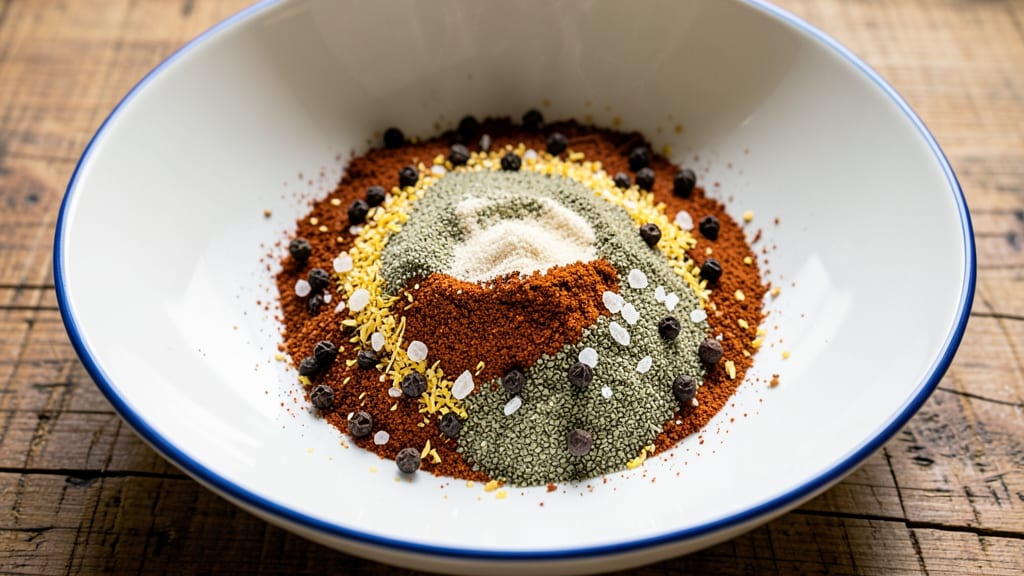
Creating a Longhorn Steakhouse seasoning blend at home transforms every grill session into a taste of Texas tradition. This smoky garlic-pepper mix captures the restaurant's signature flavor profile with precise measurements that deliver consistent, restaurant-quality results every time.
I developed this blend after years of testing different ratios, and it's become my go-to for steaks, ribs, and even grilled vegetables.
The secret lies in balancing heat and aroma—smoked paprika provides that signature steakhouse smokiness, while garlic powder and black pepper add depth. A touch of onion powder rounds out the blend, creating layers of flavor that stick to meat like a second skin.
This isn't just another generic seasoning; it's a carefully calibrated mix designed to elevate your grilling game to professional levels.
With just six simple ingredients, you'll have a dry rub that's ready to use immediately or store for months. The blend works perfectly on steaks, chicken, pork chops, and even grilled corn—anything that benefits from that signature Longhorn smokiness.
What makes this recipe special is how it transforms ordinary grilled meats into something that tastes like it came from a legendary Texas steakhouse.
Make a large batch and keep it on hand for spontaneous grill nights. The measurements are precise but flexible, allowing you to adjust the heat level to your preference.
Once you try this blend, you'll never go back to generic store-bought seasonings again. Let's get started on creating your own signature flavor profile.
Ingredients for longhorn steakhouse seasoning
Six ingredients, Texas-sized flavor—this is your gateway to Longhorn Steakhouse magic at home.
| Ingredient | Amount | Notes |
|---|---|---|
| Smoked Paprika 🌶️ | 3 tbsp | High-quality, not smoked paprika substitute |
| Garlic Powder 🧄 | 2 tbsp | Freshly ground preferred for depth |
| Coarse Black Pepper 🌶️ | 1 ½ tbsp | Freshly cracked for maximum aroma |
| Onion Powder 🧅 | 1 tbsp | Diamond Crystal preferred for purity |
| Kosher Salt 🧂 | 1 tbsp | Diamond Crystal or Morton's |
| Ground Cumin 🌿 | ½ tbsp | Toasted for deeper flavor profile |
| Cayenne Pepper 🔥 | ½ tsp | Adjust for desired heat level |
The smoked paprika is non-negotiable here—Penzeys or McCormick Gourmet are my go-tos for that authentic steakhouse smokiness. I always double-check the label for '100% paprika' with no additives. The garlic powder should be freshly ground (the kind in a shaker loses potency fast), and Trader Joe's sells a great pre-ground version if you don't have a grinder. For the black pepper, Tellicherrythat's where the magic happens.
No smoked paprika? Substitute with 1 tbsp regular paprika plus 1/2 tsp liquid smoke, but trust me, it won't be the same. Fresh garlic powder unavailable? Use 1 tbsp granulated garlic, but it's more concentrated so start with less. Want to dial back the heat? Skip the cayenne entirely—this blend still works beautifully. For a sweeter profile, add 1/2 tsp brown sugar (though I've never found it necessary). The measurements are precise, but feel free to adjust the cayenne up or down based on your heat tolerance. If you're using this on delicate fish, I'd reduce the cayenne to 1/4 tsp—it's still delicious, just more subtle.
This blend keeps like a dream—6-12 months in an airtight container in a cool, dark place. I use a amber glass jar with a tight-sealing lid to preserve freshness. For best results, make a large batch (this recipe makes about 1/2 cup) and store it in your pantry for spontaneous grill nights. The flavors actually deepen over time, so don't be afraid to make extra. When using, shake the jar vigorously before applying—the spices settle. This makes enough for about 10-12 lbs of meat, so plan accordingly for your grilling sessions.
Why You'll Love This Recipe
- Five-Ingredient Magic: I swear by this blend—just measure, mix, and go. No fancy tools, no waiting for spices to "toast" or anything. That smoked paprika alone gives it depth, but the garlic and onion powders? They’re the secret handshake that makes it taste like a proper steakhouse.
- Steakhouse in a Jar: Honestly, the way the coarse black pepper and kosher salt work together? It’s got that perfect balance—sharp enough to wake up your taste buds but smooth enough to let the smoky paprika shine. Sprinkle it on anything, and suddenly, it feels like a restaurant meal.
- Weeknight Superstar: This isn’t just for steak. Toss it on chicken thighs, roast potatoes, or even scrambled eggs when I’m in a rush. (Yes, even on a Tuesday night.) It turns basic meals into something that feels intentional—no extra effort, just better flavor.
- Budget-Friendly Powerhouse: A little goes a long way, and these spices don’t cost an arm and a leg. I keep a big jar in my pantry, and it lasts months. Plus, it’s way cheaper than buying pre-made seasoning packets that taste like sawdust. Win-win.
Step-by-step instructions for Longhorn steakhouse seasoning
This smoky garlic-pepper blend transforms ordinary steaks into restaurant-quality masterpieces.
Measure Ingredients with Precision
Begin by gathering all your ingredients and measuring them exactly as listed. I use a small mixing bowl and a fine-mesh strainer for the coarse black pepper to ensure even distribution. The 3 tablespoons of smoked paprika should be measured first—this is your base flavor, so take your time to get it right. For the garlic powder, I recommend using freshly ground if possible; the aroma difference is noticeable in this blend.
Next, measure the 1.5 tablespoons of coarse black pepper—this is where you'll feel the texture difference from regular ground pepper. The coarse grind not only adds visual appeal but also provides a more complex flavor profile. Weigh or measure the 1 tablespoon of onion powder and 1 tablespoon of kosher salt carefully, as these will balance the smokiness with savory depth. The 0.5 tablespoon of ground cumin and 0.5 teaspoon of cayenne pepper should be measured last, as these are your flavor enhancers.
Combine Dry Ingredients in a Mixing Bowl
Transfer all the measured ingredients into a medium-sized mixing bowl. I like to use a bowl that's just large enough to hold everything comfortably—this prevents spills and makes blending easier. Give the ingredients a quick visual inspection to ensure no clumps remain, especially with the smoked paprika and ground cumin, which can sometimes form small lumps when stored.
Use a whisk to gently break up any clumps and distribute the ingredients evenly. This is where the coarse black pepper really shines—its larger particles will create a more textured seasoning. Stir the mixture for about 1 minute, making sure every ingredient is thoroughly incorporated. You should see a uniform blend with no visible streaks of individual spices. This step ensures that every pinch of seasoning delivers the same bold flavor profile.
Pulse in a Food Processor for Uniformity (Optional but Recommended)
For a more refined texture, transfer the blended spices to a food processor fitted with the metal blade. Pulse in 3-4 short bursts—just long enough to break down the larger particles while preserving the coarse texture of the black pepper. You're aiming for a fine but still slightly gritty consistency, not a powder. This step is particularly important if you plan to use this seasoning on delicate cuts of meat where texture matters.
After pulsing, taste the mixture to evaluate the balance. The smoked paprika should dominate with a deep, woodsy aroma, followed by the garlic powder's sweetness and the cumin's earthy warmth. The cayenne pepper adds a subtle heat that shouldn't overpower but should be noticeable. If you find the blend too mild, you can add a pinch more cayenne pepper or smoked paprika to intensify the flavor.
Store Properly for Maximum Freshness
Transfer the finished seasoning blend to an airtight container—glass jars with silicone seals work best for preserving flavor. I like to use a jar with a measuring spoon attached for convenience. Store the seasoning in a cool, dark place like a pantry or spice cabinet, where it will stay fresh for up to 6 months. For even longer shelf life, you can refrigerate it for up to 1 year, though the flavors will gradually mellow over time.
Before each use, give the seasoning a quick shake and taste test. The smoked paprika should still smell rich and aromatic, and the garlic powder should retain its sweet, pungent scent. If you notice any loss of aroma, it's time to make a fresh batch. This seasoning is incredibly versatile—use it on steaks, grilled vegetables, roasted potatoes, or even as a finishing rub for seafood. A little goes a long way, so start with 1 teaspoon per pound of meat and adjust to taste.
Pro Tips For Making Longhorn Steakhouse Seasoning
- TOAST THE PAPRIKA: I learned this the hard way—skipping this step makes the smoky flavor half as strong. Heat your smoked paprika in a dry pan over medium for 30 seconds until fragrant (yes, it’ll darken slightly), then let it cool before mixing. The extra effort turns "meh" seasoning into "wow."
- GRIND YOUR OWN PEPPER: Store-bought coarse black pepper loses its punch fast. Crack a few fresh peppercorns in a mortar or spice grinder right before mixing—it’s more work, but the sharpness cuts through the smoky sweetness like it should. (I know, I know, but trust the process.)
- SALT IN STAGES: Dumping all the kosher salt at once flattens the flavor. Start with half, taste the blend, then add the rest—this lets you adjust for saltiness in your actual dish. The Longhorn blend is bold; you’ll likely need less than you think.
- STORE IT DRY: Moisture turns this seasoning into a clumpy mess. Keep it in an airtight container away from heat, and add a bay leaf or two to absorb any lingering dampness. I’ve ruined batches by ignoring this—don’t be that person.
Common mistakes when making this dish
Over-Salting Risks
The most common mistake I see is overdoing the salt—especially when using this blend on tender cuts like filet mignon. The 1 tablespoon of kosher salt in this recipe is already potent, and when combined with other salty ingredients (like smoked paprika), it can easily overwhelm delicate flavors.
I learned this lesson the hard way when I accidentally double-dosed a 12-ounce ribeye and ended up with a salty, unappetizing mess. 🧂
Solution: Start with 1 teaspoon per pound of meat and taste before grilling. If you're using this on chicken or vegetables, reduce to ½ teaspoon per pound—these foods can't handle as much salt.
Remember, you can always add more seasoning after cooking, but you can't unsalt something that's already ruined.
Uneven Application
Another frequent error is applying the seasoning unevenly, which leads to patchy flavor distribution. I've seen people just sprinkle the blend on top without pressing it into the meat, or worse, only season one side.
This creates hot spots where the rub burns during grilling while other areas remain bland. 🔥
Pro tip: Pat your meat dry with paper towels first—this helps the seasoning stick better. Then, generously coat all sides, including edges and seams. Press the seasoning into the meat with your fingers or a meat mallet.
For extra insurance, I like to refrigerate the seasoned meat for 30-60 minutes before grilling—this lets the spices penetrate deeper and creates that perfect bark.
Skipping the Taste Test
Many home cooks assume the recipe is perfect as written and skip the critical taste test step. This is especially dangerous with this blend because the cayenne pepper can vary in heat intensity depending on the brand.
I've had batches that were too mild and others that were downright spicy—without tasting first, you might end up with a disappointing result. 🌶️
Always taste the blend before using it on your main protein. If it's too mild, add a pinch more smoked paprika or garlic powder. If it's too hot, reduce the cayenne next time.
David (my official taste-tester) always says, "Better to know now than ruin a whole steak!" This simple step saves more meals than you'd think.
Using Old or Low-Quality Spices
One mistake that kills flavor is using stale spices or cheap substitutes. I notice this most often with the smoked paprika—some store brands have a metallic aftertaste that completely ruins the blend.
Even worse, spices that have sat in your pantry for over a year lose their potency and add nothing to your dish. 🌿
Invest in quality spices like Penzeys or McCormick Gourmet for smoked paprika, and always check the expiration dates. If you haven't used a spice in over 6 months, it's time to replace it.
The Tellicherry black pepper and freshly ground garlic powder are worth the extra cost—they make all the difference in this blend. I keep a small jar of each on hand specifically for this recipe.
Overlooking Meat Temperature
Many grillers focus so much on the seasoning that they neglect proper meat temperature control. Applying this bold seasoning to meat that's cooked incorrectly (like undercooked steaks or overcooked chicken) means you're masking the real problem.
I've seen people slather this rub on a medium-rare steak that was actually medium-well inside—all the seasoning in the world can't save that. 🌡️
Always use a meat thermometer to check internal temperatures. For steaks, aim for 130-135°F for medium-rare (140-145°F for medium). For chicken, pull it at 165°F—no exceptions. The seasoning enhances the natural flavors, but it can't compensate for poor cooking technique.
I keep a ThermoWorks Smoke thermometer on hand because it's accurate and has multiple probes for monitoring both meat and grill temperature.
Nutrition facts
Frequently asked questions
Can I use this blend on foods other than meat?
This smoky garlic-pepper blend works beautifully on grilled vegetables like corn, zucchini, and bell peppers. It also elevates roasted potatoes, Brussels sprouts, and even shrimp. For delicate foods, reduce the cayenne to ¼ teaspoon to avoid overpowering the natural flavors. The key is to apply it generously and let the spices work their magic during cooking.
How do I adjust the heat level in this seasoning?
The cayenne pepper is the heat control—start with the ½ teaspoon called for, then adjust by adding or removing ¼ teaspoon increments. For mild heat, omit it completely. If you love spice, add up to 1 teaspoon for a fiery kick. Always taste the blend first to avoid surprises. The smoked paprika also adds subtle warmth, so don't reduce it too much.
What's the best way to store leftover seasoning?
Transfer the blend to an airtight glass container with a tight-sealing lid—amber glass preserves freshness best. Store in a cool, dark pantry for up to 6 months or refrigerate for 1 year. Before each use, shake vigorously to redistribute settled spices. The flavors actually improve over time, so don't hesitate to make a big batch. Freezing isn't recommended as it can degrade the paprika's aroma.
Can I make this seasoning without smoked paprika?
Yes, but the flavor won't be authentic. Substitute with 1 tablespoon regular paprika plus ½ teaspoon liquid smoke. For best results, toast the paprika in a dry pan for 1 minute to deepen its flavor before mixing. The blend will taste different but still delicious—just less smoky. If you're avoiding smoked paprika for dietary reasons, this is your best alternative.
How much seasoning should I use per pound of meat?
Start with 1 teaspoon per pound for steaks and chops, then adjust to taste. For chicken or fish, reduce to ½ teaspoon per pound—these foods absorb seasoning differently. Press the blend into the meat and let it rest for 30 minutes before grilling for maximum flavor penetration. The coarse black pepper will create a beautiful crust while the spices infuse the meat.