
Main Courses
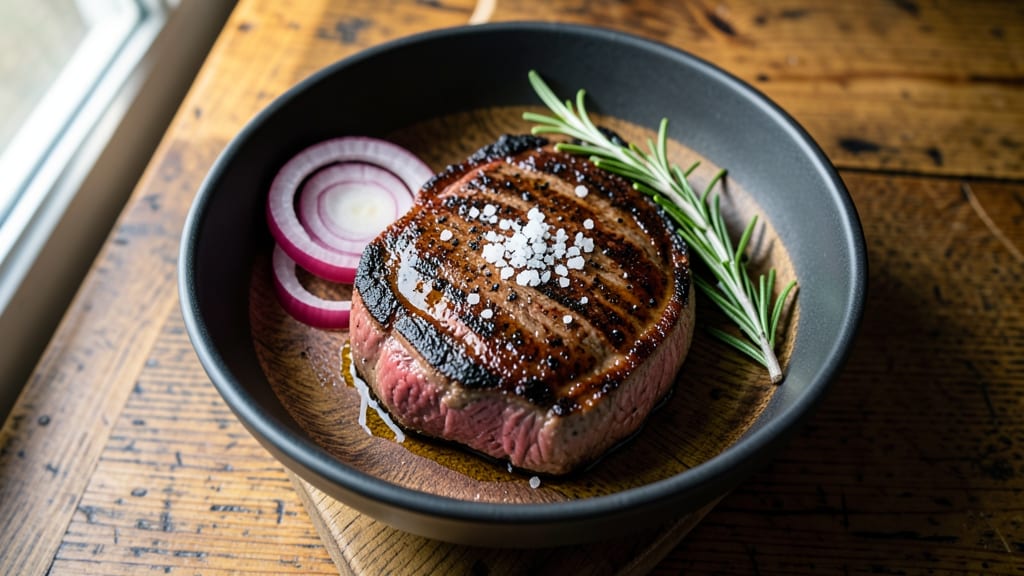
The New York beef steak recipe that delivers steakhouse-quality results at home starts with one game-changing technique: dry-brining. This method transforms even the most ordinary steak into a juicy, flavor-packed masterpiece with a caramelized crust that'll make you question why you ever bought takeout.
I've perfected this approach after years of testing—no fancy equipment, just precision and patience.
What sets this recipe apart is the dry-brine process, where salt and spices penetrate the steak overnight, ensuring maximum flavor and moisture retention. You'll work with a high-quality cut like ribeye or strip steak, seasoned simply but effectively with coarse salt and black pepper.
The key lies in the cooking technique: a slow rise in temperature followed by a high-heat sear in a cast-iron skillet creates that coveted crust while keeping the interior perfectly medium-rare.
By the time you're done, you'll have a steak that's juicy, tender, and packed with flavor—every bite delivering that perfect balance of caramelized exterior and succulent interior. The secret to success is letting the steak rest after cooking, allowing the juices to redistribute for maximum tenderness.
This isn't just a recipe; it's a method that transforms an everyday meal into a restaurant-worthy experience.
Pair your steak with classic sides like garlic mashed potatoes or roasted asparagus, and you've got a complete meal that rivals any New York steakhouse. The beauty of this method is its versatility—whether you're cooking for two or hosting a dinner party, the results are consistently exceptional.
Let's get started on creating your perfect steak.
Ingredients for new york beef steak
Four ingredients transform ordinary steak into restaurant-quality perfection through dry-brining magic.
| Ingredient | Amount | Notes |
|---|---|---|
| Ribeye Steak 🥩 | 1 ½ lb | 2-inch thick cut, bone-in preferred |
| Coarse Kosher Salt 🧂 | ½ cup | Diamond Crystal preferred for texture |
| Freshly Ground Black Pepper 🌶️ | 2 tbsp | Freshly cracked for maximum flavor |
| Extra-Virgin Olive Oil 🫒 | 2 tbsp | High-quality, fruity variety |
| Yellow Onion 🧅 | 1 whole | Thinly sliced for garnish |
| Fresh Rosemary 🌿 | 1 sprig | For dry-brine infusion |
| Fresh Thyme 🌿 | 1 sprig | For dry-brine infusion |
| Butter 🧈 | 4 oz | Unsalted, cold for basting |
| Garlic Cloves 🧄 | 4 cloves | Minced for butter compound |
| Fresh Parsley 🌿 | ¼ cup | Chopped for garnish |
| Bacon Fat 🥓 | 2 tbsp | For extra smoky flavor |
The ribeye is non-negotiable here—bone-in cuts develop richer flavor, and 2-inch thickness ensures perfect medium-rare throughout. Local butchers often have the best selection, but if you're at the supermarket, look for USDA Prime labels. I always check for bright red color and good marbling—that's where the flavor hides. For a true New York experience, Costco's ribeye is my go-to, but any high-quality butcher will have a comparable cut. The coarse kosher salt is crucial—Diamond Crystal dissolves more slowly than table salt, creating that perfect crust without over-salting the interior.
No fresh rosemary or thyme? Dried works at half the amount, but fresh infuses the brine with that herbaceous depth. Running short on butter? Ghee or duck fat adds richness without burning. The bacon fat might seem odd, but it's pure flavor—Trader Joe's sells it pre-rendered in jars, or you can fry up some bacon and save the fat. For the olive oil, California avocado oil has a higher smoke point if you're worried about splatter. And if you're cooking for more than four, scale the steak weight proportionally—the dry-brine ratio stays the same.
The dry-brine mixture keeps in the fridge for up to 3 days, but the steak itself should rest uncooked for 24 hours—that's when the magic happens. Butter compound (the garlic-butter mix) stays fresh for 5 days in the fridge or 3 months frozen. For leftovers, slice against the grain and store in an airtight container with a pat of the leftover butter on top—keeps it juicy for 3-4 days. The herbs? Wash and dry them thoroughly before using, or they'll make your steak soggy.
Why You'll Love This Recipe
- Five-Ingredient Magic: I swear by this recipe because it’s that simple—just ribeye, salt, pepper, olive oil, and onions. No fancy sauces, no last-minute grocery runs. Honestly, I’ve made it after work when I was too tired to think, and it still turned out juicy and bold.
- Crispy-Perfect Edge: That caramelized onion crust on the outside? It’s the secret weapon. The onions soften just enough to stick to the steak while the salt and pepper lock in all that beefy flavor—like a little flavor bomb in every bite.
- Weeknight or Date Night: Same recipe, totally different vibes. Toss it on the grill for a casual Friday, or sear it in a cast-iron pan for a dinner that feels special. Between us, my husband doesn’t even realize how little effort went into it.
- Leftovers That Don’t Suck: Cold slices the next day? Still delicious. I’ll be real—my lunchbox gets packed with these because they’re hearty enough to stand alone, and the onions add a sweetness that’s weirdly addictive when reheated. (Yes, even on a Tuesday.)
Step-by-step instructions for New York beef steak with dry-brine technique
This method delivers restaurant-quality beef with an intensely flavorful crust and melt-in-your-mouth tenderness.
Prepare the Dry-Brine for Maximum Flavor and Juiciness
In a large bowl, combine the 1.5 lb ribeye steak, 0.5 cup coarse kosher salt, and 2 tbsp freshly ground black pepper. Gently massage the salt and pepper into every surface of the steak, working it into the crevices and edges. The salt will penetrate deeply, creating that signature New York beef flavor while preventing moisture loss during cooking.
Place the seasoned steak on a wire rack set over a rimmed baking sheet. Cover loosely with plastic wrap and refrigerate for 24 hours. This extended dry-brine transforms the steak by drawing out surface moisture, allowing the salt to penetrate fully and creating an ideal crust when cooked. For best results, keep the steak uncovered in the fridge during the final 4 hours of brining to promote even drying.
Create the Herb Butter Compound for Rich Basting
While the steak brines, prepare the herb butter by combining 4 oz cold butter, 4 cloves minced garlic, 1 sprig finely chopped fresh rosemary, and 1 sprig finely chopped fresh thyme in a small bowl. Mix gently until just combined—you want the herbs distributed evenly without breaking down the butter's texture. Add 2 tbsp bacon fat and mix again. This compound will baste the steak during cooking, infusing it with layers of flavor.
Form the herb butter into a log by rolling it tightly in plastic wrap and flatten slightly. Chill until ready to use. The cold butter will melt beautifully during searing, creating a luscious crust while keeping the interior juicy. This step is what elevates a simple steak into a New York-style masterpiece.
Sear the Steak to Perfection Using Two-Stage Heat
Remove the steak from the fridge 30 minutes before cooking to bring it to room temperature. Heat a heavy cast-iron skillet over high heat until it's screaming hot—you should see a thin layer of steam evaporate when you sprinkle water inside. Add 2 tbsp extra-virgin olive oil and let it shimmer for 1 minute before adding the steak.
Sear the steak for 4 minutes per side for a 2-inch thick cut, pressing down gently with a metal spatula during the first minute to ensure even contact. The steak should develop a deep mahogany crust with caramelized edges. Flip carefully only once—this prevents tearing the meat fibers. When the crust is set, reduce heat to medium-high and continue cooking for 2-3 minutes per side until reaching 130°F internal temperature for medium-rare.
Baste with Herb Butter and Rest Properly
Remove the steak from the pan and let it rest on a cutting board for 5 minutes while you finish the herb butter. Return the skillet to medium heat and add the chilled herb butter compound. Let it melt completely, scraping up any browned bits from the bottom of the pan. This creates a rich, flavorful sauce that will baste the steak.
Using a pastry brush, generously coat the steak with the melted herb butter, letting it pool in the center. Return the steak to the skillet for 1-2 minutes to absorb the flavor. Meanwhile, thinly slice 1 whole yellow onion and 0.25 cup fresh parsley for garnish. The resting period is crucial—it allows juices to redistribute throughout the steak, ensuring each bite remains succulent.
Slice and Serve with Confidence
Slice the steak against the grain into ½-inch thick pieces. The grain will be visible as horizontal lines running through the meat. Arrange the slices on warm plates, fanning them slightly to showcase the beautiful crust. Garnish immediately with the sliced yellow onion and chopped fresh parsley for color and freshness.
Serve with the remaining herb butter sauce drizzled over the top and any accumulated pan juices. Each bite should deliver perfect medium-rare doneness with a caramelized crust that gives way to tender, juicy beef. The dry-brine technique and herb butter basting create a flavor profile that's distinctly New York—rich, deeply seasoned, and impossibly tender.
Pro Tips For Making New York Beef Steak
- Sear in Stages: Start your ribeye over high heat until you hear that satisfying sizzle, then pull it off the pan after 30 seconds—just when the crust forms. Finish the sear in a 400°F oven for 3-4 minutes per side (depending on thickness) to cook through without overcrowding the pan. I used to rush this and ended up with uneven doneness—patience here guarantees a perfect crust and juicy center.
- Salt the Onion: Halve your yellow onion and sprinkle the cut sides with a pinch of kosher salt before cooking. This draws out moisture, so it caramelizes faster and deeper, adding a richer, sweeter base to your steak. I skipped this once and regretted it—the flavor was noticeably flatter.
- Skip the Crowding: Cook your ribeye alone in the pan—no onions or other veggies until the steak is seared. Overcrowding steams the meat instead of searing, and you’ll lose that golden crust. Add the onions in after the first sear, and they’ll soak up all the delicious fond at the bottom.
- Rest Under Foil: After cooking, transfer the steak to a plate, loosely tent it with foil, and let it rest for 5-10 minutes. This keeps it warm while the juices redistribute—cutting into it too soon sends all that flavor pooling onto your plate. I learned this the hard way after serving a dry, sad steak to guests.
Troubleshooting perfect results
Overcooked Exterior
If your steak develops a burnt exterior before the interior reaches 130°F, you're likely cooking at too high a heat or flipping too frequently. I've seen this happen when home cooks panic and crank the heat higher to "speed things up."
Instead, maintain medium-high heat after the initial sear and use a meat thermometer to monitor internal temperature. A ThermoWorks Smoke thermometer gives precise readings without piercing the steak multiple times.
Dry, Tough Interior
An overcooked, dry steak usually means one of two things: either you didn't let it rest long enough or you cooked it past medium-rare. The fix? Always rest the steak for at least 5 minutes (I prefer 10 minutes for thicker cuts) before slicing.
If you're unsure about doneness, pull it off heat when it hits 125°F—it'll rise 5°F while resting. For extra insurance, use a Lodge cast iron skillet which retains heat better than nonstick pans.
Uneven Cooking
Uneven cooking often happens when the steak isn't at room temperature or when you flip it too soon. Always remove the steak from the fridge 30 minutes before cooking to ensure even heat distribution.
For thicker cuts, consider the reverse sear method: bake at 275°F until 10°F below target temp, then sear in a screaming-hot pan. This creates perfect medium-rare throughout without burning the edges.
Salt Crust Issues
If your crust looks more like salt crystals than caramelized perfection, you likely didn't dry the steak properly during brining. In the final 4 hours of dry-brining, keep the steak uncovered on a wire rack in the fridge.
This allows surface moisture to evaporate, creating that ideal crust. For extra insurance, pat the steak dry with paper towels right before searing—this removes any remaining moisture that could prevent proper browning.
Butter Not Melting
Cold herb butter that refuses to melt usually means your skillet isn't hot enough. After removing the steak, increase heat to medium-high and let the pan recover for 30 seconds before adding the butter.
If it still doesn't melt, try using a 10-inch Lodge cast iron—it heats more evenly than smaller pans. For stubborn butter, add 1 tsp bacon fat to help it melt faster while adding extra flavor.
Steak Sticking to Pan
Sticking happens when either the pan isn't hot enough or you're using the wrong oil. Always preheat your cast-iron skillet until it's "screaming hot"—water should sizzle violently when sprinkled inside. Use high-smoke-point oils like avocado or grapeseed oil (I prefer California Avocado Oil) rather than olive oil for searing.
If sticking still occurs, let the steak sit in the pan for 1 minute before attempting to flip—this gives the crust time to set properly.
Nutrition facts
Frequently asked questions
What's the best cut of beef for this New York-style recipe?
For authentic results, use a 2-inch thick ribeye with good marbling—this delivers that signature beefy flavor and tenderness. A strip steak works too, but ribeye's fat content creates extra juiciness. Look for USDA Prime or Choice grades from a trusted butcher for the best quality.
Can I substitute the dry-brine for a wet brine?
While wet brines work, dry-brining creates a superior crust through salt penetration without over-salting the interior. For a quick alternative, coat the steak with 1 tbsp coarse salt per pound and refrigerate uncovered for 4 hours before cooking. The flavor won't be identical, but it's a decent shortcut.
How do I adjust the cooking time for different steak thicknesses?
Use this rule: 4 minutes per side for 2-inch thick steaks (medium-rare). For 1.5-inch cuts, reduce to 3 minutes per side, and for 3-inch+, increase to 5-6 minutes per side. Always use a meat thermometer—130°F is perfect for medium-rare.
What are the classic New York steakhouse sides?
Pair your steak with garlic mashed potatoes, roasted asparagus, or creamed spinach for a complete meal. For extra authenticity, add a baked potato topped with bacon and sour cream. The key is keeping sides simple so the steak remains the star.
Can I make this recipe without a cast-iron skillet?
While cast iron is ideal for even heat distribution, a heavy stainless steel pan works too. Avoid nonstick—it can't handle the high heat needed for that perfect crust. If using stainless steel, preheat it for 5 minutes longer than cast iron to reach the same temperature.