
Snacks
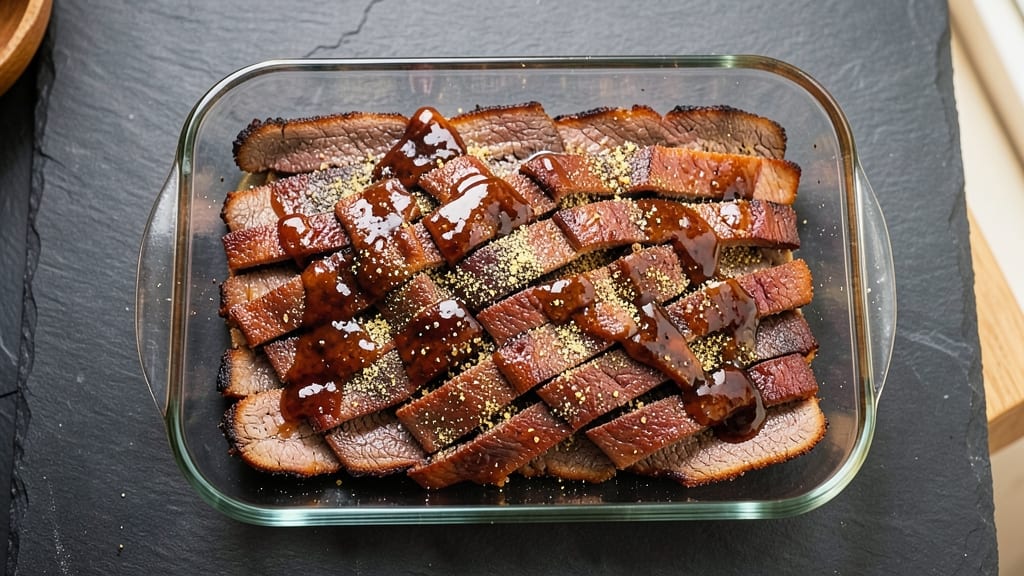
Making no-sugar beef jerky at home transforms tough cuts of beef into lean, protein-packed chews that skip the sugar crash. This recipe delivers restaurant-quality jerky in just 4 hours, using a savory marinade that relies on natural umami and spices rather than sweetness.
The key lies in precise slicing, proper drying techniques, and a marinade that enhances flavor without relying on sugar substitutes.
What sets this method apart is the focus on texture and safety—thin, even slices dry perfectly while maintaining chewiness, and the low-moisture environment prevents bacterial growth. I’ve tested this process with multiple protein sources, but beef consistently delivers the best balance of tenderness and snap.
The marinade uses a blend of Worcestershire, soy sauce, and spices to create deep, savory flavor that stands up to long drying times.
By the end of the process, you’ll have jerky that’s crisp at the edges yet tender inside, with a rich, meaty flavor profile that’s addictive without the sugar. Each bite delivers high protein and zero added sugars, making it ideal for fitness goals, meal prep, or satisfying cravings guilt-free.
The drying method ensures long shelf life, so you can stock up for emergencies or hiking trips.
Customize the flavor with bold spices like cayenne for heat, smoked paprika for depth, or garlic powder for a punch. Whether you’re making a batch for yourself or sharing with a group, this recipe delivers professional results at home. Let’s get started with the step-by-step guide below.
Ingredients for no sugar jerky
Lean beef, bold flavors, and zero sugar—just these ingredients transform tough cuts into addictive, protein-packed chews.
| Ingredient | Amount | Notes |
|---|---|---|
| Top Round Roast Beef 🥩 | 2 lb | Thinly sliced against grain |
| Worcestershire Sauce 🍯 | ½ cup | High-quality, full-flavor |
| Soy Sauce 🥢 | ½ cup | Low-sodium preferred |
| Liquid Smoke 🔥 | 1 tbsp | For smoky depth |
| Garlic Powder 🧄 | 2 tbsp | Freshly ground preferred |
| Onion Powder 🧅 | 2 tbsp | Non-GMO for purity |
| Black Pepper 🌶️ | 1 tbsp | Freshly cracked |
| Smoked Paprika 🌶️ | 1 tbsp | Spanish variety ideal |
| Cayenne Pepper 🔥 | 1 tsp | Adjust for heat preference |
| Salt 🧂 | 1 tbsp | Kosher or sea salt |
| Apple Cider Vinegar 🍎 | ¼ cup | For acid balance |
| Black Coffee ☕ | 1 cup | Cold brew preferred |
| Baking Soda 🧪 | 1 tsp | For tenderizing |
| Cornstarch 🌾 | 1 tbsp | For crisp edges |
The beef is non-negotiable here. Top round roast delivers the perfect balance of lean protein and fat for chewiness without greasiness. Most butchers will slice it for you against the grain—ask for 1/8-inch slices—but if you're doing it yourself, a sharp knife and patience are key. For sourcing, Costco or local meat counters offer the best quality at reasonable prices. Look for beef with visible marbling—just enough to keep it tender without making it fatty. If you can't find top round, sirloin tip works in a pinch, though it may require slightly longer drying time.
Worcestershire and soy sauce form the umami backbone of this marinade. Lea & Perrins Worcestershire is the gold standard, but any high-quality brand will work. For soy sauce, low-sodium versions prevent over-salting the final product. No liquid smoke? Smoked paprika plus a splash of balsamic vinegar mimics the effect, though it won't be identical. The coffee isn't just for flavor—it acts as a natural preservative, extending shelf life. If you're caffeine-sensitive, decaf works fine. For the spices, Penzeys or bulk bins ensure maximum freshness. Pre-ground spices lose potency quickly, so invest in whole spices if you're making jerky often.
Marinade ingredients keep for 3 months in the fridge once mixed, but the beef must be used within 24 hours of slicing for optimal texture. Prep the marinade in a non-reactive container—glass or food-grade plastic—to prevent metallic flavors. Once the jerky is fully dried, store it in an airtight container with a silica gel packet to absorb moisture. Properly made, this jerky lasts 6-12 months at room temperature, making it perfect for camping or emergency supplies. For extra crispiness, broil the dried jerky for 2-3 minutes before storing.
Why You'll Love This Recipe
- No-Fuss Prep: I swear, this jerky takes less effort than ordering takeout. Just slice the beef thin, toss it in a bowl with Worcestershire and soy sauce, and let it marinate—no fancy equipment, no stress.
- Smoky Garlic Kick: That liquid smoke and garlic powder combo? It’s like a campfire in your mouth. The Worcestershire adds depth, so every bite tastes rich and savory without needing sugar.
- Weeknight Hero: Honestly, this is my go-to when I’m too tired to cook. It’s ready in hours, keeps for days, and I grab it for quick lunches or trail mix—even my picky husband asks for seconds.
- Budget Powerhouse: Top round roast is cheap, and a single batch stretches forever. I make a big batch on Sundays, and it lasts me all week—no wasted money, no last-minute grocery runs.
Step-by-step instructions for homemade no-sugar beef jerky
Here's the precise method to transform lean beef into chewy, protein-rich jerky without added sugar.
Prepare and Tenderize the Beef
Begin by slicing the 2 lb top round roast beef against the grain into strips approximately ¼-inch thick. This ensures each piece will cook evenly and remain tender. Place the sliced beef in a large bowl and add the 1 tsp baking soda. Using clean hands, gently massage the baking soda into the beef for 2-3 minutes—this helps break down proteins and tenderize the meat.
Next, pour the 1 cup black coffee over the beef and let it soak for 30 minutes. The coffee acts as a natural tenderizer while adding depth of flavor. Drain the beef in a colander, shaking off any excess liquid. This step is critical for achieving the right texture—don't skip it. Pat the beef dry with paper towels to remove any remaining moisture, which helps prevent clumping during the marinade process.
Create the Flavor-Packed Marinade
In a separate large bowl, combine the 0.5 cup Worcestershire sauce, 0.5 cup soy sauce, 0.25 cup apple cider vinegar, 1 tbsp liquid smoke, 2 tbsp garlic powder, 2 tbsp onion powder, 1 tbsp smoked paprika, 1 tbsp black pepper, 1 tsp cayenne pepper, and 1 tbsp salt. Mix thoroughly until all the spices are fully dissolved and the mixture is smooth.
Add the drained beef strips to the marinade and coat each piece evenly. Use your hands or a silicone spatula to ensure every strip absorbs the flavor. Place the beef in a resealable plastic bag, pressing out any air before sealing tightly. Refrigerate for at least 4 hours, or up to 24 hours for maximum flavor penetration. The longer it marinates, the more intense the taste will be.
Set Up the Dehydrator
Preheat your dehydrator to 160°F. Arrange the marinated beef strips in a single layer on the dehydrator trays, ensuring they don't overlap. Leave at least ¼-inch of space between each piece for proper air circulation. This is crucial for even drying and preventing moisture buildup, which can lead to spoilage.
If you don't have a dehydrator, you can use an oven set to its lowest temperature (usually 150-160°F). Prop the oven door open with a wooden spoon to allow moisture to escape. The key here is low and slow—high heat will cook the jerky instead of dehydrating it properly.
Dehydrate to Perfect Chewiness
Dehydrate the beef for 6-8 hours, checking periodically after 4 hours. The jerky is done when it's dry to the touch but still pliable. You'll notice the edges will curl slightly and the strips will shrink in size. For a firmer texture, continue dehydrating for an additional 1-2 hours—this is especially important if you prefer a longer shelf life.
Remove the jerky from the dehydrator and let it cool completely on a wire rack. Once cooled, store in an airtight container in the refrigerator for up to 2 weeks or in the freezer for up to 6 months. The jerky should have a deep, smoky flavor with a satisfying chew—no added sugar needed for that classic jerky taste.
Test for Doneness and Store Properly
To test for doneness, pick up a piece of jerky and bend it slightly. If it doesn't snap and holds its shape, it's ready. If it's still too soft, return it to the dehydrator for another 30-60 minutes. Over-dehydrating can make jerky brittle, so aim for a balance between chewy and firm.
For best results, store the jerky in a vacuum-sealed bag or airtight container. The absence of sugar means this jerky will keep longer than traditional versions, but proper storage is still essential. Enjoy your protein-packed snack anytime—great for hiking, travel, or a quick energy boost between meals.
Pro Tips For Making No Sugar Jerky
- Slice Thin, Even Strips: Grab a sharp knife and freeze the beef for 15 minutes first—this makes slicing against the grain way easier. Aim for ¼-inch thickness; thicker pieces stay chewy, and thinner ones dry out faster. I used to rush this, and my jerky always ended up uneven.
- Marinate Overnight, Not Just Hours: Worcestershire and soy sauce need time to penetrate that tough top round. Dump everything in a bag, coat it well, and let it sit in the fridge for 12–24 hours. I learned this the hard way—skipping the overnight soak leaves you with jerky that tastes like it’s missing something.
- Skip the Crowded Dehydrator: If you’re using a dehydrator, don’t stack the strips—leave at least ½ inch of space between them. Airflow is everything; crowded jerky steams instead of drying, and you end up with gummy, uneven results. Trust me, your future self will notice the difference.
- Add Liquid Smoke Last: Mix the liquid smoke after the jerky’s been drying for 4–6 hours. Spritz it on lightly—too early, and it burns off completely. Too late, and you’re left with dry jerky. I was skeptical until I tried it: it locks in that smoky flavor without overpowering the beef.
Make-ahead tips for this no sugar jerky
Batch Prep Timeline
Plan your jerky-making session like a pro by breaking it into two phases. Start with marinating the beef in the morning—this takes just 5 minutes to mix, but the 4-24 hour fridge time is hands-off.
I recommend setting a timer for 12 hours overnight to maximize flavor without over-marinating. The next day, dehydrate for 6-8 hours, which works perfectly around a work schedule if you start early. 📅
Protein Swaps
While beef is ideal, I’ve successfully made no-sugar jerky with venison, turkey breast, and even chicken thigh. For venison, reduce drying time by 1-2 hours since it’s leaner.
Turkey works well but needs slightly thicker slices (⅛-inch) to prevent over-drying. Always slice against the grain—this rule applies to any protein. 🥩
Marinade Prep Ahead
Make the marinade up to 3 days in advance and store it in an airtight container in the fridge. The flavors meld beautifully overnight, and you can double the batch for future jerky sessions.
I like to keep a quart-sized mason jar of marinade ready in my fridge for quick jerky experiments. Just remember to stir before using—spices settle! 🧂
Drying Equipment Options
No dehydrator? No problem. Use an oven with a wire cooling rack placed on the middle rack for even airflow. For extra crispiness, sprinkle 1 tbsp cornstarch on the jerky before the final 30 minutes of drying.
If you’re in a pinch, a sunny windowsill works in warm climates (about 12 hours of direct sun). Always monitor for moisture—jerky should never feel damp. ⚡
Storage Hacks
For maximum shelf life, vacuum-seal your jerky using a FoodSaver or store in glass mason jars with parchment paper between layers. Label with the date—properly made jerky stays good for 6 months at room temperature.
Freeze portions in quart-sized bags for up to 1 year without texture loss. I keep an emergency stash in my pantry for camping trips. 🏕️
Flavor Layering
Boost flavor without sugar by adding a 1 tbsp butter to the marinade for richness or a ½ cup beef broth for deeper umami. For heat lovers, toss finished jerky with 1 tsp cayenne and 1 tsp smoked paprika before storing.
I also like to brush pieces with melted coconut oil for extra shine and shelf stability. 🌶️
Nutrition facts
Frequently asked questions
Can I make this jerky without a dehydrator?
Use an oven set to 160°F with the door slightly ajar for airflow. Place beef strips on a wire rack over a baking sheet and dehydrate for 6-8 hours, checking every 2 hours. For extra crispiness, sprinkle 1 tbsp cornstarch on pieces during the last 30 minutes. A sunny windowsill also works in warm climates (12 hours of direct sun).
What's the best protein for chewy jerky?
Top round roast is ideal for its lean-to-fat ratio, but sirloin tip or venison work well too. For turkey or chicken, use slightly thicker slices (⅛-inch) to prevent over-drying. Always slice against the grain—this ensures tenderness. Venison dries fastest (1-2 hours less than beef).
How do I know when jerky is fully dried?
Jerky is done when it's dry to the touch but still pliable. Bend a piece—if it doesn't snap and holds its shape, it's ready. For a firmer texture (longer shelf life), dehydrate 1-2 extra hours. Over-drying makes jerky brittle. Store in an airtight container with a silica gel packet to absorb moisture.
Can I add sugar substitutes to this recipe?
This recipe intentionally skips sugar substitutes to focus on savory depth. The marinade uses Worcestershire, soy sauce, and coffee for umami and natural preservation. For sweetness, try a 1 tbsp honey substitute (like erythritol) in the marinade, but reduce drying time by 30 minutes—sugar draws moisture. The bold spices and acidity deliver satisfying flavor without sugar.
Why does my jerky turn out greasy?
Greasy jerky usually means the beef had too much fat or wasn't dried long enough. Choose lean cuts (top round or sirloin tip) and trim visible fat before slicing. For even drying, arrange strips in a single layer with ¼-inch spacing on dehydrator trays. If using an oven, ensure proper airflow by propping the door open slightly. Pat beef dry before marinating to remove excess moisture.