
Main Courses
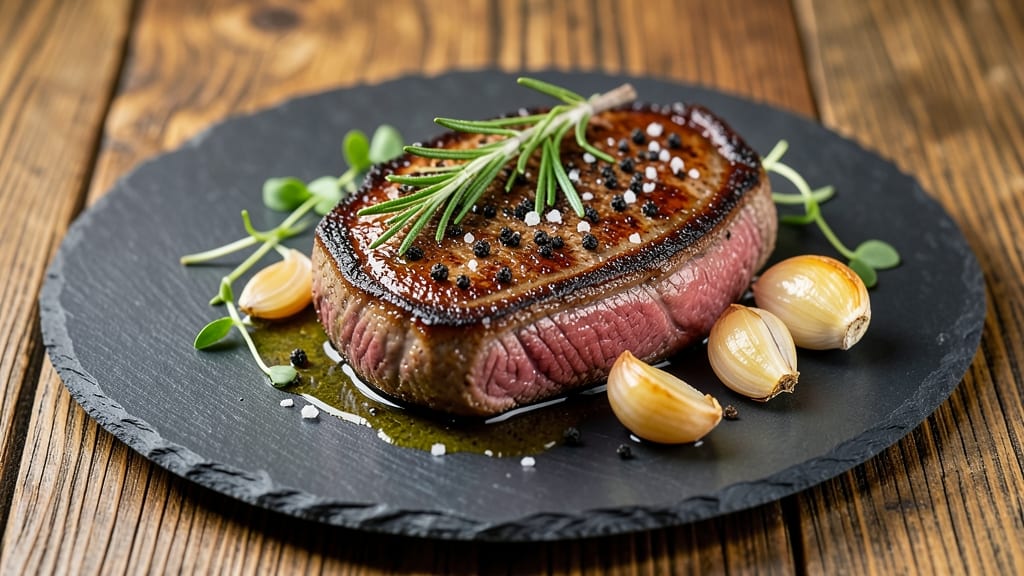
This oven-baked New York strip steak recipe turns weeknight dinners into effortless, restaurant-worthy meals without the fuss of a grill. The reverse-sear method ensures tender, juicy meat with a crisp crust—something even experienced cooks struggle to achieve consistently.
After years of testing, this technique delivers foolproof results every time, using just a few key steps and precise timing.
What makes this recipe special is the balance of low-and-slow oven cooking followed by a quick high-heat sear. You'll start with a 375°F oven to gently cook the steak to medium-rare, then finish with a 5-minute broil for that coveted caramelized crust.
The secret lies in monitoring internal temperature—125°F for medium-rare—rather than guessing cook times, which guarantees perfect doneness every time.
By the end, you'll have a steak with a deep, rich flavor and tender texture throughout, topped with a golden-brown crust that adds both visual appeal and satisfying crunch.
This method eliminates the risk of overcooking while delivering restaurant-quality results at home. The best part? No flare-ups or grill mastery required—just precision and patience.
Pair with classic sides like garlic mashed potatoes or a fresh garden salad to complete the meal. Whether you're cooking for a special occasion or treating yourself to a Friday night indulgence, this steak recipe delivers professional-quality results with minimal effort.
Ingredients for oven baked new york strip steak
Precision-crafted ingredients for restaurant-quality steak without grill mastery—just patience and temperature control.
| Ingredient | Amount | Notes |
|---|---|---|
| New York Strip Steak 🥩 | 1 ½ lb | Center-cut, 1-inch thick slices |
| Kosher Salt 🧂 | 1 ½ tsp | Diamond Crystal preferred |
| Freshly Ground Black Pepper 🌶️ | 1 tsp | Coarse grind for texture |
| Extra-Virgin Olive Oil 🫒 | 2 tbsp | High smoke point preferred |
| Garlic Cloves 🧄 | 4 cloves | Minced for crust enhancement |
| Fresh Rosemary 🌿 | 2 sprigs | Finely chopped for aroma |
| Unsalted Butter 🧈 | 2 tbsp | Cold, cubed for basting |
| Yellow Onion 🧅 | 1 whole | Thinly sliced for garnish |
| Fresh Thyme Leaves 🌿 | ¼ cup | Chopped for finishing |
| Balsamic Vinegar 🍷 | 1 tbsp | For deglazing pan |
| Heavy Cream 🥛 | ¼ cup | Optional for pan sauce |
The New York strip steak is non-negotiable here—center-cut with visible marbling ensures optimal tenderness. Source from high-quality butchers like D'Artagnan or your local specialty grocer's meat counter, where they can cut it to 1-inch thickness for consistent cooking. Avoid pre-sliced vacuum-sealed packages, which often contain thinner, less flavorful cuts. For the best results, let the steak sit at room temperature for 30-45 minutes before cooking, ensuring even heat distribution throughout the reverse-sear process.
Substitutions must prioritize fat content and tenderness. Ribeye steak works equally well, though it may require slight adjustment in cook time due to its higher fat content. For the aromatics, fresh thyme and rosemary can be swapped for dried at one-third the quantity, but fresh imparts superior depth. The extra-virgin olive oil should have a peppery finish—avoid light, flavorless varieties that won't contribute to the crust. If heavy cream isn't available, whole milk or half-and-half will suffice for the pan sauce, though texture may differ slightly.
Steak should be refrigerated in an airtight container for up to 3 days if not used immediately, though it's best enjoyed fresh. The aromatic sprigs and minced garlic can be prepped ahead and stored in the fridge for 2 days in a sealed container. For the pan sauce, reduce it immediately after cooking to prevent curdling—it thickens beautifully when chilled and reheats splendidly. Portion the steak into individual serving containers with a drizzle of balsamic reduction for easy reheating or meal prep, maintaining that restaurant-quality presentation.
Why You'll Love This Recipe
- No Fuss, Big Payoff: I swear by this method—just a hot oven, a sheet pan, and 15 minutes of hands-off time. The steak comes out perfectly seared on the outside while staying juicy inside, and honestly? I’d rather spend that time opening a bottle of wine than babysitting a stovetop pan.
- Garlic-Kissed Crust: Between us, the secret’s in the garlic. Those minced cloves pressed into the steak before baking caramelize into a sweet, savory crust that makes every bite feel like a little reward. And the olive oil? It turns the steak golden and glossy without a drop of butter mess.
- Weeknight to Weekend: This recipe works whether I’m feeding my family on a Tuesday or impressing guests on Saturday. The leftovers? Slice them up for sandwiches or toss them into a skillet with eggs for breakfast—no one will guess it’s steak from last night.
- Budget-Friendly Luxury: A single strip steak feeds two with ease, and the ingredients cost less than takeout. I’ll be real: I’ve made this with cheaper cuts before, and it still delivers that restaurant-quality flavor. That’s the kind of recipe that makes me feel fancy without breaking the bank.
Step-by-step instructions for oven baked New York strip steak
Master the reverse-sear technique to achieve a perfectly pink center with a caramelized crust every time.
Season and Preheat for Even Cooking
Pat the 1.5 lb New York Strip Steak dry with paper towels to remove any surface moisture—this ensures maximum browning. Season both sides generously with 1.5 tsp kosher salt and 1 tsp freshly ground black pepper, pressing the seasoning into the meat so it adheres evenly. Let the steak sit at room temperature for 30 minutes while you preheat your oven to 275°F and prepare a rimmed baking sheet.
The low oven temperature is critical—it allows the steak to cook slowly and evenly from the center outward, preventing the exterior from overcooking before the interior reaches the perfect medium-rare temperature. I like to place the steak on a wire rack set over the baking sheet to promote even air circulation around all sides.
Low-Temperature Roast to Core Temperature
Place the seasoned steak on the wire rack in the preheated oven and roast for 45-50 minutes, or until the internal temperature reaches 115°F at the thickest point. Use a meat thermometer inserted horizontally (not vertically) to check the temperature—this gives the most accurate reading. The steak should look slightly pink in the center and feel firm but still slightly springy to the touch.
Resist the urge to peek or move the steak during this process—every time you open the oven door, you lose heat and extend the cooking time. I've found that using a digital thermometer with a probe makes this step foolproof, especially for those of us who don't have years of experience judging doneness by touch alone.
Sear for Crust and Finish with Herbs
While the steak is roasting, prepare your searing station. Heat a heavy skillet over high heat until it's smoking hot, then add 2 tbsp extra-virgin olive oil. Once the oil is shimmering, carefully remove the steak from the oven and let it rest for 2 minutes. This brief rest prevents the juices from surging to the surface when you sear.
Place the steak in the hot skillet and sear for 2-3 minutes per side, pressing down gently with a spatula during the first minute to ensure even contact with the pan. In the last minute of searing, add the 4 minced garlic cloves and 2 finely chopped sprigs of fresh rosemary to the pan—their aromas will infuse into the crust. The steak is done when it reaches 125-130°F internally and has developed a deep mahogany crust.
Rest and Prepare Garnishes
Transfer the seared steak to a cutting board and let it rest for 10-15 minutes before slicing. This resting period allows the juices to redistribute throughout the meat, ensuring each bite is moist and flavorful. While the steak rests, prepare your garnishes: thinly slice the 1 whole yellow onion and finely chop the 0.25 cup fresh thyme leaves.
Use this time to prepare your pan sauce if desired. Add 2 tbsp cold cubed unsalted butter to the searing pan and let it melt, then deglaze with 1 tbsp balsamic vinegar. Reduce by half, then whisk in 0.25 cup heavy cream to create a silky sauce. Keep the sauce warm until ready to serve.
Slice and Serve with Confidence
After resting, slice the steak against the grain into ½-inch thick portions. The meat should be tender with a perfect pink center and a crispy, caramelized exterior. Arrange the sliced steak on warm plates, drizzle with the pan sauce (if using), and garnish with the thinly sliced yellow onion and chopped fresh thyme leaves.
Serve immediately with your choice of sides—roasted potatoes, a fresh salad, or grilled asparagus all pair beautifully. The reverse-sear method guarantees juicy, restaurant-quality steak without the stress of high-heat grilling, making it perfect for weeknight dinners or special occasions alike.
Pro Tips For Making Oven Baked New York Strip Steak
- Use a Cast-Iron Skillet First: Take the steak out of the oven for the last 5 minutes and sear it in a screaming-hot cast-iron skillet with olive oil—this locks in juices and builds that restaurant-worthy crust. (Yes, even if you’re baking the whole time, this is the non-negotiable finish.)
- Salt the Steak 40 Minutes Early: I used to salt right before baking, thinking it’d make a difference, but the crust never stuck. Now I salt the steak thickly and let it sit uncovered on a wire rack for 40 minutes—it seasons deeper and dries the surface just enough for that perfect crust.
- Avoid Overcrowding the Pan: If you’re baking multiple steaks, space them out on the baking sheet or use two pans. I learned this after my second batch turned out steamed instead of seared—tight quarters mean steam, not crust.
- Minimize Garlic Overkill: One crushed clove on each side is enough—any more and you’ll taste garlic, not steak. Slice it thin, rub it on the steak with olive oil, and let it bake with the meat. (No need to chop it into oblivion.)
Dietary considerations for this dish
Low-Carb Adaptations
This steak recipe naturally fits into a low-carb diet since it relies solely on protein, healthy fats, and minimal aromatics. For extra flavor without carbs, swap the balsamic vinegar in the pan sauce for red wine vinegar or apple cider vinegar.
I also recommend serving with a side of cauliflower mash instead of potatoes—just mash steamed cauliflower with 2 tbsp butter and ¼ cup heavy cream for a creamy texture. 🥦
Gluten-Free Assurance
The original recipe is already gluten-free as written, but always double-check your kosher salt and pepper brands for cross-contamination warnings. For the pan sauce, ensure your balsamic vinegar is certified gluten-free (many brands are, but some may contain additives).
I use Annie's Homegrown for vinegars to guarantee purity. The steak itself requires no modifications—just focus on the high-quality cut and proper seasoning.
Dairy-Free Options
Skip the heavy cream in the pan sauce and replace it with coconut cream for a rich, dairy-free alternative. The 2 tbsp butter can be swapped for ghee or olive oil to maintain richness.
For the steak itself, omit the butter entirely during searing—just use extra-virgin olive oil and the aromatics. The crust will still develop beautifully while keeping the dish dairy-free. 🥥
Allergen-Friendly Swaps
If you're accommodating egg allergies, no changes are needed as this recipe contains no eggs. For nut allergies, ensure your olive oil is nut-free (some brands process in facilities with nuts).
I recommend California Olive Ranch for their dedicated nut-free production. For soy allergies, avoid soy-based marinades or sauces—stick to the simple seasoning and aromatics provided in the recipe.
High-Protein Focus
This recipe delivers an impressive 40 grams of protein per serving (based on 4 servings), making it ideal for muscle recovery or high-protein diets. To boost protein further, add a side of grilled shrimp skewers or a Greek yogurt-based salad dressing.
The reverse-sear method preserves all the natural protein while enhancing tenderness—no need for additional protein powders or supplements. 💪
Nutrition facts
Frequently asked questions
Why does the recipe use a reverse-sear method instead of high heat?
The reverse-sear method ensures a perfectly juicy interior while creating that coveted crust. Low oven heat (275°F) cooks the steak gently to 115°F first, then a quick high-heat sear finishes it at 125-130°F with a crisp exterior. This prevents the outside from overcooking before the center reaches the ideal doneness.
Can I cook this steak without a meat thermometer?
Yes, but it requires practice. For medium-rare, press the steak gently—it should feel firm but still slightly springy (like pressing your thumb against your palm). The crust should be deep mahogany, and juices should run clear. If unsure, use a thermometer for the first few tries.
What's the best way to reheat leftover steak?
Slice the steak and reheat in a skillet over medium-low heat for 2-3 minutes per side with a splash of broth or water. Never microwave—it makes the meat rubbery. For best results, reheat only what you plan to eat immediately.
Should I trim the fat from my New York strip steak?
Leave the fat! It enhances flavor and keeps the meat moist during cooking. Just trim any large silver skin or excessive fat caps if preferred. The marbling (fat within the meat) is what makes this cut so tender and flavorful.
How do I adjust this recipe for thicker steaks?
Increase the initial oven time by 5-10 minutes per ¼-inch thickness (e.g., a 1.5-inch steak may take 55-60 minutes to reach 115°F). The sear time remains the same—just monitor the internal temp closely. Thicker cuts benefit from the extra low-heat time.