
Sauces & Condiments
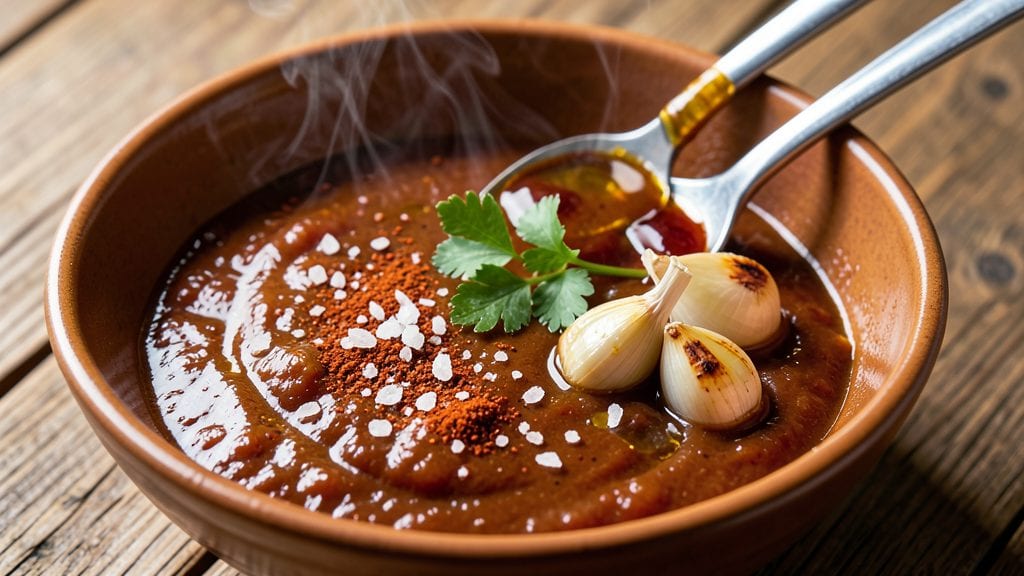
This paprika sauce recipe transforms simple ingredients into a smoky-sweet elixir that elevates roasted meats and grilled vegetables with restaurant-quality depth. The secret lies in balancing sweet paprika, tomato paste, and vinegar to create a sauce that caramelizes beautifully while maintaining a velvety texture.
I developed this blend after years of experimenting with smoky flavors, and it’s now my go-to for adding complexity to weeknight dinners.
The sauce is simple to make but packed with flavor—just 8 ingredients and 20 minutes of active time. It starts with a base of tomato paste and vinegar, then builds layers of smokiness through sweet and hot paprika.
The result is a versatile sauce that works as a marinade, drizzle, or finishing touch for any dish. Unlike store-bought versions, this one delivers a rich, balanced flavor without artificial additives.
What you’ll end up with is a glossy, aromatic sauce that clings to meats and vegetables, infusing them with deep, smoky notes. It’s sweet enough to please kids but robust enough to satisfy adults, making it a crowd-pleaser for any meal.
The best part? It keeps well in the fridge for up to 2 weeks, so you can make a batch and use it all season long.
Use it as a glaze for roasted chicken, a dip for grilled veggies, or a pasta sauce—this paprika sauce is the ultimate flavor booster. Let’s get cooking!
Ingredients for paprika sauce
Eight simple ingredients blend into a smoky-sweet sauce that transforms ordinary meals into something extraordinary.
| Ingredient | Amount | Notes |
|---|---|---|
| Sweet Paprika 🌶️ | 3 tbsp | Smoked variety adds depth |
| Hot Paprika 🌶️ | 1 tbsp | For subtle heat balance |
| Tomato Paste 🍅 | ½ cup | High-quality, unsweetened |
| Red Wine Vinegar 🍷 | ½ cup | Bold, dry variety preferred |
| Granulated Sugar 🍬 | 2 tbsp | Balances acidity and heat |
| Garlic Cloves 🧄 | 3 cloves | Freshly minced for aroma |
| Extra-Virgin Olive Oil 🫒 | ¼ cup | High-quality, fruity |
| Salt 🧂 | 1 tsp | Diamond Crystal kosher |
The paprika is where the magic happens. Sweet and hot varieties work together—sweet for depth, hot for a subtle kick. Penzeys or Goya are my go-tos for quality, but any well-marbled paprika will do. The tomato paste? Muir Glen or Rao's are the gold standards—avoid the watery, low-quality stuff. Garlic should be fresh, not jarred. Whole Foods or local markets usually have the best cloves. If you're in a pinch, jarred minced garlic works, but the flavor won't be as vibrant.
No red wine vinegar? Apple cider vinegar or balsamic vinegar will work in a pinch—just add a pinch of sugar to balance the flavor. Short on sweet paprika? Substitute with smoked paprika at the same amount, but you'll lose some of that sweet caramelization. The sugar is key here—it balances the acidity of the vinegar and the heat of the paprika. Brown sugar or honey can replace granulated sugar if you're out, but they'll change the texture slightly. The olive oil is non-negotiable—use something fruity and high-quality like California Early Harvest or Colavita. Cheap oil will make the sauce taste flat.
This sauce keeps beautifully in the fridge for up to 2 weeks, so make a big batch. Store it in an airtight jar, and it’ll stay glossy and flavorful. If you make extra, freeze it in ice cube trays for easy portioning—just thaw and drizzle. The sauce thickens as it cools, so if it's too thick after chilling, add a splash of water or vinegar to loosen it up. It reheats perfectly, so it’s great for meal prep—just warm it gently on the stove or microwave.
Why You'll Love This Recipe
- Here’s what sold me: the way sweet paprika mellows the kick from the hot kind, then the vinegar cuts through the richness of the tomato paste. Add a teaspoon of sugar? Suddenly, it’s complex—smoky, tangy, with this weirdly addictive depth. It’s like a hug in a jar, but with more spice.
- No-Measure Guessing: I swear by this sauce because it’s the kind of recipe that lets you eyeball everything. A splash of vinegar, a pinch of sugar—no scale needed. The sweet and hot paprika blend balances itself out, so even if I double the tomato paste by accident, it still works. That confidence? Priceless.
- Sweet Heat Magic: Here’s what sold me: the way sweet paprika mellows the kick from the hot kind, then the vinegar cuts through the richness of the tomato paste. Add a teaspoon of sugar? Suddenly, it’s complex—smoky, tangy, with this weirdly addictive depth. It’s like a hug in a jar, but with more spice.
- Pantry-to-Table Flex: This sauce turns my fridge into a flavor powerhouse. Drizzle it over roasted chicken, toss it with pasta, or spoon it onto grilled veggies—it’s my go-to for when I’m stuck staring at whatever’s left in the fridge. Even my picky roommate asks for seconds when I make it. (Yes, even on a Tuesday night.)
Step-by-step instructions for paprika sauce
Here's how to craft a rich, balanced paprika sauce that delivers smoky depth and subtle heat—perfect for drizzling over roasted meats or grilled vegetables.
Bloom the Paprika in Olive Oil
Heat the 0.25 cup extra-virgin olive oil in a medium saucepan over medium-low heat. Add the 3 tbsp sweet paprika and 1 tbsp hot paprika, stirring constantly for 2-3 minutes. You'll notice the mixture darken slightly and release an aromatic cloud—this is the paprika's essential oils blooming, which carries the sauce's signature flavor. Keep the heat gentle here; if it gets too hot, the paprika will burn and turn bitter.
Once the paprika is fully incorporated and the oil shimmers but doesn't bubble, add the 3 minced garlic cloves. Cook for another 30 seconds until the garlic is fragrant but not browned—this ensures you get the aroma without bitterness. Remove the pan from heat temporarily; you'll return to it once all ingredients are prepped.
Build the Base with Tomato Paste and Vinegar
Return the pan to medium heat and stir in the 0.5 cup tomato paste, breaking up any lumps with a wooden spoon. Let it cook for 3-4 minutes, stirring frequently, until it darkens to a deep mahogany color. This step develops the sauce's rich, umami foundation—think of it as the backbone that holds everything together.
Next, add the 0.5 cup red wine vinegar and 2 tbsp granulated sugar, stirring to combine. The vinegar will create a slight effervescence as it reacts with the tomato paste. Bring the mixture to a gentle simmer, then reduce heat to low and let it cook uncovered for 8-10 minutes. You're looking for the sauce to thicken slightly and reduce by about 20%, concentrating the flavors. Stir occasionally to prevent sticking, and taste occasionally to monitor the balance of sweetness and acidity.
Season and Simmer to Perfection
Add the 1 tsp salt and stir until fully dissolved. Taste the sauce now—it should be tangy, slightly sweet, and deeply aromatic with a hint of heat from the hot paprika. If the sauce is too thick, whisk in 1-2 tablespoons of water to reach your desired consistency. For a smoother texture, strain the sauce through a fine-mesh sieve to remove any garlic bits.
Return the sauce to low heat and let it simmer gently for another 5 minutes to meld all the flavors. The final sauce should coat the back of a spoon and have a glossy sheen. If you're using it immediately, transfer it to a warm serving dish. For storage, let it cool completely before transferring to an airtight container—it'll keep in the refrigerator for up to 1 week or in the freezer for 3 months. This sauce is incredibly versatile; drizzle it over roasted chicken, toss it with grilled vegetables, or use it as a marinade base for meats.
Pro Tips For Making Paprika Sauce
- Bloom the Paprika First: Heat your oil until it shimmers, then toss in the paprika (both sweet and hot) and cook for 30 seconds—just until it smells like a sunlit market, not a burnt campfire. I learned this the hard way after one batch tasted bitter; the paprika needs to wake up before the liquid hits.
- Toast the Tomato Paste: Spread that tomato paste in a thin layer and let it brown for 2-3 minutes before adding liquids. Sounds weird, but it works: this step deepens the flavor instead of letting it just sit there like a shy guest. (Yes, even if you're impatient like me.)
- Balance the Vinegar Slowly: Add the red wine vinegar a tablespoon at a time, tasting between each addition. Too much too soon and you’ll regret it—this sauce should taste bright, not like you’re pickling something. Start conservative, then adjust.
- Simmer, Don’t Boil: Once everything’s combined, keep the heat low and let it bubble gently for at least 10 minutes. Boiling turns paprika sauce into a sad, thin glaze—you want it thick enough to coat the back of a spoon, not drip like syrup. Patience here makes all the difference.
Common mistakes when making your paprika sauce
Skipping the Bloom
One of the most common mistakes is rushing the paprika bloom. When you add paprika directly to hot oil without letting it toast for 2-3 minutes, you miss out on the essential oils that carry its deep, smoky flavor.
I’ve seen people skip this step entirely, and the sauce ends up tasting flat and one-dimensional. Always use medium-low heat—too high, and the paprika burns, turning bitter. 🌶️
Ignoring Vinegar Reduction
The vinegar isn’t just for acidity—it needs time to reduce and meld with the other flavors. If you add it too early or don’t simmer it long enough (8-10 minutes), the sauce will taste sharp and unfinished.
I’ve made this mistake when I’m in a hurry, and the result is a sauce that lacks depth. Patience here is key—let it reduce by about 20% for the best balance.
Over-Salting Early
Adding all the salt at once can throw off the flavor balance, especially if your ingredients are already salty (like tomato paste or vinegar). I recommend tasting the sauce before adding the full 1 tsp salt—you might only need ½ tsp or less.
Adjust gradually, as it’s easier to add more salt later than to fix an oversalted sauce. Always taste as you go!
Using Low-Quality Ingredients
Cheap tomato paste, generic vinegar, or old garlic can ruin even the best recipe. I’ve used store-brand tomato paste in a pinch, and the sauce turned out watery and bland. Invest in quality ingredients like Muir Glen tomato paste and red wine vinegar from a trusted brand.
The difference in flavor is night and day. Fresh garlic is non-negotiable—jarred minced garlic lacks the aromatic complexity.
Not Balancing Sweet and Heat
The ratio of sweet to hot paprika matters—too much hot paprika (more than 1 tbsp) can overpower the sauce, while too little (less than 3 tbsp sweet paprika) makes it taste bland.
I’ve adjusted this balance by tasting as I go, adding a pinch of hot paprika at a time if needed. The goal is a sauce that’s smoky and slightly sweet, with just a hint of heat.
Storing Improperly
Letting the sauce cool too quickly or storing it in the wrong container can ruin its texture. Always transfer it to an airtight jar while it’s still warm, not piping hot. I’ve seen people store it in plastic containers, and it absorbs odors from the fridge.
Glass is best—Le Parfait or Pyrex jars work perfectly. If you freeze it, use ice cube trays for easy portioning, and thaw in the fridge, not the microwave, to preserve texture. ❄️
Nutrition facts
Frequently asked questions
Can I make this sauce without vinegar?
You can substitute red wine vinegar with apple cider vinegar or balsamic vinegar, but the flavor will differ slightly. For a non-vinegar option, try lemon juice (same amount) or white wine (reduce by 2 tbsp to account for water content). The acidity is crucial for balancing the sweetness and developing depth during cooking.
How can I adjust the spice level?
Start with the 1 tbsp hot paprika called for, then taste as you go. For more heat, add ¼ tsp cayenne pepper or ½ tsp crushed red pepper flakes. To reduce heat, simply omit the hot paprika entirely and increase sweet paprika to 4 tbsp total. Always taste before finalizing!
What's the best way to use this sauce?
This versatile sauce works as a drizzle for roasted meats, marinade base (thin with olive oil), or pasta sauce (toss with cooked noodles). For extra richness, brush it on grilled vegetables or use it as a dip for fresh bread. The smoky-sweet profile pairs especially well with chicken, pork, and eggplant.
Can I make this sauce in a slow cooker?
Yes! Combine all ingredients in your slow cooker and cook on low for 3-4 hours, stirring occasionally. The low-and-slow method enhances the flavors even more. For a quicker version, use high for 1.5 hours. Just be sure to reduce the liquid by about 20% by the end for proper consistency.
How do I fix a sauce that's too thick?
Thin with 1-2 tbsp water, red wine vinegar, or broth (chicken or vegetable) while stirring constantly. For a smoother texture, strain through a fine-mesh sieve. If the sauce separates, whisk vigorously or blend briefly to recombine. The sauce will thicken slightly more as it cools, so adjust while still warm.