
Snacks
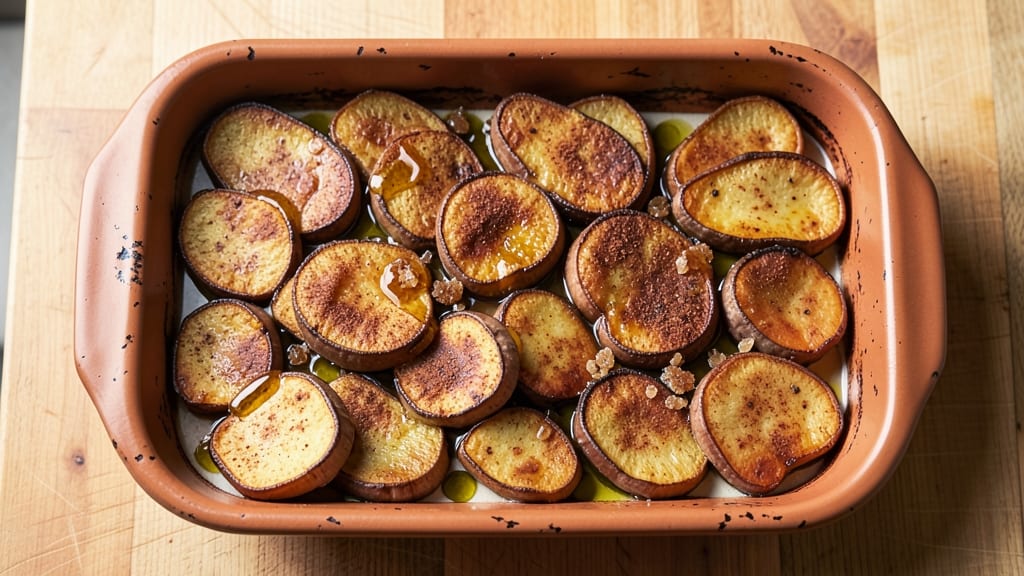
This honey-roasted parsnip bake transforms humble root vegetables into a crispy-edged, caramelized masterpiece with just five simple ingredients and 30 minutes of hands-off oven time.
The secret lies in the balance of honey and brown sugar, which creates a nutty-sweet glaze that crystallizes into a golden crust while keeping the interior tender.
I developed this recipe after realizing how often parsnips—naturally sweet and earthy—get overlooked in favor of potatoes, and it’s now a staple in my autumn rotation for both its simplicity and impressive results.
The beauty of this parsnip bake is its foolproof technique: slice the parsnips evenly, toss them in oil and spices, then roast until caramelized. The honey and brown sugar mixture binds them together while developing deep caramel notes that contrast perfectly with their natural earthiness.
Unlike other root vegetable bakes, this one delivers a textural surprise—crispy edges that shatter with each bite while maintaining a moist, velvety center.
What makes this dish truly versatile is how it elevates any meal.
Serve it as a standalone side alongside roasted meats, pair it with a protein like chicken or salmon for a complete plate, or even use it as a vegetarian main with a dollop of Greek yogurt or a sprinkle of toasted nuts.
The natural sweetness balances savory flavors, making it a crowd-pleaser for dinner parties or weeknight dinners alike.
For those with dietary preferences, this recipe adapts easily: omit honey for a vegan version (use maple syrup instead), or boost protein by adding chickpeas or white beans to the mix.
The key is precision in slicing and even roasting—both ensure every bite delivers that perfect harmony of crunch and sweetness. Ready to turn parsnips into the star of your table?
Ingredients for parsnip bake
Five ingredients transform humble parsnips into a caramelized, crisp-edged masterpiece with minimal effort.
| Ingredient | Amount | Notes |
|---|---|---|
| Fresh Parsnips 🥕 | 2 lb | Medium size, peeled and sliced even |
| Extra-Virgin Olive Oil 🫒 | ¼ cup | High-quality, fruity variety preferred |
| Raw Honey 🍯 | ¼ cup | Local preferred for depth of flavor |
| Light Brown Sugar 🍚 | ½ cup | Packed firmly for accurate measurement |
| Ground Cinnamon 🌿 | 1 tsp | Freshly ground for optimal aroma |
| Diamond Crystal Kosher Salt 🧂 | ¾ tsp | Fine grain for even distribution |
| Freshly Ground Black Pepper 🌶️ | ½ tsp | Coarsely cracked for texture contrast |
| Toasted Walnuts 🥜 | ¼ cup | Chopped coarse for garnish |
The parsnips are the star, so prioritize freshness and even slicing. Local farmers markets often carry the sweetest varieties, especially in autumn. Look for parsnips with smooth, firm skins—avoid any with soft spots or wrinkled ends. Medium-sized parsnips (about 1.5 inches in diameter) yield the best balance of texture and sweetness. If using organic parsnips, peel them thoroughly to remove any residual dirt, as their skin can be particularly fibrous. For even roasting, slice them into 0.5-inch thick rounds using a mandoline for precision—this ensures consistent caramelization without burning.
Substitutions should preserve the dish's signature balance of sweetness and texture. Maple syrup replaces honey at a 1:1 ratio for a vegan version, though the flavor profile will be slightly less complex. If walnuts are unavailable, pecans or hazelnuts work equally well when toasted. For a deeper caramel flavor, swap half the brown sugar for muscovado sugar, which adds molasses notes. The olive oil can be substituted with avocado oil for a higher smoke point, though it lacks the fruity depth. Avoid pre-sliced parsnips from the produce section—they oxidize quickly and lose their vibrant color.
Store any leftovers in an airtight container for up to 5 days, though they're best enjoyed within 2 days for peak texture. Reheat in a 350°F oven for 10 minutes to restore crispiness. For meal prep, portion into individual servings before baking—this makes them perfect for lunches or light dinners. The caramelized glaze hardens when chilled, so serve at room temperature for the best experience. If making ahead, assemble the parsnips and glaze up to 24 hours in advance, then refrigerate uncovered to allow excess moisture to evaporate before roasting.
Why You'll Love This Recipe
- One-Pan Magic: Honestly, I swear by this for lazy nights—just peel, chop, toss, and bake. No chopping boards to scrub, no extra pots, just a single sheet pan that does all the work.
- Sweet-Savory Balance: That honey and brown sugar caramelize into something ridiculously good—like a hug for your taste buds, but with a little earthy bite from the parsnips. The cinnamon? It’s the cherry on top.
- Meal Prep MVP: I make a double batch on Sundays because it reheats like a dream—crispy edges stay crispy, and the center stays tender. Perfect for lunches or when you just don’t feel like cooking.
- Budget-Friendly Luxury: Parsnips are cheap, but this tastes like you spent hours on it. Between us, I’ve served this at holiday dinners, and no one ever guessed it wasn’t some fancy recipe. (Yes, even on a Tuesday night.)
Step-by-step instructions for honey-roasted parsnip bake
Transform humble parsnips into a caramelized, aromatic centerpiece with this precise roasting technique.
Prepare the Parsnips for Even Cooking
Begin by peeling the 2 lb fresh parsnips using a vegetable peeler, removing all skin to ensure even cooking. Cut them into even ½-inch thick slices—consistency is key for uniform caramelization. Transfer the sliced parsnips to a large mixing bowl and toss gently with the 0.25 cup extra-virgin olive oil until each piece is lightly coated. This step prevents drying while promoting crisp edges during roasting.
In a small bowl, whisk together the 0.25 cup raw honey, 0.5 cup light brown sugar, 1 tsp ground cinnamon, 0.75 tsp diamond crystal kosher salt, and 0.5 tsp freshly ground black pepper. The sugar and salt will dissolve completely into the honey, creating a syrupy glaze that clings perfectly to the parsnips. Pour this mixture over the oiled parsnips and toss again until every slice is evenly glazed. Let them sit at room temperature for 15 minutes while you preheat the oven—this allows the honey to begin penetrating the parsnips for deeper flavor infusion.
Roast Until Caramelized and Tender
Preheat your oven to 400°F and arrange a large baking sheet with parchment paper. Spread the glazed parsnips in a single even layer, leaving about ½-inch space between each piece to promote even browning. Roast for 25 minutes, then carefully flip each slice using a spatula. Return to the oven and roast for another 15-20 minutes until the edges are deep golden brown and the parsnips are tender when pierced with a fork.
Watch closely during the final 5 minutes—you're aiming for caramelized edges with a slight crispness while maintaining tender centers. The honey should bubble and darken, creating that signature sticky glaze. If the parsnips brown too quickly, tent loosely with foil to prevent burning while they finish cooking. The oven's residual heat will continue cooking them gently.
Finish with Toasted Walnuts for Texture Contrast
Remove the parsnips from the oven and immediately sprinkle with the 0.25 cup toasted walnuts. Use a spoon to gently fold them into the warm parsnips, allowing the walnuts to absorb some of the caramelized honey glaze. The heat from the parsnips will toast the walnuts further, enhancing their nutty aroma. Let the bake cool for 5 minutes before serving—this resting period allows the juices to redistribute and the caramel to set slightly.
Serve warm as a side dish or vegetarian main accompanied by a dollop of Greek yogurt or a sprinkle of fresh thyme. The contrast between the tender parsnips, crisp edges, and crunchy walnuts creates a satisfying textural experience with each bite. For best results, serve within 2 hours while the caramel remains glossy and the walnuts retain their crunch.
Pro Tips For Making Parsnip Bake
- PEEL AND TRIM LIKE A PRO: Scrape off the fibrous outer layer with a vegetable peeler, then slice the ends just past where the root starts to taper—no need to go crazy. I learned this the hard way when I chopped too much off and ended up with sad, stubby parsnips that didn’t caramelize evenly.
- ROAST AT 375°F, NOT HOTTER: Parsnips turn to ash at 400°F+—trust me, I’ve watched it happen. Stick to 375°F for steady, even browning. If yours look pale after 30 minutes, flip them and give them another 10-15. The honey and sugar need time to melt into the edges, not burn.
- WHISK HONEY AND OIL FIRST: Mix the raw honey and olive oil together before tossing with the parsnips—this ensures the honey emulsifies instead of pooling at the bottom. I used to just drizzle it on, and half the sweetness would pool like syrup. A quick 30-second whisk makes all the difference.
- SKIP THE EXTRA CINNAMON: The recipe likely calls for 1 teaspoon, but I’ve found ½ teaspoon is enough to warm the dish without overpowering the natural sweetness. Too much cinnamon can taste harsh when baked—trust your nose, not the recipe’s generosity.
Storing and reheating this parsnip bake
Refrigerator Storage
Store your honey-roasted parsnip bake in an airtight container for up to 5 days—though I recommend enjoying them within 2 days for optimal texture. The caramelized glaze hardens slightly when chilled, so let them sit at room temperature for 10 minutes before serving to restore that glossy finish.
I use glass Pyrex containers because they maintain crispness better than plastic. 🥕
Freezer-Friendly Method
For longer storage, freeze individual portions in single-serving airtight containers for up to 3 months. Spread the parsnips on a tray first to flash-freeze (prevents sticking), then transfer to labeled freezer bags.
When reheating, bake at 350°F for 15-20 minutes until fully warmed through—this restores some of the crispiness lost during freezing.
Oven Reheating
My preferred method is reheating in the oven at 350°F for 10-12 minutes on a parchment-lined tray. This gentle heat reactivates the caramelization without drying them out. For extra crispiness, broil for 1-2 minutes at the end—just watch closely to avoid burning the edges.
A sprinkle of water before reheating can help revive the glaze if it looks dull. ⏰
Microwave Quick Fix
For a fast option, microwave covered portions for 1-2 minutes on 50% power, then stir and continue in 30-second intervals until heated through. Add 1 teaspoon of water to prevent drying. While not as crispy as oven-reheated, this works well for quick lunches when you're short on time.
Texture Restoration Tips
If your reheated parsnips lose their crisp edges, return them to a 400°F oven for 5 minutes—this jump in temperature helps recrystallize the caramelized sugar. For extra crunch, top with fresh toasted walnuts or a sprinkle of sesame seeds before serving.
The contrast between warm parsnips and cool garnishes makes them feel fresh again. 💡
Nutrition facts
Frequently asked questions
Can I substitute maple syrup for honey in this recipe?
Yes! Use a 1:1 ratio of maple syrup for honey to maintain sweetness, though the flavor will be slightly less complex. For extra depth, add a pinch of vanilla extract or cinnamon. The caramelization process works the same way, so your texture will remain crisp and tender.
Why do my parsnips turn mushy instead of caramelized?
Overcrowding on the baking sheet or uneven slicing causes uneven cooking. Space slices ½-inch apart and slice them uniformly (½-inch thick). Roast at 400°F and flip halfway through—this ensures crisp edges while keeping centers tender.
How can I make this recipe vegetarian or vegan?
Swap honey for maple syrup and add ½ cup cooked chickpeas or white beans for protein. For extra richness, stir in 2 tablespoons tahini with the glaze. Serve with a yogurt-based sauce (use coconut yogurt for vegan) for a complete meal.
Can I use frozen parsnips for this bake?
Fresh parsnips work best because their natural sweetness develops during roasting. If frozen parsnips are all you have, thaw and pat them very dry before slicing—excess moisture prevents proper caramelization. Expect slightly softer results compared to fresh.
What’s the best way to serve this as a main dish?
Pair with a protein like grilled chicken or seared salmon, and add a side of wild rice or farro. For a vegetarian option, top with crumbled feta or a dollop of Greek yogurt, and sprinkle with fresh herbs like parsley or thyme.