
Sauces & Condiments
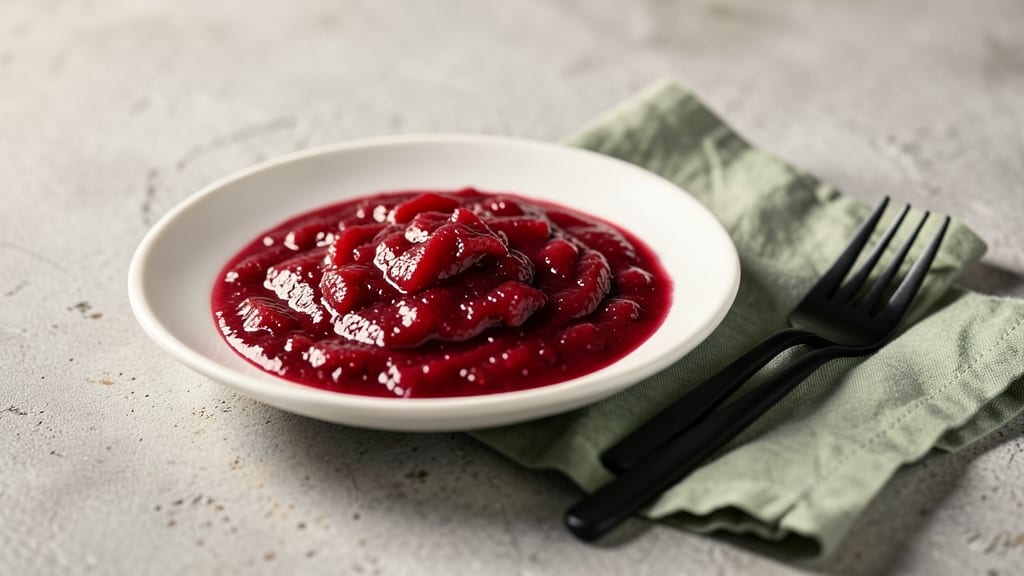
This pickled beet juice recipe transforms humble beets into a vibrant, tangy elixir that elevates everything from cocktails to marinades. The process is simpler than you'd think—just raw beets, vinegar, and time—but the results are extraordinary: a deep pink, slightly sweet-sour liquid packed with umami depth.
I first discovered its potential while experimenting with natural food coloring for homemade sodas, and now it’s a staple in my kitchen for both culinary and health benefits.
The beauty of this recipe lies in its versatility and shelf stability—once fermented, the juice keeps for months in the fridge, ready to brighten marinades, glaze roasted meats, or even stir into cocktails for a bold twist.
The vinegar and salt not only preserve the juice but also enhance its complexity, balancing the natural earthiness of beets with a crisp acidity. For those watching their sodium, you can adjust the salt to taste without compromising flavor.
What you’ll end up with is a concentrated, vibrant liquid that’s far more than just a garnish—it’s a flavor multiplier. Use it to glaze roasted vegetables, deglaze pans for sauces, or mix into dressings for a tangy, earthy kick.
The possibilities are endless, and the best part? Every batch tastes like a labor of love, even though the process requires minimal effort. This is the kind of condiment that turns ordinary dishes into something extraordinary.
Perfect for vegans, gluten-free diets, and anyone looking to add a natural, vibrant touch to their meals. Whether you’re a home cook or a mixologist, this pickled beet juice will become your secret weapon for adding depth and color to your creations.
Let’s get started on making it—your taste buds (and pantry) will thank you.
Ingredients for pickled beet juice
Eight simple ingredients transform into a vibrant elixir perfect for cocktails and marinades.
| Ingredient | Amount | Notes |
|---|---|---|
| Raw Beets 🍠 | 2 lbs | Medium-sized, peeled and chopped |
| Apple Cider Vinegar 🍎 | 2 cups | Raw, unfiltered preferred |
| Filtered Water 💧 | 1 cup | Room temperature |
| Sea Salt 🧂 | 1 ½ tbsp | Fine grain, non-iodized |
| Raw Honey 🍯 | ½ cup | Vegan alternative: maple syrup |
| Garlic Cloves 🧄 | 3 cloves | Crushed for depth |
| Black Peppercorns 🌶️ | 1 tsp | Crushed, for subtle heat |
| Fresh Ginger 🧅 | 1 tbsp | Grated, for zing |
Beets are the star here—organic, earthy red varieties like Chioggia or Detroit Dark Red work best for their deep color. Whole Foods or local farmers markets usually carry them freshest. If using pre-packaged, check for firmness and vibrant color—no bruises or wilted leaves. The vinegar matters too: raw, unfiltered apple cider vinegar adds complexity, while white vinegar works in a pinch. For the sweetener, maple syrup is my go-to vegan swap for honey—it caramelizes slightly during the process, adding depth. The garlic, ginger, and peppercorns are non-negotiable for that umami punch, but Trader Joe's sells pre-crushed blends if you're short on time.
No apple cider vinegar? White vinegar or red wine vinegar both work, though they’ll give a slightly different profile. Short on beets? Golden beets add a milder sweetness, but you’ll lose that signature pink hue. The maple syrup can be swapped for agave nectar or date syrup—just taste as you go. For extra zing, add a pinch of smoked paprika or a splash of lemon juice at the end. The ginger can be subbed with ground ginger at half the amount, but fresh is always better. If you’re making a big batch, Costco sells bulk beets that save money and reduce waste.
This juice keeps for 6-8 months in the fridge, sealed tightly in a glass jar. The color intensifies over time, so it’s perfect for gifting. For best flavor, wait at least 24 hours before using—it develops complexity as it sits. Strain out the solids after 2-3 days if you prefer a smoother texture. I freeze portions in ice cube trays for easy marinade additions later. If the surface dries out, just add a splash of water before resealing.
Why You'll Love This Recipe
- Five-Ingredient Magic: I swear by this—just beets, vinegar, water, salt, and honey. That’s it. No fancy gadgets, no stress, no hunting for obscure spices. My kids think I’m a mad scientist, but really, I’m just chopping and stirring while we watch cartoons.
- Tangy-Sweet Balance: The honey rounds out the vinegar’s bite, and that earthy beet depth? It’s like a grown-up soda—complex but refreshing. I’ve even seen my husband reach for it instead of store-bought juice. (Win.)
- Meal Prep MVP: Stores for weeks in the fridge, so I batch it on Sundays. Drizzle it over roasted chicken, mix it into dressings, or sip it straight—no two days feel the same. Honestly, I’ve lost track of how many ways I’ve used it.
- Budget Brightener: Beets are cheap, and this recipe stretches them. A single jar lasts me through salads, smoothies, and even as a marinade. Between us, I’ve saved enough on drinks alone to buy better-quality produce elsewhere. Smart, right?
Step-by-step instructions for crafting pickled beet juice
Here's how to transform simple ingredients into a vibrant pink elixir perfect for cocktails and marinades.
Extract the Beet Juice
Start by placing the 2 lbs of peeled and chopped raw beets into a food processor or blender. Add the 1 cup of filtered water and pulse until completely smooth. The mixture should be vibrant pink and completely free of any chunks.
Transfer the beet mixture to a fine-mesh strainer or cheesecloth set over a large bowl. Let it strain for at least 15 minutes, pressing gently with a spoon to extract every last drop of juice. You should end up with about 2 cups of bright pink beet juice. This liquid is the foundation of your elixir, so don't rush this step—clear liquid means you've extracted all the color and flavor.
Combine the Base Ingredients
In a clean glass jar or airtight container, combine the 2 cups of strained beet juice with the 2 cups of apple cider vinegar. Stir well to fully integrate the colors. The mixture will darken slightly as the vinegar reacts with the beet juice, creating a deeper pink hue.
Add the 0.5 cup of raw honey and stir until completely dissolved. The honey will help balance the acidity of the vinegar while adding natural sweetness. Next, incorporate the 1.5 tbsp of sea salt, stirring until fully combined. This step creates the perfect balance of sweet, tangy, and savory flavors that make this elixir so versatile.
Infuse with Aromatics
Add the 3 crushed garlic cloves, 1 tsp of crushed black peppercorns, and 1 tbsp of grated fresh ginger to the jar. Stir gently to distribute these ingredients evenly throughout the liquid. The garlic and ginger will add depth of flavor, while the peppercorns provide a subtle heat that enhances both cocktails and marinades.
Here's the thing—don't skip this infusion step. The aromatics need time to meld with the other ingredients. Let the mixture sit at room temperature for at least 30 minutes before proceeding. This allows the flavors to begin blending together, creating a more complex and cohesive elixir.
Seal and Store for Flavor Development
Once all ingredients are thoroughly combined, seal the jar tightly. Store it in a cool, dark place for at least 24 hours before using. This resting period is crucial—it allows all the flavors to fully develop and meld together. After 24 hours, you'll notice the color has deepened and the flavors have become more harmonious.
For best results, let the elixir sit for up to 7 days before using it. The longer it sits, the more complex and balanced the flavors become. When ready to use, give it a good stir before pouring—this ensures all the settled ingredients are evenly distributed throughout the vibrant pink liquid.
Use in Cocktails or Marinades
Your pickled beet juice is now ready to elevate any dish. For cocktails, use it as a vibrant garnish or mix it with spirits like vodka or gin for a colorful twist. In marinades, it adds a sweet-tangy depth to meats and vegetables that pairs beautifully with herbs and spices.
I've found this elixir works particularly well in marinades for pork or chicken—just combine equal parts with olive oil and your favorite herbs. The acidity helps tenderize the meat while the sweetness caramelizes beautifully during cooking. Real talk: once you make this, you'll find yourself reaching for it in all sorts of unexpected ways.
Pro Tips For Making Pickled Beet Juice
- Boil Beets Until Fork-Tender: I used to pull them out at the first sign of softness, but that leaves you with mushy, sad juice. Cook until a knife slides in like butter—about 45-60 minutes for medium beets. Overcooked? No problem; just strain longer. The goal is a balance: sweet, vibrant juice, not beet soup.
- Use Raw Honey Sparingly: That jar of honey you love might be too strong. Start with 1 tablespoon per cup of vinegar, then taste. Honey’s job is to mellow the acid, not dominate. I’ve ruined batches by going overboard—trust me, you’ll know when it’s too sweet.
- Strain Twice for Clarity: After boiling, strain through a fine-mesh sieve, then a coffee filter or cheesecloth. The second strain removes stubborn bits that muddy the juice. Sounds tedious, but the difference in brightness is night and day—especially if you’re using this for dressings or cocktails.
- Add Vinegar Last, Then Chill: Mix vinegar and honey into the cooled, strained beet juice after it’s fully chilled. Warm vinegar dulls the flavor, and you’ll end up with a flat, vinegary aftertaste. Patience here makes all the difference—let it sit overnight if you’re impatient like me.
Essential equipment for perfect results
Must-Have Containers
For this recipe, a glass mason jar (like Ball or Le Parfait) is your best friend—it’s food-safe, airtight, and preserves the vibrant pink color beautifully. I use a quart-sized jar for most batches, but if you’re making a larger quantity, a gallon-sized jar works too.
Avoid plastic containers, as vinegar can degrade them over time. For straining, a fine-mesh stainless steel strainer or cheesecloth is ideal to extract every drop of juice without leaving behind solids. 💧
Juice Extraction Tools
A high-powered blender or food processor is essential for breaking down beets into a smooth puree—my go-to is the Ninja BN601. If you’re short on time, a mandoline slicer can help chop beets quickly and evenly before blending.
For pressing out extra juice, a potato ricer or clean hands work too, but a French press (used upside-down) is my secret weapon for maximum yield. The more juice you extract, the deeper the flavor and color of your final elixir.
Measuring Precision
Precision matters here, especially with the vinegar and honey ratios. A digital kitchen scale (like the OXO Good Grips) ensures accurate measurements for the beets and honey, while a liquid measuring cup with clear markings helps with the vinegar and water.
For the salt, a spice grinder or mortar and pestle works best to crush peppercorns evenly. I always double-check my measurements—this elixir’s balance of sweet, tangy, and savory depends on it. A pinch too much salt or vinegar can throw off the flavor entirely.
Storage Essentials
Once your elixir is ready, store it in a dark glass bottle (like a Klean Kanteen) to protect it from light, which can fade the color over time. If you’re gifting it, a cork-topped bottle adds a touch of elegance.
For long-term storage, I keep mine in the fridge in a glass jar with a tight-sealing lid—this preserves freshness for up to 6-8 months. If you’re freezing portions, use silicone ice cube trays for easy marinade additions later. The key is keeping it sealed tightly to prevent oxidation.
Optional Extras
Want to elevate your elixir further? A garlic press makes crushing cloves effortless, and a microplane ensures fine ginger gratings. For a smoother texture, a nut milk bag (like the Lelo) works better than cheesecloth for straining.
If you’re feeling fancy, a cork stopper or airlock lid (like those used for fermenting) can add a professional touch while keeping your elixir fresh. These tools aren’t mandatory, but they make the process smoother and more enjoyable. 💡
Nutrition facts
Frequently asked questions
Can I use cooked beets instead of raw for this juice?
Raw beets work best because they retain more vibrant color and natural sweetness. Cooked beets will give you a milder flavor and less intense pink hue. If you must use cooked beets, roast them first—they'll still work, but expect a slightly different taste profile. The juice will be more earthy than bright and tangy.
How do I know when the pickled beet juice is ready to use?
The juice is ready after at least 24 hours of resting, but it develops deeper flavor over 7 days. You'll know it's ready when the color darkens to a rich magenta and the aromatics (garlic, ginger) fully infuse. Always stir before using to redistribute settled ingredients. The longer it sits, the more complex the flavor becomes.
Can I make this recipe without honey?
Use maple syrup, agave nectar, or even brown sugar dissolved in water as a 1:1 substitute. For a vegan option, maple syrup works perfectly—it caramelizes slightly during the process, adding depth. Just remember, the sweetener balances the vinegar's acidity, so adjust to taste after the initial 24-hour rest.
What are the best ways to use this juice beyond cocktails?
This vibrant elixir shines in marinades (especially for pork or chicken), salad dressings, glaze for roasted vegetables, and even as a natural food coloring for vegan desserts. Try mixing 1 tbsp with olive oil and herbs for a bold marinade, or reduce it with balsamic vinegar for a sweet-tangy glaze. The possibilities are endless—it's like liquid gold for adding color and depth!
Why did my juice turn cloudy or separate?
Cloudiness often means the juice needs more time to settle (try adding 1 extra day of resting). Separation can happen if you didn't stir thoroughly before storing. Give it a good shake before using, or strain it again through a fine-mesh sieve. For future batches, ensure all ingredients are fully dissolved before sealing. If the issue persists, try using filtered water instead of tap water.