
Appetizers
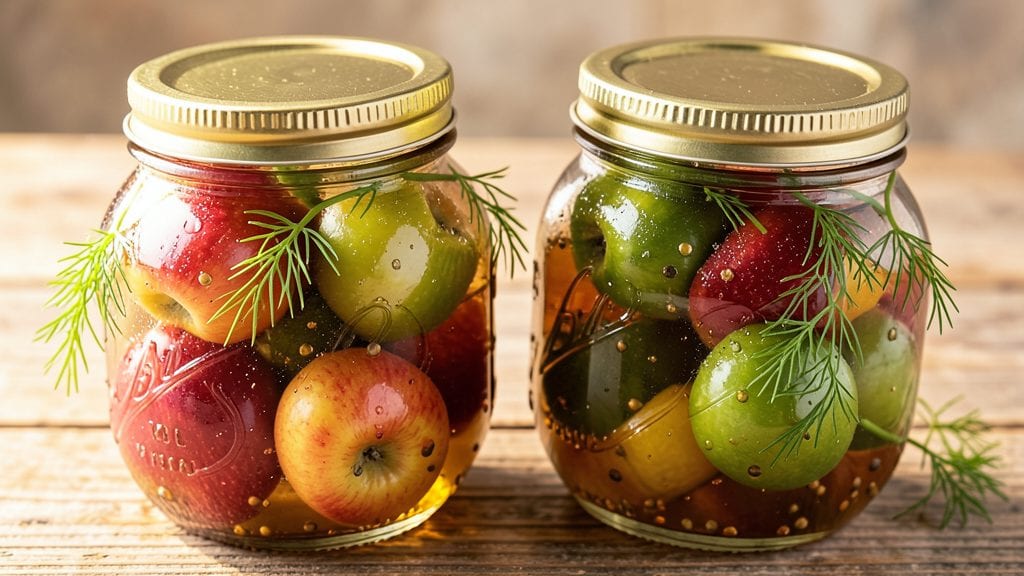
Master this pickled crab apples canning recipe to turn tart crab apples into a tangy treasure perfect for elevating appetizers and cocktails. The crisp-edged texture and vibrant color make these pickled crab apples perfect for gifting, charcuterie boards, or elevating holiday spreads.
I developed this recipe after discovering how well crab apples hold their shape and absorb flavors during the canning process.
This method combines traditional pickling techniques with precise timing to ensure sterilized jars, perfect brine balance, and safe preservation. The recipe uses white vinegar for tang, aromatic spices for depth, and a touch of sugar to enhance the natural sweetness of the crab apples.
Every step is designed to maximize shelf life while maintaining crisp texture and vibrant color.
By following these instructions, you'll achieve glass jars filled with jewel-toned crab apples that stay crisp at the edges and tender inside. The pickling liquid—infused with mustard seeds, dill, and a hint of cinnamon—creates a flavor profile that's both familiar and unexpectedly sophisticated.
These preserves will keep for up to a year in a cool, dark place.
Whether you're a seasoned canner or trying this for the first time, this recipe delivers restaurant-quality results with home canning safety. The process is straightforward but requires attention to detail, particularly during sterilization and sealing. Let's get started on creating preserves that will impress for seasons to come.
Ingredients for pickled crab apples canning
Four cups of tart crab apples transform into jewel-toned preserves with perfect crisp edges.
| Ingredient | Amount | Notes |
|---|---|---|
| Crab Apples 🍎 | 4 cups | Firm, unblemished, small variety preferred |
| White Vinegar 🍶 | 2 cups | Distilled, 5% acidity minimum |
| Granulated Sugar 🍚 | 1 cup | White or organic preferred |
| Pickling Salt 🧂 | ½ cup | Non-iodized, fine grain |
| Mustard Seeds 🌶️ | 1 tbsp | Yellow or brown, whole seeds |
| Fresh Dill 🌿 | ¼ cup | Chopped stems and leaves |
| Cinnamon Sticks 🍃 | 3 whole | 2-inch lengths, lightly crushed |
| Garlic Cloves 🧄 | 2 cloves | Smashed, skin-on preferred |
| Red Chili Peppers 🌶️ | 2 whole | Thinly sliced, for heat |
| Lemon Peels 🍋 | 1 tbsp | Thin strips, no pith |
| Water 💧 | 2 cups | Filtered or distilled preferred |
| Ball Mason Jars 🥫 | 4 whole | Pint-sized, sterilized |
| Two-Piece Lids 🔒 | 4 whole | New, unopened seals |
The crab apples are the star—firm, unblemished fruit holds its shape beautifully during canning. Local orchards or specialty grocers like Whole Foods or Trader Joe's carry them in fall, or look for them at farmers markets. If you can't find crab apples, small tart apples like Granny Smith work in a pinch, but they won't have the same delicate texture. For the vinegar, distilled white vinegar is non-negotiable—apple cider vinegar can cloud the brine. Sterilize your jars by boiling them for 10 minutes in a water bath, then keep them hot until filling. The Ball Mason jars are essential for safe sealing; never reuse lids from store-bought pickles—they won't seal properly.
No mustard seeds? Substitute with 1 tsp ground mustard for a milder kick, but whole seeds add that satisfying crunch. Fresh dill is ideal, but 1 tbsp dried dill works if you're in a hurry. For heat, red pepper flakes can replace the sliced chili peppers at half the amount. The cinnamon sticks add subtle warmth—omit if you prefer a cleaner flavor profile. If your brine tastes too sharp, reduce the vinegar by 1 tbsp and add 1 tbsp more water. The sugar balances the tartness, but honey or maple syrup can replace it 1:1 for a different depth of flavor. Always taste the brine before canning—adjust the salt if it's too mild.
These preserves keep for up to a year in a cool, dark pantry—the flavor actually improves over time. Once sealed, store jars upright for the first 24 hours to ensure a proper seal. Check seals after 1 week: press the center of the lid—if it doesn't pop, it's sealed. For gifting, wrap jars in kraft paper with twine and attach a handwritten tag. The pickling liquid is just as delicious as the apples—use it to drizzle over charcuterie, mix into cocktails, or reduce it for a tangy glaze. Freeze extras in ice cube trays for quick garnishes.
Why You'll Love This Recipe
- No Fuss, No Mess: I swear by this recipe because it’s literally dump-and-go. Wash the apples, toss them in jars with vinegar, sugar, and salt, then let time do the work—no boiling, no peeling, no stress. The mustard seeds add a tiny crunch without extra effort, and honestly? That’s my kind of magic.
- Tangy-Sweet Magic: The sugar and vinegar create this perfect balance—sharp enough to cut through rich dishes but sweet enough to make you linger. The crab apples stay crisp, and the mustard seeds add a little peppery kick that wakes up your taste buds. It’s the kind of flavor that makes you reach for seconds without even thinking.
- Year-Round Pantry Hero: These pickles last months in the fridge, so I always have a jar ready for charcuterie boards, sandwiches, or even just snacking straight from the jar. They’re especially great when company drops by—no last-minute shopping needed. Between us, I’ve gifting these to neighbors who’ve never tried crab apples before. (They’re hooked now.)
- Budget-Friendly Luxury: Crab apples grow wild in many places, and if you don’t have a tree, they’re cheap at farmers’ markets. A few jars cost pennies but feel like a fancy pantry staple. Plus, the salt and sugar are already in your cabinet, so you’re basically making gold out of scraps. My frugal, flavor-obsessed self approves.
Step-by-step instructions for pickled crab apples canning recipe
Transform tart crab apples into vibrant, crunchy preserves with this foolproof canning method.
Sterilize Jars and Prepare Crab Apples
Begin by sterilizing the four whole Ball Mason jars and four whole two-piece lids in boiling water for 10 minutes. This ensures a perfect seal and prevents contamination. While they sterilize, wash the 4 cups crab apples thoroughly under cold water to remove any dirt or debris. Use a sharp knife to quarter each apple, removing the core but leaving the skin intact—this preserves their crisp texture.
Real talk: don't skip the sterilization step. Even if jars look clean, microscopic bacteria can ruin your preserves. I've learned this the hard way after a less-than-stellar batch from cutting corners. Place the sterilized jars on a clean kitchen towel to dry completely before filling.
Create the Flavor Base in a Saucepan
In a large saucepan, combine the 2 cups white vinegar, 1 cup granulated sugar, 0.5 cup pickling salt, 1 tbsp mustard seeds, 0.25 cup fresh dill, the 3 whole cinnamon sticks, 2 smashed garlic cloves, 2 whole red chili peppers, and 1 tbsp lemon peels. Bring the mixture to a boil over medium-high heat, stirring until the sugar and salt dissolve completely. This creates the perfect tart-sweet brine that will infuse the crab apples.
Here's where it gets fun—taste the liquid before adding the apples. It should be pleasantly acidic with a hint of sweetness. If it tastes too sharp, add a pinch more sugar; if too mild, add a splash more vinegar. The balance is everything for that perfect crunchy-tart flavor profile.
Pack and Process the Crab Apples
Using a slotted spoon, carefully pack the quartered crab apples into the sterilized jars, leaving about 1 inch of headspace at the top. Distribute the 2 cups water evenly among the jars to ensure each has enough liquid to cover the apples completely. The water helps maintain moisture and prevents the apples from drying out during processing.
Ladle the hot vinegar mixture over the apples, ensuring each piece is fully submerged. Use a non-metallic utensil to press down gently on the apples to remove any air bubbles. This step is crucial—air bubbles can cause the jars to fail during sealing. Seal each jar with a sterilized two-piece lid, ensuring the sealing ring is in place but not overly tight.
Pressure Can the Preserves
Place the sealed jars into a pressure canner and process them according to your altitude guidelines. For sea level, this means 10 minutes of processing after the canner reaches 11 pounds per square inch of pressure. The pressure ensures the preserves are safe to store and maintains their vibrant color and crisp texture.
Don't rush this step. The pressure cooker is your best friend for canning—it kills bacteria and extends shelf life. Once the time is up, let the canner cool naturally for 15 minutes before removing the jars. Place them on a towel-lined counter and let them cool completely. You'll hear the lids pop as they seal—this is the satisfying sound of success!
Store and Enjoy Your Preserves
Once the jars are completely cool, check the seals by pressing down on the center of each lid. If it doesn't pop back up, the jar is sealed properly. Store the pickled crab apples in a cool, dark place for up to 12 months. The flavor will only deepen over time, making them an incredible addition to charcuterie boards, sandwiches, or even as a tangy topping for roasted meats.
Here's the thing—these pickled crab apples are incredibly versatile. Use them in salads for a burst of tartness, pair them with sharp cheeses, or even blend them into cocktails for a unique twist. The crisp-edged texture and complex flavor make them a standout in any dish. Enjoy your homemade preserves with confidence!
Pro Tips For Making Pickled Crab Apples Canning
- STERILIZE JARS HOT: Pop those jars straight from the 250°F oven into the boiling water bath—no cooling first. I learned this the hard way when lukewarm jars left my first batch with mold creeping in after just a month. The vinegar bath needs a head start against bacteria, and hot jars seal faster too.
- PEEL APPLES AFTER SOAKING: Skip the pre-peeling rush—soak whole crab apples in cold water for 30 minutes first. The skins slide off like magic, and you’ll avoid cutting into the flesh. (Yes, even if you’re impatient like me.) A paring knife works best right after—no more struggling with stubborn skins mid-recipe.
- USE 1:1 VINEGAR TO WATER: Don’t skimp on the vinegar—stick to equal parts white vinegar and water in the brine. I used to cut it with more water to "save" vinegar, but the flavor gets watery fast. The acidity’s what preserves those apples properly, and 50/50 keeps the tang sharp for months.
- ADD MUSTARD SEEDS LAST: Toss the mustard seeds in after the jars are packed and the vinegar mixture is poured. They’ll sink to the bottom and stay there, giving every bite that classic crunch. Dump them in early, and they’ll float like confetti—uneven and unappetizing. (Your future self will notice.)
Creative variations of this recipe
Spiced Apple-Cider Twist
Swap the white vinegar for 1 cup apple cider vinegar and add 1 tsp ground cloves plus 1 cinnamon stick to the brine. The deeper apple flavor pairs beautifully with the warm spices, creating a cozy, autumnal preserve perfect for holiday gifts.
I like adding ½ cup chopped walnuts to the jars for extra crunch and richness. 🍂
Sweet & Smoky Chipotle
Infuse the brine with 2 chipotle peppers in adobo sauce (minced) and 1 tbsp smoked paprika for a smoky-sweet profile. Reduce the sugar to ½ cup to balance the heat.
This variation works amazingly as a topping for queso fundido or grilled pork tacos. Store-bought adobo sauce from Goya works perfectly for this.
Herbed White Wine Vinegar
Replace the white vinegar with 1½ cups dry white wine (like Sauvignon Blanc) and ½ cup white wine vinegar for a sophisticated, slightly boozy flavor. Add 1 sprig fresh thyme and 1 bay leaf to the brine.
This version shines in seafood dishes or as a garnish for oysters Rockefeller. The wine adds complexity that pairs beautifully with the tart apples. 🍷
Crispy Onion & Black Pepper
Add ½ cup thinly sliced caramelized onions and 1 tsp freshly cracked black peppercorns to the jars before sealing. The onions add sweetness and texture, while the peppercorns bring a subtle kick.
This variation is perfect for charcuterie boards or as a topping for steak sandwiches. For extra flavor, caramelize the onions with 1 tbsp balsamic vinegar before adding them to the jars.
Citrusy Rosemary-Lime
Boost the brightness by adding zest from 1 lime and 2 sprigs fresh rosemary to the brine. Reduce the lemon peels to ½ tbsp and add 1 tsp grated lime zest for a zesty twist.
This variation works beautifully in summer salads or as a garnish for grilled shrimp skewers. The rosemary adds an herbal note that complements the tart apples perfectly. 💛
Honey-Sweetened Brine
Replace the granulated sugar with 1 cup raw honey and reduce the salt to ¼ cup for a naturally sweetened version. Add 1 tsp ground ginger to the brine for warmth.
This variation is ideal for those who prefer a less tangy, more honeyed flavor profile. The honey also helps preserve the apples' natural moisture, keeping them extra crisp. 🍯
Nutrition facts
Frequently asked questions
Why do my pickled crab apples turn mushy during canning?
Overcooking or improper sterilization causes mushy texture. Always use firm, unblemished crab apples and process jars for exactly 10 minutes at 11 psi pressure. Underfill jars by 1 inch to prevent overflow during processing, and never boil the apples before packing them. The skin should remain intact for crispness.
Can I use regular apples instead of crab apples?
Yes, but texture will differ. Small tart apples like Granny Smith work best, though they won't have the same delicate crunch. For a closer match, use 1-inch cubes instead of quarters and add ½ tsp citric acid to the brine to preserve color. Crab apples stay firmer due to their natural pectin content.
How do I know if my sealed jars are properly canned?
After cooling, press the center of each lid—it shouldn't pop back up. If it does, refrigerate and use within 1 week. Also check for liquid bubbles or a concave lid, which indicate failed seals. Store properly sealed jars in a cool, dark place for up to 12 months.
What's the best way to use up the pickling liquid?
Don't waste it! Strain and reduce the liquid by half for a tangy glaze, or use it as a marinade for meats. Mix with 1 tbsp honey to sweeten, or add to cocktails like a gin sour. The brine keeps indefinitely in the fridge and adds great depth to any dish.
Can I adjust the spice level for kids?
Omit the red chili peppers and reduce mustard seeds to ½ tbsp. For extra kid-friendly appeal, add ½ cup raisins or 1 tsp vanilla extract to the brine. The natural tartness will still shine through without heat.