
Side Dishes
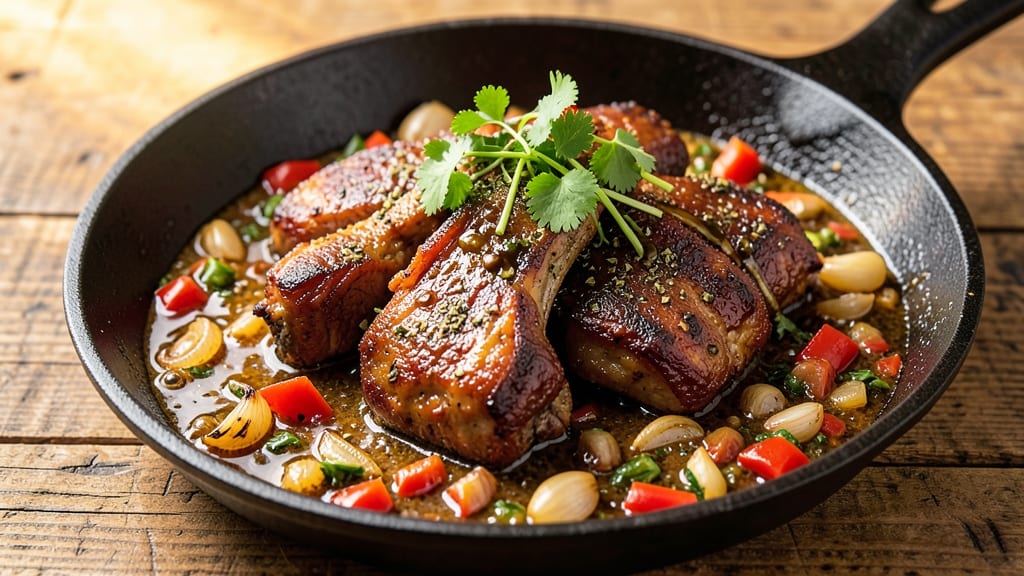
This Puerto Rican oxtail recipe transforms tough cuts into melt-in-your-mouth perfection through slow braising and bold spices—just like the dishes you’d find at a local parrillada in San Juan.
The secret lies in simmering oxtail until the meat falls apart, creating a rich sauce infused with sofrito, garlic, and adobo seasoning that clings to every bite.
I’ve perfected this method over years of testing, ensuring the fat renders beautifully while preserving the deep, savory flavors of traditional Puerto Rican cooking.
The process begins with a deep-fried oxtail for maximum flavor development, then slow-braising in a rich blend of sofrito, garlic, and spices until tender. This isn’t just a side dish—it’s a centerpiece, served alongside white rice and crispy tostones for the full Puerto Rican experience.
The result? A dish so flavorful, it’ll have everyone asking for seconds, with juicy oxtail swimming in a sauce thick with melted fat and aromatic spices.
What makes this recipe stand out is its balance of technique and simplicity—no shortcuts, just time and patience. The slow cook transforms tough oxtail into fork-tender pieces, while the sauce absorbs all the deep, earthy flavors of Puerto Rican seasoning.
Whether you’re cooking for a family gathering or a cozy weeknight dinner, this dish delivers restaurant-quality results with minimal effort beyond the initial prep.
Ready in about 3 hours (including prep), this recipe is perfect for those who appreciate the rewards of slow cooking. The rich, spiced sauce pairs beautifully with rice, plantains, or even crusty bread to soak up every last drop.
For those watching their fat intake, you can trim excess fat before serving—though I’d argue, the melty richness is part of the magic.
Ingredients for puerto rican oxtail
Six ingredients transform tough oxtail into Puerto Rican melt-in-your-mouth perfection—slow-cooked until it falls apart.
| Ingredient | Amount | Notes |
|---|---|---|
| Oxtail 🥩 | 3 lb | Bone-in, cut into 2-inch pieces |
| Sofrito 🥒 | 2 cups | Homemade or quality jarred blend |
| Garlic Cloves 🧄 | 8 cloves | Peeled, lightly smashed |
| Adobo Seasoning 🌶️ | 2 tbsp | Traditional Puerto Rican blend |
| Ground Cumin 🌿 | 1 tbsp | Toasted for deeper aroma |
| Dried Oregano 🍃 | 1 tbsp | Mexican oregano preferred |
| Bay Leaves 🌿 | 2 whole | Fresh or dried |
| Olive Oil 🫒 | ½ cup | Extra-virgin for frying |
| Vegetable Oil 🫒 | ½ cup | For deep-frying oxtail |
| Beef Broth 💧 | 2 cups | Low-sodium preferred |
| Tomato Paste 🍅 | 2 tbsp | Smooth, not chunky |
| Lemon Juice 🍋 | 1 tbsp | Freshly squeezed |
| Salt 🧂 | 1 ½ tsp | Diamond Crystal kosher |
| Black Pepper 🌶️ | ½ tsp | Freshly cracked |
| Fresh Cilantro 🌿 | ¼ cup | Chopped, for garnish |
The oxtail is the star—look for bone-in cuts with good marbling at Whole Foods or your local butcher. Costco often carries pre-cut oxtail in bulk, which saves time. If buying whole, ask for it to be cut into 2-inch pieces. The sofrito is non-negotiable here; homemade is ideal (blend bell peppers, onions, garlic, cilantro, and ajíes dulces), but Goya or La Preferida jarred blends work in a pinch. Just make sure it’s not watered down. For the adobo seasoning, La Costeña or Doña María are the gold standard—avoid generic blends with fillers.
No sofrito? Sauté 2 cups chopped bell peppers, 1 onion, and 4 garlic cloves until caramelized, then blend with a splash of water. Short on adobo? Mix 1 tbsp each paprika, garlic powder, and dried oregano with a pinch of salt. The tomato paste can be swapped for 1 cup crushed tomatoes, but it’ll dilute the sauce slightly. For the oils, avocado oil works better than olive for frying—it has a higher smoke point. The beef broth? Homemade is best, but Swanson or Pacific Foods low-sodium versions are solid. And if you’re watching fat, trim the oxtail after frying—just don’t skip the frying step entirely, or you’ll miss out on that magical rendered fat.
This dish tastes even better the next day—plan ahead. The sauce thickens as it cools, so add a splash of water or broth if it’s too stiff when reheating. Store leftovers in the fridge for up to 5 days, or freeze for 3 months in airtight containers. For serving, I like to skim off excess fat (though I won’t judge if you don’t) and garnish with fresh cilantro. The oxtail reheats beautifully—just warm it gently on the stove with a splash of broth to keep it moist. Serve with white rice and tostones for the full Puerto Rican experience.
Why You'll Love This Recipe
- One-Pot Magic: I swear by this recipe when I’m too tired to wash a million dishes. Toss everything—oxtail, sofrito, garlic—into one pot, and let the adobo and cumin work their magic while you sip coffee. The only cleanup is your spoon.
- Flavor Bomb: That deep, smoky adobo and earthy cumin clinging to the oxtail? It’s the kind of taste that makes you close your eyes mid-bite. The sofrito adds this bright, herbaceous punch that cuts through the richness—like a hug in a bowl.
- Leftovers That Beg: Between us, this dish tastes better the next day. I always make double batches because reheating those tender, saucy oxtails for lunch? Absolute win. (Yes, even on a Tuesday night.)
- Budget Feast: Oxtail stretches farther than you’d think, and a little goes a long way when simmered right. Honestly, I’ve fed six people for under $20 with this—plus, the leftovers keep my family from complaining about “boring” meals.
Step-by-step instructions for Puerto Rican oxtail
Here's how to transform tough oxtail into melt-in-your-mouth perfection with rich, spiced braising.
Deep-Fry the Oxtail for Maximum Flavor
In a large Dutch oven, combine the 0.5 cup vegetable oil and 0.5 cup olive oil over medium heat until the oil reaches 350°F—it should shimmer but not smoke. Working in batches, carefully lower the 3 lb oxtail pieces into the hot oil, being careful not to splash. Fry for 4-5 minutes per batch until the oxtail turns a deep golden brown and the fat begins to render.
This initial frying step is crucial—it develops a deep, caramelized crust that locks in flavor during the long braise. Remove the oxtail with tongs and drain on paper towels, reserving 1 cup of the rendered fat in the Dutch oven. Don't skip this step; it's what gives Puerto Rican oxtail its signature richness.
Build the Spice Base and Sofrito
Return the Dutch oven to medium heat and add the 8 cloves garlic cloves, letting them sizzle for 30 seconds until fragrant. Immediately add the 2 tbsp adobo seasoning, 1 tbsp ground cumin, 1 tbsp dried oregano, and 2 whole bay leaves, stirring constantly for 1 minute to toast the spices and release their aromas.
Pour in the 2 cups sofrito and cook for 3-4 minutes, stirring frequently, until the mixture darkens slightly and the raw smell disappears. This step develops the complex, layered flavors that define Puerto Rican cooking. If the spices stick, add 1-2 tablespoons of the reserved oxtail fat to help release them.
Braise with Tomato and Broth
Stir in the 2 tbsp tomato paste and cook for 1 minute until it darkens and thickens slightly. Add the 2 cups beef broth and the 1 tbsp lemon juice, scraping up any browned bits from the bottom of the pot. Return the oxtail to the Dutch oven, nestling the pieces into the sauce.
Bring the mixture to a simmer, then reduce heat to low. Cover and let it cook for 2.5 hours, stirring occasionally, until the oxtail is fork-tender and the meat easily pulls away from the bone. The sauce should be thick and glossy, with a deep red hue from the caramelized spices.
Reduce and Finish with Cilantro
Once the oxtail is tender, increase heat to medium and simmer uncovered for 15-20 minutes to reduce the sauce until it coats the back of a spoon. Taste and adjust seasoning with the 1.5 tsp salt and 0.5 tsp black pepper as needed.
Remove from heat and stir in the 0.25 cup fresh cilantro, letting it wilt slightly into the sauce. The bright herb cuts through the richness of the braised oxtail, balancing the deep, spiced flavors. Serve immediately with rice and toasted bread to soak up every last drop of that irresistible sauce.
Pro Tips For Making Puerto Rican Oxtail
- Brown the Oxtail First: Don’t just toss raw oxtail into the pot—sear each piece over medium-high heat until deeply browned. I learned this the hard way: skipping this step means your sauce will taste flat, no matter how much sofrito you add. Two minutes per side, until the meat releases that caramelized crust—it’s the flavor foundation.
- Toast the Cumin: Bloom the ground cumin in oil for 30 seconds before adding garlic. Sounds weird, but it works: this step deepens the earthy aroma and prevents bitterness. Skip it, and your oxtail will taste more like dust than spice.
- Simmer, Don’t Boil: Keep the liquid at a gentle simmer—tiny bubbles, barely moving. I used to crank the heat, thinking faster cooking meant better results, but that just turns the oxtail tough and the sauce watery. Low and slow (2.5–3 hours) is the only way to get that melt-in-your-mouth texture.
- Skim the Foam Early: After the first 20 minutes, skim off the gray foam rising to the surface. I know, it’s gross, but it’s also the stuff that makes your sauce cloudy and dull. A fine-mesh spoon does the job—your future self will thank you for this small annoyance now.
Wine and beer pairings for this recipe
Bold Red Wines
Puerto Rican oxtail’s rich, spiced depth pairs beautifully with bold red wines that can stand up to the dish’s intensity. I recommend a Malbec from Argentina—its dark fruit and smoky notes complement the oxtail’s caramelized crust and deep sofrito flavors.
A Cabernet Sauvignon from Napa Valley also works, especially if it has a touch of French oak to enhance the sauce’s complexity. Look for wines with 13.5-14.5% ABV to match the dish’s robust profile. 🍷
Light-Bodied Whites
For a lighter option, Verdejo from Spain offers a refreshing contrast with its crisp acidity and citrus notes. The wine’s bright flavors cut through the richness of the oxtail, cleansing your palate between bites.
Another great choice is Albariño—its peach and floral aromas pair surprisingly well with the dish’s spiced sauce. Avoid heavy whites like Chardonnay, as they’ll clash with the oxtail’s bold flavors.
Local Puerto Rican Options
If you want to stay true to the island’s traditions, try Puerto Rican red blends like Don Pablo or Don Q. These wines are often made with local grapes and carry subtle tropical fruit notes that harmonize with the sofrito and adobo seasoning.
For a budget-friendly choice, Bodegas de Puerto Rico’s Tinto is a solid pick—it’s affordable and delivers the right balance of spice and fruit. 🌴
Beer Pairings
A Mexican lager like Modelo Especial or Pacífico is my go-to beer pairing—its clean, crisp profile balances the dish’s richness without overpowering it. For something bolder, try a Mexican amber ale like Negra Modelo, which adds a touch of caramel sweetness that mirrors the oxtail’s caramelized crust.
Avoid heavy IPAs or stouts, as their bitterness will compete with the dish’s spices.
Non-Alcoholic Options
For a refreshing non-alcoholic match, hibiscus iced tea (known as agua de Jamaica in Puerto Rico) adds a tart, floral note that complements the oxtail’s depth. Another great choice is ginger beer—its spicy kick echoes the dish’s adobo and cumin flavors.
For something lighter, a sparkling lime soda like Jarritos’ Lime provides a bright contrast to the rich, savory oxtail. 💧
Serving Temperature Tips
Serve red wines slightly below room temperature—around 60-65°F—to enhance their fruit and spice notes. Whites should be chilled to 45-50°F to maintain their crispness. For beers, serve lagers at 40°F and amber ales at 50°F to highlight their malt and hop profiles.
The right temperature ensures the drink enhances, rather than distracts from, the oxtail’s flavors. ✨
Nutrition facts
Frequently asked questions
Why does this recipe deep-fry the oxtail first?
The deep-frying creates a flavorful crust that locks in moisture during braising, while rendering fat that becomes part of the rich sauce. This step is key to authentic Puerto Rican oxtail—skipping it results in less flavorful meat and thinner sauce. The caramelized exterior also helps tenderize the tough cut during the long cook.
Can I make this recipe without sofrito?
You can substitute with a homemade blend of sautéed bell peppers, onions, garlic, and cilantro (about 2 cups total), but jarred sofrito delivers the authentic depth. For a quick fix, use 1 cup tomato sauce + 1 tbsp each paprika and garlic powder, though the flavor won't be identical. The sofrito's complex aromatics are what make this dish truly Puerto Rican.
How do I know when the oxtail is tender enough?
The oxtail should easily pull away from the bone with a fork after 2.5 hours of braising. For extra assurance, pierce a piece—if the meat shreds cleanly, it's ready. Overcooking can make it mushy, so check at 2 hours if you're unsure. The sauce should also coat the back of a spoon when reduced.
What's the best way to store leftovers?
Store in airtight containers in the fridge for up to 5 days or freeze for 3 months. Reheat gently on the stove with a splash of broth to prevent drying. The flavors actually improve overnight as the sauce thickens further. For serving, skim excess fat if desired—though I recommend leaving some for authenticity!
Can I use a slow cooker instead of a Dutch oven?
Yes! Brown the oxtail first in a skillet, then transfer everything to a slow cooker and cook on Low for 7-8 hours or High for 4-5 hours. The texture will be slightly different (more tender than crispy), but still delicious. Just add 1/4 cup water if the sauce gets too thick during cooking.