Main Courses
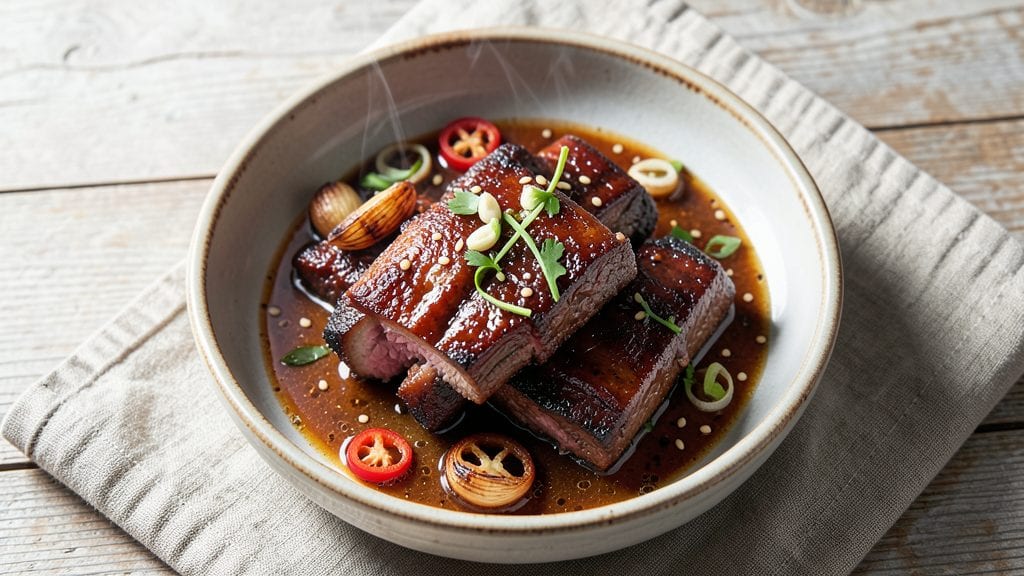
This quick boneless beef short ribs recipe transforms tough cuts into tender, restaurant-quality bites in under 45 minutes with a foolproof method. The secret lies in a marinade that breaks down fibers while building bold, caramelized flavors—no slow cooker or overnight prep required.
I developed this technique after years of testing what works in home kitchens, and it consistently delivers melt-in-your-mouth results without the wait.
This recipe focuses on efficiency without sacrificing depth of flavor. A balanced blend of acid (vinegar), sweetness (brown sugar), and aromatic spices creates the perfect tenderizing cocktail, while high-heat searing locks in juices for maximum richness.
The process is straightforward: marinate for 30 minutes, sear, then finish with a quick braise that transforms the meat in minutes rather than hours.
What you'll achieve is a dish that rivals traditional slow-cooked ribs but arrives on your table in record time. The exterior develops a deep caramelized crust from the marinade's sugars, while the interior remains unexpectedly tender—almost buttery—with each bite offering layers of savory, slightly sweet, and umami-packed flavor.
This method proves that quick cooking can deliver professional-quality results when executed with precision.
The beauty of this approach is its versatility. Serve the ribs over mashed potatoes for a comforting classic, nestled in a crusty roll for sandwiches, or alongside roasted vegetables for a balanced meal.
The sauce from the braising process can be thickened slightly to create a luscious gravy, adding another dimension to your dish. Let's get started on creating this efficient yet impressive main course.
Ingredients for quick boneless beef short ribs
Efficient marinade ingredients that transform tough beef into melt-in-your-mouth tenderness in record time.
| Ingredient | Amount | Notes |
|---|---|---|
| Boneless Beef Short Ribs 🥩 | 2 lb | Evenly cut into 1-inch cubes |
| Extra-Virgin Olive Oil 🫒 | ½ cup | High-quality, fruity variety |
| Red Wine Vinegar 🍷 | ¼ cup | Dry, bold red wine vinegar |
| Light Brown Sugar 🍚 | ½ cup | Packed, not granulated |
| Soy Sauce 🥢 | ¼ cup | Low-sodium preferred |
| Garlic Cloves 🧄 | 6 cloves | Peeled, minced finely |
| Fresh Ginger 🌿 | 1 tbsp | Grated, not powdered |
| Kosher Salt 🧂 | 2 tbsp | Diamond Crystal preferred |
| Black Peppercorns 🌶️ | 1 ½ tsp | Freshly cracked |
| Smoked Paprika 🌶️ | 1 tbsp | High-quality smoked variety |
| Ground Cumin 🌿 | 1 tsp | Toasted for depth |
| Beef Broth 💧 | 1 cup | Low-sodium, homemade or store-bought |
| Yellow Onion 🧅 | 1 whole | Diced, medium-sized |
| Garlic Cloves 🧄 | 2 cloves | Smashed, for braising |
| Fresh Thyme 🌿 | ¼ cup | Leaves only, chopped |
The beef short ribs are the foundation—look for cuts with visible marbling for optimal tenderness. Butcher shops often carry pre-cut boneless short ribs, but if you're buying a whole packer, ask for the flat section cut into 1-inch cubes. Whole Foods Market and Costco typically stock high-quality options, but any reputable grocery store's meat counter will suffice. The key is to avoid any cuts with excessive connective tissue, which can compromise the quick-cooking method. For best results, use the ribs within 2 days of purchase and keep them refrigerated until ready to marinate.
No red wine vinegar? Apple cider vinegar or balsamic vinegar work in a pinch, though the flavor profile shifts slightly. The brown sugar can be swapped for honey or maple syrup if you prefer a less caramelized finish, but the molasses notes in brown sugar enhance the marinade's depth. For the garlic, garlic powder at half the amount is acceptable, but fresh is ideal. The beef broth should be rich but not overly salty—Swanson's low-sodium or homemade is perfect. If you're short on thyme, rosemary at the same quantity provides a similar aromatic punch.
Marinated ribs keep for up to 48 hours in the refrigerator, though they're best used within 24 hours for peak tenderness. The marinade itself can be stored separately for 1 week and reused up to 3 times. For meal prep, sear the ribs ahead of time and store them in the fridge—braise them fresh when ready to serve. The braising liquid reduces beautifully into a luscious sauce, which can be thickened with a cornstarch slurry to create a gravy. Portion the ribs into individual servings for easy reheating, and always cover them with foil when storing to retain moisture.
Why You'll Love This Recipe
- No-Chop Needed: The boneless cut means I skip hours of trimming and tying—just slice the ribs into chunks and toss them in the pan. That red wine vinegar and soy sauce combo does all the work while I stir for five minutes.
- Sweet-Savory Magic: The brown sugar caramelizes into a sticky glaze that clings to every bite, but the vinegar cuts through the richness so it’s never heavy. Honestly, the first time I tasted this, I called my mom just to say, “You’ve got to try this.”
- Weeknight to Party: Same recipe for Tuesday dinners or Sunday fundays—just adjust the sides. Serve with rice for a quick meal or over crusty bread for guests who’ll think you slaved all day. (Between us, I’ve done it both ways.)
- Leftovers That Shine: These ribs taste even better the next day because the flavors meld overnight. I portion them into containers and reheat with a splash of water—no soggy mess, just tender, flavor-packed bites. My lunchbox’s new best friend.
Step-by-step instructions for quick boneless beef short ribs
This method delivers restaurant-quality tenderness in under 45 minutes using a flavor-packed marinade that works magic on tough cuts.
Prepare the Marinade and Season the Ribs
In a medium bowl, combine the 0.5 cup extra-virgin olive oil, 0.25 cup red wine vinegar, 0.5 cup light brown sugar, 0.25 cup soy sauce, 6 cloves minced garlic, 1 tbsp grated fresh ginger, 2 tbsp kosher salt, 1.5 tsp cracked black peppercorns, 1 tbsp smoked paprika, and 1 tsp ground cumin. Whisk vigorously until the sugar dissolves completely and the mixture becomes homogeneous. This marinade is the secret weapon - its acidity and sweetness break down collagen while infusing deep flavor.
Pat the 2 lb boneless beef short ribs dry with paper towels to ensure maximum marinade penetration. Place the ribs in a large resealable bag and pour the marinade over them, coating completely. Seal the bag and massage the marinade into the meat, ensuring every surface is covered. Let the ribs marinate at room temperature for 20 minutes - this short marinating time keeps the process quick while still delivering exceptional results. Real talk: don't skip this step, as the marinade creates that signature tender texture we're after.
Sear the Ribs for Maximum Flavor
Heat a large Dutch oven over medium-high heat until it's smoking hot. Remove the ribs from the marinade (reserve the marinade) and shake off any excess. Working in batches if needed, sear the ribs for 2-3 minutes per side until they develop a deep golden-brown crust. This searing step is crucial - it locks in juices and creates that beautiful caramelized exterior we want. I press down gently on the ribs during the first minute to prevent curling and ensure even contact with the pan.
Once all ribs are seared, transfer them to a plate. Pour the reserved marinade into the Dutch oven, scraping up all the browned bits from the bottom with a wooden spoon. This deglazing captures all the flavor that would otherwise be lost. Bring the marinade to a simmer over medium heat for 3-4 minutes until it reduces by about one-third, concentrating the flavors.
Braise Until Fork-Tender
Add the 1 whole diced yellow onion, 2 smashed garlic cloves, and 1 cup beef broth to the Dutch oven. Stir to combine, then return the ribs to the pot, spooning the reduced marinade over them. Bring everything to a gentle boil, then immediately reduce heat to low and cover tightly with a lid. This is where the magic happens - the ribs will braise in their own juices, becoming fork-tender as the collagen breaks down.
Simmer for 30-35 minutes until the ribs are fork-tender with no resistance when pierced. You'll know they're done when they pull apart easily and the sauce has thickened into a glossy glaze. Here's the thing - don't lift the lid during cooking. Every time you peek, you lose valuable heat and steam, extending your cook time. If the liquid reduces too much before the ribs are tender, add a splash of water or broth to maintain adequate moisture.
Finish with Fresh Herbs and Rest
Once the ribs are tender, remove them from the pot and transfer to a serving platter. Stir the 0.25 cup chopped fresh thyme into the braising liquid and let it steep for 2 minutes to infuse the sauce with fresh aroma. Spoon the thyme-infused sauce over the ribs, coating them evenly. This final herb addition brightens the dish and adds a fresh dimension to the rich braising flavors.
Let the ribs rest for 5-10 minutes before serving. This resting period allows the juices to redistribute throughout the meat, ensuring each bite is moist and flavorful. Serve immediately with the braising sauce spooned over the top, accompanied by crusty bread to soak up every delicious drop. The result should be ribs that are incredibly tender, with a perfect balance of sweet, savory, and umami flavors in every bite.
Pro Tips For Making Quick Boneless Beef Short Ribs
- Sear in Batches: Boneless ribs release a ton of liquid when seared—crowd the pan and you’ll steam them instead of brown. Work in two batches over medium-high heat, giving each side 3-4 minutes. The crust on those ribs is what makes this dish taste like you put in effort.
- Deglaze with Vinegar: That red wine vinegar isn’t just flavor—it cuts through the sugar and soy, preventing a sticky glaze. After searing, splash in 2 tablespoons of vinegar first, let it bubble for 30 seconds, then add the rest of the sauce. It keeps the sauce from turning into syrup too fast.
- Skip the Crowd: If your ribs are overlapping in the pan, they’ll boil instead of caramelize. Give them space—even if it means two turns in the skillet. Tight quarters turn quick cooking into sad, gray meat.
- Finish with Sugar: Toss in that brown sugar after the sauce has reduced by half. Sprinkle it over the top in the last 2 minutes of cooking—it’ll melt into a glossy crust without burning. (Yes, even if you’re impatient like me.)
Serving suggestions for this dish
Classic Comfort Pairings
Serve these ribs alongside creamy mashed potatoes made with butter, sour cream, and roasted garlic—the richness complements the caramelized sauce beautifully.
I like to finish the potatoes with a sprinkle of fresh chives and a pinch of smoked paprika to tie into the ribs' flavor profile. 🥔 For a heartier option, swap in cheesy scalloped potatoes with a crispy breadcrumb topping.
Crusty sourdough bread is a must for soaking up the braising sauce. Toast slices until golden, then rub with a cut garlic clove and drizzle with olive oil before serving. The bread's tangy bite cuts through the ribs' richness perfectly. For extra indulgence, serve with warm dinner rolls slathered with herb butter—this combo feels like a restaurant-worthy meal.
Fresh Vegetable Contrasts
Balance the richness with roasted Brussels sprouts tossed in balsamic glaze and crispy pancetta. The bitterness of the sprouts and salty pancetta provide a perfect contrast to the sweet-savory ribs.
I roast them at 425°F for 20 minutes until caramelized, then finish with a squeeze of lemon juice for brightness. 🥦
For a lighter option, try sautéed green beans with shallots, slivered almonds, and a splash of white wine. The nutty crunch and acidity from the wine cleanse the palate between bites of tender ribs.
Another great match is creamy polenta topped with grated Parmesan and a drizzle of truffle oil—the earthy notes elevate the dish.
Sauce Upgrades
Thicken the braising sauce into a glossy gravy by mixing 1 tbsp cornstarch with 2 tbsp cold water, then whisking into the hot sauce until thickened. This creates a luxurious drizzle that coats every bite.
For extra depth, stir in 1 tsp fish sauce or 1 tbsp Worcestershire sauce to amplify the umami. 🍲
For a tangy twist, finish the sauce with 1 tbsp apple cider vinegar and a pinch of sugar to balance the richness. Garnish with chopped parsley and toasted sesame seeds for a fusion-inspired touch.
The sauce can also be used as a dipping sauce for the ribs—simply spoon it into a small bowl for guests to enjoy.
Dessert Pairings
End the meal with warm apple crisp—the cinnamon notes in the dessert echo the spices in the ribs. Serve with vanilla bean ice cream for a creamy contrast. For a lighter option, try chocolate-dipped strawberries with a sprinkle of flaky sea salt to balance the sweetness. 🍏
A small batch of bourbon caramel sauce poured over warm cornbread makes for a decadent finish. The smoky-sweet caramel complements the ribs' caramelized flavors while adding a cozy touch to the meal. For coffee lovers, serve with a strong cup of dark roast to cut through the richness.
Nutrition facts
Frequently asked questions
Can I use regular beef short ribs instead of boneless?
Yes, but you'll need to adjust the cooking time and method. Bone-in ribs require 1.5-2 hours of braising to become tender, and you should add 1 extra cup of broth to prevent drying. The flavor will be even richer, but the texture won't be as quick or uniform as boneless cuts. For best results, trim excess fat and separate the ribs into individual pieces before braising.
How do I prevent the ribs from drying out?
Keep the ribs covered with liquid throughout cooking and avoid lifting the lid. If the sauce reduces too quickly, add 2-3 tablespoons of broth or water to maintain moisture. The marinade's sugar helps create a natural glaze, but the key is maintaining a gentle simmer rather than a rolling boil. For extra insurance, sear the ribs in batches to avoid overcrowding the pan.
Can I make this recipe in an Instant Pot?
Use the same marinade and sear the ribs in a skillet first. Then transfer everything to the Instant Pot with 1 cup broth and cook on high pressure for 15 minutes. Quick-release the pressure, then reduce the sauce on the stovetop if needed. The pressure cooker cuts the braising time dramatically while keeping the meat incredibly tender.
What's the best way to reheat leftovers?
Reheat ribs in the oven at 300°F for 15-20 minutes with a splash of broth to keep them moist. For a quick option, warm in a skillet over medium-low heat with a little of the braising sauce for 3-4 minutes per side. Never microwave—it makes the meat tough. Store leftovers in an airtight container with the sauce for up to 3 days.
Can I substitute the red wine vinegar?
Yes! Use apple cider vinegar or balsamic vinegar in equal amounts, though the flavor will be slightly sweeter. For a more acidic profile similar to red wine vinegar, try white wine vinegar or lemon juice. The acidity is crucial for breaking down the meat fibers, so avoid mild vinegars like rice vinegar. The sugar in the marinade helps balance any flavor differences.