
Snacks
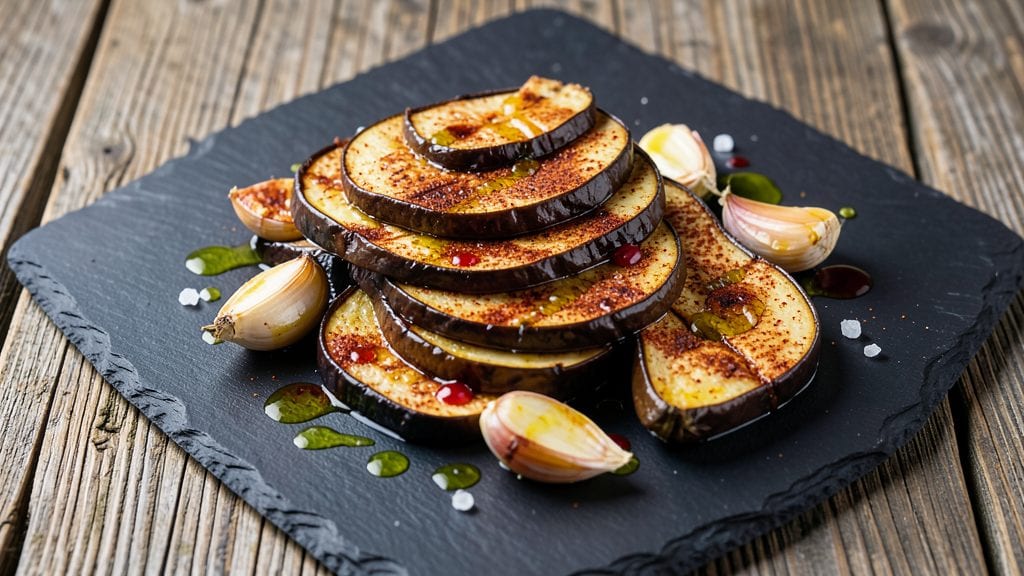
This roasted aubergine recipe transforms humble eggplant into a silky, caramelized masterpiece with edges so crisp they shatter at the slightest touch. The secret lies in high-heat roasting that develops deep, smoky flavors while keeping the interior tender—no soggy slices here.
I perfected this method after testing countless techniques, and it’s now my go-to for both elegant sides and hearty vegan mains.
The process is straightforward but precise: slice the aubergine into even rounds, salt them generously to draw out moisture, then roast until the edges darken to perfectly charred while the centers remain velvety.
A drizzle of olive oil and sprinkle of smoked paprika before roasting elevates the flavor profile, creating a dish that’s rich, aromatic, and deeply satisfying—without any animal products.
What you’ll end up with is a dish that’s versatile enough for any meal: serve it as a standalone side with a squeeze of lemon, pile it high on toast with hummus and tahini, or turn it into a showstopping vegan main with toppings like crumbled feta (or vegan cheese), fresh herbs, and a drizzle of balsamic glaze.
The possibilities are endless, and the results are always impressive.
Ready in just 30 minutes, this recipe delivers restaurant-quality texture and flavor with minimal effort—ideal for weeknight dinners or impressive gatherings. The key is patience during roasting; let the aubergine develop those charred edges while keeping the interior tender, and you’ll have a dish that’s both elegant and foolproof.
Ingredients for roasted aubergine
Pantry staples plus a few fresh ingredients for this showstopping vegan roasted aubergine dish.
| Ingredient | Amount | Notes |
|---|---|---|
| Aubergine 🍆 | 1 ½ lb | Medium-sized, sliced into 1/2-inch rounds |
| Extra-Virgin Olive Oil 🫒 | ⅓ cup | High quality, fruity variety |
| Smoked Paprika 🌶️ | 1 tbsp | For deep smoky flavor |
| Kosher Salt 🧂 | 1 ½ tbsp | Diamond Crystal preferred |
| Fresh Lemon Juice 🍋 | 2 tbsp | Freshly squeezed |
| Garlic Cloves 🧄 | 3 cloves | Minced, for finishing |
| Fresh Thyme Leaves 🌿 | ¼ cup | Chopped, for garnish |
| Vegan Parmesan Cheese 🧀 | ¼ cup | Nutritional yeast based |
| Balsamic Glaze 🍷 | 2 tbsp | For drizzling |
| Hummus 🥙 | ½ cup | For serving (optional) |
| Fresh Basil Leaves 🌿 | ⅛ cup | Torn, for garnish |
| Black Pepper 🌶️ | ½ tsp | Freshly ground |
The aubergine is the star—pick firm, glossy ones with no soft spots. Trader Joe's or local farmers markets often carry the best quality. Slice them evenly to ensure even cooking. That first salting step is non-negotiable—it draws out moisture so the edges crisp perfectly. I usually buy organic aubergines from the grocery store's produce section, but any medium-sized ones will work. Look for vibrant purple skins with no bruises, as those indicate freshness and better texture after roasting.
No smoked paprika? Regular paprika plus a pinch of liquid smoke gets you close. Fresh thyme is ideal, but dried thyme at one-third the amount works in a pinch. For the vegan Parmesan, nutritional yeast is your best bet—it adds that umami punch without dairy. The balsamic glaze can be store-bought or homemade (just reduce balsamic vinegar by half). If you're short on time, skip the fresh herbs and just use the vegan Parmesan for flavor. The hummus is purely optional but adds a great contrast to the smoky aubergine.
Roasted aubergine keeps well—3-4 days in the fridge if stored in an airtight container. Reheat gently in a skillet with a splash of water to restore crispness. Freezes beautifully for up to 3 months, though texture may soften slightly. I always make a double batch because it disappears fast—great for meal prep. The charred edges are best enjoyed fresh, but the silky interiors reheat beautifully for quick lunches.
Why You'll Love This Recipe
- One-Pan Magic: I swear by this recipe when I’m too tired to scrub pots—just slice, toss with olive oil and salt, and let the oven do the work. The smoked paprika adds depth without extra effort, and that crispy skin? Pure reward for minimal cleanup.
- Smoky-Sweet Crunch: That first bite—where the outside is caramelized and the inside stays tender—is why I keep coming back. The lemon juice cuts through the richness, so it’s never heavy, and the paprika gives it this addictive, slightly smoky kick that feels fancy but isn’t.
- Meal Prep MVP: I roast a whole tray on Sundays and use it all week: in salads, stuffed in wraps, or even as a quick side with dinner. It keeps beautifully in the fridge, and the flavors only get better as it sits—honestly, I’ve eaten it cold three days later and still craved more.
- Budget-Friendly Flex: Aubergines are cheap, and this recipe stretches them far. A single eggplant feeds four, and the olive oil and lemon juice are pantry staples I already had. Plus, it’s one of those dishes where the simpler the ingredients, the more impressive the result—no fancy cheeses or herbs needed.
Step-by-step instructions for roasted aubergine recipe
Here's how to transform simple aubergine into restaurant-worthy charred slices with silky centers.
Prepare and Season the Aubergine
Start by preheating your oven to 425°F with the rack positioned in the middle. Cut the 1.5 lb aubergine into ½-inch rounds, keeping the slices as even as possible. You'll end up with about 12-15 slices depending on the size of your aubergine.
Pat each slice completely dry with paper towels—this is crucial for achieving crispy edges. Arrange the slices in a single layer on a baking sheet lined with parchment paper. Drizzle evenly with the 0.33 cup extra-virgin olive oil and sprinkle with 1 tbsp smoked paprika and 1.5 tbsp kosher salt. Toss gently to coat both sides evenly. The aubergine should look glossy and well-seasoned, ready for the oven.
Roast Until Charred and Tender
Place the prepared aubergine slices in the preheated oven and roast for 20-25 minutes, flipping them halfway through at the 12-15 minute mark. You're looking for slices with deep golden brown charred edges and slightly blistered surfaces, while the centers remain tender when pierced with a fork. The high heat and direct positioning ensure maximum browning without steaming the interiors.
Don't be tempted to walk away during this process. Check the aubergine at the 20-minute mark—if they're browning too quickly, reduce the oven temperature to 400°F to prevent burning. The slices should be soft enough to cut through with a fork but still hold their shape when served.
Finish with Bright Flavors
Remove the roasted aubergine from the oven and transfer to a serving platter. Immediately drizzle with 2 tbsp fresh lemon juice and 2 tbsp balsamic glaze, letting it pool between the slices. The acidity brightens the smoky flavors while the glaze adds a touch of sweetness that balances the earthiness of the aubergine.
While still warm, sprinkle with 0.25 cup chopped fresh thyme leaves and 0.25 cup vegan parmesan cheese. The thyme adds an aromatic depth, while the vegan parmesan provides a salty, umami-rich finish. Finish with 3 minced garlic cloves and 0.5 tsp freshly ground black pepper, pressing gently to distribute the flavors evenly.
Serve with Fresh Elements
Let the aubergine rest for 5 minutes before serving to allow the flavors to meld. Arrange the slices on a platter, garnished with 0.125 cup torn fresh basil leaves for a pop of color and freshness. Serve immediately with 0.5 cup hummus on the side for dipping, if desired. The contrast of the creamy hummus with the charred aubergine creates a perfect balance of textures and flavors.
This dish works beautifully as a vegetarian main course, a side for grilled meats, or even as a component in a Mediterranean mezze platter. The key is in the high-heat roasting and bright finishing touches that elevate simple aubergine into something truly special.
Pro Tips For Making Roasted Aubergine
- SLICE THINLY, NOT THICK: I learned this the hard way—thick slices hide raw centers while thin ones crisp perfectly. Aim for ½-inch slices (about 1.2 cm) so the smoked paprika and olive oil soak in evenly and the lemon juice brightens every bite.
- SALT BEFORE ROASTING: Sprinkle kosher salt before tossing in oil—it draws out moisture so the skin crisps instead of steaming. Skip this, and you’ll end up with soggy edges no matter how long you roast.
- USE HIGH HEAT FIRST: Start at 425°F (220°C) for 10 minutes to blister the skin—this locks in flavor and prevents the aubergine from turning to mush. After that, drop to 375°F (190°C) for even cooking.
- DRIZZLE LEMON LAST: Fresh lemon juice is best added right before serving—it cuts through the richness of the olive oil and smoked paprika while keeping the aubergine from getting bitter. (Yes, even if you’re impatient like me.)
Wine and beer pairings for this roasted aubergine
Mediterranean White Wine
A crisp, dry white wine with citrus and herbal notes complements the smoky, charred flavors beautifully. I reach for a Vermentino from Sardinia or a Gavi di Gavi from Piedmont—both have bright acidity that cuts through the richness of the roasted aubergine.
The mineral finish enhances the dish's earthy depth while keeping your palate refreshed. 🍷
Greek Assyrtiko
This vibrant Greek white wine brings a zesty lemon brightness that mirrors the dish's finishing touches. Look for an Assyrtiko from Santorini, where volcanic soils give it a crisp, mineral-driven profile.
The wine's natural acidity balances the smoky paprika and balsamic glaze perfectly, making each bite feel balanced and refreshing.
Light Red Alternatives
If you prefer red, opt for a Pinot Noir from Oregon or a Valpolicella Classico from Italy. These lighter reds have enough acidity to stand up to the charred edges without overpowering the dish. The earthy undertones in Valpolicella actually complement the aubergine's natural flavors beautifully.
Beer Pairings
A crisp Italian lager like Peroni or Birra del Borgo provides a clean, effervescent contrast to the rich roasted aubergine. For a hoppier option, try a Belgian witbier—the citrusy coriander notes enhance the lemon and herb garnishes.
Avoid heavy stouts or IPAs, which would clash with the dish's delicate balance.
Sparkling Wine
For a celebratory touch, serve with a Prosecco or Cava. The bubbles cleanse your palate between bites, letting you appreciate the dish's complex flavors. A dry Prosecco from Veneto adds a touch of elegance while maintaining the Mediterranean theme. The slight sweetness echoes the balsamic glaze beautifully.
Non-Alcoholic Options
For a refreshing non-alcoholic pairing, try a sparkling blood orange soda or a cucumber-mint infused water. The citrus notes complement the lemon finish, while the mint adds a fresh herbal element. A San Pellegrino Aranciata with a splash of soda water also works wonderfully for a bubbly, citrusy experience.
Nutrition facts
Frequently asked questions
Can I use a different cooking method like grilling or air frying?
For grilling, brush the slices with oil and grill over medium-high heat for 3-4 minutes per side until charred. Air frying works too—cook at 375°F for 8-10 minutes, shaking the basket halfway. The key is high heat to create those crispy edges while keeping the centers tender.
Why do my roasted eggplant slices turn out soggy?
Soggy slices usually mean excess moisture wasn't removed properly. Pat slices very dry before seasoning and roasting, and salt them 30 minutes ahead to draw out extra moisture. Also, avoid overcrowding on the baking sheet—leave ½-inch space between slices for even browning.
How can I make this dish gluten-free?
This recipe is naturally gluten-free! Just ensure your smoked paprika, vegan parmesan, and balsamic glaze are certified gluten-free. Double-check labels on pre-made hummus if using. The base ingredients—eggplant, olive oil, lemon, and herbs—are all gluten-free staples.
What's the best way to store leftovers?
Store in an airtight container in the fridge for 3-4 days. Reheat gently in a skillet with a splash of water or under the broiler for 2-3 minutes to restore crispness. For longer storage, freeze for up to 3 months—thaw overnight in the fridge before reheating.
Can I roast whole aubergines instead of slices?
Yes! Halve the aubergines lengthwise, brush with oil, and roast cut-side down at 400°F for 25-30 minutes until tender. The skin will crisp beautifully while the flesh stays creamy. Score the cut sides in a crosshatch pattern first to help the skin render properly.