
Snacks
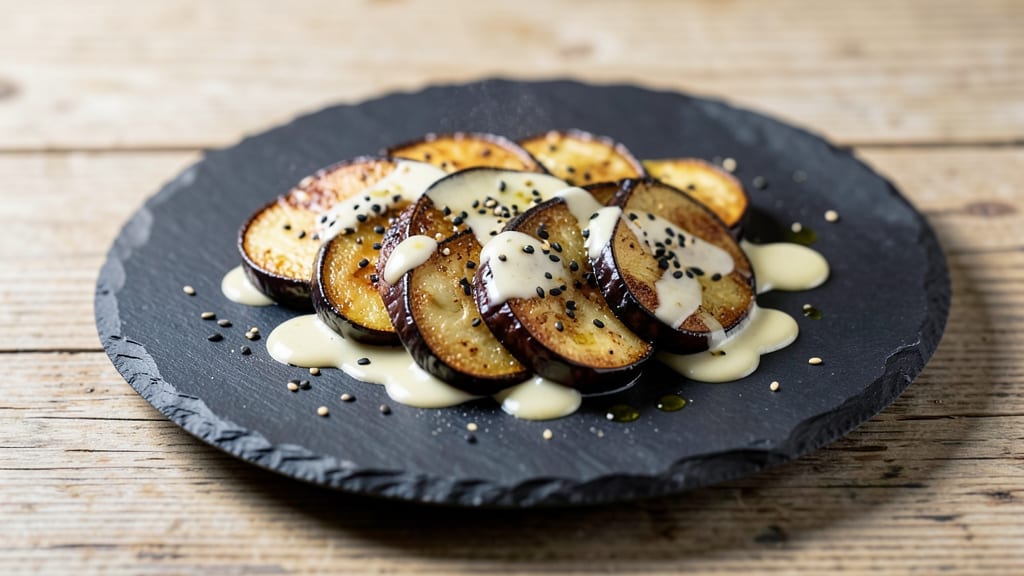
When you bite into perfectly roasted Japanese eggplant, the contrast of silky-smooth flesh and smoky, caramelized edges creates a flavor experience that’s both simple and profound. This recipe transforms the eggplant’s natural umami into something truly special—whether you follow traditional nasu dengaku methods or adapt it with modern seasonings.
The key lies in proper preparation: salting, drying, and slicing the eggplant just right before roasting it to golden perfection.
What sets this recipe apart is the balance of texture and depth. The eggplant’s flesh becomes tender and velvety while developing a subtle smokiness that pairs beautifully with soy-based glazes or simple salt and butter finishes.
I’ve tested this method countless times, and the results are consistently restaurant-quality—crispy on the outside, creamy inside, with that unmistakable umami richness. It’s a dish that feels both elegant and approachable, perfect for snacking or as a sophisticated side.
This method is entirely vegetarian but easily adaptable. You can serve these silky-smoky bites plain, drizzled with a sweet-savory glaze, or paired with proteins like grilled chicken or shrimp for added heartiness. The versatility makes it ideal for parties, weeknight dinners, or even a simple appetizer that impresses without effort.
Let’s get started on creating eggplant so good, it’ll become a staple in your rotation.
The beauty of this recipe is in its adaptability—whether you’re roasting in the oven, on the grill, or in a skillet, the technique remains the same. Traditional Japanese methods focus on minimal seasoning to let the eggplant shine, while modern adaptations often incorporate bold flavors like miso, garlic, or chili.
Either way, the result is a dish that’s as satisfying as it is delicious. Ready to transform this humble vegetable into something extraordinary?
Ingredients for roasted japanese eggplant
Transform humble Japanese eggplant into restaurant-quality bites with these carefully chosen ingredients.
| Ingredient | Amount | Notes |
|---|---|---|
| Japanese Eggplant 🍆 | 2 whole | Large, firm, purple-skinned variety |
| Diamond Crystal Kosher Salt 🧂 | 1 cup | For salting and drying process |
| Extra-Virgin Olive Oil 🫒 | ¼ cup | High-quality, fruity variety |
| White Miso Paste 🍶 | 2 tbsp | For umami-rich glaze option |
| Sesame Oil 🫒 | 1 tbsp | Toasted for nutty aroma |
| Rice Vinegar 🍶 | 1 tbsp | For balancing sweetness |
| Fresh Garlic Cloves 🧄 | 3 cloves | Minced for aromatic depth |
| Fresh Ginger 🌿 | 1 tbsp | Grated, for zesty brightness |
| Sesame Seeds 🌰 | 1 tbsp | Toasted, for garnish |
| Unsalted Butter 🧈 | 2 tbsp | Cold, for finishing |
| Black Sesame Seeds 🌰 | 1 tsp | Optional, for visual contrast |
| Soy Sauce 🍶 | 1 tbsp | For additional umami |
The Japanese eggplant is non-negotiable for this recipe—its thick skin and creamy flesh create the perfect texture contrast. Local Asian markets often carry the best quality, but well-stocked grocery stores like Whole Foods or Trader Joe's usually stock them. Look for eggplants that are firm, heavy for their size, and have a deep purple hue—these indicate optimal ripeness. The miso paste should be white miso for a cleaner flavor profile, though red miso works if you prefer deeper color. For the sesame oil, toasted variety adds complexity that regular sesame oil lacks. Fresh ginger and garlic should be vibrant and aromatic—no shriveled roots or bruised cloves.
No Japanese eggplant? Regular eggplant works in a pinch, but expect slightly different texture—thinner skin may require more drying time. Substitute white miso with soy sauce plus a pinch of sugar for umami depth. Fresh herbs like cilantro or basil can replace ginger if needed, though the flavor profile will shift. For the sesame oil, nut oil or avocado oil can mimic the nutty notes, though not identical. The butter can be swapped for vegetable shortening if dairy-free, though texture will differ. Always toast your sesame seeds—this enhances their aroma dramatically. Store miso paste in the fridge once opened, and sesame oil in a cool, dark place to preserve its flavor.
Prepped eggplant keeps for 2 days in the fridge if properly salted and dried, though it's best used immediately for optimal texture. The miso glaze can be made ahead and stored for 1 week in an airtight container. For longer storage, freeze the eggplant slices on a tray before transferring to a bag—this prevents them from sticking. When reheating, 30 seconds in a dry skillet restores crispiness. The finished dish holds well for 3 days in the fridge, though texture degrades slightly after 2 days. Portion into individual servings for easy snacking or appetizer plating.
Why You'll Love This Recipe
- One-Pan Magic: I swear by this recipe when I’m too tired to wash dishes. Toss the eggplant in olive oil, salt, and roast—no cutting boards, no mess, just golden perfection on one sheet pan.
- Umami Bomb: That miso paste? It’s the secret weapon. The eggplant soaks up the salty-sweet depth while the sesame oil finishes with a nutty punch—simple ingredients, but the flavor? Ridiculously good.
- Prep-Ahead Powerhouse: Make a batch on Sunday, and you’ve got snacks for the week. Store the roasted slices in the fridge, and they’re ready to toss into bowls, sandwiches, or even ramen—zero effort, maximum flavor.
- Budget-Friendly Crunch: Japanese eggplant is cheaper than you think, and a little goes a long way. The salt and miso stretch the flavor, so you’re not just feeding yourself—you’re getting leftovers that taste just as fresh the second time.
Step-by-step instructions for roasted Japanese eggplant
Transforming Japanese eggplant into silky, smoky bites requires precision timing and careful technique.
Prepare and Salt the Eggplant
Cut the 2 whole Japanese eggplant lengthwise into ½-inch thick slices, creating 8-10 pieces total. The flesh should be firm with minimal seeds. Arrange the slices in a single layer on a wire rack set over a baking sheet. This prevents sogginess during the salting process.
In a small bowl, combine the 1 cup diamond crystal kosher salt with ½ cup water to create a brine. Brush this mixture generously over both sides of each eggplant slice. Place the salted eggplant on a fresh wire rack and refrigerate uncovered for 30 minutes. This step removes excess moisture and creates that signature silky texture when roasted.
After 30 minutes, rinse the eggplant slices under cold water and pat them completely dry with paper towels. The slices should feel noticeably lighter and more pliable. This drying step is critical—it prevents the eggplant from steaming in its own juices during roasting.
Roast Until Caramelized
Preheat your oven to 425°F with the rack positioned in the middle position. Arrange the dried eggplant slices on a parchment-lined baking sheet, leaving ½-inch space between each piece. Drizzle lightly with 2 tablespoons of the 0.25 cup extra-virgin olive oil, just enough to coat the surfaces without pooling.
Roast for 12-15 minutes until the edges develop deep golden-brown caramelization while the centers remain tender. You'll notice the eggplant begins to soften and develop a slightly crisp exterior. Rotate the baking sheet halfway through for even browning. The key is achieving that perfect balance between crisp edges and silky centers.
Remove the eggplant from the oven and transfer to a plate. Immediately brush the tops with the remaining 2 tablespoons of extra-virgin olive oil while still warm. This creates a glossy finish and enhances the umami development when we add the miso glaze later.
Create the Umami Glaze
In a small saucepan, combine the 2 tablespoons white miso paste, 1 tablespoon sesame oil, 1 tablespoon rice vinegar, 1 tablespoon soy sauce, and the minced 3 cloves fresh garlic and 1 tablespoon fresh ginger. Heat over medium-low heat, stirring constantly with a silicone spatula for 3-4 minutes until the mixture reaches 160°F.
The glaze should thicken slightly and develop a rich, aromatic fragrance. You'll notice the miso begins to emulsify with the oils, creating a velvety texture. Remove from heat and let cool for 2 minutes. This cooling period prevents the hot glaze from shocking the roasted eggplant.
Using a pastry brush, generously coat both sides of each roasted eggplant slice with the warm miso glaze. Allow the glaze to set for 5 minutes while you prepare the final garnishes. The eggplant will absorb the glaze while developing that signature umami depth.
Finish and Garnish
In a small skillet, melt the 2 tablespoons unsalted butter over medium heat until it foams. Immediately remove from heat and stir in the 1 tablespoon sesame seeds and 1 teaspoon black sesame seeds. Pour this butter mixture over the glazed eggplant slices, allowing it to pool slightly in the centers.
Let the eggplant rest for 3 minutes to allow the butter to melt into the glaze. The combination of toasted sesame seeds and black sesame seeds adds both visual contrast and nutty depth to each bite. Arrange the finished eggplant on a serving platter and garnish with additional toasted sesame seeds if desired.
Serve immediately while the eggplant is still warm. Each slice should offer a perfect contrast of crisp edges, silky centers, and that rich umami glaze. The butter finish adds a luxurious mouthfeel that complements the smoky-sweet eggplant perfectly.
Pro Tips For Making Roasted Japanese Eggplant
- SCORE THE SKIN: DESCRIPTION: Japanese eggplant’s spongy skin absorbs oil like a sponge—unless you cut shallow slits (about ¼-inch deep) before roasting. I learned this the hard way when my first batch turned into a soggy mess. The slits let steam escape while keeping the flesh tender, so the miso paste clings properly.
- SALT BEFORE SLICING: DESCRIPTION: Sprinkle kosher salt over whole eggplant before cutting it into rounds—let it sit 10 minutes. This draws out bitterness and prevents the slices from turning to mush when roasted. (Yes, even if you’re impatient like me, resist the urge to skip this.)
- ROAST IN BATCHES: DESCRIPTION: Crowd the pan, and the eggplant steams instead of caramelizing. Roast slices in a single layer at 400°F (204°C) for 15 minutes, flip, then finish another 10. The edges will crisp up properly—no sad, limp rounds here.
- MISO PASTE FIRST: DESCRIPTION: Brush the miso paste on before adding sesame oil—it needs time to mingle with the eggplant’s natural sugars. Toss in sesame oil at the very end, just before serving, so it doesn’t burn. (I used to add both at once and wondered why the flavor was flat.)
Creative variations of this roasted japanese eggplant
Traditional Nasu Dengaku
For an authentic Japanese experience, transform your roasted eggplant into nasu dengaku, a classic miso-glazed dish. After roasting, mix 2 tablespoons white miso with 1 tablespoon mirin and 1 tablespoon sugar to create a glossy glaze.
Brush this over the eggplant and broil for 2-3 minutes until bubbly. Garnish with toasted sesame seeds and serve with steamed rice. The miso's fermented depth elevates the eggplant's natural sweetness. 🍶
Spicy Korean Twist
Infuse your roasted eggplant with Korean flavors by mixing 1 tablespoon gochujang, 1 tablespoon honey, and 1 teaspoon soy sauce into the miso glaze. Add ½ teaspoon grated ginger and 1 minced garlic clove for warmth.
The gochujang adds a fiery kick that balances the eggplant's richness. Top with sesame seeds and sliced green onions for freshness. 🌶️
Mediterranean Herb Version
Swap the miso glaze for a bright Mediterranean finish: mix 2 tablespoons olive oil, 1 tablespoon lemon juice, 1 teaspoon dried oregano, and 1 minced garlic clove.
Drizzle over the roasted eggplant and sprinkle with feta cheese and kalamata olives before serving. The tangy herbs complement the eggplant's smokiness beautifully. 🌿
Sweet and Smoky BBQ
Create a smoky-sweet glaze by combining 2 tablespoons BBQ sauce, 1 tablespoon maple syrup, and ½ teaspoon smoked paprika. Brush this over the roasted eggplant and broil for 2 minutes to caramelize.
Garnish with crushed peanuts and cilantro for texture contrast. This fusion style works surprisingly well with the eggplant's natural sweetness. 🔥
Crispy Pan-Fried Style
Skip the oven and achieve crispy perfection by pan-frying the eggplant. After salting and drying, heat 2 tablespoons oil in a skillet over medium-high heat. Cook the slices for 3-4 minutes per side until golden.
Finish with a glaze of soy sauce, honey, and sesame oil. The pan-fried method creates an extra-crisp exterior while keeping the interior tender. 💫
Vegetarian Protein Boost
Turn this into a heartier dish by serving alongside crispy tofu or marinated tempeh. The eggplant's umami pairs perfectly with the nutty, savory notes of fermented soy products.
Add a sprinkle of chili flakes and lime wedges for a vibrant, protein-packed bite. This makes it a complete vegetarian meal. 💪
Nutrition facts
Frequently asked questions
Why do I need to salt the eggplant before roasting?
The salting step removes excess moisture and bitterness while creating that signature silky texture when roasted. Japanese eggplant contains natural water content that can make it soggy—salting draws this out, leaving you with tender, velvety slices. Skipping this step often results in a mushy final product.
Can I use regular eggplant instead of Japanese eggplant?
You can, but the results will differ. Japanese eggplant has thicker skin and creamier flesh that holds up better to roasting. Regular eggplant may become too soft or bitter. If substituting, increase drying time to 45 minutes and reduce oven temperature to 400°F for gentler cooking.
How do I fix eggplant that's too mushy after roasting?
If your eggplant turns out too soft, it likely wasn't dried properly. Next time, increase drying time to 45 minutes and ensure slices are completely patted dry. For immediate fixes, pan-fry the slices in 1 tablespoon oil over medium-high heat for 2-3 minutes per side to restore crispness.
What's the best way to store leftover roasted eggplant?
Store in an airtight container in the fridge for up to 3 days. Reheat in a skillet for 1-2 minutes to revive crispness. For longer storage, freeze slices on a tray before transferring to a bag—they'll keep for 1 month. Thaw overnight in the fridge before reheating.
Can I make this recipe ahead of time?
Yes! Prepare the miso glaze up to 1 week ahead and store in an airtight container. Salt and dry the eggplant 1 day ahead, but don't roast until serving. Roast just before glazing to maintain perfect texture. The glaze can be reheated gently before brushing on freshly roasted slices.