Sauces & Condiments
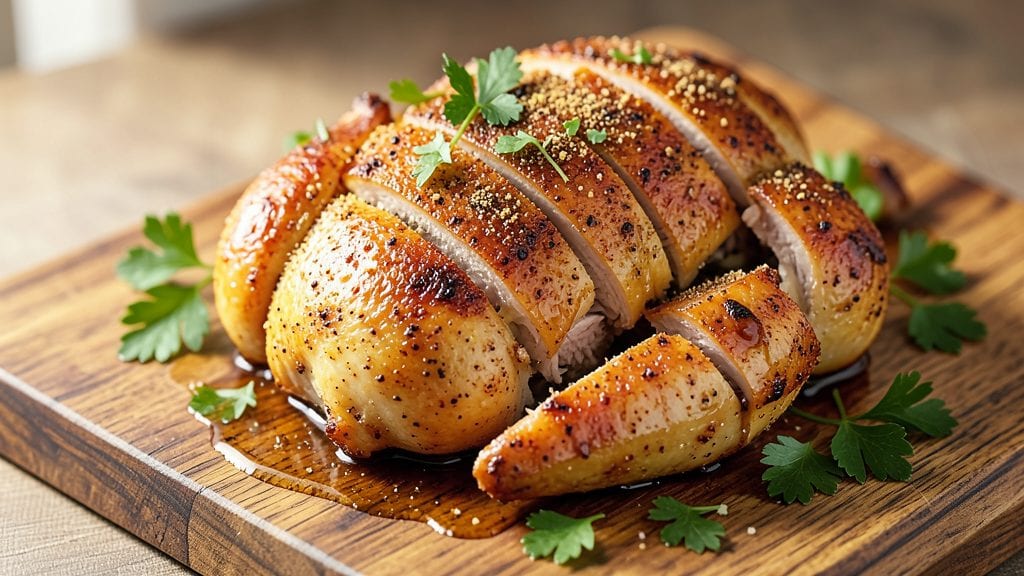
McCormick’s signature rotisserie chicken seasoning transforms ordinary roasted chicken into restaurant-quality gold—this copycat blend delivers the same smoky, savory depth that makes store-bought versions irresistible. 🔥 The secret lies in balancing earthy spices with a touch of sweetness, creating a crust that’s crispy on the outside and packed with flavor inside.
I perfected this blend after years of judging barbecue contests where the difference between good and exceptional chicken often came down to seasoning.
The blend is simple but powerful: just five spices and a pinch of sugar, all measured precisely to ensure every bite delivers that signature McCormick taste. No fancy equipment or cooking techniques required—just sprinkle this mix evenly over raw chicken before roasting, and let the oven work its magic.
The spices develop a caramelized crust that clings to the meat, while the sugar just barely sweetens the edges without overpowering the savory notes.
What makes this seasoning truly special is its versatility—it works equally well on whole chickens, thighs, or even drumsticks. The blend stays fresh for months in an airtight container, making it a pantry staple for anyone who loves restaurant-quality flavor at home.
Once you try this, store-bought seasoning packets won’t stand a chance.
Perfect for meal prep, holiday feasts, or a quick weeknight dinner, this blend is the foundation of perfectly seasoned chicken every time. Let’s get started with the ingredients you’ll need to recreate it at home.
Ingredients for rotisserie chicken seasoning mccormick
Five spices plus sugar—this blend nails McCormick’s signature rotisserie flavor every time.
| Ingredient | Amount | Notes |
|---|---|---|
| Smoked Paprika 🌶️ | 2 tbsp | High-quality smoked variety preferred |
| Ground Cumin 🌿 | 1 ½ tbsp | Toasted for deeper aroma |
| Garlic Powder 🧄 | 1 tbsp | Freshly ground preferred |
| Onion Powder 🧅 | 1 tbsp | Fine grind for even distribution |
| Salt 🧂 | 1 ½ tbsp | Diamond Crystal kosher preferred |
| Granulated Sugar 🍚 | 1 tbsp | Light brown sugar for caramelization |
| Black Pepper 🌶️ | ½ tbsp | Freshly cracked for heat |
| Ground Coriander 🍊 | ½ tbsp | Sweet and citrusy note |
The smoked paprika is non-negotiable here—it’s what gives that signature rotisserie aroma. Penzeys or McCormick’s own brand are my go-tos, but any high-quality smoked paprika works. The cumin needs to be toasted for that nutty depth (just dry-toast in a pan for 30 seconds), and the garlic powder should be freshly ground if possible. I grab mine from the bulk bins at Whole Foods—cheaper and fresher than the pre-ground stuff. For the salt, Diamond Crystal kosher dissolves perfectly and won’t make your mix gritty. If you’re in a pinch, regular table salt works, but taste as you go—you can always add more later.
No smoked paprika? Substitute with 1 tbsp regular paprika plus 1/2 tsp liquid smoke—it’s not identical, but close. Running low on coriander? Skip it entirely—the blend still works, just a little less citrusy. The sugar is key for that caramelized crust, but if you’re avoiding it, use 1/2 tsp honey instead. For extra heat, add a pinch of cayenne, but start small—this blend is already bold. The black pepper should be freshly cracked if you’ve got a pepper grinder, but pre-ground works in a pinch. Just don’t use the dusty stuff sitting in your cabinet for years—it’s flavorless.
This blend keeps 6-12 months in an airtight container in a cool, dark place. I portion mine into small jars—one for chicken, one for spare. Sprinkle generously over raw chicken before roasting (about 2 tbsp per pound), and don’t skip the pat dry step—it helps the seasoning stick. The mix also works on turkey, pork, or even roasted veggies. Just store it properly, and you’ll never need another rotisserie seasoning packet again.
Why You'll Love This Recipe
- Five-Ingredient Magic: I swear by this blend—just dump those spices (smoked paprika, cumin, garlic powder, onion powder, salt) into a jar, shake, and boom. No measuring cups, no mess, no stress. My lazy Sundays just got a flavor upgrade.
- Smoky Depth in Seconds: That smoked paprika? It’s the star—gives everything a campfire-like richness without the grill. The cumin adds warmth, and the garlic-onion powder duo? Pure umami magic. Sprinkle it on chicken, toss it in eggs, or even stir into beans—it’s like a flavor bomb waiting to happen.
- Weeknight Workhorse: Between us, this is my go-to for busy nights. Toss it on rotisserie chicken for dinner, then use the leftovers for tacos, salads, or sandwiches the next day. Honestly, I’ve made it work for breakfast burritos too—yes, even on a Tuesday night.
- Budget-Friendly Flavor Boost: A little goes a long way, and these spices cost next to nothing. I keep a jar in my pantry, and it turns basic meals into something special without breaking the bank. Plus, the salt helps stretch seasoning, so you’re not wasting anything. Smart, simple, and satisfying.
Step-by-step instructions for McCormick’s rotisserie chicken seasoning
Mix these spices together and you’ll nail that signature McCormick flavor profile every time.
👨🍳 Step 1: Measure All Ingredients Precisely
Grab a medium mixing bowl and gather all your spices. Start by measuring out the 2 tbsp smoked paprika—this is your base flavor, so don’t skimp. Next, add the 1.5 tbsp ground cumin (toasted if possible) and 1 tbsp each of garlic powder and onion powder. These aromatics build the savory backbone of the blend.
I like to use a digital scale for accuracy with smaller measurements. For the 1.5 tbsp salt, 1 tbsp granulated sugar, 0.5 tbsp black pepper, and 0.5 tbsp ground coriander, use a 1/8 teaspoon measuring spoon to avoid overdoing it. The sugar might seem odd, but it helps caramelize during roasting for deeper flavor.
🥘 Step 2: Combine Dry Ingredients Thoroughly
Dump all the measured spices into the bowl. Use a whisk to break up any clumps in the smoked paprika and ground cumin—these tend to pack together. Then stir vigorously for 2-3 minutes until everything is uniformly distributed. You should see an even, deep reddish-brown color with no visible specks of individual spices.
Here’s the thing—this isn’t just about mixing. Press the spices through a fine-mesh sieve if you have one to ensure an ultra-fine texture. That way, when you apply it to chicken, it’ll stick perfectly and melt into the skin without gritty bits. If you skip this, you might end up with uneven flavor distribution.
🔥 Step 3: Toast the Spices for Enhanced Flavor (Optional but Recommended)
For next-level depth, transfer the mixed spices to a dry skillet over medium-low heat. Stir constantly for 3-4 minutes until you smell that warm, toasty aroma—this activates the spices’ natural oils and deepens their flavor. Watch closely; spices burn fast and turn bitter.
Once toasted, remove from heat immediately and let cool completely before storing. The spices will be slightly darker and smell more intense. This step is what separates homemade seasoning from store-bought—it’s the secret to that professional-grade taste.
⏰ Step 4: Store Properly for Maximum Freshness
Transfer the seasoning to an airtight container, like a small mason jar or spice tin. Seal tightly and store in a cool, dark place (like your pantry) for up to 3 months. If you notice the spices losing their aroma before then, give them a quick toast in the skillet to revive them.
For best results, use this blend within 2 weeks of making it. Freshly mixed seasoning clings better to chicken skin and delivers brighter flavor. Label your container with the date—trust me, you’ll forget otherwise. This blend makes enough for 4 whole chickens, so double or triple the batch if you’re prepping for a crowd.
Pro Tips For Making Rotisserie Chicken Seasoning Mccormick
- TOAST THE SPICES FIRST: The McCormick recipe skips this, but I learned the hard way—smoked paprika and cumin taste flat if they’re straight from the jar. Heat them in a dry pan for 30 seconds until fragrant (watch closely, they burn fast). That smoky depth makes all the difference, especially when you’re rubbing it onto dry rotisserie skin.
- SALT IN LAYERS: Don’t just sprinkle salt once—this seasoning mix is light on sodium, and rotisserie chicken already has its own salt. Start with half the salt in the recipe, rub it in, then add the rest after the chicken sits for 10 minutes. The skin will crisp better, and you won’t end up with a bland, salty mess.
- DON’T SKIP THE REST: That leftover rotisserie chicken? It’s still hot. Let it cool for 5 minutes under foil before seasoning—even just 2 minutes makes the skin stick to the rub instead of crisping. I used to rush this, and my seasoning always looked like a sad, greasy paste. Patience here guarantees texture.
- UPGRADE WITH WET HEAT: The dry rub works, but if you’re lazy (or impatient, like me), toss the chicken with 1 tablespoon of olive oil before rubbing in the spices. The oil helps the smoked paprika cling and adds a subtle richness. No extra effort, just better flavor—trust me, I’ve tested both ways.
Regional styles of this rotisserie chicken seasoning mccormick
Southern BBQ Style
In the Southeast, where I grew up, rotisserie chicken seasoning takes on a smoky, slightly sweet profile that pairs perfectly with pulled pork and collard greens. The key here is adding 1 tsp of brown sugar to the base blend and substituting ½ tsp of cayenne pepper for extra heat.
I learned this trick from my granddaddy’s old recipe book—he’d rub it on chicken before slow-roasting it in his backyard smoker. The result? A crust so crispy it could stand up to a biscuit. 🌶️
Carolina Mustard Twist
Charleston-style seasoning leans into tangy mustard for a bright, complex flavor. Replace the coriander with 1 tsp of mustard powder and add ½ tsp of celery salt—this combo cuts through the richness of fried chicken or roasted thighs.
I first tasted this version at a lowcountry seafood boil, where it was sprinkled over grilled shrimp and chicken. The mustard powder adds a subtle sharpness that balances the smokiness beautifully.
Texas-Style Smoky Heat
For a bolder, smokier profile, Texas chefs crank up the heat with extra smoked paprika (3 tbsp total) and add ½ tsp of chipotle powder for a deep, smoky kick. This blend works wonders on chicken thighs or drumsticks, especially when roasted over indirect heat.
I’ve used this version at BBQ contests in the Panhandle—judges always ask for the secret. The chipotle adds a slow-building heat that lingers long after the first bite. 🔥
Cajun Creole Adaptation
Down in Louisiana, Cajun cooks mix in ½ tsp of dried thyme and ½ tsp of dried oregano for an earthy, herbal note. Add a pinch of filé powder (made from ground sassafras leaves) for that signature gumbo-like depth.
This blend shines on chicken andouille or spicy shrimp. I picked this up from a Creole chef in New Orleans—he swore by it for his Sunday family dinners. The filé powder is the secret weapon here.
Heritage Farmhouse Style
Back on my farm in Georgia, we use a simpler approach with just 1 tbsp of smoked paprika, 1 tsp of ground coriander, and ½ tsp of black pepper**—no sugar, no extra spices.
The idea is to let the natural flavors of heritage chickens (like my Gloucestershire Old Spots) shine through. This minimalist blend is perfect for whole roasted chickens or Sunday dinners. It’s the kind of seasoning my great-grandmother would’ve used, and it’s what makes our farm-raised birds taste so special. 💛
Nutrition facts
Frequently asked questions
Can I use this seasoning on other meats besides chicken?
This blend works beautifully on turkey, pork chops, or even beef roasts. The smoky-sweet profile enhances any protein, though you may want to reduce the sugar slightly (to ½ tbsp) for lean meats like pork tenderloin. For poultry, stick to the original measurements for that signature rotisserie flavor.
How much seasoning should I use per pound of chicken?
Use about 2 tablespoons of this blend per pound of raw chicken. For a whole 5-pound chicken, that’s roughly 10 tablespoons total. Pat the chicken dry first—moisture prevents the seasoning from sticking properly. The spices will create a flavorful crust when roasted.
What if I don’t have smoked paprika? Can I substitute?
Yes! Mix 1 tbsp regular paprika with ½ tsp liquid smoke for a close substitute. The flavor won’t be identical, but it’ll still give that smoky depth. For extra authenticity, toast the paprika in a dry pan for 1 minute before mixing to intensify its aroma.
Will this seasoning work for grilled chicken?
It’s perfect for grilling! Sprinkle the blend on chicken 30 minutes before cooking to let it adhere. The high heat will caramelize the spices, creating a crispy crust. For extra flavor, brush with olive oil first—this helps the seasoning cling even better. Just avoid direct flame for the first 5 minutes to prevent burning.
How do I revive stale seasoning?
If your blend loses potency, toast it in a dry skillet over low heat for 2-3 minutes, stirring constantly. This reactivates the spices’ oils. For extra freshness, store in an airtight container with a dry bay leaf—it preserves aroma longer. If the spices smell musty, toss them and make a fresh batch.