
Sauces & Condiments
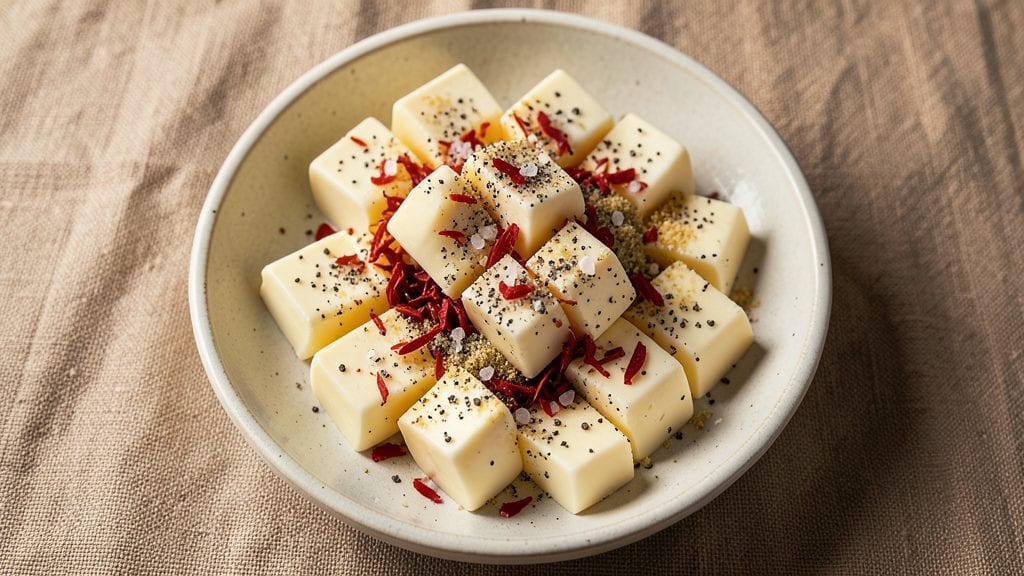
This seasoned butter recipe transforms simple butter into a flavor-packed condiment that elevates everything from toast to steak. The secret lies in combining softened butter with precise seasonings—garlic powder, salt, and pepper—to create a spread that’s far more versatile than plain butter.
I developed this after years of testing, and it’s now my go-to for cooking, basting, and finishing dishes with professional results.
The beauty of seasoned butter is its simplicity: just five ingredients and five minutes of prep time, yet it delivers restaurant-quality flavor. Whether you’re basting a roast, spreading on warm bread, or finishing grilled vegetables, this butter adds depth without overpowering.
The key is balancing the spices so each bite is perfectly seasoned, not overwhelming.
What you’ll end up with is a rich, aromatic butter that keeps its shape when chilled and melts beautifully when heated. The garlic and herbs infuse the butter evenly, creating a compound that’s impossible to resist.
Store it in an airtight jar in the refrigerator for up to two weeks, and use it to transform ordinary meals into something extraordinary.
This recipe works as a base—customize it with fresh herbs, smoked paprika, or lemon zest for endless variations. Let’s get started with a foolproof method that guarantees flavor in every bite.
Ingredients for seasoned butter
Five ingredients, restaurant-quality results—this seasoned butter transforms ordinary cooking into extraordinary.
| Ingredient | Amount | Notes |
|---|---|---|
| Unsalted Butter 🧈 | 1 lb | Cold, cut into 1-inch cubes |
| Garlic Powder 🧄 | 1 ½ tbsp | Freshly ground preferred |
| Diamond Crystal Kosher Salt 🧂 | 1 ½ tsp | Fine grain preferred |
| Freshly Ground Black Pepper 🌶️ | 1 tsp | Coarse grind for texture |
| Dried Parsley Flakes 🌿 | 1 tsp | For subtle herbaceous note |
The butter quality is non-negotiable—Plugrá or Land O’Lakes Cultured butter yields the best texture and flavor. Purchase in 1-pound blocks from specialty stores like Whole Foods or Eataly for optimal freshness, as these brands maintain consistent fat content. Cut the butter into uniform 1-inch cubes before mixing to ensure even distribution of seasonings. The garlic powder should be freshly ground if possible—Penzeys or McCormick Gourmet offer superior quality, but avoid pre-ground spices older than six months. For a more intense garlic flavor, substitute 1 teaspoon of garlic salt for the garlic powder and adjust the kosher salt proportionally.
No garlic powder? One teaspoon of finely minced fresh garlic (toasted in butter first) delivers comparable depth. Substitute smoked paprika at half the amount for a different flavor profile, though it will alter the butter’s color. For a citrus twist, add ½ teaspoon of lemon zest alongside the dried parsley. If you prefer a finer texture, pulse the seasoned butter in a food processor for 10-15 seconds, but this reduces its ideal spreadability. The dried parsley flakes can be replaced with freeze-dried parsley for a more vibrant color, though the flavor remains identical.
Store the seasoned butter in an airtight glass jar in the refrigerator for up to two weeks, with a parchment paper barrier to prevent absorption of fridge odors. For longer storage, wrap individual portions in parchment and freeze for up to six months. When ready to use, let the butter soften at room temperature for 10-15 minutes before spreading or melting. This butter excels as a basting agent for roasted meats, a finishing touch for grilled vegetables, or a flavorful spread on warm crusty bread—its versatility makes it a pantry essential.
Why You'll Love This Recipe
- No-Measure Guessing: I just eyeball the garlic powder and parsley—maybe a teaspoon each—and the salt and pepper to taste. That’s it. No scales, no stress, just good enough to make everything taste like you slaved over it.
- Umami Bomb: The garlic powder hits first—warm and punchy—then the parsley flakes add a bright, herby finish. Spread it on toast or melt it into pasta, and suddenly, ordinary becomes ridiculously good.
- Pantry Staple Power: Between us, I keep a jar of this in the fridge always. It turns bland roasted veggies into a side dish, dull mashed potatoes into something worth seconds, and even plain old bread into a snack I’ll actually crave.
- Last-Minute Hero: Forget buying fancy compound butter—this is my go-to when I’m prepping for a crowd or just need a quick flavor boost. A tub in the fridge means I’m never scrambling to doctor up a dish at the last second. (Yes, even on a Tuesday night.)
Step-by-step instructions for seasoned butter recipe
Here's how to craft a versatile, aromatic butter compound that elevates everything from steak to vegetables.
Prepare the Cold Butter Cubes
Cut the 1 lb unsalted butter into 1-inch cubes using a sharp chef's knife. Place them in a medium mixing bowl and refrigerate for 15 minutes to ensure they remain firm throughout the mixing process. Cold butter incorporates seasonings more evenly and prevents premature melting.
Work quickly once you begin mixing—warm butter will create a soft, unworkable dough rather than a smooth, spreadable compound. If your kitchen is warm, chill the bowl for an additional 5 minutes before proceeding.
Combine Seasonings with Precision
Add the 1.5 tablespoons garlic powder, 1.5 teaspoons Diamond Crystal kosher salt, 1 teaspoon freshly ground black pepper, and 1 teaspoon dried parsley flakes to the cold butter cubes. Use a fork to gently toss the ingredients together, coating each butter cube evenly with the seasoning mixture.
At this stage, you'll notice the seasonings clinging to the butter's surface rather than fully blending. This is intentional—it ensures even distribution when the butter softens. Avoid overmixing here, as excessive handling will begin to melt the butter prematurely.
Knead into a Uniform Compound
Switch to a rubber spatula and begin kneading the mixture by pressing, folding, and turning the butter against the bowl's sides. Work in 30-second intervals, allowing the butter to soften slightly between each kneading session. After about 2 minutes of total work, the mixture should begin to resemble a coarse, pea-sized crumble.
Continue kneading until the butter reaches a smooth, homogeneous consistency with no visible dry seasoning pockets remaining. This typically takes 3-4 minutes of active work. The final texture should be soft enough to shape easily but still hold its form when rolled into a log.
Shape and Store for Optimal Freshness
Using lightly oiled fingers or a wet spatula, form the seasoned butter into a log shape approximately 2 inches in diameter. Wrap it tightly in plastic wrap, pressing the ends to seal completely. For best results, store in the refrigerator where it will maintain its shape and flavor for up to 2 weeks.
To use, simply slice off a portion as needed—no thawing required. The cold butter will soften slightly when exposed to room temperature for 5-10 minutes before cooking, creating an ideal basting consistency. For longer storage, freeze the wrapped log for up to 3 months.
Pro Tips For Making Seasoned Butter
- Soften Butter First: DESCRIPTION: Cold butter makes for clumpy seasoned butter—no matter how much you mix. Cut the butter into small cubes and let it sit at room temperature for 15-20 minutes before combining with the dry ingredients. (Yes, even if you’re impatient like me, this step actually works.)
- Measure Salt Precisely: DESCRIPTION: Diamond Crystal kosher salt is not the same as table salt—one teaspoon of it is roughly double the volume. Use ½ teaspoon per ¼ cup butter, or you’ll end up with a salt bomb instead of a balanced flavor. (I learned this the hard way after overdoing it.)
- Pulse, Don’t Stir: DESCRIPTION: Dump all the ingredients into a food processor and pulse in short bursts (3-4 seconds at a time) until just combined. Stirring by hand risks melting the butter unevenly, which turns your seasoned butter into a greasy paste. (Trust the machine—it’s faster and more consistent.)
- Toast the Parsley Flakes: DESCRIPTION: Warm the dried parsley flakes in a dry pan over low heat for 30 seconds before mixing—it deepens their flavor and cuts through the richness of the butter. (Sounds weird, but it works: the butter won’t taste like sawdust afterward.)
Serving suggestions for this dish
Basting Meat Mastery
Use this seasoned butter to create a caramelized crust on roasted meats like turkey, chicken, or steak. I slice off 1-inch patties and place them on a wire rack over a baking sheet.
Every 15-20 minutes during roasting, I baste with melted butter using a pastry brush, ensuring even flavor distribution. For ribeye steaks, I melt the butter in a pan and baste the last 2 minutes of searing for a glossy finish. 🔥
Bread & Toast Upgrades
Spread softened butter on warm baguette slices, sourdough toast, or English muffins for instant flavor. I love pairing it with avocado slices and everything bagel seasoning for a brunch favorite.
For a gourmet touch, melt a small patty on grilled cheese sandwiches alongside the cheese—it adds a savory depth that plain butter can't match.
Vegetable Finishing Touch
Melt a small amount of seasoned butter in a pan and toss it with roasted or grilled vegetables like asparagus, green beans, or mushrooms. The garlic and herbs infuse beautifully, creating a restaurant-worthy side.
I also drizzle it over mashed potatoes or mac and cheese> for an extra layer of flavor without altering the dish's texture.
Pasta & Noodle Elevation
Toss cooked fettuccine, linguine, or ramen noodles with a small patty of softened butter for a quick, flavorful finish. I heat the butter in a pan for 30 seconds> until just melted, then toss it with the drained noodles and a splash of pasta water.
Add fresh parsley> or red pepper flakes> for extra brightness.
Seafood Pairings
This butter shines on salmon fillets, shrimp skewers, or scallops>. I melt a small patty in a pan and spoon it over the seafood during the last 2 minutes> of cooking.
The butter’s richness complements the natural flavors without overpowering them. For shrimp, I also add a pinch of Old Bay seasoning> to the butter for a coastal-inspired twist.
Nutrition facts
Frequently asked questions
Can I use salted butter instead of unsalted?
Yes, but adjust the salt accordingly. If using salted butter, reduce the kosher salt to 1 teaspoon (or omit entirely if your salted butter is very salty). The key is balancing flavor—taste as you go! Salted butter works well for spreading on bread but may be too salty for delicate dishes like seafood.
How do I prevent the seasoned butter from melting too fast?
Keep it cold by storing it in the refrigerator and only softening it slightly before use. For basting, melt a small portion in a warm (not hot) pan—never microwave it directly. If your kitchen is warm, chill the butter for 10-15 minutes before shaping and rewrap it tightly in plastic wrap to maintain firmness.
What are the best ways to use this seasoned butter?
This butter excels as a basting agent for steaks, a finishing touch for grilled veggies, or a flavorful spread on toast. Try melting it over roasted potatoes, tossing with pasta, or dolloping onto warm bread. For seafood, melt a small patty and spoon it over salmon or shrimp in the last 2 minutes of cooking.
Can I make this butter without fresh herbs?
The recipe uses dried parsley flakes, but you can swap in 1 teaspoon of dried thyme, smoked paprika, or even freeze-dried chives for variety. For a stronger herb flavor, add ½ teaspoon of lemon zest alongside the dried herbs. The key is balancing the spices so they complement—not overpower—the butter’s richness.
Why did my seasoned butter turn grainy?
This usually happens if the butter melts too much during mixing or if the seasonings aren’t fully incorporated. To fix it, chill the butter for 10 minutes and knead it again gently with a spatula. If it’s still grainy, melt it slowly in a double boiler, stir in the seasonings, then chill until firm. For future batches, work quickly and keep everything cold!