
Sauces & Condiments
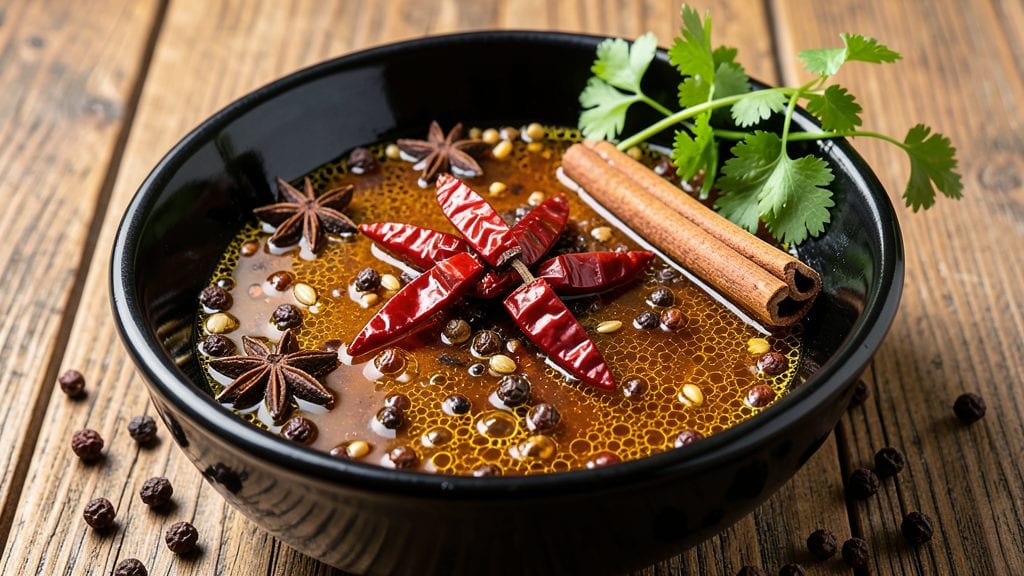
This Sichuan chili oil recipe delivers the bold, fiery essence of Sichuan cuisine in just 15 minutes of hands-on time. The magic lies in balancing dried chilies, garlic, and Sichuan peppercorns—each ingredient contributing its unique heat and depth.
I developed this version after years of experimenting with store-bought oils that never quite captured the restaurant-quality complexity I craved.
The process is straightforward but precise: toast the spices to awaken their aromas before infusing them in neutral oil over low heat. This method ensures rich, layered flavors without burning the delicate Sichuan peppercorns, which provide that signature numbing tingles alongside the heat.
The result is a versatile condiment that transforms simple dishes into restaurant-worthy meals.
What you'll end up with is a deep red, aromatic oil that's perfect for drizzling over noodles, dumplings, or grilled meats. It keeps well in the fridge for up to three months, making it an essential pantry staple.
Whether you prefer a fiery kick or a milder version, this recipe adapts to your taste while delivering that unmistakable Sichuan flavor profile.
Pair it with steamed buns for dipping, stir it into hot pot broth, or use it as a finishing touch for roasted vegetables. The possibilities are endless, and the process couldn't be simpler. Let's get started on creating your own batch of this indispensable condiment.
Ingredients for sichuan oil
Nine key ingredients transform simple oil into Sichuan magic—deep, fiery, and unmistakably bold.
| Ingredient | Amount | Notes |
|---|---|---|
| Dried Sichuan Chilies 🌶️ | ½ cup | Whole, seeds removed for milder heat |
| Sichuan Peppercorns 🌶️ | 2 tbsp | Whole, for signature numbing tingles |
| Garlic Cloves 🧄 | 6 whole | Peeled, smashed for deeper flavor |
| Star Anise Pods 🌟 | 2 whole | For aromatic depth |
| Cinnamon Sticks 🌿 | 1 whole | Adds subtle warmth |
| Fennel Seeds 🌿 | 1 tsp | Lightly toasted for complexity |
| Neutral Oil (Vegetable or Canola) 🫒 | 1 cup | High smoke point preferred |
| Rock Salt 🧂 | ½ tsp | For balancing heat |
| Dark Soy Sauce 🍶 | 1 tbsp | For umami richness |
| Sesame Oil 🫒 | 1 tbsp | Finishing touch for aroma |
The Sichuan chilies and peppercorns are non-negotiable for that signature flavor. Whole Foods or Asian markets carry the best dried varieties—look for vibrant red chilies and plump peppercorns. If you can only find pre-chopped, reduce the amount by half to avoid overwhelming heat. Star anise and cinnamon add aromatic depth, but don't skip them—they're what elevates this from basic chili oil to Sichuan perfection. Toast all your spices in a dry pan for 2 minutes before adding oil; this wakes up their flavors and prevents bitterness. Penzeys or bulk bins are great for spices, but even grocery store brands work if they're fresh.
No Sichuan peppercorns? Substitute with a pinch of black pepper plus a dash of cayenne, but you'll miss the signature numbing sensation. Running low on star anise? One clove of garlic plus a pinch of cinnamon gets you close. The dark soy sauce is essential for umami—don't use light soy, it won't have enough depth. For a milder version, reduce the chilies by half and add an extra tablespoon of sesame oil at the end. The oil should be neutral-tasting (like vegetable or canola)—avoid olive oil as it burns easily during toasting. If you're feeling adventurous, add a pinch of white pepper for complexity, but it's optional.
This oil keeps beautifully—store in a clean, airtight jar in the fridge for up to 3 monthsdrizzling over noodles, hot pot broths, or grilled meats. If you're feeling fancy, blend a little into mayo for Sichuan-style dipping sauce. The sesame oil addition at the end? Do it last—it burns easily and adds that final aromatic punch.
Why You'll Love This Recipe
- Five-Minute Infusion: I swear by this—just toss the whole spices into hot oil, let them sizzle for three minutes, and boom, you’ve got that smoky, numbing, garlicky magic. No chopping, no straining, no fuss. Honestly, the hardest part is waiting for the oil to heat up.
- Numbingly Addictive: Between us, the Sichuan peppercorns are the real MVP here. That initial tingle on your lips? It’s like a flavor explosion you can’t stop thinking about. The star anise and cinnamon add this warm, earthy backbone that makes it way more than just heat—it’s complex.
- Pantry Powerhouse: I keep a jar of this in my fridge at all times because it turns everything into a showstopper. Drizzle it over noodles, stir it into stir-fries, or even toss it with roasted veggies. (Yes, even on a Tuesday night.) The best part? It’s cheaper than takeout and lasts for weeks.
- Leftovers That Work Harder: Make a big batch—it’s cheap as chips—and use it all month. A splash in soup, a glug in marinades, or even dumped straight into scrambled eggs (trust me, it’s chef’s kiss). The oil keeps well, so you’re not wasting a thing, and your wallet stays happy.
Step-by-step instructions for Sichuan chili oil
Here's how to make this bold, aromatic oil that brings restaurant-quality heat to any dish.
Toast the Whole Spices and Aromatics
In a dry skillet over medium heat, add the 0.5 cup dried Sichuan chilies, 2 tablespoons Sichuan peppercorns, 6 whole garlic cloves, 2 whole star anise pods, 1 whole cinnamon stick, and 1 teaspoon fennel seeds. Stir constantly for 3-4 minutes until the chilies darken slightly and you can smell their deep, earthy aroma.
Watch closely—the spices should sizzle and turn a rich mahogany color, but not burn. If they start to smoke excessively, reduce the heat immediately. Toasting brings out their natural oils and flavors, which will infuse beautifully into the oil. Let them cool for 2 minutes before proceeding.
Infuse the Oil with Flavor
Transfer the toasted spices to a clean, heavy-bottomed saucepan. Add the 1 cup neutral oil and place over low heat. Keep the temperature low—you want a gentle simmer, not a boil. Let the mixture infuse for 15-20 minutes, stirring occasionally, until the oil takes on a deep red hue and the spices release their vibrant flavors.
I like to use a wooden spoon for stirring because it helps distribute the heat evenly and prevents the spices from sticking. If the oil starts to bubble vigorously, reduce the heat immediately. The goal is to create a rich, aromatic base without burning the spices.
Add the Dark Soy Sauce and Salt
Once the oil has infused and taken on a deep red color, remove the pan from heat. Add the 1 tablespoon dark soy sauce and 0.5 teaspoon rock salt, stirring well to combine. The soy sauce will deepen the color and add a savory umami note that balances the heat. Let the mixture cool for 5 minutes to allow the flavors to meld.
Here's the thing—don't rush this step. The soy sauce needs time to integrate fully with the oil, and the salt will help balance the heat as it cools. If you're impatient, you might end up with a dish that's too salty or unevenly flavored.
Strain and Finish with Sesame Oil
Line a fine-mesh strainer with a clean cheesecloth or coffee filter, then carefully pour the infused oil through it into a clean bowl or jar. This step is crucial—you want to remove all the spices to avoid any bitterness or texture issues in your dishes. Press gently on the spices to extract every last drop of flavorful oil.
Once strained, return the oil to the saucepan and add the 1 tablespoon sesame oil. Heat the oil over low heat for 1-2 minutes to blend the flavors. The sesame oil adds a nutty aroma that complements the Sichuan flavors beautifully. Let the oil cool completely before storing.
Store Properly for Maximum Flavor
Transfer the finished Sichuan chili oil to a clean, airtight jar or bottle. Store it in a cool, dark place for up to 2 weeks, or refrigerate for up to 3 months to extend its shelf life. The oil will develop even more depth of flavor over time, but it's best used within a few weeks for the freshest taste.
This oil is incredibly versatile—use it as a finishing touch for noodles, stir-fries, or even drizzle it over grilled meats. Start with a small amount and adjust to taste, as the heat can vary depending on how long you infused the oil. Enjoy the bold, complex flavors you've created!
Pro Tips For Making Sichuan Oil
- CRACK PEPPERCORNS FIRST: I learned this the hard way—whole Sichuan peppercorns will just sit there, looking pretty, while your oil smells like nothing. Lightly toast them in a dry pan until they sizzle, then crush them with the flat side of your knife or a mortar. That’s when the numbing, citrusy magic happens.
- LOW AND SLOW WITH STAR ANISE: Star anise burns faster than you’d think. Start it on medium-low heat, then drop the flame to the lowest setting once it’s fragrant. If you rush it, you’ll end up with bitter oil instead of that warm, licorice-like depth. Trust me, your patience pays off.
- SKIP THE GARLIC BURN: Garlic turns bitter and acrid when it browns—especially in hot oil. Add it after the spices have toasted and just before the oil hits 160°F (70°C). Stir constantly and pull it out the second it turns golden, not crispy. Your nose will thank you.
- STRAIN TWICE FOR CLEAR OIL: One strain through a fine-mesh sieve leaves behind dust. Do it twice: first with a sieve, then pour the oil through a folded cheesecloth or coffee filter into a clean jar. It’s extra work, but the result is silky, sediment-free oil that keeps its flavor for weeks. (Yes, even if you’re impatient like me.)
Common mistakes when making this dish
Overtoasting Spices
I’ve burned more than my share of Sichuan peppercorns and chilies by letting them toast too long. The moment they start smoking or turn black, you’ve crossed the line—this creates bitter, ashy flavors that ruin the delicate balance.
Keep a close eye on them, and remove from heat as soon as they’re fragrant and just beginning to darken. A quick sniff test works best: if it smells like charred wood instead of warm spices, start over. 🌶️
Skipping the Low Heat
One of the biggest mistakes is rushing the oil infusion by cranking up the heat. High heat burns the spices and turns the oil smoky or bitter. Always maintain a gentle simmer—you should see tiny bubbles forming but not vigorous boiling.
If your oil starts bubbling hard, immediately reduce the heat or remove it from the stove. Patience here is key to that restaurant-quality depth.
Using Low-Quality Oil
Some cooks grab whatever oil is handy, but this is a recipe where quality matters. Use a neutral oil with a high smoke point like vegetable or canola oil—avoid olive oil or sesame oil for the initial infusion.
These oils burn easily and can make your chili oil taste off. Save the sesame oil for the final step where it adds aroma without risking burning. I’ve tried this with cheap store brands, and the flavor just doesn’t compare to Mazola or Crisco for this purpose.
Not Straining Thoroughly
Leaving even tiny spice particles in your oil can make it gritty and bitter. I’ve seen home cooks pour through a regular strainer and still find peppercorns in the final product.
Use a fine-mesh strainer lined with cheesecloth or a coffee filter—press the spices gently with a spoon to extract every last drop. If you’re lazy about this step, your oil will taste uneven and harsh.
Adding Soy Sauce Too Early
The dark soy sauce needs time to integrate fully into the oil. Adding it while the oil is still hot causes the flavors to separate, leading to a dish that tastes salty or uneven. Always let the oil cool for 5 minutes after infusion before stirring in the soy sauce.
This ensures the umami and color meld smoothly. I’ve made this mistake and ended up with a sauce that tasted like two separate components instead of one cohesive flavor.
Ignoring the Sesame Oil Step
Some recipes skip the final sesame oil addition, but this is where the magic happens. The sesame oil adds that nutty aroma that elevates the dish from "good" to "restaurant-quality." If you omit it, you’ll miss out on that signature Sichuan finish.
Heat the sesame oil gently for just 1-2 minutes—don’t let it burn, or it’ll turn bitter. Trust me, this step makes all the difference. 💫
Nutrition facts
Frequently asked questions
Why does my homemade Sichuan chili oil taste bitter?
Bitterness usually comes from over-toasting the spices or burning the oil during infusion. Keep your eye on the spices—they should just darken slightly (about 3-4 minutes) and smell fragrant, not charred. Also, maintain low heat during the oil infusion to prevent burning. If it's already bitter, strain out the spices and start fresh with a new batch.
Can I make this oil without Sichuan peppercorns?
Yes! While Sichuan peppercorns give that signature numbing sensation, you can substitute with 1 teaspoon black pepper plus ¼ teaspoon cayenne for heat. For the best results, add a pinch of white pepper to mimic the complexity. The oil will still taste amazing—just missing that signature tingling effect.
How spicy should my Sichuan chili oil be?
That depends on your tolerance! Start with 0.5 cup dried chilies for medium heat. For milder oil, reduce to ¼ cup and add 1 extra tablespoon sesame oil at the end. If you love heat, keep the full amount and add an extra ½ teaspoon red pepper flakes during infusion. Adjust to taste after straining.
Can I use this oil in cold dishes?
This oil is perfect for cold noodles, summer rolls, or as a dipping sauce. The flavors actually shine in cold dishes because the heat isn't masked by warmth. Just store it in the fridge after opening—it keeps for 3 months and works beautifully straight from the jar.
What’s the best way to use up leftover oil?
Drizzle it over steamed dumplings, grilled meats, or roasted vegetables for instant flavor. Mix a spoonful into mayo for a spicy dipping sauce, or stir it into hot pot broth for depth. Even a teaspoon can transform simple dishes—just start small and adjust to taste!