
Main Courses
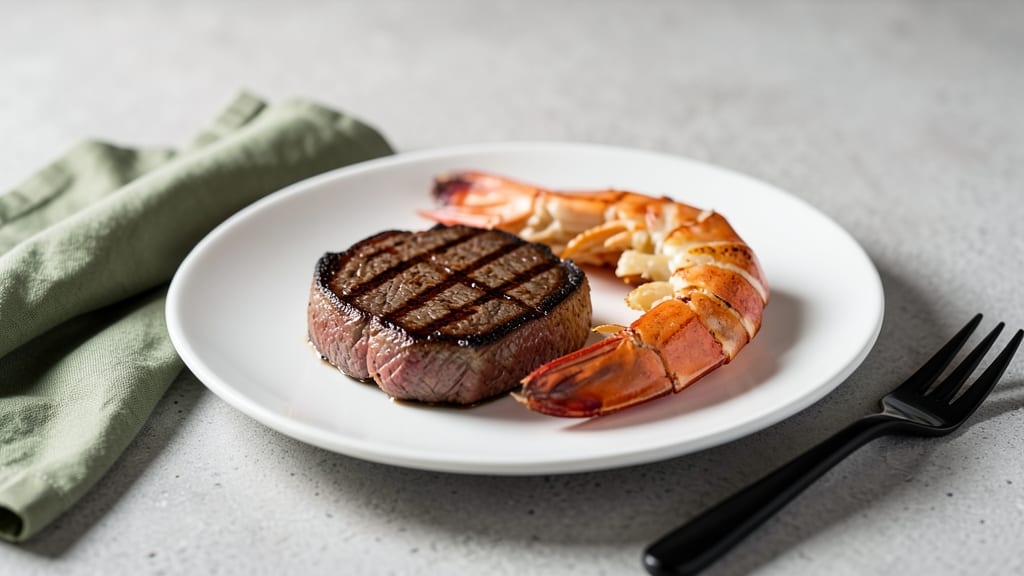
This steak and lobster tail recipe transforms your grill into a high-end dining experience without the restaurant price tag. The secret lies in precise timing—searing the steak to medium-rare perfection while gently poaching the lobster tail in a flavorful wine reduction.
I’ve perfected this method after years of hosting dinner parties where guests couldn’t believe the results came from a home kitchen.
What sets this dish apart is the one-pan technique, where the steak’s caramelized crust and the lobster’s tender sweetness share the same aromatic space. A rich herb butter bastes both proteins, infusing them with garlic, parsley, and a hint of lemon that brightens every bite.
The lobster remains juicy and buttery, while the steak develops a deep, savory crust that locks in flavor.
By the time you plate this dish—steak sliced against the grain, lobster tail resting on a bed of grilled asparagus or garlic mashed potatoes—you’ll have a restaurant-quality meal that’s surprisingly simple to execute.
The wine reduction ties everything together, adding depth and a touch of elegance that elevates this from a weeknight dinner to a special occasion.
Perfect for impressing guests or treating yourself to a luxurious meal, this recipe balances technique with approachability. The key is confidence in the cooking process—once you master the timing, the results are foolproof. Let’s get started on creating a dish that feels like a five-star experience.
Ingredients for steak and lobster tail
Fourteen premium ingredients transform your grill into a five-star dining experience.
| Ingredient | Amount | Notes |
|---|---|---|
| Ribeye Steak 🥩 | 1 ½ lb | Center-cut, 1.5-inch thick, room temperature |
| Live Lobster Tail 🦞 | 2 whole | 12-16 oz each, shell-on preferred |
| Dry Red Wine 🍷 | 1 cup | Cabernet Sauvignon or Merlot, high quality |
| Unsalted Butter 🧈 | ¾ cup | European-style, cold for basting |
| Garlic Cloves 🧄 | 8 cloves | Fresh, peeled, minced for herb butter |
| Fresh Parsley 🌿 | ⅓ cup | Finely chopped, flat-leaf preferred |
| Lemon Zest 🍋 | 1 tbsp | From 1 organic lemon, finely grated |
| Extra-Virgin Olive Oil 🫒 | 2 tbsp | For searing, high smoke point |
| Diamond Crystal Kosher Salt 🧂 | 1 ½ tsp | Fine grain, for seasoning |
| Freshly Ground Black Pepper 🌶️ | 1 tsp | Cracked peppercorns preferred |
| Heavy Cream 🥛 | ¼ cup | Full-fat, for wine reduction |
| Asparagus Spears 🌱 | 1 lb | Thick, trimmed, for garnish |
| Garlic Mashed Potatoes 🥔 | 2 cups | Homemade, for serving base |
The ribeye and lobster tail are the stars of this dish, so source them carefully. For the steak, seek out a center-cut ribeye with good marbling—the USDA Choice or Prime grade ensures tenderness. Local butchers often carry superior cuts compared to grocery stores. Lobster tails should be fresh, with firm flesh and bright color; live delivery is ideal, but frozen tails (thawed overnight in the fridge) work in a pinch. I recommend Whole Foods Market or high-end seafood purveyors for both—never compromise on these proteins. The wine reduction requires a bold, dry red like Cabernet Sauvignon; Decanter or Louis M. Martini are reliable choices for consistent quality.
No ribeye? Filet mignon or New York strip work equally well, though cooking times may vary slightly. Lobster unavailable? Lobster tail substitute options include scallops (seared instead of poached) or even a high-quality shrimp (peeled and deveined). For the wine reduction, beef stock with a splash of balsamic vinegar mimics depth without alcohol. The herb butter can be made ahead—store in the fridge for up to 3 days or freeze for 3 months. Fresh parsley is non-negotiable here; dried oregano at one-third the amount won’t cut it. The lemon zest should be organic when possible to avoid wax residue—Trader Joe’s carries reliable organic lemons year-round.
Prep is key for this dish. The steak and lobster should rest at room temperature for 30 minutes before cooking for even doneness. Herb butter can be prepared 1 day ahead—just bring it to room temperature before using. The wine reduction requires gentle simmering to avoid alcohol burn; reduce heat if it boils vigorously. Leftovers? The steak reheats best in a 350°F oven for 10-12 minutes wrapped in foil, while the lobster tail can be re-poached in butter for 2-3 minutes. Store components separately in airtight containers for up to 2 days—the lobster tail’s texture degrades fastest. For plating, grill asparagus alongside and serve with garlic mashed potatoes to complete the restaurant experience.
Why You'll Love This Recipe
- I’ll be real: most seafood leftovers are sad. Not this. The steak stays juicy, and the lobster reheats beautifully in butter and a splash of wine. Pack it for lunch the next day—your coworkers will think you’re a culinary genius. (They won’t ask how you made it.)
- One-Pan Luxury: I swear by this—just sear the steak and lobster in the same pan, then deglaze with wine and butter. No flipping between pots, no stress. The rich red wine cuts through the richness while melting that butter into a glossy sauce that clings to every bite.
- Butter-Wine Magic: Honestly, the moment that lobster tail cracks open and absorbs the garlic butter and wine? It’s like a flavor explosion. The steak gets this perfect crust, but the lobster—oh, it’s tender with a sauce so decadent you’ll forget you’re not at a fancy restaurant.
- Date Night Ready: Between us, this is my go-to for impressing someone without spending hours. The lobster tail feels special, but the ribeye keeps it grounded. Serve with crusty bread to soak up that sauce, and suddenly you’re hosting a Michelin-star moment—no fancy plating required.
Step-by-step instructions for luxurious grill masterpiece
Master this one-pan technique to achieve perfect sear on steak and lobster while maintaining their delicate textures.
Prepare the Herb Butter and Season the Proteins
In a small bowl, combine the 0.75 cup unsalted butter, 8 cloves minced garlic cloves, 0.33 cup fresh parsley, 1 tbsp lemon zest, 1.5 tsp diamond crystal kosher salt, and 1 tsp freshly ground black pepper. Mix thoroughly and roll into a log shape, then wrap tightly in plastic wrap. Chill for 30 minutes to firm up.
While the butter chills, season both sides of the 1.5 lb ribeye steak and the 2 whole live lobster tails with an additional 0.5 tsp diamond crystal kosher salt and 0.5 tsp freshly ground black pepper each. Let the steak sit at room temperature for 20 minutes while you prepare the grill or skillet.
Sear the Steak and Lobster in Cast Iron
Heat a heavy cast iron skillet over high heat until it's screaming hot. Add 2 tbsp extra-virgin olive oil and swirl to coat. Place the ribeye steak in the skillet and sear for 3 minutes per side for medium-rare, pressing gently with a spatula to ensure even contact. Transfer to a warm plate and tent loosely with foil.
In the same skillet, add the 2 whole live lobster tails shell-side down and cook for 3-4 minutes until the shells turn bright red and the meat releases easily from the shell. Flip and cook 1-2 minutes more. Remove and set aside with the steak.
Deglaze and Create the Wine Reduction
Return the skillet to medium-high heat and carefully pour in the 1 cup dry red wine, scraping up all the browned bits with a wooden spoon. Let it reduce by half (3-4 minutes) until the liquid coats the back of a spoon. Remove from heat and whisk in the 0.25 cup heavy cream, then return to low heat for 1 minute to warm through.
Unwrap the herb butter log and slice it into 4 equal portions. Place one portion on each plate with the steak and lobster. Drizzle 2 tablespoons of the wine reduction over each portion, allowing the butter to melt and create a luxurious sauce.
Assemble the Plated Components
Slice the ribeye steak against the grain into 0.5-inch thick portions and arrange two slices per plate alongside the lobster tail. Garnish each plate with 4 asparagus spears, blanched for 2 minutes in boiling water, then shocked in ice water. Fan them across the plate for visual appeal.
Serve immediately with 2 cups garlic mashed potatoes on the side, allowing guests to create their own perfect bites. The combination of perfectly seared proteins, rich wine reduction, and aromatic herb butter creates an unforgettable dining experience.
Pro Tips For Making Steak And Lobster Tail
- SEAR STEAK FIRST: Walk away from the pan after the first 2 minutes of searing—even if it looks raw. That crust locks in flavor, and rushing it just makes the steak cook unevenly. I used to flip too soon, and the inside ended up gray and tough. Let the butter foam up first, then flip once.
- THAW LOBSTER TAILS GRACEFULLY: Skip the warm water bath—just leave the tails in the fridge for 24 hours before cooking. The slow thaw keeps the meat tender, and you won’t end up with a rubbery mess. (Yes, I’ve ruined a perfectly good tail by microwaving it.)
- DEGLLAZE WITH WINE NOW: Don’t wait until the steak is done to add the red wine—toss it in while the pan is still smoking hot. The alcohol burns off faster, leaving behind deeper flavor instead of a weak, watery sauce. I learned this after making a sauce that tasted like it was cooked in a swimming pool.
- REST BOTH PROTEINS TOGETHER: Wrap the steak and lobster tails in foil and let them sit side by side for 10 minutes. The lobster stays juicy, and the steak doesn’t lose its precious moisture when you slice it. I used to cut into the steak immediately, and it always turned out dry—until I stopped being impatient.
Wine and beer pairings for these flavors
Bold Red Wine Pairings
The rich, caramelized crust of the ribeye and the sweet, tender lobster tail demand a wine with enough body to stand up to both.
I reach for a Cabernet Sauvignon from Napa Valley—its dark fruit notes and firm tannins complement the steak’s savory depth while the acidity cuts through the lobster’s richness.
A 2018 Cakebread Cellars or Opus One (around $80-$120) delivers the perfect balance of elegance and structure without overpowering the dish. 🍷
Lighter Merlot Options
If you prefer something slightly softer, a well-structured Merlot from Washington State works beautifully. Look for a Chateau Ste. Michelle or Leonetti—these wines offer velvety tannins and plum flavors that harmonize with the herb butter’s garlic and parsley.
Their lower alcohol content (13.5% ABV) also prevents overwhelming the delicate lobster flavor. Pair with a chilled glass of sparkling water with lemon to cleanse your palate between bites.
Beer Pairing: Amber Ale
For beer lovers, a malty amber ale with notes of caramel and toasted nuts bridges the gap between the steak and lobster.
I recommend Fat Tire from New Belgium or Samuel Smith’s Nut Brown Ale—both have enough body to stand up to the rich flavors while their subtle sweetness enhances the lobster’s natural sweetness. Serve slightly chilled (50-55°F) to highlight the beer’s complexity without muting its flavor.
White Wine Alternative
Surprisingly, a full-bodied Chardonnay from Burgundy or California can work if you prefer white wine. Choose an unoaked version like La Crema Sonoma Coast or Louis Jadot Bourgogne Blanc—their citrus and mineral notes provide a refreshing contrast to the dish’s richness.
The acidity helps balance the buttery lobster and herb butter, making each bite feel lighter. 💫
After-Dinner Digestif
End the meal with a sip of Cognac or Armagnac to complement the wine reduction’s depth. I keep a bottle of Hennessy VS on hand—its vanilla and caramel notes echo the steak’s caramelization while the alcohol’s warmth cuts through the richness.
Serve in small 2-ounce portions to savor the flavors without overindulging.
Nutrition facts
Frequently asked questions
Can I use frozen lobster tails instead of live ones?
Yes, but thaw them properly first! Place frozen lobster tails in the refrigerator overnight (8-12 hours) in their original packaging. Once thawed, pat them dry with paper towels to ensure a good sear. The texture will be slightly less firm than live, but still delicious when cooked properly.
What's the best way to tell when my steak is done?
Use a meat thermometer for precision: 125°F for rare, 130°F for medium-rare (recommended), and 135°F for medium. For ribeye, the 2-finger rule works too—press the center gently with your thumb and forefinger: rare feels very soft, medium-rare like the firmest part of your cheek, and medium like the tip of your nose. Let it rest 5-10 minutes before slicing to retain juices.
Can I make this recipe indoors instead of on the grill?
Use a heavy cast iron skillet for the steak and lobster tails—it mimics grill searing perfectly. For the wine reduction, keep the heat at medium-high and stir frequently to prevent burning. The only difference is you'll lose the smoky grill flavor, but the technique remains the same. Perfect for indoor cooking year-round!
How do I prevent the lobster tail from getting rubbery?
Overcooking is the main culprit! Lobster tails should cook for just 3-4 minutes per side in the shell (until shells turn bright red). Remove them immediately when they release easily from the shell. For extra tenderness, poach them in the wine reduction for 1-2 minutes after searing. Never let them sit in liquid longer than necessary.
What's the best way to reheat leftovers?
Steak reheats best wrapped in foil in a 350°F oven for 10-12 minutes—this keeps it juicy. For lobster tails, re-poach them in butter for 2-3 minutes until warmed through. Never microwave—it turns both proteins dry and tough. Store components separately in airtight containers for up to 2 days (lobster loses texture fastest).