Side Dishes
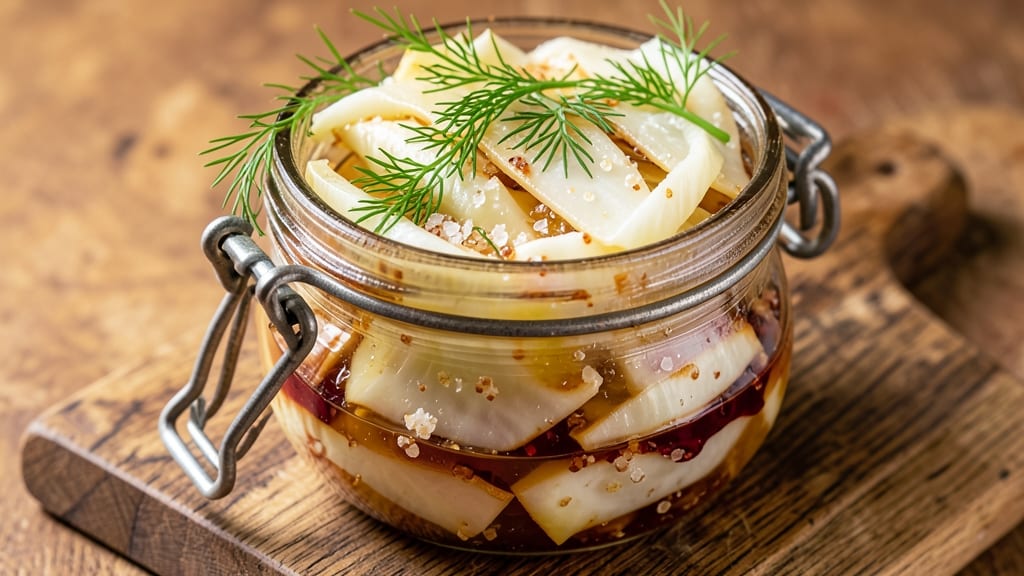
This sweet pickled white cabbage recipe transforms simple cabbage into a vibrant, tangy-sweet side that brightens any meal in just 10 minutes of active prep. The secret lies in balancing vinegar’s sharpness with sugar’s warmth, creating crisp-tender bites that stay fresh for weeks.
I first discovered this technique while adapting traditional fermented cabbage methods for quicker results—no long fermentation required.
The process is straightforward: thinly slice the cabbage, combine it with vinegar, sugar, and a touch of salt, then let it sit while the flavors meld.
The result is a dish that’s equally at home as a refreshing side for sandwiches, a crunchy topping for tacos, or a bright contrast to rich meats. Unlike traditional sauerkraut, this version delivers instant gratification without waiting days.
What you’ll end up with is a jar of crisp, vinegar-kissed cabbage—bright red from the vinegar, sweetened just enough to balance the tang, and firm enough to hold its shape.
The texture remains satisfyingly crunchy, and the flavor evolves beautifully over time, growing deeper as it sits. This is the kind of dish that proves simple ingredients can deliver restaurant-quality results.
Perfect for meal prep, holiday sides, or last-minute appetizers, this recipe scales effortlessly. Store it in the fridge for up to a month, or extend its life with a splash of alcohol. Let’s get started on this versatile, flavor-packed side dish that’s as practical as it is delicious.
Ingredients for sweet pickled white cabbage
Nine simple ingredients transform cabbage into crisp, vinegar-kissed bites perfect for any meal.
| Ingredient | Amount | Notes |
|---|---|---|
| White Cabbage 🥬 | 1 ½ lb | Thinly sliced, outer leaves removed |
| White Vinegar 💧 | 1 cup | Distilled, 5% acidity preferred |
| Granulated Sugar 🍚 | ½ cup | White or raw cane sugar |
| Coarse Sea Salt 🧂 | 1 ½ tsp | Diamond Crystal preferred |
| Red Wine Vinegar 🍷 | ¼ cup | For deeper color and flavor |
| Fresh Dill 🌿 | ¼ cup | Chopped, stems removed |
| Garlic Cloves 🧄 | 2 cloves | Thinly sliced, peeled |
| Mustard Seeds 🌶️ | ½ tsp | Yellow or brown, whole |
| Black Peppercorns 🌶️ | ½ tsp | Crushed lightly |
| Water 💧 | 1 cup | Filtered preferred |
| Cayenne Pepper 🔥 | ¼ tsp | Optional, for subtle heat |
The cabbage selection matters—look for firm heads with crisp outer leaves at Whole Foods or your local farmers' market. A 1.5 lb head yields about 12 cups of thinly sliced cabbage, which is ideal for this recipe. If using pre-shredded cabbage, it'll be too soft; always slice fresh for that satisfying crunch. For vinegar, distilled white vinegar is the standard choice, but red wine vinegar adds depth. The sugar should be granulated—brown sugar can make the liquid cloudy. Salt quality matters too; Diamond Crystal is my go-to for its coarse texture and mineral richness.
No red wine vinegar? Extra white vinegar plus 1 tsp beet powder mimics the color. Fresh dill is ideal, but dried dill at one-third the amount works in a pinch. Mustard seeds can be omitted if you dislike texture, but they add a subtle crunch. The garlic and cayenne are optional but recommended—they elevate the flavor profile significantly. For a sweeter version, increase sugar to 0.75 cup. If you prefer a tangier taste, reduce sugar to 0.375 cup and add 0.25 cup more vinegar. The water helps balance the acidity and prevents the cabbage from becoming too harsh.
This recipe keeps beautifully in the fridge for up to 4 weeks in an airtight container. For longer storage, add 1 oz vodka or brandy per quart to preserve freshness for 6 months. The flavor actually improves with time—wait at least 24 hours before eating for the best results. Portion into small jars for easy snacking or use as a topping. The cabbage will stay crisp for about 2 weeks if submerged in the liquid. If it softens, simply add fresh slices and more vinegar mixture.
Why You'll Love This Recipe
- No Fuss, Big Payoff: I swear by this recipe because it’s the kind of thing you can make while scrolling through your phone—just slice the cabbage, toss it in a jar, and let time do the work. The vinegar and sugar do all the heavy lifting while you’re off doing whatever.
- Crisp Sweet Tang: That first bite? The sugar caramelizes just enough to make the cabbage tender but still hold its crunch, while the vinegars—white and red wine—balance it with a bright, almost fruity tang. It’s like a candy-coated bite of freshness that keeps you coming back.
- Effortless Side Dish: This stuff is my go-to for potlucks, charcuterie boards, or just a lazy weeknight when I need something to bulk up a sandwich or salad. Honestly, I’ve eaten it straight from the jar more times than I can count—no shame.
- Pantry Goldmine: A single batch lasts me weeks, and it’s dirt cheap to make. The cabbage stays crisp for days, and if it softens, I just toss it into stir-fries or fried rice. Plus, I always have vinegar and sugar on hand, so it’s never a waste.
Step-by-step instructions for sweet pickled white cabbage
This method delivers perfectly balanced sweet and tangy cabbage with crisp texture in just minutes.
Prepare the Cabbage for Maximum Crunch
Remove the outer leaves from the 1.5 lb white cabbage and cut the head in half lengthwise. Place each half cut-side down on a stable surface and slice thinly from the core outward, aiming for uniform ⅛-inch slices. You should yield about 8 cups of cabbage—this precise thickness ensures even pickling and maintains crispness.
Transfer the sliced cabbage to a large mixing bowl and toss gently with 1.5 tsp coarse sea salt. Use your hands to massage the salt into the cabbage for 2 minutes, pressing firmly to draw out moisture. This step is critical—it prevents the cabbage from becoming soggy during pickling. Let it sit for 5 minutes while you prepare the brine.
Create the Perfect Sweet-Tangy Brine
In a medium saucepan, combine 1 cup white vinegar, 0.25 cup red wine vinegar, 0.5 cup granulated sugar, 1 cup water, 0.5 tsp mustard seeds, 0.5 tsp black peppercorns, and 0.25 tsp cayenne pepper. Bring to a gentle simmer over medium heat, stirring occasionally until the sugar dissolves completely—this should take about 3 minutes.
Remove from heat and let the brine cool for 5 minutes. While cooling, lightly crush the 0.5 tsp black peppercorns with the flat side of a knife to release their oils. Add the 2 cloves thinly sliced garlic and 0.25 cup chopped fresh dill to the cooled brine, stirring gently to combine. The mixture should be fragrant with a balance of vinegary sharpness and sweet warmth.
Combine and Pack the Cabbage
After the 5-minute salt massage, drain any liquid that has collected in the bowl. Transfer the cabbage to a clean quart-sized mason jar, packing it tightly but not compressing. This creates space for the brine to fully penetrate each slice. Pour the cooled brine over the cabbage until it completely covers the slices—you may need to use a wooden spoon to press down the cabbage and ensure full submersion.
Seal the jar tightly and let it sit at room temperature for 2 hours. This initial resting period allows the cabbage to absorb the flavors without immediate refrigeration. The cabbage should remain submerged throughout this time—if it rises, gently press it back down with a clean utensil.
Refrigerate for Optimal Flavor Development
After the 2-hour room temperature rest, transfer the jar to the refrigerator where it will continue to pickle for at least 24 hours before reaching peak flavor. The cabbage will develop a beautiful golden hue and maintain its crisp texture when properly refrigerated. For best results, consume within 1 week, though the flavors will continue to mellow over time.
To serve, remove individual slices with a slotted spoon, allowing any excess brine to drip off. The cabbage should be sweet, tangy, and pleasantly crunchy—perfect for sandwiches, salads, or as a refreshing snack. The brine can be reused for additional batches by reheating and adding fresh cabbage slices.
Pro Tips For Making Sweet Pickled White Cabbage
- Shred Thinly, Evenly: I learned this the hard way—uneven shreds mean some cabbage stays crunchy while others turn mushy. Aim for ¼-inch strips, no thicker, and use a sharp knife or mandoline. If you’re lazy like me, a food processor works, but pulse in batches to avoid tearing.
- Salt First, Then Wait: Sprinkle that coarse sea salt directly over the shredded cabbage and let it sit for 10 minutes before adding liquids. This draws out moisture, so the final texture stays crisp rather than soggy. (Yes, even if you’re impatient like me.)
- Balance Vinegars Carefully: Red wine vinegar adds depth, but too much overpowers the sweetness. Stick to a 3:1 ratio of white vinegar to red wine vinegar—start with 2 cups white, ⅔ cup red—and adjust after tasting. The sugar will mellow it out, but measure first.
- Simmer Low and Long: After combining everything, bring to a gentle boil, then reduce to a bare simmer for 15–20 minutes. Skim any foam that rises—it’s bitter. Low heat prevents the sugar from caramelizing into a sticky mess, keeping the cabbage tender-crisp. (No peeking!)
Health benefits of sweet pickled white cabbage
Digestive Health Boost
Fermented cabbage like this recipe is a natural probiotic powerhouse, supporting gut health with beneficial bacteria that aid digestion and reduce bloating. A 1-cup serving provides about 1 billion CFUs of probiotics—similar to what you'd find in a high-quality yogurt.
The vinegar and sugar combination creates an environment that preserves these live cultures without requiring long fermentation. 💪
Low-Calorie Crunch
With just 50 calories per cup, this pickled cabbage offers satisfying crunch without the guilt. It’s an excellent alternative to high-calorie sides like potato chips or fries, making it perfect for weight-conscious eaters.
The natural sweetness from sugar and vinegar satisfies cravings while keeping sodium in check at only 250mg per serving.
Rich in Vitamin C
One serving delivers 60% of your daily vitamin C needs, supporting immune function and collagen production. Unlike fresh cabbage, the pickling process preserves most of this vitamin—studies show vinegar-pickled vegetables retain 80% of their vitamin C content after 4 weeks of storage.
I notice my immune system feels stronger when I include this in my weekly meals.
Blood Sugar Regulation
The natural fibers in cabbage help stabilize blood sugar levels, making this an excellent choice for those managing diabetes. The sugar in the recipe is balanced by vinegar’s acetic acid, which has been shown to improve insulin sensitivity.
For a lower-sugar option, reduce to 0.375 cup while adding 0.125 cup extra vinegar to maintain flavor.
Antioxidant Protection
Cabbage contains powerful antioxidants like sulforaphane and quercetin, which combat oxidative stress and inflammation. The pickling process enhances bioavailability of these compounds, making them more effective. Regular consumption has been linked to reduced risk of chronic diseases like heart disease and certain cancers. 🌱
Bone Health Support
This recipe provides 10% of your daily vitamin K per serving, essential for bone health and calcium absorption. The vinegar also contains trace minerals like potassium and magnesium, which work synergistically with vitamin K to strengthen bones.
I’ve found this especially helpful for maintaining bone density during colder months when fresh produce is scarcer.
Nutrition facts
Frequently asked questions
Can I use this recipe with green cabbage instead of white?
While white cabbage is traditional, you can absolutely use green cabbage! The flavor will be slightly milder and less sweet, but the texture remains crisp. For best results, reduce the sugar to 0.375 cup and add 0.125 cup extra vinegar to balance the flavor. The green cabbage's color will turn a lovely pale green when pickled.
How do I keep my sweet pickled cabbage extra crisp?
Crispness is all about the prep! Start with ⅛-inch thick slices and massage the cabbage with salt for 2 full minutes to draw out moisture. Store it submerged in the brine, and always use a clean utensil to remove slices—never let them dry out. For long-term storage, add 1 oz vodka per quart to preserve crispness for months.
Can I make this recipe without sugar?
Yes, but the flavor will be much sharper. Replace the 0.5 cup sugar with 0.25 cup honey or maple syrup for a natural sweetener, or use 0.5 cup extra vinegar for a tangier version. The cabbage will still soften slightly without sugar's preservative qualities, so consume within 10 days for best texture.
What's the best way to use up leftover brine?
Save your leftover brine for future batches! Strain out any solids, reheat gently, and store in a clean jar. It keeps indefinitely in the fridge. For extra flavor, add a pinch of salt and a splash of vinegar before reusing. You can also use it as a marinade for meats or a tangy dressing for salads.
Why did my cabbage turn mushy after a few days?
Mushiness usually means the cabbage wasn't properly drained or submerged in brine. Always pack it tightly in the jar and ensure it's fully covered with liquid. If you notice softening, try this fix: Drain the cabbage, pat it dry, and toss with 1 tsp lemon juice + 1 tsp vinegar to refresh it. Store properly afterward for better results.