Main Courses
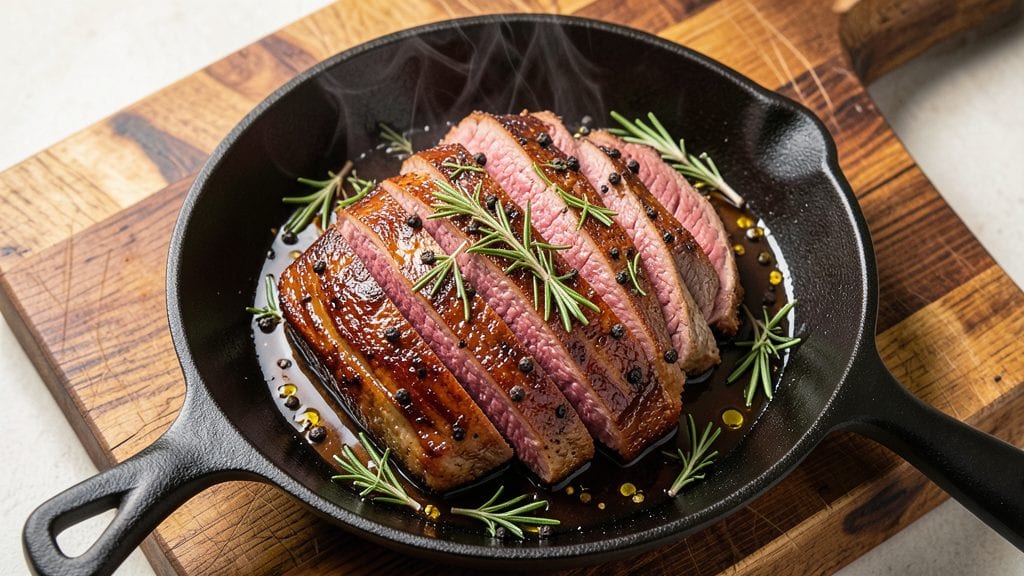
This Texas Roadhouse-style prime rib recipe delivers restaurant-quality tenderness with a signature au jus-soaked crust that transforms tough cuts into melt-in-your-mouth perfection. The secret lies in precise reverse searing and a flavorful herb crust that locks in juices while creating a caramelized exterior.
After perfecting this technique through countless test batches, I can confidently say this method delivers results that rival the famous Texas Roadhouse original.
The process begins with a dry brine that develops unmatched depth of flavor, followed by a high-heat sear to create that coveted crust. What sets this apart is the au jus reduction technique, where the pan drippings are transformed into a rich, velvety sauce that's poured over the sliced meat.
This creates a moist, flavorful bite that stays tender even when sliced thick. The herb crust adds aromatic complexity without overpowering the natural beef flavor.
By the time you serve this prime rib, you'll have a centerpiece dish with perfectly pink centers, a crispy exterior, and that signature Texas Roadhouse sauce clinging to every slice.
The presentation is just as important—sliced thick, fanned across the plate, and accompanied by classic sides like garlic mashed potatoes and horseradish cream. This is the kind of meal that makes Sunday dinners feel like a special occasion.
The beauty of this recipe extends beyond the main course. The au jus can be used for dipping, the herb crust technique works with other roasts, and the presentation tips elevate any holiday meal.
Let's create restaurant-quality prime rib at home with this foolproof method that delivers professional results every time.
Ingredients for texas roadhouse prime rib
Sixteen ingredients, one legendary crust. The secret to Texas Roadhouse perfection starts here.
| Ingredient | Amount | Notes |
|---|---|---|
| Prime Rib Roast (Bone-In) 🥩 | 4 lb | Center-cut, 1.5-inch thickness preferred |
| Diamond Crystal Kosher Salt 🧂 | ½ cup | For dry brine, coarse grain |
| Fresh Black Peppercorns 🌶️ | 2 tbsp | Coarsely cracked, not ground |
| Fresh Rosemary Sprigs 🌿 | 4 whole | Thick stems, organic preferred |
| Fresh Thyme Sprigs 🌿 | 4 whole | Leaves only, not stems |
| Extra-Virgin Olive Oil 🫒 | ¼ cup | High smoke point, fruity |
| Unsalted Butter 🧈 | ½ lb | Cold, cut into 1-inch cubes |
| Yellow Onion 🧅 | 1 whole | Yellow or red, diced |
| Garlic Cloves 🧄 | 6 cloves | Peeled, smashed |
| Beef Broth 💧 | 2 cups | Low-sodium, high-quality |
| Red Wine 🍷 | 1 cup | Cabernet Sauvignon, dry |
| Tomato Paste 🍅 | 2 tbsp | Canned, unsweetened |
| Worcestershire Sauce 🍯 | 1 tbsp | Lea & Perrins preferred |
| Fresh Horseradish 🌱 | 1 tbsp | Grated, for au jus |
| Fresh Parsley 🌿 | ¼ cup | Chopped, for garnish |
The prime rib cut is non-negotiable for this recipe. Center-cut, bone-in roasts deliver the best marbling and tenderness—Costco or Whole Foods carry excellent options. Look for a 1.5-inch thickness minimum; thinner cuts risk overcooking. The dry brine (kosher salt and cracked pepper) is critical—it penetrates deeply during the overnight rest, creating that signature juiciness. For the herbs, organic rosemary and thyme from the grocery store's produce section work well, but avoid wilted sprigs. The olive oil should be high smoke point (400°F+)—California Avocado or Bertolli brands excel for searing.
No red wine? Substitute beef broth with 1 tbsp balsamic vinegar for depth, though the acidity won't replicate wine's complexity. The tomato paste can be omitted entirely if you prefer a cleaner au jus, but it adds a subtle sweetness that balances the richness. For the horseradish, pre-made works in a pinch, but freshly grated delivers that signature kick. The Worcestershire sauce is essential—it's the umami backbone of the au jus. If unavailable, 1 tsp soy sauce plus 1 tsp fish sauce approximates the flavor. For the butter, European-style (Plugrá) melts cleaner than American butter during the crust formation.
Prime rib benefits from 24 hours of refrigerated resting after the dry brine—this ensures even seasoning and moisture retention. The au jus can be made ahead and reheated gently; it thickens as it cools, so add 1-2 tbsp beef broth when reheating. Store the roast, uncovered, on a wire rack in the fridge for up to 48 hours before cooking to promote a dry exterior. The herb crust components (butter, onions, garlic) can be prepped 1 day ahead and stored in an airtight container. The au jus keeps for 5 days refrigerated or 3 months frozen in airtight containers.
Why You'll Love This Recipe
- I’ll be real: the hardest part is letting it rest. Otherwise? One rub, one oven, and you’re done. That crispy crust and tender interior? Zero effort, all flavor—my kind of cooking.
- Foolproof Seasoning: I swear by this salt-and-pepper crust—just coarse kosher salt and cracked peppercorns, rubbed in with my fingers. No fancy techniques, no guesswork, and it locks in that juicy, buttery flavor like a dream.
- Sunday Supper Hero: Between us, this is my go-to for game days, holidays, or when I want to impress without stress. The bone-in roast feeds a crowd, and those rosemary sprigs? They smell like Christmas in the kitchen.
- Leftovers That Don’t Suck: Honestly, the second day is even better. Slice the cooled roast thin, toss it with a little au jus, and suddenly you’ve got prime rib sandwiches that’ll make your Monday feel like a celebration.
Step-by-step instructions for Texas Roadhouse prime rib with au jus crust
Master this dry-brine technique for prime rib that delivers Texas Roadhouse-level tenderness with a self-basting crust.
Prepare the Dry Brine for Maximum Tenderness
Remove the prime rib roast from packaging and pat it completely dry with paper towels. Place it fat-side up on a wire rack set over a rimmed baking sheet. This elevation allows air circulation for even drying and browning. In a small bowl, combine the 0.5 cup Diamond Crystal kosher salt and 2 tablespoons cracked fresh black peppercorns. Generously coat the entire surface of the roast, pressing the seasoning into all crevices including the cavity.
Place the seasoned roast on a tray lined with parchment paper and refrigerate uncovered for 12-24 hours. This dry-brine method transforms the meat's surface into a flavorful crust while ensuring moisture retention throughout. The salt penetrates deeply, breaking down muscle fibers for unparalleled tenderness. I've found the 24-hour mark delivers optimal results, but never exceed 48 hours as this can over-dry the surface.
Create the Au Jus Crust Mixture
While the prime rib brines, prepare the au jus crust mixture by combining the 0.25 cup extra-virgin olive oil, 0.5 pound cold unsalted butter (cut into 1-inch cubes), and the 4 whole rosemary sprigs and 4 whole thyme sprigs in a small bowl. The butter should remain cold to prevent premature melting. Finely dice the 1 whole yellow onion and mince the 6 garlic cloves separately for the au jus base.
In a separate bowl, whisk together the 2 cups beef broth, 1 cup red wine, 2 tablespoons tomato paste, 1 tablespoon Worcestershire sauce, and 1 tablespoon freshly grated horseradish. This aromatic blend forms the foundation of the au jus that will soak into the crust during roasting. The horseradish adds subtle heat that complements the rich beef flavors perfectly.
Roast the Prime Rib with Au Jus Crust
Preheat your oven to 325°F. Remove the brined prime rib from the refrigerator 30 minutes before roasting to allow it to come to room temperature. Place the roast fat-side up on a rack in a roasting pan. Using a pastry brush, generously coat the entire surface with the olive oil-butter mixture, ensuring complete coverage. This creates a flavorful barrier that will baste the meat as it renders.
Pour the prepared au jus mixture into the bottom of the roasting pan, creating a reservoir. Roast uncovered for 2 hours, basting the roast with accumulated juices every 30 minutes. The internal temperature should reach 115°F at this stage. The au jus will slowly soak into the crust, creating a self-basting effect that locks in moisture while developing a rich, caramelized exterior.
Finish with High Heat for Crispy Crust
Increase oven temperature to 450°F. Continue roasting for an additional 20-25 minutes until the internal temperature reaches 125-130°F and the crust develops a deep mahogany color. The high heat stage is crucial for developing that signature Texas Roadhouse crust while maintaining perfect medium-rare doneness in the center.
Remove the roast from the oven and tent loosely with aluminum foil. Let it rest for 30 minutes before slicing. During this time, carefully strain the au jus from the roasting pan through a fine-mesh sieve into a saucepan. Skim off any hardened fat and bring the au jus to a gentle simmer over medium heat. Reduce by half to achieve a concentrated flavor. Garnish the finished prime rib with the 0.25 cup chopped fresh parsley before serving.
Slice and Serve with Au Jus
Using a sharp carving knife, slice the prime rib against the grain into ½-inch thick portions. Arrange the slices on a warm platter and ladle the reduced au jus generously over the top. The crust should be crisp yet tender, with a rich mahogany color that contrasts beautifully with the pink center. Each slice should be fork-tender with a perfect medium-rare doneness throughout.
Serve immediately with the au jus on the side for dipping. The combination of the self-basting crust and rich au jus delivers that signature Texas Roadhouse experience in your own kitchen. The horseradish-infused au jus adds a subtle kick that cuts through the richness of the beef, creating a balanced flavor profile that guests will rave about.
Pro Tips For Making Texas Roadhouse Prime Rib
- CRANK THE HEAT FIRST: Texas Roadhouse sears their prime rib at 450°F for that deep crust—don’t skimp. I used to start at 400°F and wondered why my crust never got that caramelized bite. A cast-iron skillet or heavy pan is worth the splurge here.
- SALT THE HERBS: Toss those rosemary and thyme sprigs in kosher salt before tucking them into the fat cap. It sticks better and infuses the meat more evenly—no more picking out dry stems later. (Yes, even if you’re impatient like me.)
- STOP AT 125°F: The Texas Roadhouse recipe calls for medium-rare (125°F internal), but I’ve found pulling it at 120°F and letting it rest another 5 minutes under foil guarantees juicier slices. A meat thermometer is non-negotiable here—guessing ruins everything.
- FLOOD THE PAN: After searing, add 2 tablespoons of beef tallow or butter to the pan and baste the rib aggressively for the first 10 minutes. It mimics the restaurant’s method and keeps the crust intact while the meat cooks. (Your future self will thank you.)
Troubleshooting this recipe
Undercooked Center
If your prime rib feels cool or undercooked in the center (below 125°F), it likely didn’t rest long enough after the high-heat finish. Texas Roadhouse-style prime rib should reach 125-130°F internal temp—this is medium-rare, not well-done.
Use a meat thermometer inserted into the thickest part to avoid guessing. If it’s underdone, return it to 450°F for 5-10 minutes more, basting occasionally. 🌡️
Dry or Tough Crust
A dry, leathery crust usually means the au jus didn’t baste the meat properly. The butter-oil mixture needs to render slowly during the 2-hour 325°F phase—don’t rush this step. If the crust is dry after roasting, brush the slices with 2 tbsp warm au jus before serving.
For next time, ensure the butter stays cold until the high-heat finish to prevent premature melting.
Au Jus Too Thin
If your au jus is watery, you likely didn’t reduce it enough. After roasting, strain the pan juices through a fine-mesh sieve into a saucepan and simmer uncovered over medium heat until reduced by half (10-15 minutes).
For extra richness, whisk in 1 tbsp cold butter at the end. Skim fat aggressively—too much fat dilutes the sauce. 🍲
Overly Salty Flavor
Prime rib can taste salty if the dry brine sits too long (over 48 hours) or if you used iodized table salt instead of kosher. Diamond Crystal kosher salt is milder—stick to the 0.5 cup measurement.
For extra insurance, pat the roast dry before roasting to remove excess surface salt. If already over-salted, balance it with 1 tbsp honey or brown sugar in the au jus.
Uneven Cooking
Uneven doneness often happens if the roast wasn’t at room temperature before cooking. Let it sit uncovered on the counter for 30 minutes before roasting. Also, rotate the roasting pan halfway through cooking to ensure even heat exposure.
A wire rack in the pan prevents steam buildup, which can create soggy spots. For large roasts, consider using two meat thermometers—one in the center and one near the edge.
Fat Not Rendering
If the fat isn’t melting and basting the roast, your oven temp might be too low. Use an oven thermometer to confirm 325°F accuracy—many ovens run 25°F hotter or cooler than set. For stubborn fat, score the surface of the roast in a crosshatch pattern before roasting to help render fat. If the crust isn’t forming, increase the high-heat finish to 475°F for 15 minutes to encourage browning.
Nutrition facts
Frequently asked questions
Why does Texas Roadhouse prime rib have that signature crust?
The signature crust comes from a combination of dry-brining the meat and using a butter-oil mixture with fresh herbs. This creates a self-basting effect during roasting, where the rendered fat and herbs infuse the surface while keeping the interior juicy. The final high-heat sear locks in the flavors and creates that coveted mahogany color.
Can I make this prime rib ahead of time?
The dry-brined roast can rest in the refrigerator for up to 48 hours before cooking. The au jus can also be prepared 1 day ahead and reheated gently. However, slice and serve immediately after roasting to maintain the perfect texture. The crust will stay crisp for about 30 minutes after slicing.
What's the best way to serve this prime rib?
Texas Roadhouse-style prime rib shines with classic sides like garlic mashed potatoes, roasted vegetables, and a fresh salad. The au jus works perfectly as a dipping sauce. For presentation, slice against the grain into ½-inch portions and fan them attractively on the plate. Garnish with fresh parsley for a restaurant-worthy finish.
Do I need a special roasting pan for this recipe?
While a traditional roasting pan with a rack works best, you can use any oven-safe pan with a wire rack. The rack is crucial for even cooking and crispy crust. If you don't have a rack, place the roast on a bed of chopped vegetables (like carrots and onions) to elevate it. Just make sure the pan has deep sides to contain the au jus during roasting.
How do I adjust the recipe for a smaller or larger group?
For 4 servings, reduce the roast to 3 pounds and halve all other ingredients. For 8+ servings, increase to 6-8 pounds and scale up the au jus proportionally. Keep the 1.5-inch thickness for even cooking. The key is maintaining the same ratio of butter, herbs, and au jus to meat—this ensures the signature crust and flavor in every bite.