
Tips
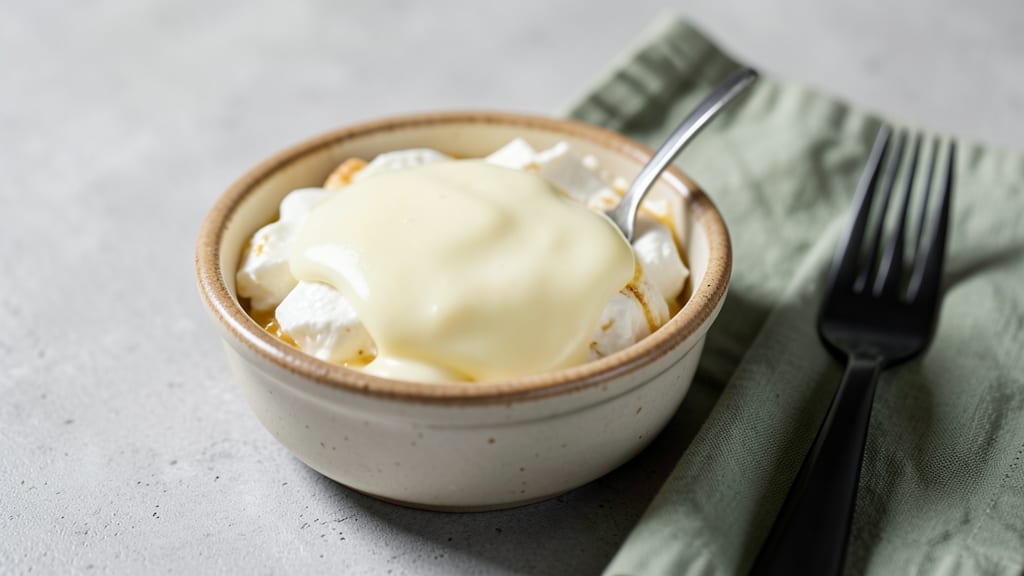
Making thick cream for cooking and baking involves reducing heavy cream or whipping it with stabilizers like cornstarch or gelatin. For a richer texture, simmering cream with sugar or egg yolks also works, while instant pudding mix can thicken it instantly for sauces or desserts.
My Italian grandmother always swore by simmering cream with a touch of sugar to create that velvety texture for her famous ricotta cakes.
The key here is patience—gentle heat breaks down the proteins in the cream, while sugar helps stabilize the emulsion, giving you a smoother consistency perfect for sauces or desserts. 🔥 For quick fixes, I’ve found that a spoonful of instant pudding mix works wonders in a pinch, though it’s best reserved for recipes where you need instant thickening without altering flavor.
Whipping cream with stabilizers like cornstarch is another game-changer, especially for whipped toppings that hold their shape. The stabilizers create tiny networks that trap air, making your cream lighter and more stable.
I keep a jar of whipped cream base in my fridge for last-minute desserts—just add a little sugar and vanilla, and you’re ready to go.
💡 In This Article
- Science Behind Thickening Heavy Cream
- Best Thick Cream Recipes for Sauces and Desserts
Science behind thickening heavy cream
Here's what's actually happening when you thicken cream: the process hinges on molecular interactions between fat, water, and stabilizers. Heavy cream contains about 36-40% milkfat, while whipping cream has 30-36%—that extra fat gives heavy cream its natural richness and better thickening potential.
When you heat it, the fat globules shrink slightly, releasing water and increasing viscosity. Stabilizers like cornstarch work by absorbing water and forming a gel network that traps fat molecules, creating that silky texture we love. 🔥
The magic of sugar in custards comes from its ability to break down proteins through Maillard reactions at 160-180°F, while egg yolks provide lecithin—a natural emulsifier that binds fat and water. This is why my Nonna's ricotta cream never curdles: the yolks create microscopic fat-water bridges that prevent separation.
Gelatin, on the other hand, works by forming a three-dimensional lattice that physically traps liquid, which is why it's perfect for instant puddings that set firm yet smooth.
The key difference between these methods is the final texture—heat reduction gives you a glossy, liquid consistency, while stabilizers create a firmer, pipeable cream.
What most people don't realize is how temperature control affects the outcome. Simmering cream too vigorously causes the proteins to coagulate, creating a grainy texture instead of smoothness. The ideal range is 185-200°F, where the fat stabilizes without breaking.
For whipped creams, cold temperatures (35-40°F) help fat crystals form properly, creating that light, airy structure. This is why I always chill my mixing bowl before whipping—it prevents butter from forming too soon. The science here is all about controlling crystal formation in the fat globules. ✨
Consider these three thickening mechanisms in action:
- Heat reduction: Evaporates water while concentrating fat molecules, creating a velvety sauce (ideal for béchamel or pastry cream)
- Stabilizers (cornstarch/gelatin): Form physical networks that trap fat and water, perfect for whipped toppings or instant puddings
- Egg yolks/sugar: Create chemical bonds through protein denaturation and Maillard reactions, giving custards their signature richness
The fat content difference between heavy and whipping cream matters too. Heavy cream's higher fat percentage means it can withstand more heat and agitation before breaking. This is why it's better for reduced sauces—it maintains stability longer.
For example, when making a crème brûlée, heavy cream's higher fat content gives that signature crackly caramelized top while keeping the custard smooth underneath. The science here is all about balancing fat-to-water ratios for stability. 💫
One advanced technique I learned from my Nonna involves using a double boiler at low heat—this gives you more precise temperature control, preventing the cream from separating. The gentle heat allows the fat molecules to align properly without breaking down proteins too quickly.
This method is particularly useful for delicate sauces where you want to preserve the cream's natural flavor without overpowering it with stabilizers. The result is a cream that's thick yet still light, perfect for drizzling over desserts or folding into mousses.