Desserts
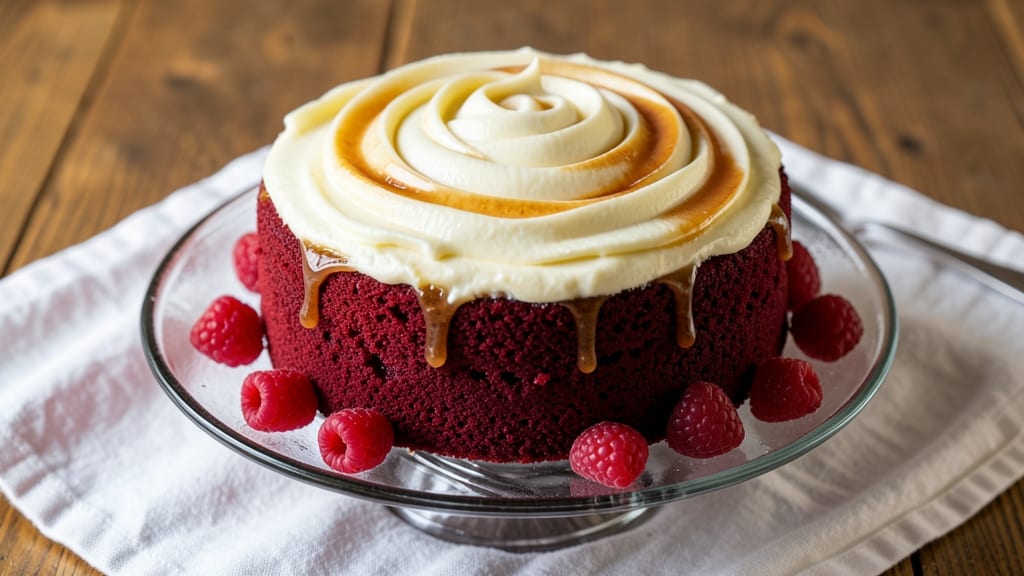
Discover this traditional red velvet cake recipe without food coloring, where beetroot’s natural magic delivers the signature hue without artificial dyes. The secret lies in finely grated raw beetroot blended into the batter, creating that iconic deep red color while adding subtle earthiness that enhances the cake's depth.
I've perfected this method over years of baking, ensuring the texture remains moist and tender with each slice.
The beauty of this recipe is its simplicity: 5 key ingredients create the perfect balance of cocoa, buttermilk, and beetroot for that classic red velvet flavor. The cream cheese frosting adds a tangy contrast that makes every bite unforgettable.
What sets this apart is how the beetroot transforms the cake without overpowering its delicate flavor profile—just the right amount of natural sweetness and color.
What you'll end up with is a three-layer cake with velvety crumb and vibrant red layers that look as stunning as they taste. The frosting is light yet rich, perfectly complementing the cake's subtle beetroot notes.
This is a recipe that delivers restaurant-quality results with a homemade touch—no artificial colors needed.
Perfect for celebrations or weekend treats, this cake keeps beautifully for three days. The beetroot method works every time, and the flavor only improves as it sits. Let's get baking—your taste buds will thank you.
Ingredients for traditional red velvet cake recipe without food coloring
Five core ingredients create the perfect beetroot-infused red velvet cake layers.
| Ingredient | Amount | Notes |
|---|---|---|
| All-Purpose Flour 🌾 | 3 cups | Sifted for light texture |
| Granulated Sugar 🍚 | 2 cups | White or light brown |
| Unsalted Butter 🧈 | 1 ½ cups | Room temperature, cubed |
| Raw Beetroot 🍠 | 1 medium | Organic preferred, peeled |
| Large Eggs 🥚 | 4 whole | Room temperature |
| Buttermilk 🥛 | 1 cup | Homemade or store-bought |
| Cocoa Powder 🍫 | ¾ cup | Dutch-processed preferred |
| Baking Soda 🧂 | ½ tsp | Pure, no aluminum |
| Vanilla Extract 🍯 | 2 tsp | Pure, high-quality |
| Salt 🧂 | ½ tsp | Fine sea salt |
| Cream Cheese 🧀 | 16 oz | Full-fat, room temp |
| Powdered Sugar 🍚 | 4 cups | Sifted for smooth frosting |
| Heavy Whipping Cream 🥛 | 1 cup | Cold for whipping |
The beetroot is your color secret weapon. Organic beets from Trader Joe's or local farmers markets deliver the deepest, most vibrant hue without bitterness. Peel and grate it finely—food processor works best—then blend into the wet ingredients. Freshly grated beats jarred beetroot every time, though the latter is a backup. For extra richness, Costco's organic beets are my go-to when making multiple cakes. Avoid pre-cooked beets—they dilute the natural sweetness and color intensity.
No buttermilk? Mix 1 tbsp lemon juice or vinegar with 1 cup milk and let sit 5 minutes. Dutch-processed cocoa is a must—it's smoother and less bitter than natural cocoa. The vanilla extract should be pure, nothing with alcohol fillers. For the frosting, full-fat cream cheese is non-negotiable; low-fat versions get grainy. Powdered sugar needs sifting—Domino brand is my favorite for smooth frosting. Want extra moisture? Add 1 tsp lemon juice to the cake batter for a subtle tang that balances the beetroot's earthiness.
Store beetroot puree in an airtight container in the fridge for 3 days or freeze for 3 months. The cake layers keep 3 days covered at room temperature or 5 days refrigerated. Frosting can be made 2 days ahead—it actually improves in flavor as it sits. For layering, use parchment paper between layers to prevent sogginess. The cake freezes beautifully too—wrap tightly in plastic and freeze for up to 6 months, thawing at room temperature.
Why You'll Love This Recipe
- I’ll be real: this cake is my budget-friendly go-to. Beetroot is cheap, and you’re using basics like flour, sugar, and butter that you already have. Plus, leftovers? They actually improve overnight—the crust gets slightly firmer, and the flavor mellows into something even better. No waste, all win.
- No Dye, No Drama: I’ve made this cake a dozen times—no artificial colors, no fuss. Just blend raw beetroot into the batter, and boom, that signature red hue appears naturally. The texture stays light and tender, proving you don’t need shortcuts for showstopping results.
- Earthy-Sweet Magic: That beetroot isn’t just for color—it adds a subtle, natural sweetness that deepens the cocoa’s richness. The butter and sugar create a velvety crumb, while the eggs bind everything into a moist, almost addictive bite. Honestly, it’s the kind of cake that disappears faster than I can say “second slice.”
- Weeknight or Celebration: Between us, this recipe works for everything. Whip it up for a last-minute birthday, pack slices for a potluck, or even enjoy a single serving straight from the pan. The beetroot’s earthiness balances the sweetness, so it’s not too dessert-heavy—great for when you want something special without going overboard.
Step-by-step instructions for traditional red velvet cake without food coloring
Here's the method to create a classic red velvet cake using beetroot for natural color and depth.
Prepare the Beetroot Purée for Natural Color
Preheat your oven to 400°F. Pierce the medium raw beetroot with a fork and wrap tightly in aluminum foil. Roast for 45-50 minutes until tender when pierced with a knife. Let it cool completely, then peel off the skin.
Transfer the cooled beetroot to a blender or food processor and purée until completely smooth. You should yield about ½ cup of vibrant purée. This natural color replaces food coloring while adding subtle earthy sweetness. Strain through a fine-mesh sieve if you prefer an ultra-smooth texture, though I find the slight texture adds character.
Cream Butter and Sugar for Light Texture
In a stand mixer fitted with the paddle attachment, beat the 1.5 cups unsalted butter (at room temperature) and 2 cups granulated sugar on medium speed for 3-4 minutes until light and fluffy. The mixture should nearly double in volume and become pale, with ribbons forming when the paddle is lifted.
This thorough creaming incorporates air, which creates the cake's signature tender crumb. Scrape down the sides of the bowl once to ensure even mixing. If the butter feels too soft or too firm, adjust by letting it sit at room temperature for another 10 minutes before proceeding.
Combine Wet Ingredients for Perfect Moisture Balance
Add the 4 whole large eggs one at a time, mixing well after each addition until fully incorporated. Then blend in the 2 teaspoons vanilla extract, ½ teaspoon salt, and the beetroot purée. Finally, stir in the 1 cup buttermilk until smooth.
This sequence ensures proper emulsification of the wet ingredients. The buttermilk adds moisture and acidity that balances the richness of the butter and eggs. If the mixture appears too thick, add 1 tablespoon additional buttermilk to maintain proper consistency for folding in dry ingredients.
Fold in Dry Ingredients for Even Distribution
In a separate bowl, whisk together the 3 cups all-purpose flour (sifted), ½ teaspoon baking soda, and ¾ cup cocoa powder. Gradually add this dry mixture to the wet ingredients, mixing on low speed just until combined. Be careful not to overmix—stop as soon as the flour is incorporated to maintain a tender crumb.
The cocoa powder gives the cake its signature depth of flavor while the baking soda provides lift. Fold in any remaining beetroot purée if needed to achieve the desired color intensity. The batter should be thick but pourable. If it's too stiff, add 1-2 tablespoons additional buttermilk to reach proper consistency.
Bake and Cool for Perfect Layers
Divide the batter evenly between two 9-inch round cake pans lined with parchment paper. Bake at 350°F for 25-30 minutes or until a toothpick inserted in the center comes out clean. Rotate the pans halfway through baking for even browning.
Let the cakes cool in their pans for 10 minutes, then transfer to a wire rack to cool completely. This gradual cooling prevents cracking. Once fully cooled, level the tops if needed using a serrated knife. The cakes should have a slightly domed shape with a tender crumb and subtle beetroot color throughout.
Prepare Cream Cheese Frosting for Classic Flavor
In a separate bowl, beat the 16 oz cream cheese (at room temperature) and 4 cups powdered sugar with an electric mixer until smooth. Add the 1 cup cold heavy whipping cream and mix until light and fluffy, about 2-3 minutes. The frosting should hold soft peaks when the beaters are lifted.
This classic cream cheese frosting complements the cake's subtle sweetness and earthy beetroot notes. For extra stability, chill the frosting for 30 minutes before assembling if your kitchen is warm. The frosting should be thick enough to hold its shape but still pipe smoothly for decorating.
Pro Tips For Making Traditional Red Velvet Cake Recipe Without Food Coloring
- Roast the Beet First: DESCRIPTION: Skip the raw grated mess—roast the beetroot whole at 400°F (200°C) for 45-50 minutes until fork-tender. The concentrated sweetness and deep color work better than raw, and it blends into a silky purée without bitterness. (Yes, it’ll smell like a bakery in your kitchen—worth it.)
- Measure Butter Cold: DESCRIPTION: Use unsalted butter straight from the fridge, cut into tablespoons, and let it soften just until it yields to gentle finger pressure. Over-softened butter = dense cake. I learned this the hard way when my first batch turned into a brick.
- Whip Eggs Alone First: DESCRIPTION: Beat the eggs separately with sugar until pale and thick before folding in the butter-beet mixture. This lightens the batter more than mixing everything at once. (Your mixer will thank you—no more struggling through a stubborn dough.)
- Bake Until Springy: DESCRIPTION: Check doneness at 25 minutes—press the center with a toothpick. If it comes out clean but the cake bounces back immediately, it’s done. Overbaking dries out the crumb, and no one wants a sad, cracked top. (Pull it when you’re slightly unsure—it’ll keep cooking.)
Regional styles of this recipe
Southern Classic
The most iconic version of this cake comes from the American South, where it originated in the early 20th century. In this style, the beetroot is often paired with a 1 teaspoon of vinegar (I use apple cider vinegar) to enhance the cake's signature tang.
Southern bakers traditionally used white cake flour for a lighter texture, though all-purpose flour works beautifully with the beetroot's natural moisture. The frosting is always a rich cream cheese base, sometimes with a subtle vanilla bean scraping for depth. 🍰
German Red Velvet
German bakers take a unique approach by incorporating 1 tablespoon of red wine vinegar into the batter, which adds a deeper acidity that complements the beetroot's earthiness.
They also often use a pinch of cinnamon (about ¼ teaspoon) in the dry ingredients, creating a warm spice profile that pairs perfectly with the cream cheese frosting. The cakes are typically baked in 8-inch pans rather than 9-inch, resulting in a denser, more robust texture.
This version is especially popular during Oktoberfest celebrations.
British Beetroot Twist
In the UK, red velvet cake often includes 1 teaspoon of instant coffee granules in the dry ingredients, which enhances the chocolate flavor and pairs wonderfully with the beetroot's natural sweetness.
British bakers also tend to use double cream (heavy whipping cream) in the frosting, whipped to stiff peaks before folding in the cream cheese. The result is a lighter, airier frosting that contrasts beautifully with the cake's dense crumb.
A dusting of cocoa powder on top is a common finishing touch. 🇬🇧
Italian Rustic Version
Italian home bakers often transform this cake into a single-layer panettone-style cake, baking it in a 10-inch bundt pan for a dramatic presentation.
The beetroot is blended with 1 tablespoon of orange zest to brighten the flavor, and the frosting is sometimes replaced with a mascarpone cream sweetened with honey. This version is commonly served during Christmas celebrations, where the beetroot's natural sweetness pairs perfectly with the citrus notes.
The texture is slightly denser, resembling a moist fruitcake.
Scandinavian Spiced Adaptation
In Scandinavian countries, this cake often includes ½ teaspoon of cardamom and ¼ teaspoon of allspice in the dry ingredients, adding a warm, aromatic complexity to the beetroot's earthiness. The frosting is sometimes infused with lingonberry jam, creating a tart contrast that balances the cake's richness.
Scandinavian bakers also prefer to bake the cake in loaf pans for a rustic, sliceable presentation. This version is particularly popular during the holiday season, where the spiced notes evoke cozy winter flavors. ❄️
Nutrition facts
Frequently asked questions
Why does beetroot work better than other natural colorants for red velvet?
Beetroot contains natural pigments called betalains that are stable at baking temperatures (350°F) and won't fade like berry juices or red wine vinegar. Plus, its subtle earthy sweetness enhances the cake's depth without overpowering the cocoa flavor. Other options like pomegranate juice can make the cake too tart or muddy the color.
Can I substitute beetroot with something else if I can't find it?
Yes! For a milder color, try ¼ cup pomegranate juice reduced to a syrup or 1 tablespoon red wine vinegar. For deeper color, blend ½ cup cooked red cabbage (strained). However, beetroot remains the most reliable for consistent results and flavor balance.
Will the beetroot flavor be noticeable in the cake?
Not at all when used correctly! The ½ cup purée from one medium beet is just enough to color without tasting like a vegetable. The key is using organic beets and blending them until completely smooth. The earthy notes actually complement the cocoa and buttermilk, adding complexity rather than overpowering.
How do I fix if my cake turns out too dense?
Overmixing or using cold ingredients usually causes dense texture. Next time, ensure your butter is room temperature and mix the batter just until combined. Also, sift your flour thoroughly and don't overfill the pans—batter should be ½ inch below pan rim. For extra moisture, add 1 tablespoon extra buttermilk to the batter.
Can I make this cake gluten-free?
Replace the all-purpose flour with a 1:1 gluten-free baking flour blend (like Bob's Red Mill 1-to-1). Add ½ teaspoon xanthan gum to improve texture. For best results, let the batter rest 10 minutes before baking and reduce oven temperature to 325°F to prevent over-browning.