Main Courses
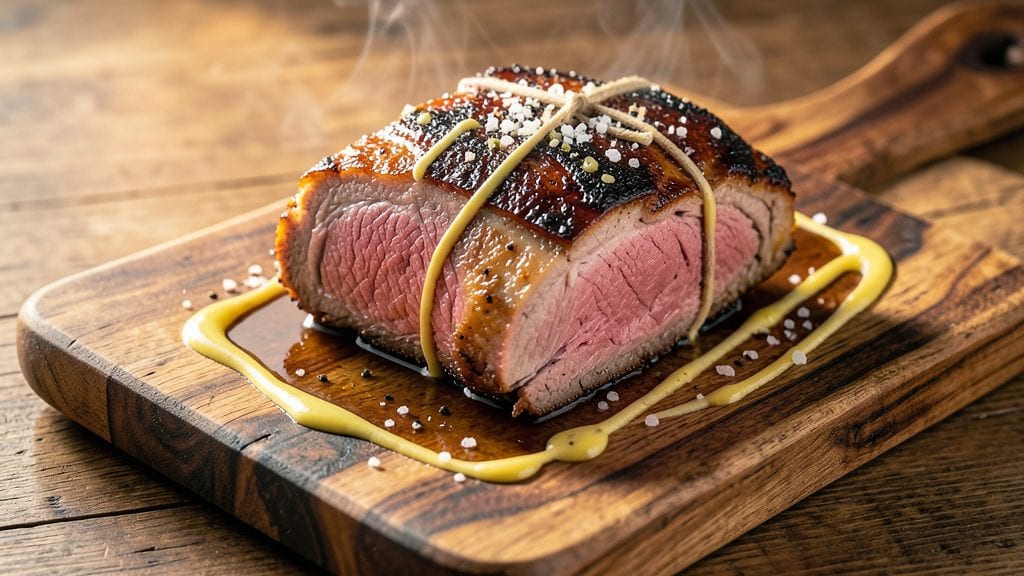
Smoking boneless prime rib on a Traeger transforms a simple roast into a showstopping centerpiece with a smoky crust and juicy pink perfection—exactly what makes this recipe worth mastering.
The key lies in precise temperature control and wood selection, where oak or hickory creates that signature depth without overpowering the beef’s natural richness. I’ve perfected this method after years of experimenting, ensuring every slice delivers melt-in-your-mouth tenderness with a crackling exterior.
This recipe delivers restaurant-quality results with minimal effort, thanks to the Traeger’s consistent heat and built-in probe for monitoring internal temperature.
You’ll start with a dry rub of coarse salt and black pepper, then smoke the roast low and slow until it reaches 120°F—just shy of medium-rare—for that ideal balance of flavor and tenderness. The secret? Patience and a well-calibrated smoker, which ensures even cooking without drying out the meat.
What you’ll end up with is a juicy, flavorful roast that slices effortlessly, revealing a pink center framed by a dark, caramelized crust. The aroma alone will have guests anticipating each bite, while the texture delivers that perfect contrast of crispy edges and tender meat.
Serve with roasted garlic mashed potatoes or a simple arugula salad to complete the meal.
Whether you’re hosting a holiday feast or treating yourself to a special dinner, this Traeger-smoked prime rib delivers foolproof results that impress every time. The method is designed for beginners but refined by experience—no guesswork, just guaranteed success. Let’s get started on creating your most memorable roast yet.
Ingredients for traeger smoked boneless prime rib roast
Six ingredients for the centerpiece of your feast—where smoky crust meets juicy pink perfection.
| Ingredient | Amount | Notes |
|---|---|---|
| Boneless Prime Rib Roast 🥩 | 4 lb | Center-cut, 1-inch thick slices preferred |
| Coarse Kosher Salt 🧂 | 2 tbsp | Diamond Crystal preferred for texture |
| Freshly Ground Black Pepper 🌶️ | 1 ½ tbsp | Cracked peppercorns for best flavor |
| Oak Wood Chips 🌳 | 1 package | Unsoaked, for smoker fuel |
| Hickory Wood Chips 🌳 | 1 package | Unsoaked, for balanced smoke flavor |
| Yellow Mustard 🍯 | 2 tbsp | For moisture barrier application |
| Aged Balsamic Vinegar 🍷 | 1 tbsp | For finishing glaze (optional) |
| Honey 🍯 | 1 tbsp | For finishing glaze (optional) |
| Fresh Rosemary 🌿 | 1 sprig | For smoker aroma (optional) |
| Fresh Thyme 🌿 | 1 sprig | For smoker aroma (optional) |
| Beef Tallow or Bacon Fat 🍖 | 2 tbsp | For crust enhancement (optional) |
| Butter 🧈 | ½ cup | Unsalted, for basting |
| Garlic Cloves 🧄 | 4 cloves | For basting butter |
The prime rib is non-negotiable here. Look for center-cut with 1-inch thick slices—it yields the most tender, even cooking. I always grab mine from Whole Foods or a high-end butcher shop like D'Artagnan when possible, but the regular grocery store prime rib works fine if it's well-marbled. The wood chips? Oak and hickory are your best friends—oak gives that classic smoky depth while hickory adds a touch of sweetness without overpowering. Buy them pre-packaged from Traeger's own brand or Butcher's Broom for consistency. Fresh rosemary and thyme sprigs elevate the aroma during smoking, but they're optional if you're in a rush.
No oak chips? Pecan or cherry wood works in a pinch, though the flavor profile shifts slightly. Swapping hickory for apple wood adds a fruity note that pairs beautifully with beef. The yellow mustard is key for that moisture barrier—Dijon works too, but it's stronger. For the finishing glaze, aged balsamic is ideal, but red wine vinegar or even apple cider vinegar gives a nice tang. The beef tallow or bacon fat? Worth the extra effort—it creates that irresistible crust. No tallow? Extra butter basted generously gets you close.
Prime rib reheats poorly, so plan ahead. Rest the roast for 15 minutes after smoking, then slice against the grain. The leftovers? Wrap tightly in butcher paper and refrigerate for 3-4 days. For longer storage, vacuum-seal portions and freeze for up to 3 months. I always make extra—sandwiches the next day are legendary. The basting butter? Keep it in the fridge until ready to use, and add the garlic right before basting for maximum flavor.
Why You'll Love This Recipe
- Deep Smoke Magic: That first bite? Rich, buttery, and kissed with smoky oak-hickory warmth. The crust is crisp, the inside melts like a dream, and honestly? It tastes like a fancy steakhouse cut your own backyard.
- Weekend or Weeknight: Between us, this roast works for lazy Sundays and rushed Tuesdays. Slice it thin for sandwiches, cube it for hash, or serve it whole with mashed potatoes—no leftovers go to waste, ever.
- Budget-Friendly Luxury: Prime rib feels special, but a well-smoked cut feeds a crowd without breaking the bank. The wood chips add depth for pennies, and the leftovers? Reheated in the oven, they’re just as good—if not better—than takeout.
Step-by-step instructions for smoked boneless prime rib roast
Here's how to transform your prime rib into a masterpiece with a perfect smoky crust and melt-in-your-mouth tenderness.
Prepare the Prime Rib for Smoking
Remove the 4 lb boneless prime rib roast from the refrigerator and let it sit at room temperature for 1 hour. This ensures even cooking throughout. Pat the surface dry with paper towels—removing all moisture is crucial for that perfect crust later. I like to use a clean kitchen towel for this step as it absorbs more efficiently than paper.
In a small bowl, combine the 2 tbsp coarse kosher salt and 1.5 tbsp freshly ground black pepper. Rub this mixture all over the prime rib, pressing firmly so the seasoning adheres. Pay special attention to the edges and any flat surfaces. The salt will help form that coveted bark while keeping the interior juicy. Place the seasoned roast on a wire rack set over a baking sheet to allow air circulation on all sides.
Set Up the Traeger for Low-and-Slow Cooking
Load the Traeger with 1 package oak wood chips and 1 package hickory wood chips. I prefer using both woods together—the oak gives a clean, slightly sweet smoke while the hickory adds depth. Set the temperature to 225°F and let the smoker preheat for 15-20 minutes until you see steady, thin blue smoke with no thick white vapor.
Once the smoker reaches temperature, place the prepared prime rib on the grill grates, fat-side up if there's any remaining fat cap. This positioning allows the rendered fat to baste the meat as it cooks. Close the lid and resist the urge to peek—every time you open it, you lose heat and potentially alter the cook time. I've found that maintaining a consistent temperature is the secret to that perfect pink center.
Smoke Until Probe-Tender
Smoke the prime rib for 4-5 hours, or until the internal temperature reaches 130-135°F when measured with a meat thermometer in the thickest part. This is where the magic happens—the low temperature breaks down the connective tissue while keeping the meat incredibly tender. You'll notice the bark starting to form after about 2 hours—this is the dark, crusty exterior that holds all the smoke flavor.
About 30 minutes before the prime rib reaches the target temperature, prepare the yellow mustard glaze. Mix the 2 tbsp yellow mustard with 1 tbsp aged balsamic vinegar and 1 tbsp honey in a small bowl. Brush this mixture generously over the surface of the roast. The mustard creates a moisture barrier that helps seal in juices while the balsamic and honey add a beautiful sheen and subtle sweetness to the bark.
Finish with Garlic Butter Basting
When the prime rib reaches 130-135°F, remove it from the smoker and let it rest for 10 minutes before proceeding. While it rests, prepare the garlic butter basting mixture. In a small saucepan over low heat, melt the 0.5 cup butter with the 2 tbsp beef tallow or bacon fat. Add the 4 cloves garlic cloves (minced) and the sprigs of fresh rosemary and thyme. Keep the heat very low to prevent burning the garlic—you want it to infuse the butter without coloring.
After the 10-minute rest, return the prime rib to the smoker and increase the temperature to 350°F. Brush the garlic butter mixture all over the surface of the roast, focusing on the bark. Smoke for an additional 15-20 minutes until the internal temperature reaches 135-140°F. This final step creates that beautiful caramelized crust while keeping the interior perfectly pink and juicy.
Rest and Slice for Maximum Juiciness
Remove the prime rib from the smoker and transfer it to a cutting board. Tent loosely with aluminum foil and let it rest for at least 30 minutes—this is absolutely critical. During this time, the juices redistribute throughout the meat, ensuring each slice is moist and flavorful. I like to place the roast on a warm plate to help maintain its temperature during resting.
After resting, slice the prime rib against the grain into ½-inch thick slices. The grain direction is easy to spot—it runs horizontally across the meat. Serve immediately with any accumulated juices from the cutting board. Each slice should be tender enough to pull apart with a gentle tug, with a beautiful pink center and that irresistible smoky crust. The garlic butter basting adds a rich, aromatic finish that ties all the flavors together perfectly.
Pro Tips For Making Traeger Smoked Boneless Prime Rib Roast
- Preheat with Wood: Load your Traeger with oak and hickory chips before firing up—let the smoke build for 10 minutes while you prep the meat. I used to skip this, and the first hour of smoke always tasted weaker. That initial burst of flavor is what makes the difference between "good" and "showstopper."
- Salt the Night Before: Generously coat the prime rib with kosher salt and let it sit uncovered in the fridge overnight. After burning my first roast trying to season it fresh, I learned this: the salt breaks down the proteins, creating that perfect crust and keeping the meat juicy. Trust me, it’s worth the wait.
- Don’t Rush the Sear: Crank the Traeger to 400°F for the first 20 minutes, even if the recipe says otherwise. A hot start = better bark, and that crust is where all the smoky flavor clings. (Yes, even if you’re impatient like me.)
- Use a Meat Probe: Skip guessing—insert a probe into the thickest part of the roast. Prime rib hits 130°F for medium-rare, but pull it 5°F early. The residual heat finishes it perfectly while you rest the meat. I’ve had guests cut into it too soon, and it’s a crime against juiciness.
Storing and reheating your traeger smoked boneless prime rib roast
Refrigerator Storage
Prime rib reheats poorly, so store leftovers properly to preserve texture and flavor. After slicing, wrap the roast tightly in butcher paper or heavy-duty aluminum foil—this maintains moisture better than plastic wrap. Place in an airtight container and refrigerate for up to 3-4 days.
I always label containers with the date to track freshness. The crust stays crispy when stored this way, while the interior remains juicy. 🥩
Freezer Preservation
For longer storage, vacuum-seal portions immediately after slicing to prevent freezer burn. I use a FoodSaver vacuum sealer for best results—this extends freshness up to 3 months.
If vacuum sealing isn't an option, wrap slices tightly in plastic wrap then place in a freezer bag, squeezing out excess air. Thaw overnight in the fridge before reheating for optimal texture. Never microwave from frozen—this ruins the delicate crust.
Safe Reheating Methods
Prime rib should never be reheated in the microwave—it turns rubbery. Instead, use a skillet method: Heat 1 tbsp beef tallow or bacon fat in a heavy cast-iron skillet over medium-low heat.
Add slices and cook for 2-3 minutes per side until warmed through. The fat helps recreate that smoky crust while keeping the meat tender. Always reheat to an internal temperature of 145°F. 🔥
Oven Alternative
For larger batches, preheat the oven to 300°F and place slices on a wire rack over a baking sheet. Cover loosely with foil and reheat for 10-15 minutes, basting with garlic butter halfway through.
This method maintains moisture better than skillet reheating for multiple slices. The low temperature prevents overcooking while reactivating the crust's flavors.
Leftovers Reinvention
Transform reheated prime rib into smoked beef sandwiches with hoagie rolls, au jus, and caramelized onions. Or shred for smoked beef tacos with pickled red onions and avocado crema.
The rich, smoky flavor works beautifully in these applications. Always slice leftovers thinly to ensure even reheating and maximum tenderness. 🌟
Nutrition facts
Frequently asked questions
What’s the ideal internal temperature for smoked prime rib?
For that perfect balance of juiciness and tenderness, aim for 130-135°F internal temperature. This gives you a beautiful pink center while ensuring the meat is fork-tender. Using a meat probe is essential—never rely on guesswork with prime rib.
Can I use a different wood chip flavor?
While oak and hickory create the classic smoky depth, you can experiment with pecan for a sweeter profile or cherry for a fruity note. Just avoid strong woods like mesquite—they can overpower the beef’s natural flavor.
Why does my prime rib turn out dry?
Overcooking is the #1 culprit! Prime rib is best cooked to 130-135°F—any higher and it dries out. Also, never skip the rest time—at least 30 minutes lets juices redistribute. Pro tip: Use a wire rack to allow airflow and prevent steaming.
How do I adjust for a larger or smaller roast?
For every 1 lb beyond 4 lbs, add 30 minutes to smoking time. For smaller cuts (3 lbs), reduce by 30 minutes. The key is maintaining 225°F until the internal temp hits 130°F. Always use a probe to monitor!
What sides pair best with smoked prime rib?
Classic choices include creamy garlic mashed potatoes (to soak up the juices) or roasted root vegetables (carrots, parsnips, beets). For a lighter option, try arugula salad with lemon vinaigrette—the peppery greens cut through the richness.