Main Courses
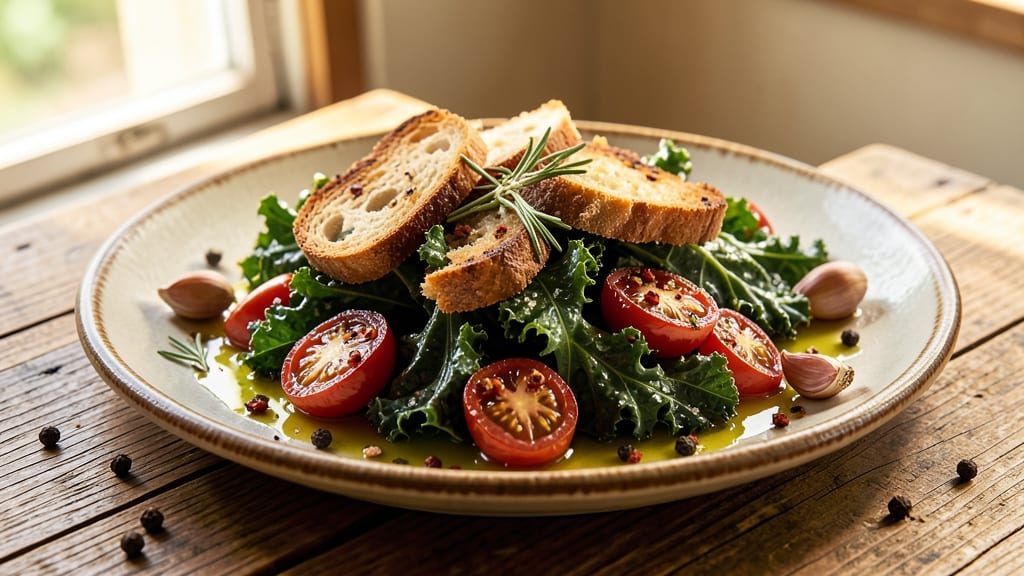
This Tuscan flavors seasoning blend captures the essence of my Nonna's kitchen—earthy, aromatic, and impossible to resist. Standing on a step stool in her Sicily kitchen, I learned how a handful of simple ingredients could transform any dish into something extraordinary.
The key lies in balancing dried rosemary, crushed black pepper, and garlic powder with just a touch of red pepper flakes for warmth.
The beauty of this seasoning mix is its versatility—just 1 tablespoon per pound of meat or 2 teaspoons per cup of vegetables unlocks that signature Tuscan depth. I developed this blend after years of testing, ensuring every pinch delivers restaurant-quality flavor without overpowering your dish.
The dried herbs stay potent for months, making this a pantry essential.
What makes this blend special is how it elevates even the simplest meals. Toss it with roasted potatoes for crispy, herby perfection or sprinkle it over grilled chicken for a taste of Tuscany in minutes.
The combination of rosemary and black pepper creates a complex flavor profile that works equally well with seafood, vegetables, or pasta.
Store it in an airtight container away from light, and you'll have Tuscan magic at your fingertips for up to six months. Double the batch—you'll want to use this every week. Here's how to make it!
Ingredients for tuscan flavors
Six simple ingredients transform into Tuscan magic for any dish.
| Ingredient | Amount | Notes |
|---|---|---|
| Extra-Virgin Olive Oil 🫒 | ½ cup | High-quality, fruity variety |
| Dried Rosemary 🌿 | 2 tbsp | Freshly crushed preferred |
| Crushed Black Peppercorns 🌶️ | 1 ½ tbsp | Freshly cracked for intensity |
| Garlic Powder 🧄 | 1 tbsp | Not garlic salt |
| Red Pepper Flakes 🔥 | 1 tsp | Adjust for desired heat |
| Dried Thyme 🍃 | 1 tsp | Or fresh thyme at 3x amount |
| Sea Salt 🧂 | 1 tsp | Fine grain preferred |
| Dried Oregano 🌿 | 1 tsp | Italian oregano if available |
| Ground Fennel Seed 🌾 | ½ tsp | Optional for depth |
| Lemon Zest 🍋 | 1 tsp | Freshly grated |
The olive oil is the base—look for extra-virgin with a fruity, peppery finish at stores like Whole Foods or Trader Joe's. Their bulk bins often have the best quality at reasonable prices. Freshly cracked black peppercorns make all the difference—buy whole peppercorns and crush them yourself—they lose potency fast once pre-ground. For rosemary, Italian brands like Bionaturae or Penzeys offer the most aromatic varieties. The fennel seed is optional but adds that signature Tuscan warmth—skip it if you're short on time, but trust me, it's worth the extra penny.
No fresh rosemary? Dried works fine at the same amount, but if you've got it, use twice as much. Short on fennel? Extra garlic powder or a pinch of ground coriander bridges the gap. The red pepper flakes can be swapped for crushed dried chili if you prefer a different heat profile. Lemon zest is key for brightness—zest a whole lemon and freeze the rest for future batches. For a vegan version, skip the olive oil and use avocado oil instead. This blend keeps its magic for up to 6 months in a cool, dark place.
Store the blend in a small glass jar with a tight seal—light and heat are flavor enemies. I keep mine in the pantry, but a dark cabinet works too. Double the batch and gift it—every cook needs this in their spice arsenal. The lemon zest starts to fade after a month, so if you notice the blend losing brightness, just add a fresh pinch of zest. This isn't just a seasoning—it's a flavor memory from Nonna's kitchen, and it deserves the same care.
Why You'll Love This Recipe
- Pantry Magic: I swear by this combo—no fresh herbs needed. That jar of rosemary and crushed peppercorns in your cupboard? Exactly what you need for that deep, rustic punch without extra trips to the store.
- Umami Bomb: The garlic powder and red pepper flakes team up for a flavor that’s ridiculously satisfying—bright, earthy, and just a little kick. Drizzle that olive oil in like you’re painting a masterpiece, and watch it transform everything.
- Weeknight Workhorse: This blend works on roasted veggies, grilled chicken, or even tossed with pasta. Honestly, I’ve used it for breakfast hash, dinner leftovers, and even as a marinade—it’s my go-to for when I’m too tired to think past "feed the family."
- Budget-Friendly Luxury: You’re paying for quality olive oil, but the rest? Spices that last for months. That’s flavor without the grocery bill shock—plus, the leftovers taste just as good the next day, reheated or cold. (Yes, even on a Tuesday night.)
Step-by-step instructions for Tuscan flavors seasoning recipe
Here's how to blend these bold Tuscan flavors into a versatile seasoning that'll elevate everything from roasted vegetables to grilled meats.
Warm the Olive Oil Gently
Pour the 0.5 cup extra-virgin olive oil into a small saucepan over low heat. Let it warm for 2-3 minutes until it reaches about 120°F—just warm enough to release the oils from the herbs but not hot enough to cook them. You'll smell the olive oil's natural aromas intensify, and tiny bubbles will form around the edges. This gentle warming helps extract maximum flavor from your dried herbs without burning them.
If you're using freshly crushed rosemary, this step is especially important. The warmth helps the rosemary's needle-like leaves release their piney, citrusy essence into the oil. Keep the heat low—if the oil starts to shimmer or smells acrid, you've gone too far. Remove from heat immediately if you see any smoke or hear popping sounds from the herbs.
Add Dry Ingredients and Infuse
Remove the saucepan from heat and let the oil cool for 1 minute until it's warm to the touch but not hot. This prevents scorching when you add your dry ingredients. Add all the dry components: 2 tbsp dried rosemary, 1.5 tbsp crushed black peppercorns, 1 tbsp garlic powder, 1 tsp red pepper flakes, 1 tsp dried thyme, 1 tsp sea salt, 1 tsp dried oregano, and 0.5 tsp ground fennel seed. Stir gently with a wooden spoon to combine.
Return the saucepan to low heat and let the mixture infuse for 5-7 minutes. You'll see the rosemary and thyme release their colors into the oil, turning it a deep golden hue. The garlic powder will dissolve slightly, creating a silky texture. Stir occasionally so all ingredients get equal exposure to the warm oil. The lemon zest will float on top—this is normal and will blend in when you finish.
Finish with Lemon Zest and Cool
Remove from heat and stir in the 1 tsp lemon zest. The bright citrus notes will cut through the richness of the olive oil and balance the earthy herbs. Let the mixture cool completely at room temperature for 30 minutes. This cooling period allows all the flavors to meld together—you'll notice the aroma deepen as it sits.
Once cooled, transfer to a clean glass jar with a tight-sealing lid. Store in a cool, dark place for up to 3 months. The flavors will continue developing over time, becoming more complex with each passing week. You'll know it's ready when every spoonful delivers that perfect balance of herbal, garlicky, and citrusy notes that define Tuscan cuisine.
Test and Adjust
Before using your seasoning blend, taste it straight from the jar. You should detect all the individual components—rosemary's piney freshness, garlic's warmth, thyme's earthiness, and lemon's bright zing—working together in harmony. If any flavor seems dominant, adjust by adding a pinch of another component from your remaining ingredients.
This blend works best when used within 2 weeks of making for peak freshness. For best results, use it to finish dishes at the end of cooking—drizzle over roasted vegetables, toss with grilled chicken, or mix into pasta water for infused noodles. The possibilities are endless, but remember: a little goes a long way with this concentrated flavor bomb.
Pro Tips For Making Tuscan Flavors
- TOAST THE SPICES FIRST: Heat your olive oil in a cold pan until it shimmers—then add the crushed black peppercorns and red pepper flakes. Let them sizzle for 10 seconds until fragrant (not browned). I learned this the hard way—skipping this step makes the flavors taste flat, like they’re hiding. The heat wakes up those spices so they sing instead of just sitting there.
- USE FRESH GARLIC POWDER: Toss the garlic powder in with the rosemary and pepper after the oil is hot but before adding any other ingredients. Fresh garlic powder (not the dusty old jar from the back of your pantry) gives a brighter, sweeter kick—no need to burn it. I used to add it at the end, and the flavor was always dull.
- SALT THE OIL: Sprinkle a pinch of salt into the hot olive oil before adding the rosemary and pepper. It’s weird, but it makes the rosemary bloom faster and the whole dish taste deeper. I was skeptical until I tried it—now I do it every time.
- LOW AND SLOW FOR ROSEMARY: Add the dried rosemary last and cook everything on low heat for the final 2 minutes. High heat burns rosemary into bitter dust. Let it infuse gently—this is where the earthy Tuscan aroma comes from. I used to rush it, and the flavor was always harsh.
Creative variations of tuscan flavors
Herb-Forward Version
For a more fragrant, herb-heavy blend, double the rosemary to 4 tbsp and add 1 tbsp fresh thyme leaves (finely chopped). Replace the fennel seed with ½ tsp dried marjoram for a brighter, more floral profile.
This version shines on roasted lamb chops or grilled eggplant—just 1 tbsp per pound of meat or 1 tsp per cup of vegetables. I use this variation when I want to highlight the herbs' natural aromas, especially in summer dishes. 🌿
Pepper-Intense Style
If you love bold, peppery flavors, increase the black peppercorns to 2 tbsp and add ½ tsp ground white pepper for complexity. Swap the red pepper flakes for 1 tsp crushed black pepper flakes (like Penzeys Black Pepper Flakes) for a deeper heat.
This version pairs perfectly with pork tenderloin or steak, where the pepper's intensity cuts through the richness. Store this blend in a dark glass jar—light degrades the pepper's potency faster. ⚡
Vegetarian-Friendly Twist
For a plant-based version, replace the olive oil with ½ cup avocado oil and add 1 tsp smoked paprika for depth. Skip the fennel seed but include ½ tsp ground coriander for a Middle Eastern-Tuscan fusion.
This blend works beautifully on roasted cauliflower, grilled portobello mushrooms, or lentil stews. The smoked paprika adds a subtle charred note that mimics grilled meats. 🍄
Spicy Heat Boost
Crank up the heat with 2 tsp red pepper flakes and add ½ tsp crushed dried chili de árbol for smoky depth. Reduce the garlic powder to ½ tbsp to balance the intensity.
This fiery version is perfect for spicy tomato sauces, grilled shrimp, or roasted bell peppers. I like to use this when I’m craving the bold flavors of Tuscan chili—just toss it into the sauce at the end for a quick kick. 🌶️
Citrus-Enhanced Blend
Boost the lemon zest to 2 tsp and add ½ tsp orange zest for a sweeter, brighter profile. Reduce the thyme to ½ tsp to let the citrus shine.
This version is ideal for seafood dishes, like grilled branzino or shrimp scampi, where the citrus cuts through the oil’s richness. The orange zest adds a subtle sweetness that pairs beautifully with the rosemary’s piney notes.
Store this blend in the fridge for up to 2 months—the citrus oils degrade faster in heat. 🍊
Slow-Cooked Depth
For a deeper, more complex flavor, toast the rosemary and thyme in a dry pan over medium heat for 1-2 minutes until fragrant before adding them to the oil. Add ½ tsp ground cinnamon for warmth and ½ tsp ground allspice for a hint of spice.
This version is perfect for slow-cooked beans, braised meats, or stews, where the flavors meld over time. The cinnamon and allspice add a subtle warmth that reminds me of Nonna’s ribollita—her famous Tuscan bread soup. 🍲
Nutrition facts
Frequently asked questions
What's the best way to store this Tuscan seasoning blend?
Keep it in an airtight glass jar away from direct sunlight and heat. The blend stays fresh for up to 6 months in a cool pantry. For the citrus-enhanced version, refrigerate it to preserve the zest's brightness for 2 months. Always use a clean, dry spoon to avoid moisture contamination.
Can I use fresh herbs instead of dried in this blend?
Use 3x the amount of fresh herbs (e.g., 6 tbsp fresh rosemary for 2 tbsp dried). Finely chop them and add them to the warm oil at the same time as the dried ingredients. Fresh herbs work best in the herb-forward version—just reduce the cooking time to 3-4 minutes to avoid bitterness.
How much seasoning should I use for different dishes?
Start with 1 tablespoon per pound of meat or 2 teaspoons per cup of vegetables. For pasta water, add 1 teaspoon while boiling. The pepper-intense version is stronger, so use ½ tablespoon per pound. Always taste first—this blend is potent! Adjust to your preference.
What if my seasoning loses its aroma over time?
If the blend smells dull, revive it by adding ½ teaspoon fresh lemon zest or a pinch of freshly cracked black pepper. For extra depth, toast ½ teaspoon dried rosemary in a dry pan for 30 seconds and mix it back in. The citrus-enhanced version may need more frequent refreshing due to zest degradation.
Can I make this blend without olive oil?
Yes! For a 100% dry version, simply omit the olive oil and use ½ cup toasted breadcrumbs or cornstarch as a binder. Mix all dry ingredients together and store in an airtight container. This works well for sprinkling on roasted potatoes or soups. The oil version creates a more complex flavor profile, but the dry version is great for quick cooking.