
Beverages
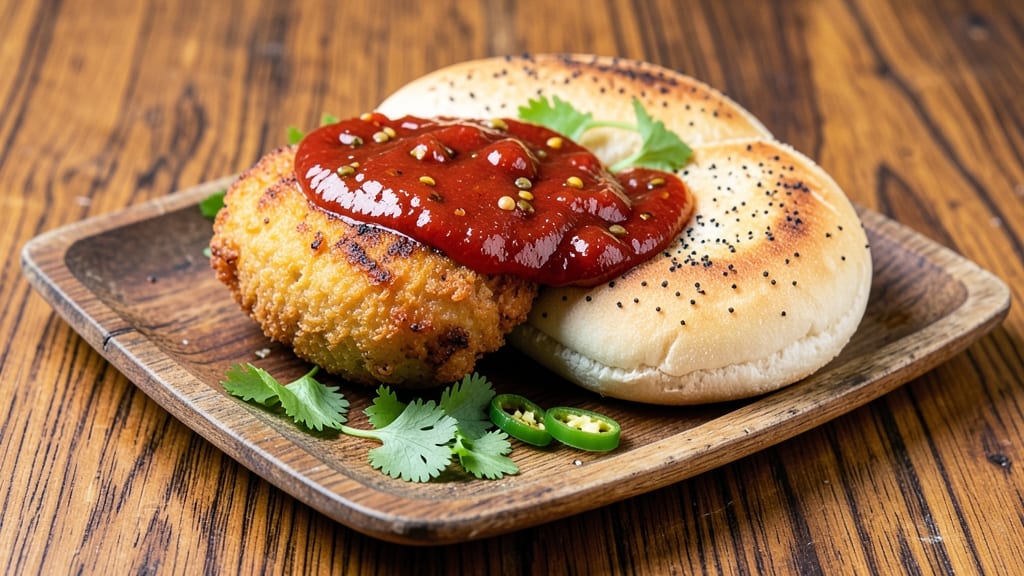
This vada pav red chutney recipe captures the bold, tangy essence of Mumbai street food in every spoonful—where tamarind's sharp bite meets kokum's earthy depth, balanced by fiery chili and toasted spices.
The secret lies in slow-cooking the paste until it achieves that signature glossy, clingy consistency that clings to vada pav like a second skin. I developed this version after years of tasting street-side vendors' chutneys, distilling their complexity into a home-friendly method that doesn't skimp on authenticity.
The foundation begins with tamarind pulp and kokum, simmered until their flavors meld into a smooth, vibrant red paste—the color alone signals authenticity. Toasted spices like mustard seeds and cumin add aromatic depth, while green chilies bring heat that builds gradually.
Unlike many recipes that rely on vinegar or artificial colors, this version uses only natural ingredients to create that signature tangy-sweet-spicy profile street food lovers crave.
What you'll end up with is a rich, velvety chutney that transforms ordinary vada pav into an irresistible bite—each piece becomes a vessel for the chutney's layered flavors. The texture is perfect: thick enough to coat without dripping, yet spreadable enough to create that satisfying "squish" with every bite.
This isn't just a condiment; it's the soul of vada pav, elevating simple potato fritters into a culinary experience.
Use it immediately for maximum flavor impact, or store in an airtight container in the refrigerator for up to 5 days. For an extra kick, add a pinch of chaat masala before serving—this is the professional touch that takes your vada pav from homemade to street-food worthy.
Let's create this essential chutney that brings Mumbai's bustling streets to your kitchen.
Ingredients for vada pav red chutney
Nine ingredients transform into the soul of Mumbai street food—bold, tangy, and irresistibly clingy.
| Ingredient | Amount | Notes |
|---|---|---|
| Tamarind Pulp 🍈 | ½ cup | High-quality, block form preferred |
| Dried Kokum 🍓 | ¼ cup | Soaked until soft, seeds removed |
| Green Chilies 🌶️ | 4 whole | Fresh, bird's eye for heat |
| Mustard Seeds 🌿 | 1 tbsp | Toasted until aromatic |
| Cumin Seeds 🌿 | 1 tsp | Toasted for depth of flavor |
| Dried Red Chilies 🌶️ | 2 whole | Kashmiri for color, bird's eye for heat |
| Asafoetida Powder 🌿 | ¼ tsp | Essential for authentic flavor |
| Fresh Coriander Leaves 🌿 | ¼ cup | Chopped, stems removed |
| Sugar 🍬 | ¼ cup | White or jaggery for balance |
| Salt 🧂 | 1 tsp | Diamond Crystal kosher preferred |
Tamarind and kokum are the heart of this chutney—look for block tamarind at Indian grocery stores or online (it's worth the hunt). The kokum should be plump and dark purple; Patel Brothers or Bombay Spice carry excellent quality. Fresh green chilies are non-negotiable for that signature heat—double-check they're not wilted. Toast your cumin and mustard seeds in a dry pan until they pop; this step is what separates homemade from store-bought. If you can't find Kashmiri chilies, regular dried red chilies work, but they'll be less vibrant in color.
No tamarind? Lemon juice plus a pinch of sugar can mimic the tang, but you'll lose that complex depth. Kokum unavailable? Substitute with 1 tbsp lime juice plus 1 tsp vinegar, but it won't be identical. Fresh coriander is ideal, but dried works at half the amount if you're in a pinch. The sugar balances the tartness—jaggery adds caramel notes if you want extra complexity. For heat, adjust chilies to taste; add more green chilies if you love spice. Asafoetida might be tricky to find—check the international aisle at Whole Foods or order online.
This chutney peaks after 3-4 hours of simmering—don't rush it. Store in an airtight jar in the fridge for up to 5 days, but the flavor deepens over time. For serving, gently reheat with a splash of water to restore that glossy texture. Freeze extras in ice cube trays for single servings—perfect for quick vada pav nights. The longer it sits, the more the flavors meld, so make a big batch and enjoy it all week
Why You'll Love This Recipe
- Here’s what sold me: the kokum’s sharp bite and tamarind’s sour punch team up with cumin and mustard seeds for a chutney that’s dangerously addictive. Not too sweet, not too bland—just right for dipping or drizzling.
- Five-Ingredient Magic: I swear by this—just tamarind, kokum, green chilies, and two spices. That’s it. No fancy prep, no hidden pantry raids, just a quick simmer to unlock tangy, spicy perfection.
- Tangy-Spicy Balance: Here’s what sold me: the kokum’s sharp bite and tamarind’s sour punch team up with cumin and mustard seeds for a chutney that’s dangerously addictive. Not too sweet, not too bland—just right for dipping or drizzling.
- Party in a Jar: This chutney doubles as a snack dip or a sandwich sauce. Pack it for picnics, serve it at chai breaks, or keep it in the fridge for last-minute vada pav upgrades. Honestly, it’s the one thing I always have on hand.
Step-by-step instructions for spicy tamarind-kokum red chutney
This chutney delivers that signature tangy-spicy balance that makes vada pav unforgettable. Let's build it from scratch.
Prepare the Tamarind-Kokum Base
Soak the 0.5 cup tamarind pulp and 0.25 cup dried kokum in 1 cup hot water for 15 minutes until they soften completely. The tamarind should dissolve into a thick, slightly fibrous paste while the kokum releases its tart, citrusy essence. Strain through a fine-mesh sieve to remove any seeds or fibrous bits, pressing gently with a spoon to extract every last drop of liquid.
This strained mixture is your flavor foundation. You'll know it's ready when it's smooth, deep red in color, and has that signature tangy aroma that's unmistakably Indian street food. Discard the solids and set the strained liquid aside—it's the backbone of your chutney.
Toast the Spice Blend
Heat a small dry skillet over medium heat and add the 1 tablespoon mustard seeds, 1 teaspoon cumin seeds, 2 whole dried red chilies, and 4 whole green chilies. Toast for 1-2 minutes until the mustard seeds pop audibly and the cumin releases its earthy aroma. The green chilies should darken slightly at the edges but not burn.
Immediately transfer the toasted spices to a bowl and let them cool for 2 minutes. This quick toasting brings out their natural oils and flavors without letting them turn bitter. Add 0.25 teaspoon asafoetida powder to the warm spices—this "hing" is what gives authentic Indian chutneys their unmistakable depth.
Combine and Simmer
In a clean saucepan, combine the strained tamarind-kokum mixture with the toasted spice blend. Add 0.25 cup sugar and 1 teaspoon salt, then stir over medium-low heat for 8-10 minutes. The chutney should thicken gradually as the moisture evaporates, but don't let it reduce too much—you want it to coat the back of a spoon but still be pourable.
Taste as you go. The balance should be tangy from the tamarind, slightly sweet from the kokum and sugar, and with a subtle heat from the green chilies. If it's too sharp, add a pinch more sugar. If it needs more heat, add a finely chopped green chili. This is where the magic happens—adjusting to your personal spice tolerance.
Finish with Fresh Coriander
Remove the pan from heat and stir in the 0.25 cup chopped fresh coriander leaves. The bright, citrusy notes of the coriander cut through the richness of the tamarind and balance the spices. Let the chutney sit for 5 minutes to allow all the flavors to meld together completely.
For the perfect vada pav experience, serve this chutney warm or at room temperature. It keeps well in the refrigerator for up to 5 days, though it tastes best within the first 2 days. The flavors deepen as it sits, making it even more complex and satisfying with each bite.
Pro Tips For Making Vada Pav Red Chutney
- Soak Kokum Properly: Skip the lazy 10-minute soak—give dried kokum at least 30 minutes in warm water. I learned this the hard way when my chutney tasted bitter. The longer they soak, the more they soften and release their tangy depth without needing extra tamarind.
- Temper Spices Low: Start mustard seeds and cumin on medium heat until they just pop, then lower the flame. After burning three batches, I finally figured out that high heat turns them bitter before they even release their aroma. Keep it steady, like a slow dance.
- Blend Tamarind Wet: Add a splash of water (about ¼ cup) when blending tamarind pulp—it prevents a grainy texture. I used to skip this, and my chutney always felt uneven. Wet blending makes it silky smooth, especially if your tamarind isn’t perfectly ripe.
- Adjust Heat Last: Taste the chutney before adding green chilies—roast them separately if needed. I was skeptical until I tried it: raw chilies can overpower the tang, while lightly charred ones add smoky depth without heat. Save the green chilies for the final tweak.
Wine and beer pairings for this recipe
Mumbai Mango Lassi
The tangy-sweet profile of this chutney pairs beautifully with a creamy mango lassi—the fruit's juicy sweetness balances the tamarind's sharpness while the yogurt cools the heat.
I blend 1 cup ripe mango pulp, 1 cup thick yogurt, ½ cup cold milk, 1 tbsp sugar, and ½ tsp cardamom powder until smooth. Serve chilled in small glasses with a sprinkle of chaat masala on top for that street-food crunch. 🥤
Spiced Masala Chai
For a warm contrast, try this masala chai with a hint of tamarind. Brew 2 cups water with 1 tbsp loose black tea, 1-inch ginger, 2 cloves, 1 cardamom pod, and 1 cinnamon stick.
After steeping, add 1 tsp tamarind paste and 1 tbsp sugar, then strain. The chai's earthy warmth complements the chutney's tangy-spicy notes perfectly, especially when enjoyed with vada pav. ☕
Coconut Water Refresh
For a lighter pairing, mix 1 cup coconut water with 1 tbsp lime juice and a pinch of salt. The natural sweetness and hydration of coconut water cut through the richness of the chutney, making it a refreshing match for a hot day.
Add a few ice cubes and serve in a tall glass with a mint sprig for garnish. This combo is a favorite at Mumbai street stalls during summer. 🥥
Beer Pairing: Goan Feni
If you're serving vada pav with chutney as a full meal, pair it with Goan Feni, a cashew-based liquor with a nutty, slightly sweet profile. The alcohol's warmth and the cashew notes harmonize with the chutney's tangy-spicy depth.
Serve it slightly chilled in small glasses—just 1-2 oz per serving—to let the flavors shine without overpowering the dish. 🍺
Regional Adaptation: South Indian Filter Coffee
In South India, this chutney would traditionally be paired with filter coffee—a strong, spiced brew made with chakradhara or espresso powder, cardamom, and condensed milk.
The coffee's bold, slightly bitter notes contrast the chutney's sweet-spicy profile, creating a balanced flavor experience. Brew it in a metal dhalchini filter for that authentic texture. ☕
Non-Alcoholic Option: Tamarindade
For a non-alcoholic twist, try tamarindade—a tangy, spiced lemonade made with tamarind juice, lime, ginger, and chili. Mix 1 cup tamarind juice, ½ cup lime juice, 1 tbsp honey, and 1 tsp grated ginger with ice and soda water.
The effervescence and tartness mirror the chutney's complexity while keeping the palate fresh. This is a crowd-pleaser at Indian street food events. 💧
Nutrition facts
Frequently asked questions
Why does authentic red chutney have that glossy texture?
The signature shine comes from slow simmering the tamarind-kokum base until it reaches a semi-thick, clingy consistency. This isn't just about thickness—it's about creating a paste that coats vada pav perfectly without dripping. The sugar helps caramelize slightly during cooking, adding natural gloss and depth of flavor.
Can I make this chutney without tamarind?
Yes, but the flavor will differ. Substitute with 1 tbsp lime juice plus 1 tsp vinegar for tartness, but you'll lose the complex depth tamarind provides. For authenticity, try dried amchur (dry mango powder)—it adds a fruity tang similar to tamarind. The chutney will still work, just with a brighter, less layered profile.
How do I adjust the spice level for kids?
Reduce the green chilies to 2 whole (or 1 if very mild) and omit the dried red chilies entirely. For heat, you can always add a pinch of sugar or more kokum to balance. The toasted spices (cumin/mustard) will still provide aroma without the burn. Always let the chutney sit for 5 minutes after cooking—the flavors mellow slightly over time.
What's the secret to storing this chutney without losing flavor?
Transfer to an airtight container and refrigerate—it keeps for 5 days at peak freshness. For longer storage, freeze in ice cube trays (thaw quickly in warm water). The key is minimizing air exposure: press plastic wrap directly on the surface before sealing. Reheat gently with 1 tsp water to restore texture.
Can I use this chutney for other dishes besides vada pav?
It works beautifully with pav bhaji, dosa, or even as a marinade for grilled paneer. The tangy-spicy balance also elevates sandwiches or tacos—just add a dollop. For extra authenticity, sprinkle with chaat masala before serving. The chutney's versatility comes from its balanced sweet-tart-spicy profile.