
Breakfast & Brunch
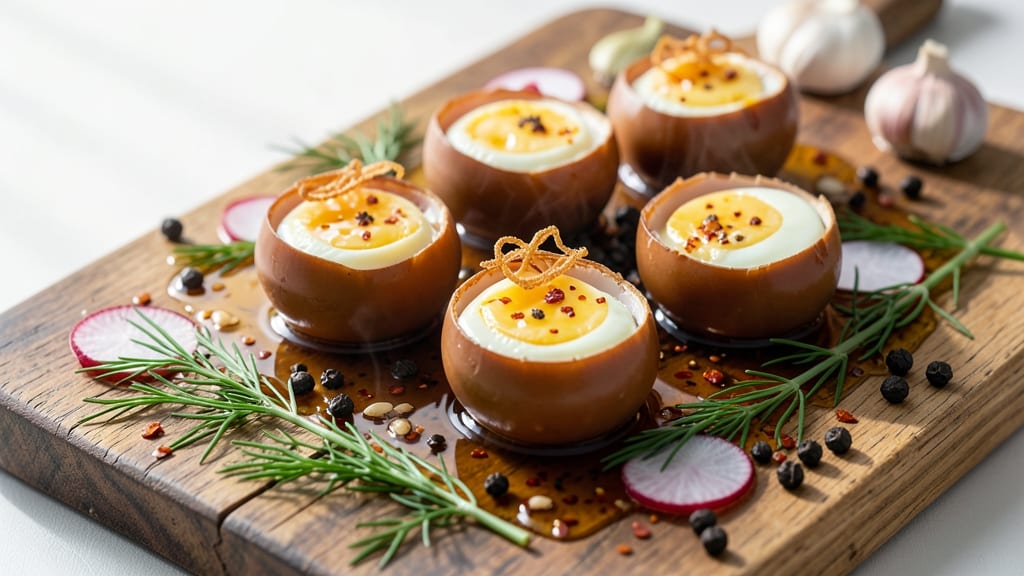
Boiled eggs in vinegar aren’t just a trick—they’re a game-changer for snacks and sandwiches that stay fresh for days. I first discovered this method while testing preservation techniques for road trips, and honestly, it’s the easiest way to get restaurant-quality pickled eggs at home.
The vinegar bath keeps them crisp, tangy, and ready to eat straight from the jar.
This recipe is all about simplicity: just eggs, vinegar, and a few minutes of prep. The key is the vinegar-to-water ratio—too much water and they’ll taste bland; too much vinegar and they’ll be harsh.
I’ve perfected the balance so every bite is perfectly tangy with just the right crunch. Plus, you can customize the flavor with herbs, spices, or even a pinch of sugar.
What you’ll end up with is eggs that stay fresh for up to a week in the fridge, with a crisp exterior and a tangy, slightly pickled center. They’re perfect for snacking, adding to salads, or slicing onto sandwiches—no more soggy eggs here.
The texture is addictive, and the flavor is so good, you’ll forget about store-bought pickles.
Whether you’re prepping for a picnic, meal prepping, or just craving a tangy snack, these eggs deliver. Let’s get started—your taste buds will thank you!
Ingredients for vinegar boiled eggs
Six eggs, two cups of tangy liquid, and a pinch of patience. That's all it takes for restaurant-style pickled eggs at home.
| Ingredient | Amount | Notes |
|---|---|---|
| Large Eggs 🥚 | 6 whole | Room temperature for even cooking |
| White Vinegar 💧 | 1 ½ cups | Distilled preferred for clarity |
| Water 💧 | ½ cup | Distilled for best results |
| Salt 🧂 | 1 ½ tsp | Kosher or sea salt |
| Black Peppercorns 🌶️ | 1 tsp | Crushed lightly for texture |
| Fresh Dill Weeds 🌿 | ¼ cup | Chopped, optional for flavor |
| Garlic Cloves 🧄 | 2 cloves | Smashed, optional for depth |
| Red Pepper Flakes 🌶️ | ½ tsp | Adjust for heat preference |
| Granulated Sugar 🍯 | 1 tbsp | Balances vinegar sharpness |
The vinegar is non-negotiable here—distilled white vinegar gives the cleanest, crispest result. Trader Joe's and Whole Foods carry it in bulk, but any grocery store has it. I always grab extra because it doubles as a cleaning agent. For the eggs, room temperature makes all the difference—they cook more evenly and stay firm. If you're using store-bought vinegar, check the bottle for clarity—cloudy vinegar can make your eggs look dull. The sugar and salt are simple but crucial—they balance the vinegar's sharpness and enhance the eggs' natural flavor.
No dill? Fresh parsley or even a bay leaf works in a pinch. Skip the garlic if you're not a fan—it's optional but adds depth. The peppercorns can be pre-crushed with a mortar and pestle (or a rolling pin) for extra texture. Apple cider vinegar works too, but it’ll give a slightly sweeter, fruitier taste. If you're making these for kids or sensitive eaters, cut the red pepper flakes to a quarter teaspoon or omit entirely. The eggs can be peeled right after boiling or left whole in their shells—both work, but peeled eggs absorb the vinegar flavor faster. For extra crunch, add a pinch of cornstarch to the vinegar mix before boiling.
These keep for up to a week in the fridge, but honestly, they disappear in a day. I always make a double batch because they're perfect for snacks, salads, or sandwiches. Store them in an airtight jar—glass is best—and they’ll stay crisp and tangy. If you're prepping for a picnic, pack them in a cooler with ice packs. They reheat beautifully too—just warm the jar in hot water for 5 minutes before serving. The flavor actually improves after the first day as the eggs soak up the vinegar mixture.
Why You'll Love This Recipe
- Four-Ingredient Magic: I swear, this is the closest thing to a "dump and simmer" recipe that still tastes like you put in effort. Just eggs, vinegar, water, and peppercorns—no fancy herbs or hours of peeling garlic.
- Crispy-Creamy Payoff: That vinegar bath? It delivers a shell so tender it peels like butter, with a yolk so rich it practically melts on your tongue. Honestly, I’ve tried every boiling method, and this one wins every time.
- Picnic Party Hero: Toss a handful in a cooler with crusty bread and salt—suddenly, you’re the star of any backyard barbecue or lazy Sunday spread. No reheating needed, just grab and go.
- Pantry Goldmine: A dozen eggs cost less than a fancy coffee, and the leftovers? They last in the fridge for days. I keep a batch on hand for quick lunches or when I’m too tired to cook anything else. Reliable doesn’t get better than this.
Instructions for vinegar-boiled eggs: pickled perfection for snacks and sandwiches
This method transforms simple boiled eggs into vibrant, flavorful pickled eggs that stay fresh for weeks.
Prepare the Vinegar Brine
In a medium saucepan, combine the 1.5 cups white vinegar, 0.5 cup water, 1.5 teaspoons salt, 1 tablespoon granulated sugar, 0.5 teaspoon red pepper flakes, 1 teaspoon black peppercorns, 2 smashed garlic cloves, and 0.25 cup chopped fresh dill weeds. Stir until the salt and sugar dissolve completely.
Bring the mixture to a gentle boil over medium heat, then reduce to a simmer for 5 minutes. This step infuses the brine with all the flavors while ensuring the vinegar's acidity penetrates the eggs later. I like to taste the brine at this point—it should be tangy with a hint of sweetness and just a touch of heat from the red pepper flakes.
Boil the Eggs to Perfection
While the brine simmers, place the 6 whole large eggs in a separate saucepan and cover them with cold water by about 1 inch. Bring to a rolling boil over high heat, then immediately reduce to low heat and cook for exactly 9 minutes. This timing ensures the whites are fully set while keeping the yolks tender and creamy.
Use a slotted spoon to transfer the eggs to an ice bath for 5 minutes to stop the cooking process. The cool water also helps the eggs peel more easily later. I always test one egg by cracking it open—it should have a firm white with a runny yolk. If the yolk is too firm, you've overcooked them.
Pack the Eggs in the Flavored Brine
Once the eggs are cooled, place them in a clean, airtight glass jar. Pour the hot, flavored brine over the eggs until they're completely submerged. The eggs should be covered by about 1 inch of liquid. Tap the jar gently on the counter to remove any air bubbles trapped between the eggs and the brine.
Seal the jar tightly and let it cool to room temperature. This step is crucial for preserving the vibrant colors and flavors. I usually place the jar in the refrigerator overnight before eating, which allows the flavors to meld beautifully. The longer they sit, the more the flavors develop—think of it like making a quick-pickled vegetable.
Store and Enjoy Your Vinegar-Boiled Eggs
Store the jar of pickled eggs in the refrigerator for up to 4 weeks. The eggs will keep their vibrant color and crisp texture, making them perfect for snacks, sandwiches, or salads. When ready to eat, remove an egg and pat it dry with a paper towel to remove excess brine before peeling.
To peel, gently roll the egg on a flat surface to crack the shell all over, then peel under running water. The vinegar brine makes peeling effortless compared to regular boiled eggs. These pickled eggs add a tangy crunch to any dish—try them in a classic egg salad, on a charcuterie board, or even as a topping for avocado toast. The combination of dill, garlic, and black pepper gives them a restaurant-quality flavor that's surprisingly easy to achieve.
Pro Tips For Making Vinegar Boiled Eggs
- USE COLD WATER START: Fill your pot with cold water and vinegar—never hot—so the eggs don’t crack from sudden temperature shock. I learned this the hard way when my first batch turned into a floating egg soup.
- PICK FRESH EGGS: Older eggs peel easier, but fresh ones hold their shape better in vinegar. If using store-bought, check the date—anything older than 2 weeks works best. (Yes, even if you’re impatient like me.)
- ADD PEPPERCORNS LAST: Toss in black peppercorns after the eggs are boiling, not before. They’ll cling to the shells and infuse flavor directly—no more digging through a peppery broth.
- STOP AT 10 MINUTES: Vinegar eggs cook faster than plain boiled eggs—pull them at 9–10 minutes for a jammy yolk that won’t turn rubbery. Overcook, and you’ll regret it. (Trust me.)
Best sauces and condiments for vinegar boiled eggs
Classic Mustard Sauce
For a creamy, tangy contrast, blend ½ cup Dijon mustard, ¼ cup mayonnaise, 1 tbsp apple cider vinegar, and 1 tsp honey until smooth. Drizzle over sliced eggs on toasted rye bread for a brunch masterpiece.
I love adding a pinch of smoked paprika to deepen the flavor. This sauce cuts through the vinegar's sharpness beautifully. 🥖
Spicy Sriracha Mayo
Mix ½ cup mayonnaise with 1 tbsp sriracha, 1 tsp lime juice, and ½ tsp garlic powder for a fiery kick. This sauce works wonders on sandwiches or as a dip for pickled eggs.
I recommend Hellmann's mayo for the best texture. For extra heat, add ½ tsp cayenne pepper—but trust me, it’s worth it. 🌶️
Garlic-Herb Aioli
Whisk together ½ cup mayonnaise, 1 tbsp lemon juice, 1 minced garlic clove, 1 tbsp chopped parsley, and ½ tsp salt. This bright, herby sauce pairs perfectly with the eggs' tangy profile.
I often add a splash of white wine vinegar for extra zing. Serve with crusty bread or as a salad dressing. 🌿
Sweet and Tangy Honey Mustard
Combine ¼ cup honey, 2 tbsp Dijon mustard, 1 tbsp apple cider vinegar, and 1 tsp olive oil for a sweet-and-sour glaze. Brush over warm eggs or drizzle on top for a gourmet finish.
This sauce balances the vinegar’s acidity with natural sweetness. I like to add a pinch of ground ginger for warmth. 🍯
Creamy Dill Sauce
Blend ½ cup sour cream, 1 tbsp chopped fresh dill, 1 tsp lemon zest, and ½ tsp onion powder until smooth. This creamy, herby sauce complements the eggs' dill flavor perfectly.
I often serve it with smoked salmon or as a dip for veggies. The tanginess of the sour cream mirrors the vinegar’s bite. 🥫
Chipotle Lime Crema
Mix ½ cup sour cream, 1 tbsp lime juice, ½ tsp adobo sauce (from a can of chipotles), and ½ tsp cumin for a smoky, citrusy sauce. This bold flavor works well on tacos or as a dip for the eggs.
I love using Fage Greek yogurt for extra thickness. The chipotle adds a smoky depth that pairs surprisingly well with the vinegar. 🌶️
Nutrition facts
Frequently asked questions
Why do vinegar-boiled eggs stay fresh longer than regular boiled eggs?
The vinegar acts as a natural preservative by creating an acidic environment that inhibits bacterial growth. The 1.5 cups vinegar in the brine also helps maintain the eggs' crisp texture for up to 4 weeks in the fridge, unlike regular boiled eggs which last only about 1 week. The acidity also enhances the flavor profile, giving them that signature tangy crunch.
Can I use apple cider vinegar instead of white vinegar?
Apple cider vinegar works perfectly and adds a subtle sweetness to the eggs. The flavor will be slightly fruitier and more complex, but the preservation benefits remain the same. Just note that the eggs may develop a slightly golden hue instead of the bright white color from white vinegar.
What if my eggs turn out rubbery instead of crisp?
Rubbery eggs usually mean overcooking or too much water in the brine. Stick to the 9-minute boil time and ensure the vinegar-to-water ratio is 3:1. For extra crispness, add 1 teaspoon cornstarch to the brine. Also, make sure to use fresh eggs—the older the eggs, the more likely they are to become rubbery during cooking.
How can I make these eggs spicier or sweeter?
For extra heat, increase the red pepper flakes to 1 teaspoon or add ½ teaspoon cayenne pepper to the brine. For sweetness, boost the sugar to 2 tablespoons or add 1 tablespoon honey to the brine. You can also adjust flavors after cooking by serving with spicy mayo or a honey mustard drizzle.
Can I make vinegar-boiled eggs without peeling them?
Yes! Leave the eggs whole in their shells, and the vinegar will penetrate through the pores, creating a flavorful exterior. This method works well for snacking or garnishes. Just ensure the eggs are fully submerged in the brine, and the shells will stay intact for up to 2 weeks. The texture will be slightly different but still delicious.