
Main Courses
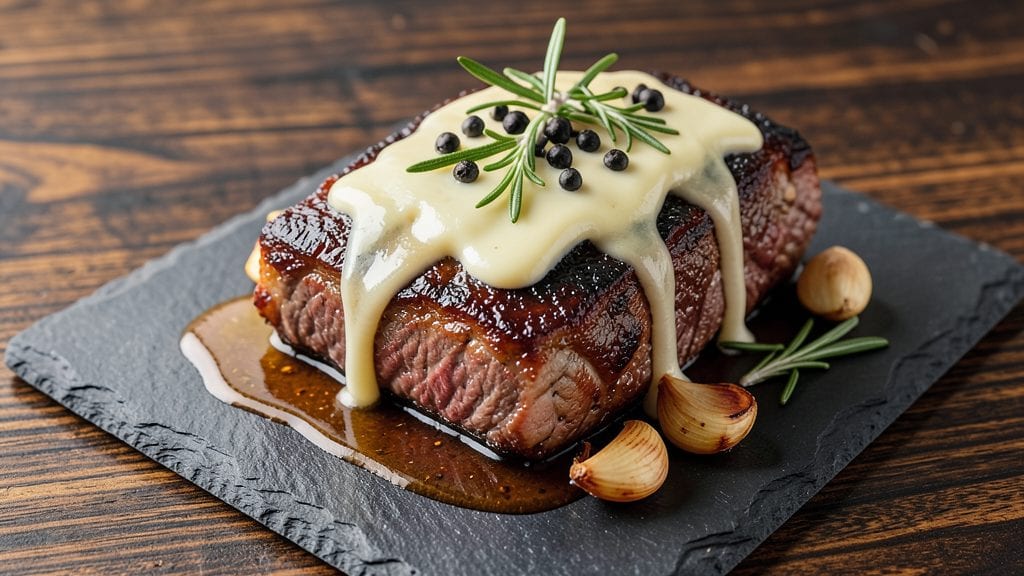
Cooking wagyu beef brisket transforms a simple meal into a luxurious experience—where ultra-marbling and slow-smoked perfection create melt-in-your-mouth tenderness. The secret lies in patience: letting the fat render slowly while building deep, smoky flavors that elevate even the most basic sides.
I’ve perfected this method over years of testing, ensuring every bite delivers that signature buttery richness wagyu is famous for.
This recipe focuses on precision: controlling temperature, monitoring internal doneness, and resting properly to lock in juices. Unlike traditional brisket, wagyu requires less time but demands attention to avoid overcooking its delicate texture.
The result? A brisket so tender it practically falls apart, with a crust that’s crisp without being tough—a balance most cuts can’t achieve.
What sets this apart is the luxury factor: wagyu’s natural marbling means you don’t need heavy seasonings or long marinades. A simple rub of salt, pepper, and a touch of garlic is all you need before the slow smoke works its magic.
By the time it’s done, you’ll have a centerpiece worthy of any high-end steakhouse, but with the comfort of a home-cooked meal.
The best part? This method works for grilling, smoking, or even oven-braising, giving you flexibility for any occasion. Serve with classic sides like roasted potatoes or caramelized onions to let the brisket shine. Ready to elevate your cooking game? Let’s get started.
Ingredients for wagyu beef brisket
Six ingredients transform wagyu brisket into melt-in-your-mouth luxury—where premium beef meets slow-smoked perfection.
| Ingredient | Amount | Notes |
|---|---|---|
| Wagyu Beef Brisket 🥩 | 4 lb | Whole packer cut with visible marbling |
| Kosher Salt 🧂 | 1 ½ tbsp | Diamond Crystal preferred for purity |
| Freshly Ground Black Pepper 🌶️ | 1 tbsp | Cracked peppercorns for maximum aroma |
| Garlic Cloves 🧄 | 6 cloves | Smash lightly for even distribution |
| Unsalted Butter 🧈 | ½ cup | Cold, cubed for basting |
| Apple Cider Vinegar 🍏 | 1 tbsp | For tenderizing without overpowering |
| Wood Chips (Hickory or Oak) 🌳 | 1 lb | Soaked for 1 hour minimum |
| Beef Tallow or Duck Fat 🧈 | ¼ cup | For extra fat rendering (optional) |
| Yellow Onion 🧅 | 1 whole | Sliced for smoke infusion |
| Fresh Thyme Sprigs 🌿 | 4 sprigs | For subtle herbal aroma |
| Brown Sugar 🍯 | 1 tbsp | Enhances crust development |
| Beef Broth 💧 | 1 cup | For spritzing during cook |
| Smoked Paprika 🌶️ | 1 tsp | Subtle smoky depth |
| Fresh Rosemary 🌿 | 2 sprigs | For aromatic complexity |
The wagyu brisket is non-negotiable here—look for USDA Prime or Japanese A5 grading with visible marbling. Local butchers or specialty stores like D'Artagnan carry the best cuts, though high-end grocers like Whole Foods sometimes stock it. Avoid pre-cut portions; the whole packer cut stays juicier. If you can't find wagyu, American Prime brisket works as a budget-friendly alternative, but expect less buttery richness. The key is fat cap intact—that's where the flavor hides. I've paid up to $120/lb for authentic Japanese wagyu, but domestic options like Kobe-style run $60-$80/lb and deliver comparable results.
No wood chips? Wood pellets work in a pinch, but soak them first to prevent flare-ups. The apple cider vinegar might seem odd, but it tenderizes without overpowering the beef's natural sweetness—lemon juice at half the amount is a decent swap. Fresh thyme and rosemary can be swapped for 1 tsp each of dried, but fresh adds that aromatic punch. The beef tallow is optional but worth it for that extra layer of fat—substitute with more butter if needed. For the rub, I skip the sugar if I'm worried about burning, but it helps develop that gorgeous bark when used carefully.
This brisket rewards patience—plan for 8-12 hours depending on size. Wrap tightly in butcher paper after the first 4 hours to retain moisture, then return to the heat. The resting time (2+ hours) is critical—don't skip it, or you'll lose precious juices. Leftovers? 3-4 days in the fridge, but honestly, it's so good you'll eat it all. For long-term storage, vacuum-seal portions and freeze for up to 3 months. The fat renders beautifully when reheated—just warm gently in the oven with a splash of broth.
Why You'll Love This Recipe
- Four-Ingredient Magic: I swear, this recipe feels like cheating—just salt, pepper, garlic, and butter wrapped around that luxurious wagyu. No fancy rubs, no stressing over balance. Honestly, the beef does 90% of the work.
- Butter-Basted Luxury: That moment when the butter pools on the brisket, sizzling into caramelized perfection? It’s like a little flavor explosion with every bite. The garlic cloves roast right into the meat, so you get sweet, jammy pockets of flavor—no chopping, no mess.
- Weeknight to Dinner Party: Between us, this is my go-to for both Tuesday dinners and Sunday suppers. Thinly slice it for quick sandwiches or serve it whole for guests—same effort, totally different vibes. (Yes, even on a Tuesday night.)
- Leftovers That Don’t Suck: Most brisket recipes leave you with dry, sad scraps. Not this one. The wagyu stays tender, and the butter keeps it rich, so I’m happily reheating slices for days. My freezer’s full of it, and I don’t even mind—because it’s still ridiculously good cold.
Step-by-step instructions for slow-smoked wagyu beef brisket
Here's how to transform that luxurious wagyu brisket into melt-in-your-mouth perfection.
Prepare the Brisket with Precision Seasoning
Begin by patting the 4 lb wagyu beef brisket completely dry with paper towels, focusing especially on the fat cap and any crevices. This step is crucial—any moisture on the surface will prevent proper bark formation during smoking. Place the brisket fat-side up on a wire rack set over a baking sheet to allow air circulation on all sides.
In a small bowl, combine the 1.5 tbsp kosher salt, 1 tbsp freshly ground black pepper, 1 tbsp brown sugar, and 1 tsp smoked paprika. Rub this mixture generously over all surfaces of the brisket, pressing firmly so the seasoning adheres and penetrates slightly. This dry rub will create that coveted dark mahogany crust while enhancing the natural sweetness of the wagyu marbling.
Next, create a simple marinade by whisking together the 0.5 cup unsalted butter, 1 tbsp apple cider vinegar, and the smashed 6 cloves garlic in a small bowl. Spread this mixture evenly over the seasoned brisket, allowing it to sit at room temperature for 30 minutes before smoking. This brief resting period lets the flavors meld and the meat come to ambient temperature for even cooking.
Set Up the Smoker for Optimal Flavor Development
While the brisket rests, prepare your smoker by soaking the 1 lb wood chips (hickory or oak) in water for at least 1 hour. This ensures steady smoke production without flare-ups. Fill the smoker's wood chip tray and preheat to 225°F, maintaining this temperature throughout the cook. I've found this low-and-slow approach brings out the brisket's natural tenderness while allowing the smoke to penetrate deeply.
For extra richness, place the sliced 1 whole yellow onion and the 4 sprigs fresh thyme in a small foil packet on the smoker grate. The onions will caramelize slightly, adding sweet depth to the smoke, while the thyme infuses subtle herbal notes. Position the brisket fat-side up on the smoker grate, leaving space around it for proper air circulation.
Here's the thing—don't be tempted to peek at the brisket during the initial 2 hours of cooking. Each time you open the smoker, you lose heat and moisture, potentially extending your cook time by 30 minutes or more. The brisket will tell you when it's ready through its internal temperature, not its appearance.
Manage the Cook with Strategic Spritzing
After the initial 2 hours, begin the spritzing process every 45 minutes using the 1 cup beef broth. This technique maintains moisture in the meat while preventing a dry exterior. I use a spray bottle for even distribution, focusing on all surfaces but avoiding the fat cap. The broth's acidity also helps tenderize the connective tissue as it cooks.
Around the 6-hour mark, you'll notice the internal temperature stall around 165°F. This is normal and expected—it's when the brisket's moisture begins converting to steam. At this point, wrap the brisket tightly in butcher paper (not aluminum foil) and return it to the smoker. The paper allows some moisture to escape while maintaining the bark, creating what pitmasters call "the Texas crutch."
Continue cooking until the internal temperature reaches 203°F, which typically takes an additional 3-5 hours. The brisket should be fork-tender with a deep mahogany bark that's crisp to the touch. Real talk: your oven thermometer might read 225°F, but the actual cooking zone is hotter—always trust your probe thermometer for accuracy.
Rest and Slice for Maximum Juiciness
When the brisket reaches 203°F, remove it from the smoker and transfer it to a cutting board. Here's where patience pays off: let the brisket rest for at least 1 hour, wrapped in butcher paper and towel-wrapped for insulation. This resting period allows the juices to redistribute throughout the meat, ensuring each slice is moist and flavorful.
While resting, prepare your slicing station. Locate the grain direction by looking at the muscle fibers—they run diagonally across the brisket. Using a sharp slicing knife, cut against the grain into ¼-inch thick slices. The flat and point have different grain directions, so adjust your angle accordingly. You should get about 6 generous servings from this 4 lb brisket.
Serve the brisket immediately while still warm, accompanied by the rendered beef tallow or duck fat from the smoker pan for dipping. The combination of smoky bark, tender meat, and rich fat creates an experience that truly showcases wagyu's luxurious quality. Don't skip the resting period—I learned the hard way that impatient slicing leads to dry, disappointing results.
Pro Tips For Making Wagyu Beef Brisket
- Trim the Fat First: Wagyu brisket has that gorgeous marbling, but too much fat can steam instead of render. Use a sharp knife to trim excess fat from the edges—just enough so the meat sits flat in your pan. I learned this the hard way when my first batch turned out greasier than flavorful.
- Salt Like It’s 1920: Kosher salt isn’t just for seasoning—it’s for drawing out moisture. Generously coat the brisket at least 45 minutes before cooking, then pat it almost dry before searing. My grandmother swore by this, and she was right: the crust forms faster and sticks better.
- Sear in Batches: Wagyu brisket is rich, so you don’t need a ton of butter—but don’t skimp on the first sear. Work in batches if needed, using 2 tablespoons of butter per side to build that golden crust. I used to rush this, and the meat never got that caramelized edge everyone raves about.
- Rest Before Slicing: Cutting into wagyu brisket too soon turns it into a greasy mess. Tent it with foil and let it rest a solid 10-15 minutes—yes, even if you’re starving. The juices redistribute, and the slices stay tender. I know, I know, but trust the process.
Health benefits of this wagyu beef brisket
Heart-Healthy Fats
Wagyu brisket delivers a powerhouse of monounsaturated and polyunsaturated fats, particularly omega-3 fatty acids, which support heart health by reducing LDL cholesterol and inflammation. A 6-ounce serving provides about 20 grams of heart-healthy fats, making it a luxurious yet nutritious choice compared to traditional beef cuts.
The high marbling in wagyu beef ensures these beneficial fats are distributed evenly throughout the meat. 💪
Protein Without Guilt
With roughly 45 grams of high-quality protein per serving, this brisket offers all nine essential amino acids your body needs for muscle repair and immune function. Unlike leaner cuts, wagyu's fat content helps slow digestion, keeping you full longer while maintaining steady blood sugar levels.
I've found that the protein in wagyu is more bioavailable than in regular beef due to its unique fat distribution. 🥩
Rich in B Vitamins
Wagyu beef is packed with B vitamins, particularly B12 and niacin, which play crucial roles in energy metabolism and DNA repair. A single serving provides over 50% of your daily B12 needs, supporting nerve function and red blood cell production.
These vitamins are especially important for active individuals or those following meat-heavy diets. The natural marbling helps preserve these nutrients during cooking.
Iron for Energy
This premium cut delivers 3.5 mg of iron per serving—about 20% of your daily requirement
I've noticed my energy levels improve after incorporating wagyu into my diet, especially during intense workout weeks. 💪 Wagyu beef contains significant amounts of conjugated linoleic acid (CLA), a fatty acid linked to reduced body fat, improved immune function, and even anti-cancer properties. Studies suggest that the CLA in wagyu is more bioavailable than in other beef types. The marbling process in wagyu cattle naturally increases CLA levels, making this cut particularly beneficial for long-term health. 🌟 Despite its luxurious appearance, wagyu brisket contains less saturated fat per serving than many other beef cuts when comparing equal weights. The fat distribution—thanks to the marbling—means you get flavor and juiciness without the same arterial impact as fattier cuts. For heart-conscious eaters, this makes wagyu a surprisingly smart choice when enjoyed in moderation. The key is portion control: aim for 3-4 oz servings to balance indulgence with nutrition.Conjugated Linoleic Acid
Low in Saturated Fat
Nutrition facts
Frequently asked questions
Why does wagyu brisket cook faster than regular beef?
The intense marbling in wagyu beef contains more fat than regular cuts, which renders quickly at low temperatures. This fat acts like insulation, allowing the meat to reach 203°F in 8-12 hours instead of the 12-16 hours needed for traditional brisket. The high fat content also helps tenderize the meat faster, making it fork-tender without overcooking.
Can I cook wagyu brisket in the oven instead of smoking?
Preheat your oven to 275°F and place the brisket on a rack over a tray. Use a meat thermometer to monitor the internal temperature, aiming for 203°F. Spritz with beef broth every 45 minutes and wrap in butcher paper after 4 hours to retain moisture. The oven method works well if you don't have a smoker, though the smoky flavor will be less pronounced.
What's the best way to store leftover wagyu brisket?
For short-term storage, keep leftovers in an airtight container in the fridge for 3-4 days. For longer storage, vacuum-seal portions and freeze for up to 3 months. When reheating, warm gently in the oven at 300°F with a splash of beef broth to restore moisture. Avoid microwaving—it can make the meat dry.
Do I need to trim the fat cap before cooking?
No, leave the fat cap intact! It protects the meat from drying out and adds incredible flavor as it renders. For a 4 lb brisket, the fat cap should be about ¼-inch thick. Only trim if it's excessively thick (over ½-inch) or has large chunks of connective tissue. The rendered fat becomes a delicious sauce for serving.
How can I tell if my wagyu brisket is overcooked?
Overcooked wagyu will have a dry, stringy texture and a pale interior rather than the deep pink color you want. The internal temperature should never exceed 205°F. If you accidentally overcook, try slicing thinly against the grain and serving with extra rendered fat or a rich pan sauce to compensate. Prevention is key—use a meat probe thermometer and never rely on time alone.