Side Dishes
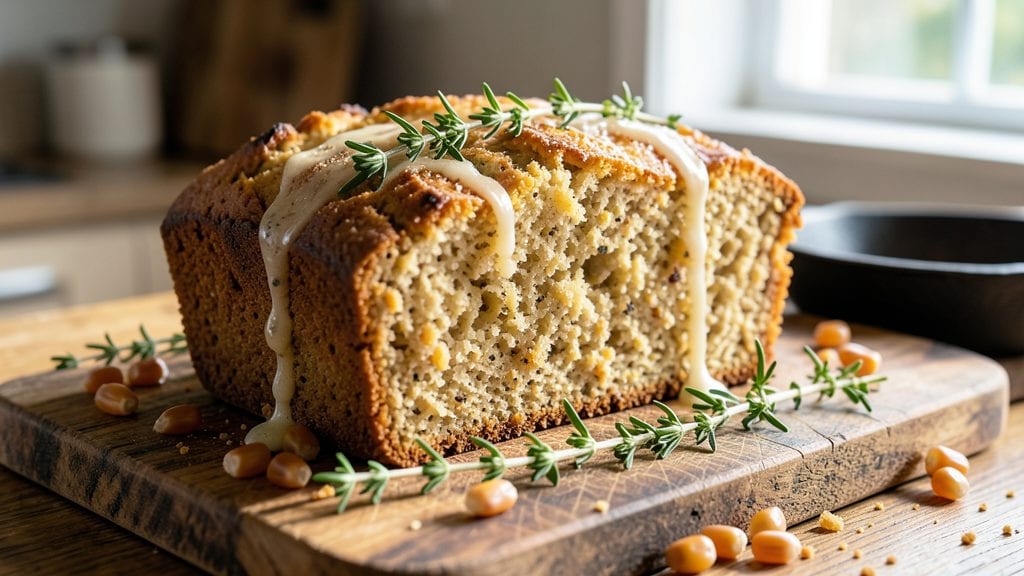
This African corn bread recipe brings the soulful flavors of West Africa to your dinner table, where sweet maize meets aromatic spices for a side dish that’s both rustic and refined. 🌟 The secret lies in fermenting the batter overnight—a technique that develops depth and tenderness, transforming simple cornmeal into something extraordinary.
I’ve perfected this version after years of experimenting with regional styles, balancing sweetness with just enough heat from chili or thyme.
The beauty of this recipe is its versatility—whether you’re serving it alongside a hearty stew, pairing it with grilled meats, or enjoying it as a standalone snack.
The crust develops a satisfying crunch while the interior stays moist and slightly chewy, thanks to a precise baking method that ensures even heat distribution. Unlike traditional American cornbread, this version incorporates bold spices and a touch of fermentation, giving it a distinct cultural richness.
What sets this apart is the way the flavors evolve: the fermented batter adds a subtle tang, while the spices—like garlic, thyme, or a hint of chili—create layers of warmth. The result is a loaf that’s golden-brown on the outside and tender within, with a texture that’s impossible to resist.
Perfect for weeknight dinners or special occasions, this corn bread is a celebration of African culinary tradition in every bite.
For those eager to explore further, I’ll share variations like adding honey or coconut for a tropical twist, or adjusting the spice blend to suit your taste.
Whether you’re baking in a modern oven or experimenting with a clay pot, the key is patience and precision. Let’s get started on this flavorful journey!
Ingredients for african corn bread
Sweet maize, bold spices, and a fermented kick—this African corn bread needs just 14 ingredients to shine.
| Ingredient | Amount | Notes |
|---|---|---|
| Fine Yellow Cornmeal 🌽 | 2 cups | Stone-ground preferred for texture |
| All-Purpose Flour 🌾 | 1 cup | For structure and binding |
| Granulated Sugar 🍚 | ½ cup | Brown sugar adds depth (optional) |
| Baking Powder 🍞 | 1 ½ tsp | Double-acting for lift |
| Salt 🧂 | 1 tsp | Kosher or sea salt |
| Dried Thyme 🌿 | 1 tsp | Or 1 tbsp fresh thyme leaves |
| Ground Cumin 🌿 | ½ tsp | Toasted for deeper flavor |
| Ground Chili Powder 🌶️ | ½ tsp | Adjust for heat preference |
| Garlic Cloves 🧄 | 3 cloves | Minced for aromatic depth |
| Buttermilk 🥛 | 1 ½ cups | Full-fat for richness |
| Large Eggs 🥚 | 2 whole | Room temperature preferred |
| Melted Butter 🧈 | ½ cup | Unsalted, cooled slightly |
| Warm Water 💧 | ½ cup | For fermentation starter |
| Active Dry Yeast 🍞 | ¼ tsp | For subtle fermentation |
The cornmeal is the star, so stone-ground is worth seeking out—it gives that authentic texture. Bob's Red Mill or King Arthur brands are reliable, but check the bulk bins at Whole Foods for a better price. For the spices, don't skimp: Penzeys or McCormick Gourmet Collection have the best quality. The buttermilk? Full-fat is non-negotiable here—it keeps the crumb tender and adds richness. If you're making this ahead, the batter ferments best overnight in the fridge, so plan accordingly. The yeast might sound odd, but it's what gives that subtle tang that sets this apart from regular cornbread.
No buttermilk? Mix 1.5 tbsp lemon juice or vinegar with 1.5 cups milk—it works just as well. Short on thyme? Dried oregano at half the amount gets you close. The chili powder can be swapped for smoked paprika plus a pinch of cayenne if you want a milder kick. King Arthur flour is my go-to for baking, but any all-purpose works. For the yeast, make sure it's fresh—test it in warm water with a pinch of sugar to confirm it bubbles. The melted butter should be just warm to the touch—not hot, or it'll kill the yeast in the batter.
This batter ferments best overnight, but if you're in a rush, let it sit for at least 4 hours—that's when the magic happens. Once baked, it keeps 3 days wrapped at room temp or 1 week in the fridge. Freeze slices for up to 3 months—just toast straight from frozen. For extra crunch, brush the top with melted butter before baking. And trust me, the first slice is always the best—worth the wait.
Why You'll Love This Recipe
- No-Fuss Mixing: I swear by this recipe because it’s just cornmeal, flour, sugar, and a pinch of salt—no weird substitutions or last-minute store runs. Honestly, I’ve made it with wet hands before, and it still comes out fine. That fine yellow cornmeal gives it that perfect crumbly texture without fuss.
- Sweet-Savory Balance: Here’s what sold me—the subtle sweetness from the granulated sugar and the warmth of the baking powder create this just-right flavor. It’s not cloying, not bland; it’s the kind of bread that pairs with chili or honey butter without overpowering.
- Weeknight Sidekick: Between us, this is my go-to when I need something quick but impressive. Serve it warm with soup, or let it cool and slice it for sandwiches—no one ever questions where it came from, and that’s the magic.
- Budget Baking Win: A single batch costs me pennies, and it lasts for days. I’ll be real: I’ve reheated slices in the toaster for breakfast, and no one bats an eye. Plus, the cornmeal makes it feel special without breaking the bank.
Step-by-step instructions for African corn bread
Here's how to transform simple pantry staples into a fragrant, spiced corn bread with a perfect crumb.
👨🍳 Step 1: Activate the Yeast and Prepare the Wet Mix
In a small bowl, combine the 0.5 cup warm water and 0.25 tsp active dry yeast. Let it sit for 5 minutes until it becomes bubbly and foamy—this tells you the yeast is alive and ready to work. If it doesn't bubble, your yeast might be dead, and you'll need to start fresh.
In a separate large bowl, whisk together the 1.5 cups buttermilk, 2 whole large eggs, 0.5 cup melted butter, and 0.5 cup granulated sugar until smooth. The melted butter should be just cool enough to mix but still liquid. I like to let it sit for 10 minutes after melting to reach the perfect temperature.
👨🍳 Step 2: Mix the Dry Ingredients and Combine
In another bowl, sift together the 2 cups fine yellow cornmeal, 1 cup all-purpose flour, 1.5 tsp baking powder, 1 tsp salt, 1 tsp dried thyme, 0.5 tsp ground cumin, and 0.5 tsp ground chili powder. Give it a quick stir with a whisk to break up any lumps—this ensures even distribution of the spices throughout the batter.
Add the minced 3 cloves garlic to the dry ingredients and mix well. The aroma should fill your kitchen—this is where the magic happens. Now pour the wet mixture into the dry ingredients and gently fold together with a spatula until just combined. You'll see some streaks of flour, but don't overmix or you'll develop gluten and end up with a tough crumb.
🥘 Step 3: Let the Batter Rest for Perfect Texture
Cover the bowl with a damp towel and let the batter rest at room temperature for 30 minutes. This resting period allows the cornmeal to hydrate properly and the flavors to meld together. I know it's tempting to rush to the oven, but trust me—this step makes all the difference in the final texture.
While the batter rests, preheat your oven to 375°F. Grease an 8-inch round cake pan or line it with parchment paper for easy removal. The batter should be thick but pourable—if it's too thick, add 1-2 tablespoons warm water to loosen it.
🔥 Step 4: Bake Until Golden and Springy
Pour the batter into your prepared pan and smooth the top with a spatula. Bake for 25-30 minutes until the top is golden brown and a toothpick inserted in the center comes out clean. The edges should pull away slightly from the pan, and the bread should have a beautiful, even color throughout.
Here's the thing—don't open the oven door during the first 20 minutes of baking. The heat needs to circulate freely to create that perfect rise. If you peek too early, you risk causing the bread to sink. When it's done, let it cool in the pan for 10 minutes before transferring to a wire rack. This resting period helps it set properly.
🍽️ Step 5: Serve Warm with Your Favorite Toppings
Slice the corn bread while it's still warm for the best texture—each piece should be tender with a slight crumb. The spices should be aromatic and the sweetness balanced by the warmth of the chili powder and cumin. Serve it warm with honey butter, jam, or as a side to your favorite main dish.
Real talk: this bread tastes even better the next day when reheated in a 350°F oven for 10 minutes. The flavors deepen as it sits, making it perfect for breakfast sandwiches or as a comforting side. Enjoy every crumb of this spiced corn bread magic!
Pro Tips For Making African Corn Bread
- Sift the Dry Mix: Combine your cornmeal, flour, sugar, baking powder, and salt in a bowl, then give it a good sift with a whisk or fork—yes, even if it looks fine. I learned this the hard way when my first batch turned out dense; those little air pockets from sifting make all the difference for a light, fluffy crumb. (And skip measuring by scooping from the bag—pack it down gently first.)
- Use Warm Water, Not Hot: The recipe likely calls for warm water, but I used to eyeball it and grab hot straight from the tap. Big mistake—hot water kills the baking powder’s lift before it can work. Fill your measuring cup with warm (not scalding) water, then mix it in just until combined. The batter should be thick but pourable, like pancake batter.
- Grease the Pan Well: This isn’t your average cornbread—African corn bread often has a crispier edge, and that starts with the pan. Use about 2 tablespoons of oil (vegetable or melted butter) to coat the inside thoroughly, then sprinkle in a handful of cornmeal and shake to coat. I skip this, and the bread sticks like glue every time.
- Bake Until the Edge Sounds Hollow: Most recipes say 20–25 minutes, but your oven’s quirks matter more. Tap the center lightly when done—it should sound hollow, not muffled. If it’s browning too fast, tent with foil after 15 minutes. I used to pull it out too soon because I thought it was done, only to watch it collapse while cooling. (Pro tip: Let it rest 5 minutes before slicing—yes, even if you’re starving.)
Regional styles of this dish
West African Style
In West African households, this corn bread often includes a fermented batter that develops a subtle tang and improves texture. I like adding 1 tbsp grated ginger and 1 tsp smoked paprika to the spice blend for a deeper, earthier flavor.
The batter should ferment for 12-24 hours in the fridge before baking—this step is non-negotiable for that authentic West African touch. 🌱
For baking, many West African cooks use clay pots or cast-iron skillets, which create a crispy crust while keeping the inside moist. If you don’t have a clay pot, a heavy-bottomed cast-iron skillet (like Lodge) works perfectly. Brush the top with melted coconut oil before baking for extra richness.
Southern African Twist
Southern African versions often incorporate dried fruit like raisins or apricots into the batter, adding natural sweetness that pairs beautifully with the spices. I recommend ½ cup chopped dried apricots for a chewy texture and a hint of tartness.
The batter here is typically less fermented—just 2-3 hours at room temperature—so the bread stays lighter and more crumbly. 🍈
Another key difference is the use of maize meal (coarse cornmeal) instead of fine yellow cornmeal. This gives the bread a rustic, grainy texture. For baking, Southern African cooks often use round loaf pans or even wooden molds for a traditional shape.
If you want to try this, grease your pan well and bake at 350°F for 35-40 minutes—the lower temperature helps the crust develop slowly.
East African Fusion
East African corn bread often includes cardamom and nutmeg for a warm, aromatic profile. I blend ½ tsp ground cardamom and ¼ tsp nutmeg into the spice mix for a fragrant twist. The batter is sometimes enriched with yogurt instead of buttermilk, which adds a tangy depth.
Let the batter rest for 4 hours at room temperature before baking—this balances the bold spices beautifully. 🌿
For a true East African touch, top the baked bread with sesame seeds or crushed peanuts before serving. These toppings add crunch and a nutty contrast to the soft interior.
Serve it with spiced tea or alongside grilled meats for a complete meal. The combination of warm spices and crunchy toppings makes this version unforgettable.
Modern Adaptations
For a gluten-free version, swap the all-purpose flour for 1 cup gluten-free 1:1 baking flour (like Bob’s Red Mill). The texture will be slightly denser, but the flavor remains rich. I also add 1 tbsp psyllium husk powder to help bind the batter—it’s a game-changer for gluten-free baking. 💪
Looking for something sweet and tropical? Try adding ½ cup shredded coconut and 1 tbsp lime zest to the batter. The coconut adds moisture, while the lime zest brightens the spices.
Bake as usual, but brush the top with honey before serving for a sticky, caramelized finish. This version is perfect for brunch or dessert!
Nutrition facts
Frequently asked questions
What makes this African corn bread different from regular cornbread?
The fermentation process and bold spice blend set this apart! Traditional African corn bread uses a fermented batter (overnight in the fridge) that creates a subtle tang and tender crumb. The spices—like thyme, cumin, and chili powder—add depth that regular cornbread lacks. Plus, it’s often baked in clay pots or cast iron for extra crustiness.
Can I skip the fermentation step if I'm short on time?
Yes, but the texture won’t be as tender. Let the batter rest for at least 4 hours at room temperature instead. This still allows the cornmeal to hydrate properly, though the flavor won’t develop as much depth. For best results, never rush—fermentation is key to that authentic taste!
How do I store leftover African corn bread?
Wrap tightly in plastic wrap or foil and store at room temperature for 3 days, or refrigerate for up to 1 week. For longer storage, slice and freeze for 3 months. Toast frozen slices directly from the freezer for a crispy exterior. The flavors actually improve after the first day!
What’s the best way to serve this corn bread?
Warm slices make the perfect side for stews, grilled meats, or even breakfast sandwiches. Try topping with honey butter, jam, or a sprinkle of sesame seeds for extra flavor. It’s also delicious as a snack with spiced tea or coffee—just like in many African households!
Can I substitute buttermilk in this recipe?
Mix 1.5 tbsp lemon juice or vinegar with 1.5 cups milk to replace the buttermilk. For extra richness, use whole milk. The tanginess is crucial for balancing the sweetness and spices—don’t skip it!