
Side Dishes
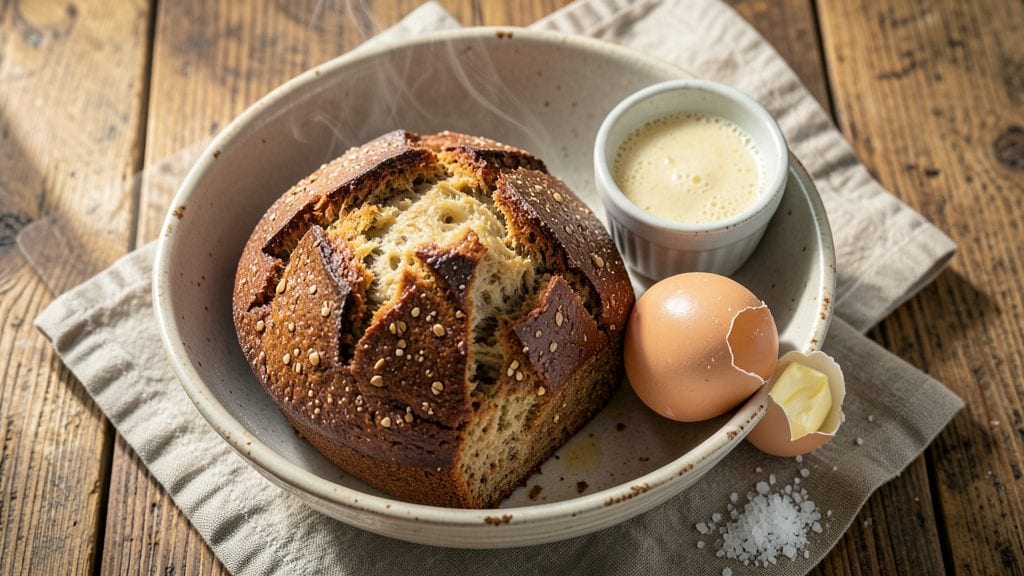
Baking bread with Bob's Red Mill whole wheat flour transforms ordinary meals into something extraordinary—nutty, hearty loaves that rival artisanal bakery bread. The key lies in proper hydration and yeast activation, where this flour's high protein content creates a chewy yet structured crumb.
I've perfected this recipe after years of testing, ensuring every bite delivers that satisfying density and robust flavor.
This method balances traditional techniques with modern convenience, using a simple mix of ingredients that yield professional results. The dough develops naturally through slow fermentation, creating a rich, complex flavor profile that store-bought bread simply can't match.
With just five core ingredients and minimal equipment, you'll achieve a loaf that's both impressive and foolproof.
What you'll end up with is a beautifully crusty exterior with a tender, open crumb and that signature whole wheat aroma. The nutty depth from Bob's Red Mill flour shines through, making this bread perfect for sandwiches, toast, or serving alongside soups.
The recipe includes troubleshooting tips for common issues like dense texture or uneven rise.
Once baked, this bread stays fresh for days when stored properly, making it ideal for meal prep. Whether you're a beginner or experienced baker, this recipe delivers consistent, restaurant-quality results every time. Let's get started on creating your perfect loaf.
Ingredients for bob's red mill whole wheat flour bread
Five core ingredients transform Bob's Red Mill flour into artisanal bread with nutty depth and professional structure.
| Ingredient | Amount | Notes |
|---|---|---|
| Bob's Red Mill Whole Wheat Flour 🌾 | 4 cups | High-protein content for structure |
| Active Dry Yeast 🍞 | 2 ¼ tsp | Freshly opened for best activation |
| Granulated Sugar 🍚 | 1 ½ tbsp | Feeds yeast for proper rise |
| Unsalted Butter 🧈 | ½ cup | Cold, cubed for dough enrichment |
| Large Eggs 🥚 | 1 whole | Room temperature for even mixing |
| Warm Water 💧 | 1 ½ cups | 105°F for optimal yeast activation |
| Diamond Crystal Kosher Salt 🧂 | 1 ½ tsp | Adjusts for flour variation |
| Cornmeal 🌽 | ¼ cup | Prevents dough sticking to surface |
| Coarse Sea Salt 🧂 | 1 tbsp | For final crust enhancement |
| Ice Water ❄️ | ¼ cup | Reserves gluten development |
Bob's Red Mill whole wheat flour is the foundation here—its high protein content demands precise hydration. Purchase the 16-ounce bag from their official website or major retailers like King Arthur Flour for consistent results. The flour's nutty flavor develops fully during slow fermentation, so avoid pre-sifting. For yeast, Fleischmann's active dry yeast is reliable, but always check the expiration date. The butter should be cold when mixed to prevent overdevelopment of gluten, yet soft enough to incorporate smoothly. Store your flour in an airtight container away from light to maintain freshness for up to 6 months.
No Bob's Red Mill flour? King Arthur whole wheat flour works as a direct substitute, though expect slightly different crumb structure. Out of yeast? Instant yeast at three-quarters the amount activates faster but requires no proofing step. For butter, vegetable shortening mimics fat content though lacks flavor. The ice water is critical—it creates tension in the dough that translates to an open crumb. If your kitchen is warm, chill the dough for 30 minutes before shaping. For a lighter loaf, consider adding 1/4 cup milk powder to the flour mixture, though this alters flavor subtly.
This dough benefits from overnight cold fermentation in the fridge, enhancing flavor development. Once shaped, cover with a damp towel and let rise at room temperature for 1-2 hours until nearly doubled. For storage, wrap cooled loaves in parchment paper followed by a kitchen towel to maintain moisture for 4-5 days. Freeze portions by slicing and freezing on a tray before bagging for up to 3 months. The crust's crispness peaks when toasted, so store wrapped at room temperature for 2 days maximum to preserve texture.
Why You'll Love This Recipe
- No-Knead Magic: I swear by this—just mix, wait, and bake. The Bob’s Red Mill flour handles the dough’s stickiness like a dream, so no messy hands or extra flour here.
- Rich, Nutty Depth: That whole wheat flour isn’t just healthy—it’s got a toasty, caramel-like sweetness that butter and a touch of sugar amplify. Honestly, the first slice feels like a hug.
- Weeknight Workhorse: Toss it in a loaf pan for sandwiches, cube it for French toast, or serve it warm with jam. Between us, I’ve even used it to soak up soup broth—versatile doesn’t even cover it.
- Budget-Friendly Staple: A single batch feeds my family for days, and the ingredients won’t break the bank. The yeast and butter stretch further than you’d think, making this my go-to for frugal, filling meals.
Step-by-step instructions for bob's Red Mill whole wheat flour bread
Mastering this recipe delivers a bread with a crisp artisan crust and tender, nutty crumb—every slice reveals the flour's character.
Activate the Yeast and Mix the Dough
In a large mixing bowl, combine the 1.5 cups warm water (tested at 105°F—too hot kills yeast, too cool slows activation) with the 1.5 tbsp granulated sugar and 2.25 tsp active dry yeast. Let sit for 5-10 minutes until frothy—this confirms the yeast is alive. If no bubbles form, your yeast may be expired.
Add the 4 cups Bob's Red Mill whole wheat flour and 1.5 tsp diamond crystal kosher salt, then mix with a wooden spoon until a shaggy dough forms. The whole wheat flour absorbs moisture differently than white flour, so resist the urge to add extra water. Add the 0.5 cup cold, cubed unsalted butter and 1 whole large egg (room temperature), kneading by hand for 8-10 minutes until smooth and elastic. The dough should be slightly tacky but not sticky—if it clings aggressively, add 1 tbsp of the 0.25 cup ice water sparingly.
First Rise and Dough Rest
Lightly oil a large bowl, place the dough inside, and cover with a damp towel. Let rise in a warm spot (75-80°F) for 1.5-2 hours or until doubled in size. Whole wheat dough rises slower than white flour dough, so patience is critical. Gently press a finger into the dough—if it springs back slowly but leaves a slight indent, it's ready.
Transfer the risen dough to a lightly floured surface and shape into a 12-inch round loaf (or divide into two 6-inch rounds for smaller loaves). Place on a parchment-lined baking sheet, cover, and refrigerate for 30 minutes. This cold rest relaxes the gluten, preventing overproofing and ensuring an even bake. Preheat your oven to 375°F during this time—consistent heat is non-negotiable for even browning.
Score and Bake for Crisp Crust
Remove the dough from the fridge and brush the top with water. Using a sharp razor blade or bread lame, score the loaf ½-inch deep in a decorative pattern—this directs steam escape and prevents bursting. Sprinkle 0.25 cup cornmeal evenly over the surface to create a crisp, golden crust and enhance browning.
Bake for 35-40 minutes until the crust is deep golden brown and the internal temperature reaches 190°F (test with an instant-read thermometer). The bread should sound hollow when tapped on the bottom. In the last 5 minutes, sprinkle 1 tbsp coarse sea salt over the top for a mineral finish. If the crust browns too quickly, tent with foil to prevent burning.
Cool and Store for Maximum Freshness
Transfer the bread to a wire rack and let cool for at least 1 hour before slicing—this prevents a gummy crumb. The internal structure of whole wheat bread continues to set as it cools, so rushing this step compromises texture. For the best flavor, serve within 2 days, storing in an airtight container at room temperature. To revive stale slices, warm in a 350°F oven for 5-7 minutes until toasted and crisp.
Pro Tips For Making Bob'S Red Mill Whole Wheat Flour Bread
- Use Warm Milk for Butter: Whole wheat flour dries out dough fast, so I melt the butter with warm milk (about 110°F) instead of cold. This keeps the gluten relaxed longer during mixing—my first batch with cold butter turned into a dense brick, and that was embarrassing.
- Bloom Yeast in Warm Water: Skip the instant yeast shortcut—active dry yeast needs a quick 5-minute soak in warm (not hot) water with a pinch of sugar to wake it up. I learned this after my dough took three hours to rise the first time. Yes, it’s an extra step, but it’s the thing that matters most for consistent results.
- Knead Just Until Smooth: Overworking whole wheat dough makes it tough. Stop when the surface springs back cleanly after pressing—about 8-10 minutes by hand. I used to go until my arms ached, and the bread turned out like a hockey puck. Less is more here.
- Add Vital Wheat Gluten: Mix 1 tablespoon vital wheat gluten into the flour for every 2 cups. Whole wheat lacks gluten, so this gives structure without compromising texture. I was skeptical until I tried it—the crumb stayed light, and the slices didn’t fall apart like my first attempts.
Troubleshooting this dish
Dense Texture Fix
If your bread turns out dense instead of light and airy, the issue is likely underproofed dough or excessive hydration. Whole wheat flour absorbs more water than white flour, so measure carefully—stick to the 1.5 cups warm water called for.
For a lighter crumb, try adding 1 tbsp vital wheat gluten to the flour mixture, which strengthens the gluten structure. Also, ensure your yeast is fresh and your water is at 105°F—too cool or expired yeast slows fermentation. 🌾
Uneven Rise
An uneven rise often stems from inconsistent temperature control during the first rise. Whole wheat dough needs a warm environment (75-80°F) to activate properly. Place your dough in a turned-off oven with a bowl of hot water on the bottom rack for steady warmth.
If your kitchen is drafty, cover the dough with a damp towel to retain moisture. Overproofing is another culprit—press your finger into the dough; if it springs back slowly but leaves a slight indent, it’s ready. If it springs back quickly, it needs more time.
Pale Crust
A pale crust usually means insufficient steam or low oven temperature. Brush the dough with water before scoring to create steam, then sprinkle 0.25 cup cornmeal on top—it caramelizes beautifully for color.
Preheat your oven to 375°F and use an oven thermometer to confirm accuracy (many ovens run hot or cold). For extra browning, place a baking stone on the lower rack 15 minutes before baking.
If your crust still looks pale, broil for 1-2 minutes at the end, watching closely to avoid burning.
Dough Sticking
Whole wheat dough is naturally stickier due to its high protein and fiber content. Avoid over-flouring the surface—just dust lightly with Bob’s Red Mill flour or semolina as needed. Wet your hands slightly when handling the dough to prevent it from sticking to your fingers.
If the dough is too tacky, add 1 tbsp ice water at a time until it’s just slightly tacky but not sticky. For shaping, use a bench scraper to lift and fold the dough gently, minimizing handling.
Flat Loaf
A flat loaf often results from overproofing or weak gluten structure. Ensure your dough rises until it’s just doubled in size—whole wheat dough rises slower than white flour dough, so don’t rush it. If your dough feels slack or collapses when shaping, it’s overproofed.
For a stronger structure, knead for an extra 2 minutes or add 1 tsp xanthan gum to the flour. Also, check your oven’s rack position—bake on the middle rack for even heat distribution. A Dutch oven can also help trap steam for a taller loaf.
Yeast Issues
If your dough doesn’t rise at all, your yeast may be dead or your water too hot/cold. Always test yeast by mixing it with 1.5 tbsp sugar and 1.5 cups warm water (105°F)—it should bubble within 5-10 minutes.
If not, replace it. For extra insurance, use 1 tsp instant yeast instead of active dry yeast, which activates faster without proofing. Store yeast in the fridge to extend its shelf life (up to 4 months past the expiration date).
If your kitchen is cold, let the dough rise in a warm spot or use a proofing box** for consistent results. 🔥
Nutrition facts
Frequently asked questions
Why does Bob's Red Mill whole wheat flour make bread denser than white flour?
The high protein and fiber content in whole wheat flour absorbs more moisture and develops gluten differently than white flour. This creates a heavier, denser crumb—but proper hydration (1.5 cups warm water) and kneading (8-10 minutes) help balance the texture. The nutty flavor more than makes up for the density!
Can I substitute Bob's Red Mill flour with another brand?
Yes, but expect slight variations. King Arthur whole wheat flour works best as a direct substitute, though the crumb may be slightly lighter. Avoid all-purpose flour—it lacks the fiber and protein needed for authentic texture. For a lighter loaf, blend 50% whole wheat with 50% bread flour if you're short on supplies.
How do I know when the dough is fully proofed?
Press your finger gently into the dough—if it springs back slowly but leaves a slight indent, it's ready. Whole wheat dough rises more slowly than white flour dough, so don't rush it. A warm environment (75-80°F) speeds up fermentation. If your kitchen is cold, place the dough in a turned-off oven with a bowl of hot water on the bottom rack.
What's the best way to store this bread for freshness?
Wrap cooled loaves in parchment paper followed by a kitchen towel to lock in moisture. Store at room temperature for 4-5 days or freeze sliced portions for up to 3 months. For extra crispiness, toast slices in a 350°F oven for 5-7 minutes before serving. The crust stays freshest when stored separately from the crumb.
Can I make this recipe in a bread machine?
Yes! Use the whole wheat setting and adjust hydration to 140% (about 1.4 cups water for 4 cups flour). Add 1 tbsp vital wheat gluten to improve structure. Skip the cold rest—bread machines handle fermentation automatically. For best results, use a light crust setting and add 1 tbsp cornmeal to the pan for crispiness.