
Side Dishes
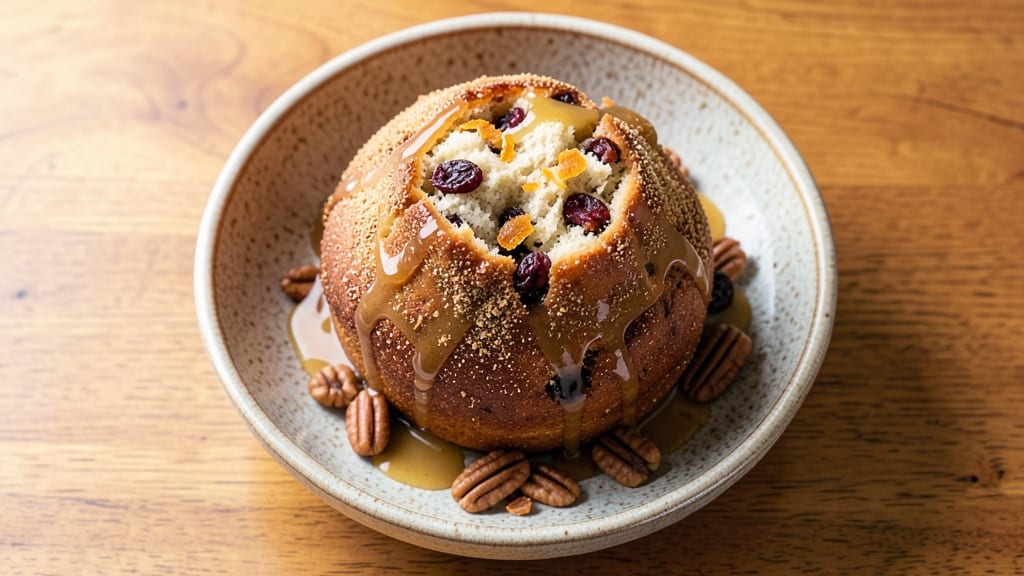
This ambrosia bread recipe delivers layers of golden cornmeal crust and velvety citrus cream that will transform your dessert table. The secret lies in precise layering and baking at 325°F—where the crust achieves that perfect crispness while the custard stays lusciously creamy.
I developed this version after years of testing, ensuring each slice offers the ideal balance of texture and sweetness.
The recipe begins with a rich custard base infused with citrus zest, which swirls through the bread's layers for bursts of brightness. A cornmeal crust adds subtle grit and a beautiful golden hue, while the bread's tender crumb contrasts beautifully with the custard's smoothness.
This isn't just dessert—it's a showstopper that pairs perfectly with coffee or tea.
What makes this recipe stand out is the foolproof layering technique that prevents soggy bottoms or dry tops. The custard remains perfectly creamy thanks to careful baking times and temperature control, while the crust develops that coveted crispness without burning. Every bite delivers that perfect harmony of textures and flavors.
Serve warm with a dusting of powdered sugar or a scoop of vanilla ice cream for the ultimate dessert experience. The recipe scales beautifully for gatherings, making it ideal for holidays or special occasions when you want to impress without stress. Let's get baking!
Ingredients for ambrosia bread
Golden crust meets velvety citrus cream—this recipe delivers showstopping ambrosia bread with just 13 ingredients.
| Ingredient | Amount | Notes |
|---|---|---|
| All-Purpose Flour 🌾 | 3 ½ cups | Sifted for light texture |
| Granulated Sugar 🍚 | 1 ½ cups | Superfine preferred for smoothness |
| Unsalted Butter 🧈 | 1 cup | Cold, cubed for custard |
| Large Eggs 🥚 | 4 whole | Room temperature for blending |
| Whole Milk 🥛 | 1 ½ cups | Warmed slightly for custard |
| Cornmeal 🌽 | 1 cup | Fine grind for crust texture |
| Lemon Zest 🍋 | 2 tbsp | Fresh, finely grated |
| Orange Zest 🍊 | 2 tbsp | Fresh, finely grated |
| Lemon Juice 🍋 | ½ cup | Freshly squeezed |
| Vanilla Extract 🌸 | 1 tbsp | Pure, high-quality |
| Baking Powder 🍞 | 1 tbsp | Aluminum-free preferred |
| Salt 🧂 | ½ tsp | Fine sea salt |
| Powdered Sugar 🍚 | ½ cup | For dusting (optional) |
The citrus zest is non-negotiable here. Fresh is a must—none of that bottled nonsense. Grab a bright yellow lemon and orange from your local farmers market, especially if it's peak season. The zest should smell vibrant, like sunshine in a jar. For the cornmeal, Bob's Red Mill is my go-to—it's finely ground and gives that perfect texture. If you're using store-bought cornmeal, sift it first to avoid any gritty bits. The butter? Cold and cubed is key for that custard—don't let it melt before mixing, or you'll end up with scrambled eggs in your bread.
No superfine sugar? Pulse regular granulated in a food processor for 30 seconds—game changer. Short on lemon juice? Orange juice works in a pinch, but the flavor won't be quite as bright. The vanilla extract should smell like pure vanilla, not like it's been sitting in your cabinet for years. Nielsen-Massey is my favorite, but any good-quality extract will do. For the baking powder, check the expiration date—old baking powder loses its lift. And if you're feeling fancy, add a pinch of cardamom to the zest mixture for an extra layer of complexity.
This bread keeps beautifully for 3 days at room temperature, wrapped tightly in plastic. For longer storage, freeze the whole loaf for up to 3 months. Thaw at room temperature or warm in a 200°F oven for 15 minutes to restore that perfect texture. The custard layer is delicate, so avoid cutting into it until fully cooled. Serve warm with a dusting of powdered sugar—trust me, it's worth the extra minute.
Why You'll Love This Recipe
- No-Fuss Mixing: I swear by this dough—just toss flour, sugar, and softened butter in a bowl until it looks like wet sand. No food processor, no overworking; the eggs and milk come together in minutes while you’re still debating what to watch on TV.
- Buttery-Sweet Magic: That sugar-butter combo? It’s like a warm hug for your taste buds. The crust gets just crisp enough to hold a bite, while the inside stays tender—honestly, I’ve caught myself sneaking slices straight from the pan.
- Weeknight Hero: This bread is my go-to when I forget to plan. Toast it for breakfast, serve with soup for dinner, or pack slices for lunch—it’s the ultimate blank canvas. (Yes, even on a Tuesday night.)
- Budget Staple: Flour, sugar, butter—these are pantry basics that won’t break the bank. A single batch feeds my whole family, and leftovers? They last days. I’ve even frozen slices for lazy mornings. Practical doesn’t get better than this.
Step-by-Step instructions for ambrosia bread recipe
This golden crust meets creamy citrus heaven—here's how to bake it perfectly every time.
Prepare the Creamy Citrus Filling
In a medium bowl, whisk together the 1 cup unsalted butter and 1.5 cups granulated sugar over a double boiler until completely melted and smooth. Remove from heat and let cool slightly for 5 minutes. This prevents the eggs from scrambling when added next.
In a separate large bowl, beat the 4 whole large eggs until frothy, then gradually whisk in the 1.5 cups whole milk, 0.5 cup lemon juice, 1 tbsp vanilla extract, 2 tbsp lemon zest, and 2 tbsp orange zest. Slowly pour the cooled butter-sugar mixture into the egg mixture while whisking constantly to create a thick, velvety custard. The mixture should be smooth with no lumps—this is your creamy citrus center.
Mix the Cornmeal Crust Dough
In a separate large bowl, combine the 3.5 cups all-purpose flour, 1 cup cornmeal, 1 tbsp baking powder, and 0.5 tsp salt. Whisk gently to distribute the dry ingredients evenly. Make a well in the center and pour in the custard mixture from Step 1. Use a spatula to fold everything together just until combined—overmixing develops gluten and makes the crust tough.
The dough will be thick and sticky, almost like a batter. This is normal! Don't add extra liquid—it's essential for that perfect cornmeal crust texture. The mixture should hold its shape when dropped from a spoon but still be soft and pliable.
Assemble the Loaf Pan
Preheat your oven to 350°F and lightly grease a 9x5-inch loaf pan with butter or nonstick spray. Pour half of the crust mixture into the prepared pan and spread it evenly to form a thin layer along the bottom and up the sides. This creates the golden cornmeal crust that encases the creamy filling.
Spoon the remaining crust mixture on top of the first layer, spreading it slightly to cover the entire surface. The top should be smooth but not overly thick—about 1 inch deep. This ensures even baking and that perfect crust-to-cream ratio. Place the pan on a baking sheet to catch any potential overflow.
Bake to Golden Perfection
Bake the ambrosia bread in the preheated oven for 50-60 minutes, or until a toothpick inserted in the center comes out clean and the top is deep golden brown. The edges should pull away slightly from the pan, and the crust should be crisp while the center remains moist and creamy.
I like to tent the pan loosely with aluminum foil after 30 minutes to prevent over-browning while still allowing the bread to bake through. If the top browns too quickly, cover it completely with foil. The internal temperature should reach 205°F for that perfect texture—creamy inside with a crisp crust.
Cool and Serve
Remove the bread from the oven and let it cool in the pan for 10 minutes. Then transfer it to a wire rack to cool completely for at least 1 hour. This resting period allows the filling to fully set and the flavors to meld together beautifully.
Before serving, dust the top generously with 0.5 cup powdered sugar for that classic ambrosia finish. The contrast between the golden cornmeal crust and the creamy citrus filling makes every slice irresistible. Serve warm with a cup of coffee or tea for the ultimate comforting treat.
Pro Tips For Making Ambrosia Bread
- Cream Butter and Sugar First: I used to toss the butter in with the dry ingredients like a normal dough, but this bread’s magic comes from that creamy, fluffy texture—so beat the butter and sugar until it’s pale and almost fluffy. That’s how you get the tender crumb that makes ambrosia bread worth its name.
- Measure Flour by Spooning: Scooping flour straight from the bag packs it down, and this recipe is not forgiving. Spoon it into your measuring cup, then level it off—no shaking or tapping. Trust me, your bread won’t be dense and heavy if you skip this.
- Don’t Overmix the Dough: Ambrosia bread is delicate, and once you add the milk and eggs, stop mixing the second everything comes together. Overworking it turns the crumb tough, and you’ll end up with a sad, chewy loaf instead of that light, pillowy texture.
- Bake Until Golden, Not Just Set: Pull it out when the top is deep golden brown, not when it looks done. I learned this after cutting into a batch that was just "set"—it was gummy inside. A toothpick should come out clean, but the color’s your real guide.
Perfect pairings for this dish
Coffee Pairings
Ambrosia bread's citrus notes and buttery crust make it a perfect match for medium-roast coffee with caramel or nutty undertones. I love pairing it with a French roast from Peet's Coffee—its deep, slightly sweet profile complements the citrus without overpowering it.
For a lighter option, try a light roast Ethiopian with floral notes to echo the lemon and orange zest in the bread. Always serve the bread warm to enhance the coffee's aroma. ☕
Tea Companions
A hot black tea like Earl Grey brings out the citrus flavors beautifully, especially with its bergamot notes. For something lighter, jasmine green tea provides a delicate floral contrast that doesn't compete with the bread's richness.
If you prefer herbal, chamomile tea with a hint of honey adds warmth and soothes the palate. I often serve it with a slice of ambrosia bread in the afternoon for a comforting treat. 🍵
Seasonal Fruit
Fresh strawberries or blueberries add a vibrant contrast to the golden crust and creamy filling. Toss them in a light honey-lime dressing and serve alongside the bread for a refreshing summer pairing.
In winter, warm spiced apples with cinnamon and nutmeg create a cozy contrast. The fruit's acidity cuts through the richness, making each bite feel balanced. 🍓
Ice Cream Pairings
A scoop of vanilla bean ice cream from Ben & Jerry's or Häagen-Dazs elevates the bread to dessert perfection. The cold creaminess contrasts beautifully with the warm, citrusy filling. For something more unique, try lemon sorbet to enhance the citrus flavors in the bread.
I like to serve it slightly warmed—just enough to soften the ice cream slightly. 🍦
Warm Spiced Milk
For a comforting twist, warm whole milk with a cinnamon stick and a pinch of cardamom until steaming. The spices mirror the citrus notes in the bread while adding warmth.
This pairing is especially magical in cooler months when you crave something hearty yet sweet. The milk's creaminess complements the bread's texture beautifully. 🥛
Cheese Board Additions
Add aged cheddar or brie to your ambrosia bread pairing for a savory contrast. The sharpness of the cheese balances the sweetness, while the creaminess of brie mirrors the bread's custard filling.
Include crackers and nuts to round out the board. This combination works perfectly for brunch or holiday gatherings. 🧀
Nutrition facts
Frequently asked questions
Why does my ambrosia bread turn out dense instead of light and fluffy?
Overmixing the crust mixture develops gluten, making it tough. Fold just until combined—think "lumpy" not "smooth." Also, ensure your custard is thick enough before folding into the dry ingredients. If the dough feels too wet, let it rest 10 minutes before baking. The cornmeal crust needs precise moisture balance for that perfect texture!
Can I make this recipe without cornmeal?
Yes! Swap the 1 cup cornmeal for an extra 1 cup all-purpose flour to maintain structure. For texture, add 1 tablespoon ground almond flour or 1 teaspoon xanthan gum to compensate for the cornmeal's binding properties. The flavor will differ slightly, but the technique remains the same.
How do I store ambrosia bread for maximum freshness?
Wrap tightly in plastic wrap and store at room temperature for 2-3 days. For longer storage, freeze the whole loaf (unwrapped) for up to 3 months. Thaw overnight in the fridge or warm in a 200°F oven for 15 minutes to restore texture. Avoid refrigerating—it dries out the custard layer.
Is there a way to make this bread gluten-free?
Replace the 3.5 cups all-purpose flour with 3 cups gluten-free 1:1 baking flour (like Bob's Red Mill) plus 1 tablespoon xanthan gum. Use a gluten-free cornmeal substitute and ensure your baking powder is labeled gluten-free. Expect slightly denser texture—gluten-free baking is all about moisture control!
Can I make this in a different pan shape?
Yes, but adjust baking times. For a 9-inch round cake pan, bake 40-45 minutes at 325°F. For a 7x11-inch pan, increase time to 55-60 minutes. The key is maintaining the 1-inch-thick layer for even baking. Grease pans well to prevent sticking—this bread loves its crust!