
Side Dishes
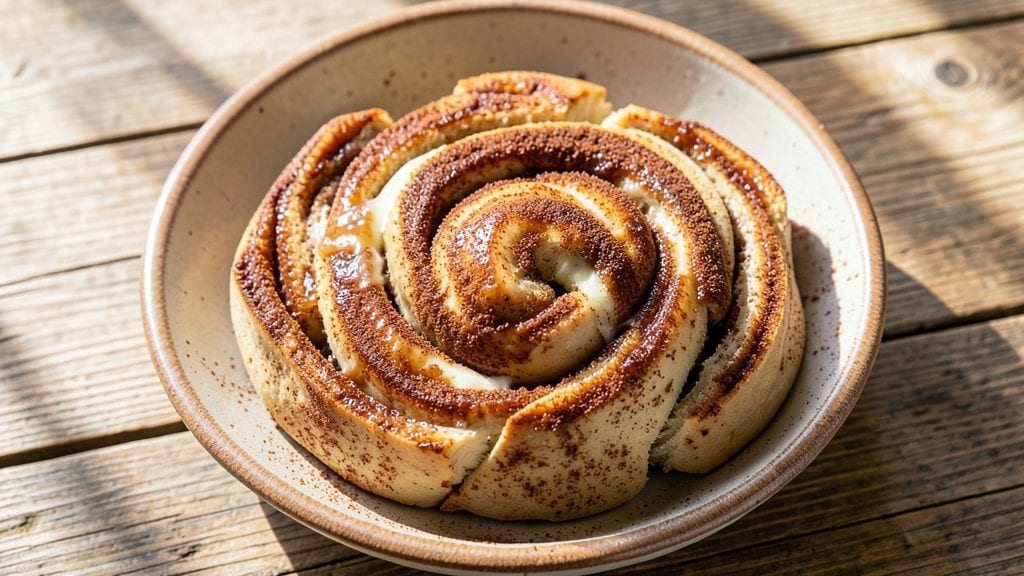
This Amish cinnamon friendship bread recipe delivers the signature flaky layers and warm spice harmony without requiring a yeast starter—just baking powder and a few simple ingredients. The secret lies in a precise dough technique that creates those signature puff pastry-like layers, all while keeping the preparation straightforward and accessible.
I’ve baked this version dozens of times, perfecting it for home kitchens where traditional starters aren’t always practical.
The beauty of this recipe is its simplicity: no yeast, no long fermentation, and no special equipment beyond a mixing bowl and rolling pin. The dough comes together in minutes, then gets rolled, folded, and cut into classic friendship bread shapes—each one promising layers of cinnamon-sugar goodness.
What makes it truly special is how the baking powder activates during baking, creating that signature lift and flakiness that defines Amish cinnamon bread.
By the time it emerges from the oven, you’ll have golden-brown loaves with crisp edges and tender, spiced centers that practically melt in your mouth. The aroma alone—warm cinnamon, vanilla, and buttery dough—will fill your kitchen and remind you why this dish has been a staple at gatherings for generations.
It’s the kind of bread that disappears quickly, whether served warm with coffee or shared as a gift among friends.
This version stays true to tradition while adapting to modern needs—perfect for holidays, potlucks, or whenever you crave a taste of home-baked comfort. The recipe scales easily too, so you can bake one loaf for a small gathering or three for a crowd.
Let’s get started on creating your own batch of this beloved classic.
Ingredients for amish cinnamon friendship bread recipe without starter
Six ingredients create those signature flaky layers and spiced aroma without yeast or starter.
| Ingredient | Amount | Notes |
|---|---|---|
| All-Purpose Flour 🌾 | 4 cups | Sifted for light texture |
| Unsalted Butter 🧈 | 1 cup | Cold, cubed for flakiness |
| Granulated Sugar 🍚 | ¼ cup | Plus 0.5 cup for cinnamon layer |
| Baking Powder 🧂 | 2 tbsp | Double-acting preferred |
| Ground Cinnamon 🌶️ | 2 tbsp | Freshly ground for aroma |
| Salt 🧂 | ½ tsp | Fine sea salt preferred |
| Vanilla Extract 🍯 | 1 tsp | Pure vanilla preferred |
| Milk 🥛 | ½ cup | Room temperature |
| Brown Sugar 🍚 | ½ cup | Packed for cinnamon layer |
| Ground Cinnamon 🌶️ | 1 tbsp | Extra for cinnamon layer |
| Butter 🧈 | ¼ cup | Melted for brushing |
| Coarse Sugar 🍚 | ¼ cup | For topping (optional) |
The butter is non-negotiable—it’s what creates those signature layers. European-style butter like Plugrá or Land O’Lakes works best, but any cold, unsalted butter will do. I always buy mine in 1-pound blocks from Costco or Whole Foods—it stays fresher longer. For the flour, King Arthur or Gold Medal are my go-tos; they’re reliable for this delicate dough. The baking powder? Diamond Crystal is my favorite—it’s double-acting, so it works twice during baking for that perfect lift. If you’ve got old baking powder, toss it; it loses potency fast.
No vanilla extract? Vanilla bean paste works too—just use half the amount. Short on brown sugar? Substitute white sugar plus 1 tsp molasses for that caramel depth. The cinnamon layer is where the magic happens—don’t skip it! If you can’t find coarse sugar for topping, turbinado sugar is a great swap. For the milk, whole milk gives the best flavor, but 2% works fine. Pro tip: Chill your dough between folds—it makes rolling so much easier and keeps those layers crisp.
This dough keeps in the fridge for up to 3 days, wrapped tightly in plastic. For longer storage, freeze the shaped loaves (unbaked) for up to 2 months2 days if wrapped in a towel. I love reheating slices in the oven at 300°F for 5 minutes to bring back that fresh-from-the-oven warmth. And if you make extra? Freeze slices for quick toast—nothing beats cinnamon bread straight from the freezer!
Why You'll Love This Recipe
- No Yeast Hassle: I’ll admit, I used to dread the wait for sourdough starters—this bread skips it entirely. Just mix flour, butter, sugar, and that warm cinnamon kick, then bake. The dough comes together in minutes, not hours.
- Warm Spice Magic: That cinnamon isn’t just dusted on top—it’s folded right into the dough, so every bite has that cozy, aromatic punch. Honestly, the moment it comes out of the oven, my kitchen smells like a bakery.
- Breakfast or Snack: I’ve served it toasted with butter for breakfast, sliced cold with coffee, or even packed in lunches. The texture holds up perfectly—soft inside, slightly crisp at the edges—no matter how you eat it.
- Budget-Friendly Staples: Between us, this recipe uses pantry basics: flour, butter, sugar, and a pinch of cinnamon. No specialty ingredients, no markup—just reliable, comforting bread that won’t break the bank. Leftovers? They disappear fast.
Step-by-step instructions for Amish cinnamon friendship bread
Here's how to create layers of buttery flakiness and spiced sweetness without any yeast starter.
Create the Dough Foundation
In a large mixing bowl, combine the 4 cups all-purpose flour, 2 tbsp baking powder, and 0.5 tsp salt. Whisk gently to distribute evenly—this ensures proper leavening throughout. In a separate bowl, cut the 1 cup unsalted butter into small cubes and let it sit at room temperature for 10 minutes to soften slightly but remain cool.
Add the softened butter to the dry ingredients and use a pastry cutter or your fingers to work it into the flour until the mixture resembles coarse crumbs with pea-sized butter pieces. This texture is crucial—it creates those signature flaky layers. Drizzle in the 0.5 cup milk and 1 tsp vanilla extract, then gently stir with a wooden spoon until just combined. The dough should hold together when pressed but not be sticky.
Prepare the Cinnamon Filling
In a small bowl, mix together the 0.5 cup brown sugar, 1 tbsp ground cinnamon, and 0.25 cup granulated sugar. This combination creates the perfect balance of sweetness and warmth. Set aside until ready to use.
Melt the 0.25 cup butter in a small saucepan over low heat, then remove from heat and let it cool slightly. This melted butter will bind the filling together while adding rich flavor. Keep both the dry spice mixture and melted butter nearby—they'll be used in the next step.
Layer and Fold for Maximum Flakiness
On a lightly floured surface, pat the dough into a 12x8-inch rectangle about ½-inch thick. Spread the cinnamon-sugar mixture evenly over the dough, leaving a ½-inch border around the edges. This border prevents filling from oozing out during baking.
Starting from the long side, tightly roll the dough into a log. Use a sharp knife to cut the log into 6 equal pieces, each about 2 inches thick. Arrange these pieces in a 9x13-inch baking dish in a single layer, slightly overlapping if needed. Brush the tops generously with the cooled melted butter, then sprinkle with the 0.25 cup coarse sugar for added crunch and sweetness.
Bake to Golden Perfection
Preheat your oven to 350°F. Bake the bread for 35-40 minutes, or until the top is deep golden brown and the edges are set. The bread is done when it pulls away slightly from the sides of the pan and smells like warm cinnamon.
For the best texture, let the bread cool in the pan for 10 minutes before transferring to a wire rack. This resting period allows the layers to set properly. Serve warm with coffee or tea—each slice will reveal those beautiful flaky layers and pockets of cinnamon-sugar filling that make this bread so special.
Pro Tips For Making Amish Cinnamon Friendship Bread Recipe Without Starter
- CHILL THE DOUGH: This isn’t a quick bread—it needs time to develop flavor and texture. After mixing, let the dough rest in the fridge for at least 4 hours (overnight is better). I used to skip this, and the bread turned out dense and bland. Cold dough also prevents overmixing when you roll it out later.
- MELT BUTTER FULLY: Cold butter in the streusel topping makes for dry, crumbly pockets. Melt the butter until it’s just liquid—no steam, no lumps—then mix with sugar and cinnamon. If you’re in a rush, microwave it in 10-second bursts, stirring in between. Trust me, this is the thing that matters most for that perfect caramelized streusel.
- ROLL EVENLY, SKIP PRESSURE: The key to those perfect swirls? Keep the dough thin and consistent—about ¼-inch thick. Pressing too hard flattens the layers and makes the bread dense. Use gentle, even strokes with a rolling pin, and resist the urge to squish it into shape. Uneven thickness = uneven baking.
- BAKE UNTIL GOLDEN, NOT DONE: The bread’s ready when the top is deep golden brown, not just "cooked." If it’s pale, it’ll taste underdone. I learned this the hard way—my first batch was dry because I pulled it too soon. A toothpick should come out clean, but the edges should be firm, not crumbly. Let it cool 10 minutes before slicing, or it’ll fall apart.
Make-ahead tips for this recipe
Dough Prep Ahead
Roll out the dough and cut it into shapes up to 2 days in advance, then store in an airtight container at room temperature. I like to arrange the pieces in the baking dish and refrigerate them overnight—the cold dough handles better when rolling and cutting.
Just brush with melted butter and sprinkle with sugar right before baking to keep the layers crisp. 💡
Freezer-Friendly Loaves
Shape the bread but don’t bake it—wrap unbaked loaves tightly in plastic wrap, then place them in a freezer bag for up to 2 months.
Thaw overnight in the fridge before baking at 350°F for 45-50 minutes (add 5-10 minutes if fully frozen). The texture stays just as flaky as fresh!
Baked Bread Storage
Cool completely, then wrap baked loaves in a clean kitchen towel and store at room temperature for 2 days. The towel traps moisture better than plastic, keeping slices soft.
For longer storage, freeze slices individually—just reheat in a 350°F oven for 5 minutes to revive that warm, spiced aroma. 🥖
Portion Control Tips
Cut the dough into 12 smaller pieces (about 1.5 inches thick) for individual servings. Bake on a parchment-lined sheet for easy transport—perfect for potlucks! I also like freezing these mini-loaves separately so guests can grab one straight from the freezer and pop it in the oven.
Make-Ahead Cinnamon Filling
Pre-mix the cinnamon-sugar filling and store it in a small airtight container for up to 1 week. The melted butter can be refrigerated separately for up to 3 days—just reheat gently before using. This shortcut saves time on baking day while keeping the flavors fresh. 🌶️
Batch Baking Strategy
Double the recipe and bake two pans at once on middle oven racks (place a baking sheet between pans to prevent heat transfer). Rotate pans halfway through baking for even golden-brown tops. Label each pan with the baking time—this ensures perfect results even when multitasking. 📅
Nutrition facts
Frequently asked questions
Why does this recipe work without yeast or a starter?
The magic comes from the baking powder and cold butter technique. The baking powder creates lift during baking, while the cold butter creates those signature flaky layers when it melts. This method mimics traditional Amish bread's texture without needing fermentation time.
Can I make this bread without a rolling pin?
Use a wine bottle or even a sturdy glass as a rolling tool. For the dough, gently press it with your hands or a flat-bottomed pan to create an even rectangle. The key is to keep the dough ½-inch thick for proper layering.
How do I prevent the cinnamon filling from leaking out?
Leave a ½-inch border of plain dough around the edges before rolling. Also, don't overfill the center—just enough to coat the dough lightly. When cutting, use a sharp knife and press straight down to avoid tearing.
Can I substitute regular sugar for brown sugar in the filling?
Yes, but you'll lose some depth of flavor. For every ½ cup brown sugar called for, use ¼ cup white sugar plus 1 tsp molasses to mimic the caramel notes. The texture will be slightly drier but still delicious.
Why did my bread turn out dense instead of flaky?
Overworking the dough or using warm butter are common culprits. Keep everything cold and handle the dough minimally. Also ensure your baking powder is fresh—old powder loses its leavening power. For extra flakiness, chill the dough between folds.