
Side Dishes
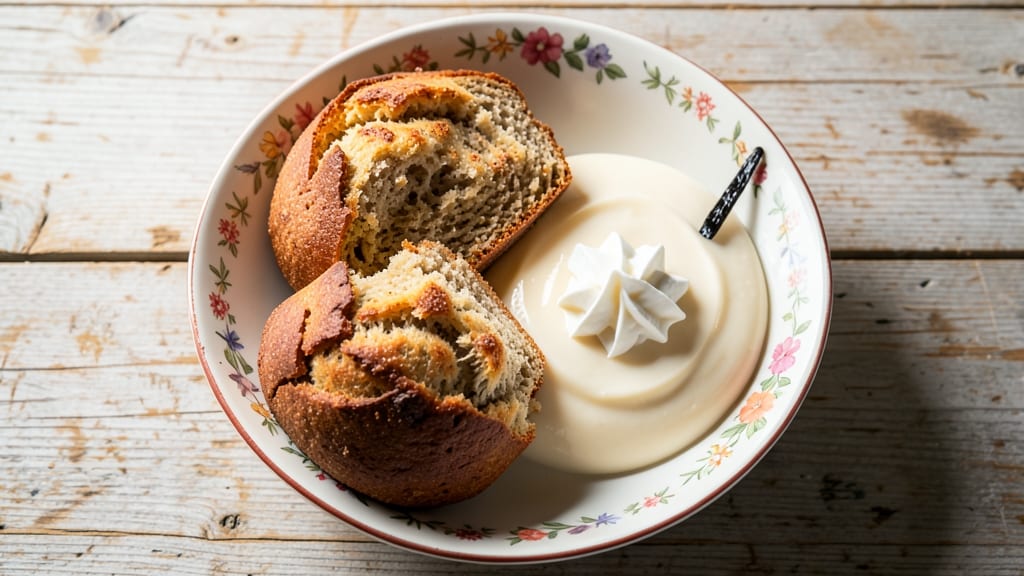
This Amish friendship bread recipe with vanilla pudding combines rustic warmth with silky creaminess for a dessert pairing that feels like a hug. The bread’s buttery layers and cinnamon-sugar swirl create the perfect vessel for rich vanilla pudding, a classic custard that balances sweetness with smooth texture.
I developed this recipe after years of perfecting the bread’s signature shape and the pudding’s velvety consistency—two components that work together seamlessly.
The bread’s secret lies in its simple, layered dough and precise shaping, while the pudding relies on slow cooking for that signature creamy texture without lumps. Traditional Amish techniques ensure the bread stays tender, and the pudding’s vanilla flavor deepens as it chills.
Together, they create a dessert that’s both nostalgic and refined, perfect for gatherings or quiet evenings.
What you’ll achieve is a warm, fragrant loaf with a lightly crisp crust and soft interior, paired with cool, velvety pudding that melts on the tongue.
The contrast of temperatures and textures makes every bite unforgettable. This combination is foolproof, with clear steps for both components, ensuring restaurant-quality results at home.
Serve the bread warm with a scoop of chilled pudding, or let the pudding sit at room temperature for a cozy, layered experience. The recipe scales easily, making it ideal for parties or meal prep. Let’s create this timeless pairing step by step.
Ingredients for amish friendship bread recipe with vanilla pudding
Twelve simple ingredients transform into a comforting dessert pairing that balances rustic bread with velvety pudding.
| Ingredient | Amount | Notes |
|---|---|---|
| All-Purpose Flour 🌾 | 5 cups | Sifted for light texture |
| Unsalted Butter 🧈 | 1 cup | Cold, cubed for layers |
| Granulated Sugar 🍚 | 1 ½ cups | Divided for dough and topping |
| Large Eggs 🥚 | 2 whole | Room temperature preferred |
| Vanilla Extract 🍯 | 2 tsp | Pure vanilla preferred |
| Ground Cinnamon 🌿 | 1 tsp | Freshly ground for warmth |
| Sea Salt 🧂 | ½ tsp | Fine grain preferred |
| Milk 🥛 | ½ cup | Whole milk for richness |
| Heavy Cream 🥛 | 1 cup | Full-fat for pudding |
| Cornstarch 🌾 | 2 tbsp | For pudding thickening |
| Vanilla Bean Paste 🍯 | 1 tbsp | Or 1 tsp vanilla extract |
| Pinch of Salt 🧂 | ⅛ tsp | Balances sweetness |
| Ground Nutmeg 🌿 | ¼ tsp | Freshly grated preferred |
The flour and butter form the bread's signature layers, so choose high-quality all-purpose flour—King Arthur or Gold Medal work best. Unsalted butter gives you control over seasoning, and cold cubes create those perfect flaky layers. For the pudding, heavy cream and cornstarch are non-negotiable—this is what creates that signature silky texture. I always grab full-fat cream from Trader Joe's for the best results, and the cornstarch should be lump-free. Freshly ground spices make all the difference, so if you've got a spice grinder, use it for the cinnamon and nutmeg. The vanilla? Pure vanilla extract or a real vanilla bean—nothing artificial here.
No heavy cream? Whole milk plus 2 tbsp melted butter works in a pinch, though the texture will be slightly lighter. Running out of cornstarch? Arrowroot powder at the same amount is a perfect swap. For the bread, if you can't find vanilla extract, vanilla bean paste or even a scraped vanilla bean will give you that authentic flavor. The nutmeg is optional but adds depth—skip it if you're sensitive to strong spices. Prefer a different sweetener? Brown sugar works for the dough, though it'll give a slightly different texture. Always measure your flour by weight if possible—spooning it in gives inconsistent results.
The bread dough keeps well for 2 days in the fridge, wrapped tightly in plastic. For longer storage, freeze the shaped loaf for up to 3 months—thaw at room temperature before baking. The pudding thickens as it chills, so reheat gently with extra cream if it gets too firm. Both components reheat beautifully—the bread in a 350°F oven for 10 minutes and the pudding in the microwave with a splash of milk. Portion the pudding into ramekins before chilling for easy serving.
Why You'll Love This Recipe
- You’re using pantry basics: flour, butter, sugar—things you already own. The pudding mix is cheap, and the dough stretches to feed six for under $5. I’ve made this for potlucks, church gatherings, and lazy Sundays without breaking the bank. Practical perfection.
- No-Yeast Hassle: Mixing the dough takes less than 10 minutes—just flour, butter, sugar, and eggs—then fold in that warm vanilla pudding. No waiting for yeast to proof, no kneading until your arms scream. Honestly, I’ve made this on a Tuesday night while scrolling through my phone.
- Buttery-Vanilla Magic: That first pull-apart bite? Crumbly, buttery layers hugged by creamy vanilla pudding—it’s like dessert and bread had a baby. The pudding soaks in just right, so every tear is sweet without being cloying. (Yes, even my pudding-hating husband asks for seconds.)
- Breakfast to Dessert: Serve it warm with coffee for a cozy morning, or chill overnight for a no-bake treat. My kids grab slices for school lunches, and I’ve even used it as a pie crust substitute—because why not? The versatility keeps it in rotation for weeks.
Step-by-step instructions for Amish friendship bread with vanilla pudding
Here's how to create this comforting classic with a velvety vanilla pudding that complements every bite.
Prepare the Vanilla Pudding
In a medium saucepan, combine the 1 cup heavy cream, 0.5 cup milk, 2 tbsp cornstarch, 1.5 tbsp granulated sugar (reserved from the total), 1 tbsp vanilla bean paste, and 0.125 tsp pinch of salt. Whisk vigorously until completely smooth to prevent lumps.
Place the saucepan over medium heat and cook, stirring constantly with a wooden spoon, until the mixture thickens to a pudding consistency—about 5-7 minutes. You'll know it's ready when it coats the back of a spoon and leaves a clear path when you run your finger through it. Remove from heat immediately and stir in 1 tsp vanilla extract and 0.25 tsp ground nutmeg. Transfer to a bowl, cover with plastic wrap pressed directly on the surface, and refrigerate until completely chilled—at least 2 hours or overnight. This step ensures the pudding stays perfectly creamy when served alongside the warm bread.
Make the Bread Dough
In a large mixing bowl, cream together the 1 cup unsalted butter (cold, cubed) and 1 cup granulated sugar using an electric mixer on medium speed for 3-4 minutes until light and fluffy. The mixture should nearly double in volume and become pale in color. This creaming process incorporates air that will create a tender crumb in your bread.
Add the 2 whole large eggs, one at a time, mixing well after each addition. Then add 2 tsp vanilla extract, 1 tsp ground cinnamon, 0.5 tsp sea salt, and mix until fully combined. In a separate bowl, whisk together the 5 cups all-purpose flour and remaining 0.5 tsp sea salt. Gradually add the dry ingredients to the wet, mixing on low speed just until combined—you should still see small flour streaks. Overmixing develops gluten and makes the bread tough.
Create the Layered Dough
Divide the dough into three equal portions (about 1⅓ cups each) and flatten each into a 6-inch round on a lightly floured surface. Place one round on a parchment-lined baking sheet. Spread ⅓ of the remaining 0.5 cup milk evenly over the first layer, then place the second dough round on top. Repeat with the remaining milk and final dough round.
Press down gently on the top layer to create a smooth surface. Use a sharp knife to cut the top layer into 6 equal wedges, making cuts that reach ¾ of the way through the dough (don't cut all the way through). This creates the distinctive friendship bread wedges that pull apart beautifully. Cover loosely with plastic wrap and refrigerate for at least 1 hour or up to 24 hours—this chilling step ensures clean slices and prevents spreading during baking.
Bake to Golden Perfection
Preheat your oven to 350°F. Remove the chilled dough from the refrigerator and bake for 45-50 minutes until the top is golden brown and the internal temperature reaches 200°F when measured with an instant-read thermometer. The bread should pull away slightly from the sides of the pan and have a subtle cinnamon aroma.
Remove from the oven and let cool on a wire rack for 10 minutes. While still warm, use a serrated knife to cut through the cuts you made earlier, separating the wedges completely. Serve immediately with the chilled vanilla pudding spooned alongside each slice. The contrast of warm, spiced bread with cool, creamy pudding makes this a truly comforting dessert.
Pro Tips For Making Amish Friendship Bread Recipe With Vanilla Pudding
- Cream Butter Slowly: I learned this the hard way—dumping cold butter into warm sugar at once makes a greasy mess. Instead, cut the butter into small cubes and fold it in one tablespoon at a time until fully incorporated. The dough will come together smoother, and you’ll avoid that weird, dense texture that ruins the lightness.
- Use Room-Temp Eggs: Cold eggs? Skip it. Whisk them at room temperature first—they’ll blend into the dough more evenly and won’t create pockets of stiffness. I used to rush this, and the bread would turn out tougher than a boot heel. Takes 10 minutes, but it’s worth it.
- Don’t Overmix the Dough: Once the flour hits the wet ingredients, stop stirring the second everything’s combined. Overmixing develops gluten, and this bread is supposed to be tender, not chewy. Fold just until no dry spots remain—your future self will thank you when you bite into that perfect crumb.
- Bake Until Golden, Not Just Set: The recipe might say “lightly browned,” but I’ve found the bread tastes richer when it’s deep golden—almost honey-colored—on top. Pull it out when the edges are set but the center still has a slight give. Let it cool 10 minutes, or the pudding will turn into soup when you slice.
Dietary considerations for this dish
Gluten-Free Adaptation
For a gluten-free version, replace the 5 cups all-purpose flour with a 1:1 gluten-free baking flour blend like Bob’s Red Mill or King Arthur. Add 1 tsp xanthan gum to improve texture and structure.
The dough will be slightly stickier, so use extra parchment paper between layers. Reduce baking time by 5-7 minutes to prevent over-browning. The pudding remains the same, as it’s naturally gluten-free. 🌾
Dairy-Free Options
Substitute the 1 cup butter with 1 cup dairy-free margarine or vegan butter like Earth Balance. Use 1 cup coconut cream instead of heavy cream in the pudding, and 1 cup unsweetened almond milk for the milk.
The flavor will still be rich, though slightly lighter. For extra richness, add 1 tbsp coconut oil to the pudding mixture. 🥛
Nut-Free Considerations
This recipe is naturally nut-free, but always double-check labels on ingredients like vanilla extract and vanilla bean paste. If using store-bought spices, ensure they’re processed in a nut-free facility.
For the pudding, avoid vanilla bean paste with added nut oils. The bread’s ingredients are inherently safe, but cross-contamination risks exist in shared kitchens. 🌿
Lower Sugar Version
Reduce the 1.5 cups granulated sugar in the bread to 1 cup and use a sugar substitute like monk fruit or erythritol for the remaining 0.5 cups. In the pudding, replace 1.5 tbsp sugar with 1 tbsp sugar substitute and add ½ tsp cinnamon to enhance flavor.
The texture will be slightly less sweet but still satisfying. 🍚
Egg-Free Substitutions
Replace the 2 eggs in the bread dough with 2 tbsp ground flaxseed mixed with 6 tbsp water (let sit for 5 minutes to thicken). For the pudding, use 2 tbsp cornstarch mixed with 2 tbsp cold water as a slurry instead of eggs.
The bread may be slightly denser, but the pudding will remain creamy. 🥚
Allergen-Friendly Tips
Always label ingredients with allergen warnings if serving others. For soy allergies, use a certified soy-free vanilla extract. If making ahead, store components separately to avoid cross-contamination. When serving, place the bread and pudding on separate platters to minimize allergen transfer. 💡
Nutrition facts
Frequently asked questions
Can I make this dessert ahead of time?
The bread dough can be prepared 2 days in advance and refrigerated, while the pudding thickens beautifully when chilled overnight. For best results, bake the bread fresh and serve with pre-chilled pudding. Reheat the bread in a 350°F oven for 10 minutes before serving.
Why does the bread need to chill before baking?
Chilling the layered dough for at least 1 hour prevents spreading during baking and ensures clean slices. The cold butter stays firm, creating those signature flaky layers. Skipping this step often results in a denser, less tender loaf.
What's the best way to serve this pairing?
Serve warm bread slices with chilled pudding spooned alongside for the perfect temperature contrast. For a rustic touch, arrange the wedges on a wooden board with pudding in small ramekins. The cinnamon-sugar crust pairs beautifully with the pudding's vanilla richness.
Can I substitute vanilla extract with vanilla bean?
Use 1 vanilla bean (split and scraped) instead of the extract. Add the scraped seeds to the pudding mixture and the empty pod to the bread dough for maximum flavor infusion. The bean's natural oils will deepen the aroma significantly.
What if my pudding gets too thick after chilling?
Simply whisk in 1-2 tablespoons of milk or cream to restore the creamy texture. For extra insurance, don't overcook the pudding initially—remove it from heat as soon as it reaches the proper consistency. The mixture will continue thickening as it cools.