
Side Dishes
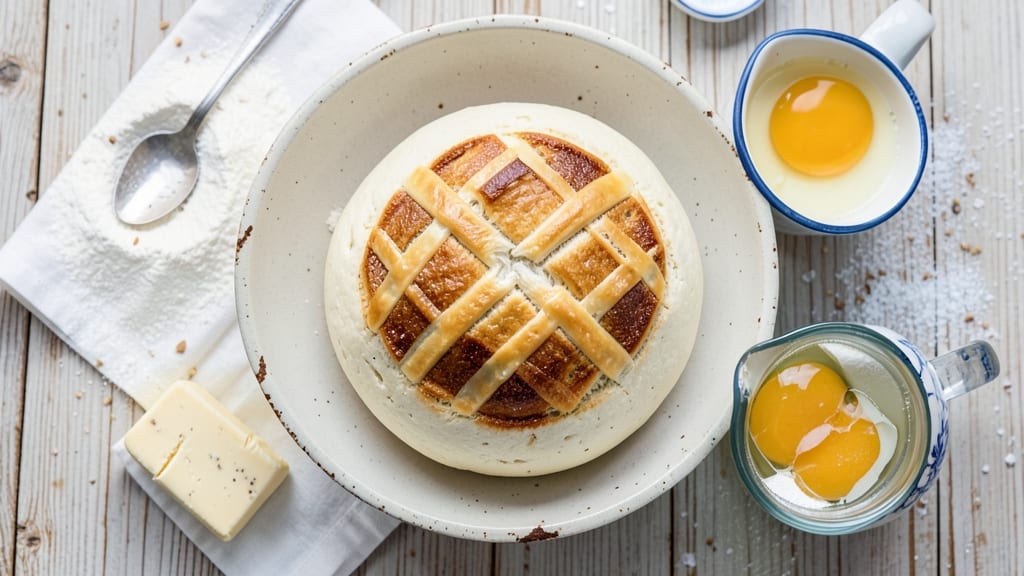
This Amish Friendship White Bread recipe delivers the tender, pillowy texture and sweet simplicity that makes it a beloved staple in kitchens across the Midwest. The secret lies in its no-yeast formula and precise baking technique, which creates a loaf so soft it practically melts in your mouth.
I first discovered this recipe during a visit to an Amish community, where it was served warm with butter and honey—a tradition that’s now part of my own family gatherings.
The beauty of this recipe is its simplicity: just six core ingredients come together in a single bowl, then baked to golden perfection. Unlike traditional sourdough, this bread rises quickly and reliably, making it ideal for both beginners and experienced bakers.
The texture is what truly sets it apart—light, airy, and just slightly sweet, with a crust that’s soft enough to eat without butter if you’re feeling indulgent.
What makes this bread especially magical is its versatility. Serve it fresh from the oven with jam, pair it alongside soups or stews, or slice it for sandwiches.
The recipe yields two loaves, so you’ll have leftovers for days—or enough to share with neighbors, just as the Amish tradition intended. Let’s get baking!
Here’s the key to success: don’t overmix the batter, and bake until the internal temperature reaches 190°F for that signature tender crumb. The result? A loaf so inviting, you’ll wonder why you ever bought store-bought bread.
This recipe is a testament to how simple ingredients, when handled with care, can create something extraordinary.
Ingredients for amish friendship white bread
Six simple ingredients transform into two loaves of tender, sweet Amish friendship bread.
| Ingredient | Amount | Notes |
|---|---|---|
| All-Purpose Flour 🌾 | 6 cups | White bread flour preferred |
| Granulated Sugar 🍚 | ¼ cup | White sugar, not brown |
| Unsalted Butter 🧈 | ½ cup | Cold, cubed for mixing |
| Milk 🥛 | 1 cup | Whole milk for richness |
| Large Eggs 🥚 | 1 whole | Room temperature preferred |
| Baking Powder 🍞 | 2 tsp | Aluminum-free preferred |
| Salt 🧂 | ½ tsp | Fine sea salt |
| Vegetable Oil 🫒 | 2 tbsp | For greasing pans |
The flour is everything here—white bread flour creates that signature tender crumb, but all-purpose works in a pinch. I always grab mine from King Arthur or Bob’s Red Mill for consistent results. The butter should be cold and cubed when you mix it in; don’t let it soften too much or the dough gets greasy. For the milk, whole milk gives the best richness, but 2% works if that’s what you have. The eggs? Room temperature ensures they blend smoothly without lumps. Baking powder matters—aluminum-free keeps the bread from tasting metallic.
No white bread flour? All-purpose plus 1 tbsp vital wheat gluten mimics the texture. Short on butter? Applesauce or Greek yogurt can replace half the fat, though the bread will be slightly denser. The recipe calls for whole milk, but evaporated milk or buttermilk add depth if you’re out of regular milk. For the baking powder, double-acting is ideal—it rises twice during baking. If you’re in a bind, baking soda plus 1/4 tsp cream of tartar works as a substitute. The salt? Diamond Crystal is my go-to for fine grain, but any sea salt will do.
This dough keeps well for 2 days in the fridge, wrapped tightly in plastic. For longer storage, freeze shaped loaves for up to 3 months—thaw at room temperature before baking. The bread reheats beautifully: 5 minutes at 300°F restores that fresh-from-the-oven warmth. I always bake two loaves—one for the table, one for jam sandwiches the next day. Leftovers? Toast them for crispy croutons or freeze sliced bread for quick toast.
Why You'll Love This Recipe
- No-Knead Magic: I swear by this—just mix, let it rise, and bake. The dough comes together faster than my morning coffee, and honestly? That’s all it takes.
- Buttery Soft Secret: The butter and milk make this bread ridiculously tender. No dry crumbs here—just that perfect pull-apart texture with every bite.
- Weeknight Workhorse: Breakfast toast? Sandwiches? Grilled cheese? This bread handles it all. I keep a loaf on hand for everything—no excuses.
- Budget-Friendly Staple: Flour, sugar, butter—these are pantry basics that stretch far. Bake once, feed the family for days, and still save money. Win.
Step-by-step instructions for Amish friendship white bread
This recipe delivers tender, pull-apart loaves with a crisp crust and perfect rise every time.
Prepare the Dough with Cold Ingredients
In a large mixing bowl, combine the 6 cups all-purpose flour, 2 teaspoons baking powder, and 0.5 teaspoon salt. Whisk gently to distribute the dry ingredients evenly. In a separate bowl, cut the 0.5 cup unsalted butter into small cubes and let it sit at room temperature for 10 minutes—this ensures it melts smoothly without separating.
To the dry ingredients, add the 1 cup whole milk and 1 whole large egg, mixing just until combined. The dough will be shaggy at this point, which is normal. Gently fold in the softened butter until it's fully incorporated. Avoid overmixing—this keeps the bread tender rather than dense. The dough should hold together when pressed but still feel slightly sticky.
Knead and Shape for Optimal Texture
Turn the dough onto a lightly floured surface and knead gently for 2-3 minutes until smooth. You're not developing gluten like with yeast breads—just enough to bring everything together. Shape the dough into two equal rectangles, about 8x6 inches each, and place them on a parchment-lined baking sheet.
Brush the tops of each rectangle with a thin layer of melted butter (mix 2 tablespoons vegetable oil with 1 tablespoon melted butter for brushing). Sprinkle 0.25 cup granulated sugar evenly over the top of each rectangle. This sugar creates the signature caramelized crust while keeping the interior soft. Let the dough rest at room temperature for 15 minutes before baking.
Bake at High Heat for Perfect Rise
Preheat your oven to 375°F and position the oven rack in the middle position. Bake the bread for 25-30 minutes until the edges are golden brown and the internal temperature reaches 190°F when measured with an instant-read thermometer. The sugar will caramelize beautifully, creating that classic Amish friendship bread crust.
Here's the key: Don't overbake. The bread should pull apart easily with gentle pressure but still feel slightly soft in the center. If the edges brown too quickly, tent loosely with aluminum foil after 20 minutes to prevent over-browning while allowing the center to finish cooking.
Cool and Serve for Maximum Tenderness
Remove the bread from the oven and let it cool on a wire rack for 10 minutes before slicing. This resting period allows the internal moisture to redistribute, preventing a gummy texture. The bread will continue to soften as it cools, which is why it's best served at room temperature.
For serving, slice the loaves into 1-inch thick pieces. The interior should be tender with just a hint of sweetness from the caramelized sugar, while the crust remains crisp. Store any leftovers in an airtight container at room temperature for up to 3 days, or freeze for longer storage. The bread reheats beautifully in a 350°F oven for 5-7 minutes to restore its warmth.
Pro Tips For Making Amish Friendship White Bread
- MEASURE MILK PRECISELY: This isn’t the time to eyeball—use a liquid measuring cup for the milk. I learned this after making bread that was either too dense or too sticky; the recipe’s texture relies on that exact 1 cup measurement. Warm the milk to 110°F (just warm to the touch) before mixing—cold milk makes butter behave poorly.
- KNEAD JUST ENOUGH: Stop when the dough passes the "windowpane test" (stretch a piece—if it’s translucent but doesn’t tear, you’re good). Over-kneading develops too much gluten, and this bread should be tender, not chewy. My first few batches were tough until I realized "just until smooth" means just that.
- USE ROOM-TEMP BUTTER: Take the butter out of the fridge 30 minutes before mixing—cold butter creates pockets of resistance in the dough. Softened butter (but not melted) blends evenly with the sugar and eggs, giving that classic Amish bread crumb. I once used straight-from-fridge butter and ended up with a dense, greasy loaf.
- LET THE DOUGH RISE SLOW: Skip the rush—give it 1.5 to 2 hours in a warm spot (like a turned-off oven with a bowl of hot water inside). A slow rise develops better flavor and a lighter texture. I tried cutting it to 45 minutes once, and the bread collapsed when baking. Patience here makes all the difference.
Wine and beer pairings for this amish friendship white bread
Sweet Wine Pairings
This bread’s subtle sweetness and soft texture make it a perfect match for dry Riesling or Moscato d’Asti. A crisp German Riesling like Dr. Loosen Blue Slate complements the caramelized sugar without overpowering it.
The acidity cuts through the richness, while the slight sweetness enhances the bread’s natural flavor. For a lighter option, try a sparkling Moscato—its effervescence cleanses the palate between bites. 🍷
Rich Beer Complements
Skip the light beers—this bread deserves something hearty. A honey wheat ale like Allagash Honey Farmer mirrors the bread’s sweetness with floral notes. For a malty contrast, try a dark amber ale such as Samuel Smith’s Nut Brown Ale, which balances the sugar with caramel and toasted grain flavors.
If you prefer hoppier beers, a session IPA with light body (like Harpoon IPA) works surprisingly well. 🍺
Unexpected Liquor Pairings
For a cozy night in, serve slices with a bourbon-infused simple syrup drizzle. The vanilla and oak notes in Woodford Reserve enhance the bread’s caramelized crust. Alternatively, a spiced rum like Kraken Black Spiced Rum adds warmth, especially when paired with cinnamon butter.
Even a dry sherry (such as Pedro Ximénez) brings depth—its nutty undertones elevate the bread’s texture. 🥃
Coffee and Tea Harmony
Skip the heavy cream and pair this bread with a light roast coffee like Starbucks Half Café—its bright acidity contrasts beautifully. For tea lovers, a chamomile or lavender chamomile (such as Harney & Sons) highlights the bread’s tenderness without competing.
Even a spiced chai (like Bigelow Chai) adds warmth that complements the caramelized sugar. ☕
Seasonal Variations
In summer, a sparkling rosé (like Whispering Angel) keeps things refreshing. For fall, swap to a dry cider (such as Angry Orchard Dry)—its crispness balances the bread’s sweetness.
Winter calls for a mulled wine (like La Fée Mulled Wine) to add spiced warmth. Each pairing adapts to the season while keeping the bread’s star quality intact. 🍂
Nutrition facts
Frequently asked questions
Why does this bread have a rectangular shape?
The classic Amish friendship loaf shape comes from tradition—rectangles are easier to share and serve at gatherings. The 8x6-inch dimensions create a perfect balance of surface area for caramelization while keeping the interior tender. This shape also makes slicing for sandwiches or toast much simpler.
Can I make this bread without butter?
Yes! Replace the 0.5 cup butter with 0.5 cup applesauce or 0.5 cup Greek yogurt for a lighter version. The texture will be slightly denser, but still delicious. For extra richness, use 0.25 cup butter + 0.25 cup oil instead. The key is maintaining the fat content for that signature soft crumb.
How do I store leftovers to keep them fresh?
Wrap cooled loaves tightly in plastic wrap or store in an airtight container at room temperature for up to 3 days. For longer storage, freeze sliced bread for 3 months. To revive stale bread, warm slices in a 350°F oven for 5-7 minutes or toast until crisp. The sugar crust stays best when protected from moisture.
What's the secret to the perfect caramelized crust?
The crust magic happens with the 0.25 cup sugar sprinkled before baking. Brush the tops with melted butter first, then add sugar—this creates a beautiful caramelized layer. Bake until edges are golden brown (190°F internal temp) and resist the urge to overbake. The sugar should be sticky but not burnt.
Can I make this bread in a smaller pan?
Yes! For a single loaf, use a 9x5-inch loaf pan. Reduce the sugar to 0.125 cup and bake for 20-25 minutes at 375°F. The dough will be thicker, so check doneness at 190°F internal temp. The texture stays tender, but the crust may be less caramelized.