
Side Dishes
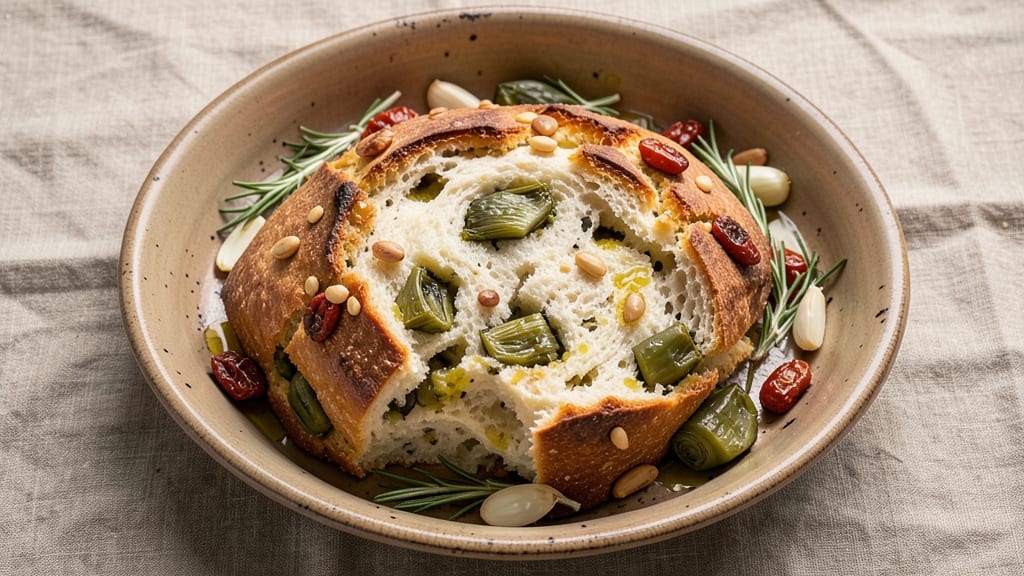
This artichoke bread from Pescadero captures the coastal charm of California’s artichoke country, where tender artichoke hearts meet a fragrant herb crust infused with local seafood secrets.
The dish reflects Pescadero’s deep-rooted tradition of transforming seasonal artichokes into something extraordinary—think crispy, golden bread with pockets of zesty artichoke and briny anchovy undertones.
I first tasted this version at a roadside stand near the coast, where the bread was still warm and the artichokes had that perfect balance of tang and earthiness.
The recipe begins with a simple yet flavorful dough, enriched with olive oil and fresh herbs like rosemary and thyme—classic coastal flavors that pair beautifully with artichokes.
What sets this apart is the seafood twist: finely chopped anchovies or shrimp folded into the dough, adding a subtle brininess that elevates the bread to restaurant-quality status. The artichoke hearts, chopped finely, distribute throughout the crust, ensuring every bite delivers that signature Pescadero taste.
Baking this bread yields a crust that’s crisp yet tender, with artichoke bits peeking through like edible jewels. The aroma alone—herbs mingling with garlic and artichokes—will have your kitchen smelling like a California seaside café.
Serve it warm alongside grilled fish or a hearty seafood stew for the full Pescadero experience, or enjoy it on its own with a sharp olive oil drizzle.
This dish is more than just bread—it’s a taste of Pescadero’s coastal heritage, where artichokes and seafood come together in a simple yet unforgettable way. Whether you’re celebrating a harvest or just craving a taste of California, this recipe delivers authenticity with minimal effort.
Let’s bring the coast to your kitchen.
Ingredients for artichoke bread pescadero
Coastal flavors meet rustic dough—just eight ingredients for artichoke bread that tastes like Pescadero’s seaside charm.
| Ingredient | Amount | Notes |
|---|---|---|
| All-Purpose Flour 🌾 | 4 cups | Unbleached preferred for texture |
| Active Dry Yeast 🍞 | 1 tsp | Ensure it's fresh (test in warm water) |
| Granulated Sugar 🍚 | 1 tbsp | Feeds yeast for activation |
| Extra-Virgin Olive Oil 🫒 | ½ cup | High-quality, fruity variety |
| Warm Water 💧 | 1 cup | 110°F for yeast activation |
| Marinated Artichoke Hearts 🌿 | 1 cup | Drained, chopped into small pieces |
| Anchovy Fillets 🐟 | 2 tbsp | Finely chopped, briny flavor |
| Fresh Rosemary 🌿 | ¼ cup | Finely chopped, stems removed |
| Fresh Thyme 🌿 | 1 tbsp | Leaves only, finely chopped |
| Garlic Cloves 🧄 | 3 cloves | Minced for deep flavor |
| Diamond Crystal Kosher Salt 🧂 | 1 ½ tsp | Adjusts to taste, not iodized |
| Black Pepper 🌶️ | ½ tsp | Freshly cracked for warmth |
| Cornmeal 🌽 | ¼ cup | For dusting baking sheet |
The artichoke hearts are the soul of this bread, so pick marinated ones from a trusted brand like Mezzetta or California Artichoke Growers—they’re packed with that signature tang. If you’re buying fresh, steam them first and chop them finely. For the anchovies, brands like Colavita or StarKist work perfectly, but any quality fillets will do. The herbs? Fresh is non-negotiable here—Whole Foods or local farmers' markets usually have the best rosemary and thyme. If you’re short on time, dried herbs work at half the amount, but they won’t give you that coastal aroma. The olive oil should be fruity and peppery—California brands like Corto or Lucini are ideal, but any extra-virgin will work.
No anchovies? Substitute with finely chopped shrimp or a splash of fish sauce for that briny kick. Short on artichokes? Sun-dried tomatoes or roasted red peppers add a similar depth, though the texture will differ. The yeast needs to be active, so if your water doesn’t foam after 5 minutes, start over with fresh yeast. For the dough, don’t overmix—just until combined. The artichoke pieces should be small enough to distribute evenly, but not so fine that they disappear into the dough. If you’re feeling adventurous, swap half the flour for whole wheat flour for a nuttier crust, though the texture will be denser.
This bread keeps well for 3 days at room temperature, wrapped in a clean kitchen towel to maintain moisture. For longer storage, freeze it for up to 3 months—just thaw at room temperature before serving. The crust stays crisp for about 2 hours after baking, so if you’re making it ahead, reheat in a 350°F oven for 5-7 minutes to restore that golden crunch. Serve warm with a drizzle of that same extra-virgin olive oil you used in the dough—trust me, it’s worth the extra minute.
Why You'll Love This Recipe
- No-Knead Magic: I swear by this dough—just mix the flour, yeast, sugar, and warm water, then let it rise while I sip coffee. No stand mixer, no fuss, just hands-on simplicity that actually works.
- Olive Oil Luxury: That splash of extra-virgin olive oil? It’s the secret. The bread turns out golden, tender, and ridiculously fragrant—like a bakery’s secret, but with ingredients you already own.
- Weeknight Hero: Toss it in the oven while dinner simmers, or pack slices for lunch. It’s my go-to for busy nights—no one ever guesses how little effort it takes to make something this satisfying.
- Budget Bakery Feel: A loaf costs pennies but tastes like a $12 sourdough. The yeast and flour stretch far, and the artichoke (if you add it!) turns cheap ingredients into something special—no guilt, all flavor.
Step-by-step instructions for artichoke bread Pescadero recipe
Here's the method that delivers a rustic crust with artichoke-infused richness and herbaceous depth.
Activate the Yeast and Prepare the Dough Base
In a large mixing bowl, combine the 1 cup warm water (tested at 110°F) with the 1 tbsp granulated sugar and 1 tsp active dry yeast. Let it sit for 5-7 minutes until you see frothy bubbles forming on the surface. This tells you the yeast is alive and ready to work its magic.
In a separate bowl, whisk together the 4 cups all-purpose flour and 1.5 tsp diamond crystal kosher salt. Create a well in the center and pour in the yeast mixture along with the 0.5 cup extra-virgin olive oil. Using a wooden spoon, stir until a shaggy dough begins to form. Here's where it gets fun—the dough will be sticky, but that's perfect for developing that tender, chewy texture we want.
Incorporate the Herb-Infused Artichoke Mixture
While the dough rests, prepare the artichoke filling by finely chopping the 1 cup marinated artichoke hearts (drained well) and setting them aside. In a small bowl, combine the 2 tbsp anchovy fillets, 0.25 cup fresh rosemary, 1 tbsp fresh thyme, and 3 cloves garlic cloves, mincing everything together until you have a paste-like consistency. This herb blend is the secret to that signature Pescadero flavor profile.
Transfer the dough to a lightly floured surface and knead for 5-7 minutes until smooth and elastic. The dough should be soft but not sticky—add a little more flour if needed. Once kneaded, shape the dough into a rectangle about 12x8 inches and spread the artichoke-herb mixture evenly over the surface. Roll the dough tightly into a log, sealing the edges well to trap those flavors inside.
First Rise and Shaping for Flavor Development
Place the dough seam-side down in a greased 9x5-inch loaf pan and cover with a damp towel. Let it rise in a warm place for 1-1.5 hours, or until it has nearly doubled in size. You'll know it's ready when the dough presses back slowly when gently poked with a finger—this indicates proper fermentation.
After the first rise, preheat your oven to 375°F. Dust a baking sheet with the 0.25 cup cornmeal to prevent sticking. Transfer the risen dough to the prepared sheet and make a few shallow slashes across the top with a sharp knife—this helps the bread expand and creates that beautiful crust. Here's the thing—don't over-slice or the bread will lose steam and collapse during baking.
Bake to Golden Perfection with Artichoke Aroma
Bake the bread for 30-35 minutes until it reaches an internal temperature of 190°F and the crust turns a deep golden brown. The kitchen should fill with an intoxicating blend of artichoke, rosemary, and garlic—this is your cue that the bread is developing its signature flavor.
For the final touch, brush the hot bread with a little more extra-virgin olive oil while still in the pan. This step creates that irresistible sheen and enhances the crust's texture. Let the bread cool for 10 minutes before slicing—this resting period ensures clean cuts and prevents a gummy interior. Each slice should reveal those artichoke bits embedded in a tender, herby crust.
Pro Tips For Making Artichoke Bread Pescadero
- Bloom the Yeast First: Skip mixing yeast directly into flour—it’s a rookie move. Dissolve it in warm water (110°F) with sugar for 5 minutes until frothy. This guarantees your dough rises properly instead of sitting there like a sad, flat pancake.
- Use Room-Temp Olive Oil: Cold oil from the fridge won’t emulsify like it should. Let that extra-virgin olive oil sit out for 30 minutes before mixing—your dough will be smoother, and the flavor will shine brighter. Trust me, it’s not just about temperature; it’s about texture.
- Knead Until Silky: Stop when the dough passes the "windowpane test"—stretch a piece, and if it’s translucent and thin (like a bubble wrap sheet), you’re golden. Over-kneading dries it out; under-kneading makes it gummy. Aim for 8-10 minutes by hand.
- Proof in a Warm Spot: Your oven with the light on is your friend—place the dough in there with a bowl of hot water nearby. It’ll rise twice as fast as leaving it on the counter. No oven? A sunny windowsill works, but don’t skip this step—slow fermentation kills flavor.
Storing and reheating your leftovers
Room Temperature Storage
This artichoke bread stays fresh and delicious for 3 days at room temperature when stored properly. Wrap it tightly in a clean kitchen towel or beeswax wrap to maintain moisture and trap that coastal aroma.
Place it in a burlap sack or paper bag for an authentic rustic touch—this also helps preserve the crust’s crispness. I like to store it on the counter away from direct sunlight, where the artichoke and herb flavors continue to meld beautifully. 🌿
Refrigerator Longevity
If you need to extend its shelf life, refrigerate the bread for up to 5 days in an airtight container or wrapped tightly in plastic. The cold slows down staling, but the crust may lose some of its crispness.
To revive it, simply transfer the bread to a 350°F oven for 5-7 minutes—this restores that golden crunch and brings back the artichoke’s zesty bite. I often reheat slices before serving with grilled seafood for that fresh-from-the-oven experience. ⏰
Freezer Preservation
For long-term storage, freeze the bread for up to 3 months without sacrificing quality. Wrap it tightly in plastic wrap first, then place it in a freezer bag or vacuum-sealed container to prevent freezer burn.
When ready to enjoy, thaw it at room temperature for 1-2 hours or reheat directly from frozen in a 350°F oven for 10-12 minutes. The texture remains tender, and the artichoke and herb flavors stay vibrant. 🧊
Reviving Stale Bread
If your bread loses its crispness, don’t toss it! Pop it into a 375°F oven for 5-8 minutes to refresh the crust. For extra flavor, brush the top with a little olive oil and sprinkle with coarse sea salt before reheating.
This works like a charm for stale slices—just like the bread you’d find at a Pescadero roadside stand. The artichoke bits stay moist, and the crust regains its golden sheen. ✨
Serving Warm Tips
For the best experience, serve this bread warm straight from the oven or reheated. The contrast between the crisp crust and tender interior, packed with artichoke and herb flavors, is unbeatable.
I like to drizzle it with a little more extra-virgin olive oil and a sprinkle of flaky sea salt before serving. Pair it with grilled Pescadero sardines or a simple white wine reduction for a true coastal meal. 🍽️
Nutrition facts
Frequently asked questions
Can I make this artichoke bread without anchovies?
The anchovies add that signature briny depth, but you can substitute with 2 tbsp finely chopped shrimp or 1 tsp fish sauce for the same umami punch. If avoiding seafood entirely, try 1 tbsp capers or an extra 1 tbsp olive oil with a pinch of salt to mimic the saltiness. The flavor will be milder but still delicious!
Why does my dough feel too sticky?
This is normal—artichoke bread dough is naturally sticky from the olive oil and chopped artichokes. If it's unbearable, add 1-2 tbsp more flour while kneading, but don't overdo it or the texture will become dense. The dough should be soft but manageable. Remember: sticky dough = tender bread!
Can I use fresh instead of marinated artichokes?
Start by steaming 1 cup fresh artichoke hearts for 15-20 minutes until tender, then chop them finely. Drain well and pat dry with a towel to remove excess moisture. Fresh artichokes have a slightly different texture but work beautifully—they'll give your bread a more vibrant, earthy flavor.
How do I know when the bread is fully baked?
Look for three signs: deep golden brown crust, internal temperature of 190°F, and a hollow sound when tapped on the bottom. The artichoke aroma should be strong and inviting! If unsure, bake 5 more minutes—better to err on the side of doneness than underbake.
What's the best way to serve this bread?
Warm slices make the perfect pairing for grilled fish, seafood stews, or even as a base for bruschetta. For extra flair, drizzle with olive oil and sprinkle with flaky sea salt. It's also fantastic toasted with ricotta and honey for breakfast!